What Do Puppies Smell Like and Why?
By Dr. Zubair Khalid, DVM, MS, PhD ·
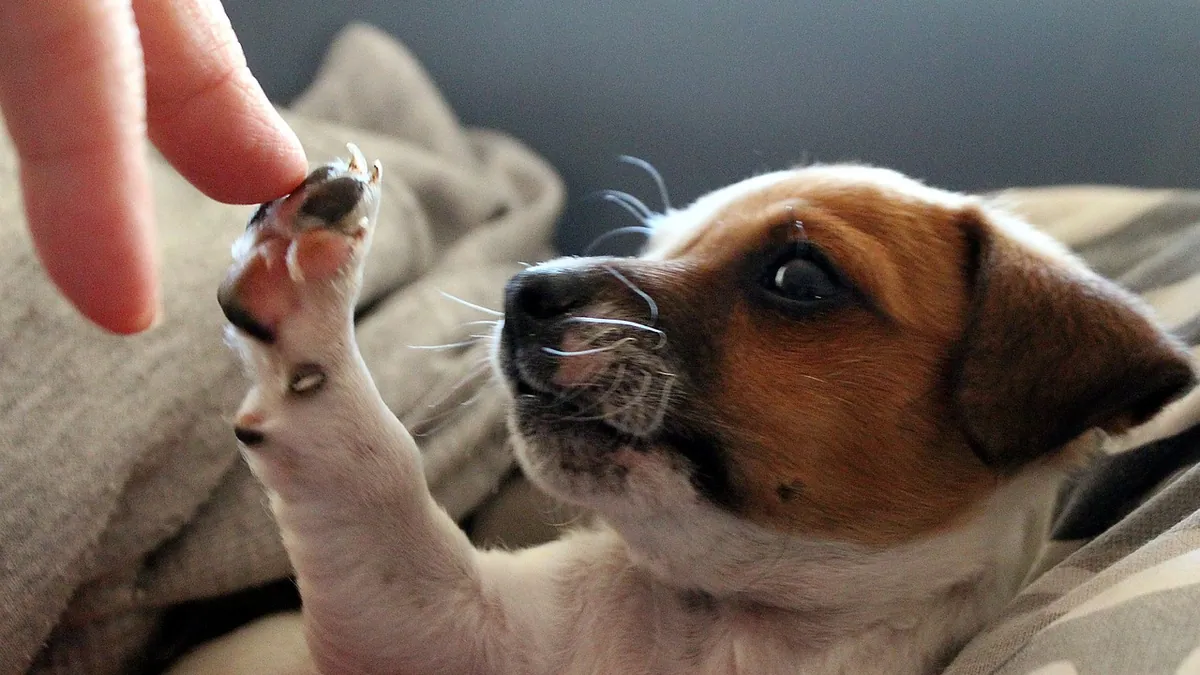
Puppies often smell like warm corn chips, sweet milk, or clean hay, a mild scent that comes mostly from their skin, saliva, and the lingering traces of mother's milk. That smell is usually normal and fades as the puppy grows, but a sharp, sour, or rotten odor can point to an infection or another health problem. This article is educational and is not a substitute for veterinary diagnosis or treatment.
Quick Answer
- A light, sweet, slightly earthy puppy smell is normal and typically fades by the time a puppy is 4 to 6 months old.
- Puppy breath is usually mild and milky, not sour or rotten. A strong bad smell is a reason to call your vet.
- The most common causes of a sudden bad odor are ear infections, skin infections, dental problems, and anal gland issues.
- Bathing too often strips natural oils and can make skin problems worse, so follow your vet's advice on how often to bathe.
- Any smell paired with lethargy, not eating, fever, or discharge needs same-day veterinary attention.
What Puppy Smell Is Normal and What It Looks Like
That new-puppy scent is real, and most owners notice it right away. It tends to be soft and sweet, a little like corn chips, warm milk, or clean hay. You may smell it most strongly on the top of the head, the ears, and the belly.
A normal puppy smell is mild. It does not make you pull back or wrinkle your nose. It also does not get worse over days. If the odor is getting stronger, or if it changes from sweet to sour, that shift matters more than the smell itself.
Puppies also carry the smell of their littermates and their mother for the first few weeks. That shared scent fades as they are weaned and start eating solid food. Dogs are highly tuned to odors, and they use scent to read emotion and identity in other dogs [1]. Your puppy's own scent is part of how other dogs recognize them.
What do puppies breath smell like?
Normal puppy breath is mild and often described as sweet or milky. It does not smell like rot, metal, or garbage. A faint food smell right after eating is fine.
Puppy breath smell causes include teething, milk residue in the mouth, and normal oral bacteria. As adult teeth come in, the breath can change for a short time. If the breath turns sour, fruity, or foul, that is not a normal teething smell. For a deeper look at unusual breath odors, see Why Does My Dog's Breath Smell Like Metal? Causes & Veterinary Solutions.
Main Causes of Puppy Odor
Most puppy odor comes from normal body processes. A smaller share comes from problems that need treatment. The table below separates the two.
| Cause | Typical clues | How urgent |
|---|---|---|
| Normal puppy scent (skin oils, saliva, milk residue) | Mild, sweet, fades over weeks to months | Not urgent |
| Teething and drooling | Chewing, drool on the chin and chest, mild breath change | Routine visit if it persists |
| Ear infection | Head shaking, scratching ears, dark discharge, sour or yeasty smell | See a vet within a day or two |
| Skin infection or hot spots | Red, moist, crusty patches, licking, musty odor | See a vet within a day or two |
| Dental or gum problem | Bad breath, tartar, red gums, trouble chewing | Routine visit soon |
| Anal gland problem | Scooting, licking the rear, fishy smell | See a vet within a day or two |
| Rolled in something smelly | Sudden strong odor after being outside | Bath at home, vet if skin reacts |
| Vomiting or diarrhea | Sour smell, loose stool, not eating | Same day if repeated |
Normal puppy odor
Puppies have thinner skin and less oil production than adult dogs. Their saliva and milk residue sit on the coat and create that soft scent. This is normal and does not need treatment.
Teething and drooling
Between about 3 and 6 months, puppies lose baby teeth and grow adult teeth. Drool collects on the chin and chest, and that damp fur can smell sour. Wipe the chin dry a few times a day.
Ear infections
Puppies have narrow ear canals and floppy ears in many breeds. Moisture and wax build up, and yeast or bacteria grow. The smell is often described as yeasty or musty. Head shaking and scratching are common clues.
Skin infections and allergies
Itchy skin leads to licking and scratching, which breaks the skin barrier. A musty or corn-chip smell on the paws and ears can mean yeast overgrowth. If your puppy is scratching a lot, see Why Is My Dog So Itchy?.
Dental and gum problems
Bad breath in a young puppy is not normal. It can mean gum inflammation, a retained baby tooth, or an injury in the mouth. Dogs can be trained to detect disease odors in humans with high accuracy, which shows how sensitive their noses are to chemical changes [2]. That same sensitivity is why owners often notice mouth odor changes early.
Anal gland issues
Anal glands sit on either side of the rectum. When they do not empty normally, the smell is fishy and strong. Scooting and rear licking are the usual signs.
Something your puppy rolled in
Puppies explore with their noses and bodies. A sudden strong smell after outdoor play is usually harmless. A bath with a gentle dog shampoo solves it.
Food and treats
Some foods and treats change body odor and breath. If the smell started after a diet change, mention it to your vet.
Red Flags That Need Emergency Care
Most puppy smells are not emergencies. These signs are.
- Repeated vomiting or diarrhea, especially with blood.
- A swollen, painful belly.
- Trouble breathing or loud breathing.
- Collapse, weakness, or a puppy who will not wake up.
- A foul smell from a wound with pus or dead tissue.
- A swollen, hot, or very painful area on the body.
- Not eating or drinking for more than 12 hours in a young puppy.
- A fever with shaking or shivering.
Call your veterinarian or an emergency clinic right away if you see any of these. Young puppies get dehydrated and weak faster than adult dogs.
Safe Things You Can Do at Home
You can manage mild odor at home while you wait for a vet visit.
- Bathe with a gentle dog shampoo only as often as your vet advises. Too much bathing dries the skin and can worsen odor.
- Dry the ears after baths and swimming. Never push anything into the ear canal.
- Wipe the chin and face after meals to remove milk and food residue.
- Brush the coat to spread natural oils and remove debris.
- Check the mouth gently. Look for red gums, loose teeth, or a bad smell.
- Keep bedding clean. Wash it weekly in a mild detergent.
- Feed a complete puppy diet. Sudden diet changes can upset the stomach and change breath.
- Keep up flea, tick, and parasite prevention as your vet directs.
Do not use human toothpaste, human shampoo, or essential oils on a puppy. Do not give any medication unless your vet prescribes it. Your vet calculates the dose from your puppy's weight and health, so never guess at a dose.
What Your Veterinarian Will Check and Test
Your vet will start with a full physical exam. They will check the ears, mouth, skin, coat, and anal glands. They will also ask when the smell started and whether it changed.
Common tests include:
- Ear swab and cytology to look for yeast or bacteria.
- Skin scraping or tape prep to check for mites or yeast.
- A dental exam, sometimes with X-rays if a tooth problem is suspected.
- Blood work if your vet suspects an internal problem.
- Fecal testing if there is diarrhea or a change in stool.
- A urine test if the smell seems to come from the urinary tract.
Your vet may also check for retained baby teeth, which are common in small breeds. If the smell is linked to the mouth, they may recommend a dental cleaning under anesthesia. For more on mouth and gut odors together, see Why Does My Dog Have Bad Breath And Gas.
When Puppy Smell Goes Away and How to Monitor It
Most owners notice the puppy smell fading between 4 and 6 months of age. It often disappears around the time the adult coat comes in and teething ends. Some dogs keep a faint version of it into adulthood.
You can track changes with a simple routine.
- Smell your puppy's head, ears, and breath once a week.
- Note any change in strength or type of odor.
- Check the ears for redness, discharge, or head shaking.
- Look at the gums and teeth monthly.
- Keep a note of any new food, treat, or shampoo.
- Schedule routine wellness visits as your vet recommends.
Dogs can pick up on subtle chemical signals from other dogs, including emotional states, and they respond differently to those odors [1]. This does not mean your puppy smells illness in itself, but it does show how much information scent carries for dogs. If your puppy's odor changes, other dogs may react differently too.
Some dogs are bred and trained for odor detection work, and research shows that odor detection ability varies with genetics and temperament [3]. This is about working dogs, not household pets, but it does show that scent sensitivity runs in families. If your puppy seems unusually interested in smells, that is normal dog behavior.
Research also shows that untrained dogs can show interest in certain human odor samples, including seizure-related odors, without any training [4]. This is a research finding, not a diagnostic tool for your puppy. Do not rely on your dog's nose to diagnose anything in your pet.
Olfactory testing in dogs depends on how strong a smell is and how long they are exposed to it, and fatigue or adaptation can affect results [5]. In plain terms, your puppy may stop reacting to a smell that stays around. That is one reason a smell you notice may not bother your puppy at all.
Limitations and When to Contact a Veterinarian
No article can tell you what is causing your puppy's specific odor. Only a veterinarian who examines your puppy can do that. Use these timing guides.
Contact your veterinarian the same day if:
- Your puppy has a strong, foul, or fishy smell that started suddenly.
- Your puppy is shaking their head, scratching an ear, or has discharge.
- Your puppy has bad breath with red gums or a loose tooth.
- Your puppy is scooting or licking the rear often.
- Your puppy is not eating normally or seems tired.
Go to an emergency clinic now if:
- Your puppy is vomiting repeatedly or has bloody diarrhea.
- Your puppy is struggling to breathe.
- Your puppy collapses or cannot stand.
- Your puppy has a swollen, painful belly.
- Your puppy has a wound with a foul smell and pus.
Schedule a routine visit if:
- The puppy smell is stronger than expected but your puppy acts normal.
- You notice a mild odor that has not changed for weeks.
- You want to confirm that teething or a diet change is the cause.
Frequently Asked Questions
Is puppy smell normal?
Yes, a mild sweet or earthy smell is normal in young puppies. It comes from skin oils, saliva, and milk residue. It usually fades by 4 to 6 months of age.
Why does my puppy smell like corn chips?
That corn-chip smell often comes from yeast that lives naturally on the skin and paws. In small amounts it is normal. If the smell is strong or the skin is red and itchy, have your vet check for a yeast infection.
Why does my puppy's breath smell bad?
Bad puppy breath is not normal and often points to gum inflammation, a retained baby tooth, or an infection in the mouth. A sour or rotten smell needs a veterinary exam. For more detail, see Why Does My Dog's Breath Smell Like Metal? 5 Causes, Kidney Risks & Vet Guide.
When does puppy smell go away?
Most puppies lose the distinct puppy smell between 4 and 6 months of age. The timing varies with breed, coat type, and diet. Some dogs keep a faint version of it longer.
Can a bad smell mean my puppy is sick?
Yes, a sudden strong or foul smell can be a sign of infection, especially in the ears, skin, mouth, or anal glands. Call your vet if the smell is new, getting worse, or comes with other symptoms. If your puppy also has eye discharge that smells, see Dog Eye Goop Smells.
Related Articles
- Why Does My Dog's Breath Smell Like Metal? Causes & Veterinary Solutions
- Why Does My Dog's Breath Smell Like Metal? 5 Causes, Kidney Risks & Vet Guide
- Why Does My Dog Have Bad Breath And Gas
- Dog Eye Goop Smells
- Why Is My Dog So Itchy?
- Dog Hair Loss After Puppies: Causes and What to Do
- Why Does My Puppy Smell Bad? Common Causes and Fixes
- How Long Do Puppies Have Puppy Breath?
- Why Does My Puppy Smell Bad Even After a Bath?
References
- Dogs (Canis familiaris) distinguish conspecific emotional chemosignals. Scientific reports, 2026.
- Trained dogs can detect the odor of Parkinson's disease. Journal of Parkinson's disease, 2025.
- Phenome-wide study connects behavioral genetics of odor detection dogs with temperament traits. Scientific reports, 2026.
- Spontaneous orienting of untrained companion dogs naïve to human epilepsy toward odor samples from an unfamiliar human in a controlled non-social paradigm: a proof-of-concept. Annali dell'Istituto superiore di sanita, 2026.
- Comparing and validating different methods for olfactory threshold measurement in dogs. Behavioural processes, 2026.