Why Does My Puppy Smell Bad? Common Causes and Fixes
By Dr. Zubair Khalid, DVM, MS, PhD ·
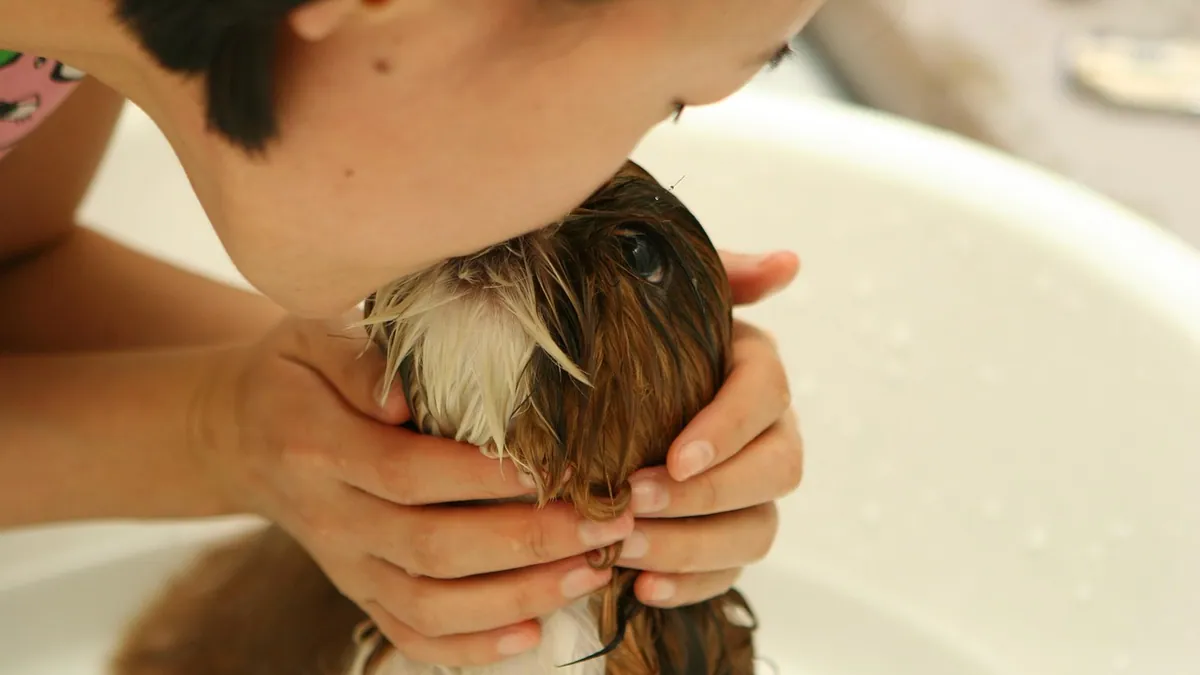
If your puppy stinks, the odor usually comes from something you can find with your eyes, nose, and a quick hands-on check. Common sources include normal puppy grime, ear infections, skin fold irritation, dental problems, and anal gland issues. This article is educational and is not a substitute for veterinary diagnosis or treatment.
Quick Answer
- Puppies have a natural "puppy smell" from their coat oils and saliva, but a strong, sour, or rotten odor is not normal and points to a specific problem.
- Ear infections, skin infections, and dental disease are the most common medical causes of a bad-smelling puppy.
- A bath with a gentle dog shampoo fixes simple dirt and odor, but the smell returns within a day or two if there is an underlying infection.
- Never use human shampoo, human toothpaste, or perfume on your puppy, and never put anything inside the ear canal unless your veterinarian tells you to.
- See a veterinarian if the odor comes with redness, discharge, hair loss, limping, head shaking, or a puppy that seems painful or tired.
What a Smelly Puppy Looks and Smells Like
A normal puppy has a mild, warm scent. You may notice it more after play, after eating, or when the coat is damp. That light smell is not a medical problem.
A problem odor is different. It tends to be strong, sour, musty, yeasty, or rotten. It often comes back fast after a bath. It may be worse in one spot, such as one ear, the face, the paws, or the rear end.
Your puppy may also show other signs. These include scratching, licking, head shaking, rubbing the face on the floor, scooting, or chewing at the feet. Some puppies with mouth pain eat slowly or drop food.
Puppies get dirty. They roll in things, drool, and dribble urine during house training. So the first job is to decide whether you are smelling dirt or disease.
Why Does My Puppy Smell Bad? Main Causes
The table below lists the most common causes and how urgent each one tends to be. Urgency can change fast, so trust your instincts if your puppy looks sick.
| Cause | Typical clues | How urgent |
|---|---|---|
| Normal puppy grime and saliva | Mild smell, worse after play or meals, no redness or pain | Not urgent, bathe as needed |
| Ear infection | Bad smell from one or both ears, head shaking, scratching, discharge, pain when touched | See a vet within a day or two |
| Skin infection or allergies | Greasy or musty coat, redness, scabs, hair loss, constant licking | See a vet within a few days |
| Skin fold dermatitis | Smell and redness in wrinkles (face, tail base, lips) | See a vet within a few days |
| Dental or gum disease | Rotten breath, tartar, red gums, drooling, dropping food | See a vet soon, dental disease is common |
| Anal gland problem | Fishy smell near the rear, scooting, licking the back end | See a vet within a day or two |
| Urine or feces on the coat | Smell matches urine or stool, wet or stained fur | Not urgent unless the skin is irritated |
| Yeast overgrowth | Musty, corn-chip odor, greasy skin, brown ear wax | See a vet within a few days |
| Foreign object or wound | Sudden bad smell, swelling, discharge, pain in one spot | Same day |
Ear Infections
Ear infections are a top reason a puppy smells bad. The ear canal gets warm and moist, which lets yeast and bacteria grow. The result is a musty or sour odor that you can smell from a few feet away.
Puppies with floppy ears, allergies, or a recent swim or bath are at higher risk. So are puppies whose ears stay damp. Signs include head shaking, scratching at the ear, and pain when you touch the ear flap.
Do not clean deep inside the canal. You can wipe the visible part of the ear flap with a cotton ball and a pet ear cleaner. If the ear is red, swollen, or painful, stop and call your veterinarian.
Skin Infections and Allergies
Puppy skin problems often smell musty or like yeast. Allergies are a common trigger. When the skin is inflamed, normal skin bacteria and yeast overgrow and produce odor.
Watch for redness in the armpits, groin, paws, and belly. Your puppy may lick and chew these areas. Licking keeps the skin wet, which makes the odor and infection worse.
Skin fold dermatitis is a related problem. Breeds with wrinkles or tight tail folds trap moisture and debris. That trapped material smells bad and can get infected.
Dental and Gum Problems
Bad breath is a common form of puppy odor, and it often starts early. Periodontal disease is very common in dogs. In a survey of 12,753 pet owners, the overall prevalence of periodontal disease was 50.5% [1]. Puppies under 4 years had the lowest risk, and dogs 8 years and older had the highest risk [1].
Halitosis, or bad breath, comes from oral microbes that break down proteins and make volatile sulfur compounds (VSCs) [2]. These compounds smell like rotten eggs and can also drive inflammation in the mouth [2]. A related study found that a canine oral health postbiotic reduced VSCs by 22% from baseline by day 7 [3]. Another study found that oral interferon alpha reduced VSC concentrations in dogs with periodontal disease [4].
You may also see tartar, red gums, drooling, or a puppy that chews on one side. Retained baby teeth are a common puppy problem that traps food and plaque.
If the breath is the main issue, our guide to dog bad breath causes walks through the dental and non-dental reasons. If your puppy also passes a lot of gas, see why does my dog have bad gas.
Anal Gland Problems
Anal glands sit on each side of the rectum. They release a fishy fluid when a dog passes stool. If the glands get blocked or infected, the smell is strong and fishy.
Signs include scooting on the floor, licking the rear end, and a sudden bad smell near the tail. Some puppies also strain or seem uncomfortable when they poop. Do not try to express the glands at home. You can cause pain, bleeding, or infection.
Urine, Feces, and Dirt
House training accidents leave residue on the coat. Urine and stool both carry strong odors. A puppy that sits in a wet crate or has diarrhea can get a sour smell on the rear and legs.
This cause is simple to fix with a bath and a clean living area. If the skin under the mess is red, raw, or painful, treat it like a skin problem and call your veterinarian.
Yeast Overgrowth
Yeast makes a musty, corn-chip smell. It often shows up in the ears, paws, and skin folds. The skin may look greasy or have a brown discharge.
Yeast overgrowth usually has an underlying trigger, such as allergies or moisture. Bathing alone will not fix it. Your veterinarian can confirm yeast with a skin or ear swab and prescribe the right treatment.
Red Flags That Make It an Emergency
Some causes of puppy odor need care right away. Go to an emergency clinic or call your veterinarian now if you see any of these signs.
- Trouble breathing, loud breathing, or a blue or gray gum color
- A swollen, hot, painful area that is spreading fast
- A deep wound, puncture, or bite with pus or a bad smell
- Collapse, weakness, or a puppy that will not wake up normally
- Repeated vomiting or diarrhea with a foul smell and a puppy that looks very sick
- A swollen belly with retching or unproductive vomiting
- A foul-smelling discharge from the nose, eyes, or rear end with fever or pain
- A puppy that cries when touched or will not let you near a body part
If you think your puppy ate something toxic, call the ASPCA Animal Poison Control Center at (888) 426-4435 or the Pet Poison Helpline at (855) 764-7661. These lines may charge a fee.
Safe Things You Can Do at Home While You Wait
You can do a few simple things while you wait for your appointment. These steps will not cure an infection, but they can make your puppy more comfortable and help your veterinarian find the source.
Check the Whole Body
Look at the ears, mouth, skin, paws, and rear end. Smell each area. Note which spot smells worst. Take a photo of any redness, discharge, or hair loss.
Give a Gentle Bath
Use a shampoo made for dogs. Follow the label directions. Rinse well, because leftover shampoo can irritate the skin. Dry the coat and the ears carefully.
Do not bathe more often than your veterinarian advises. Too much bathing strips the coat oils and can make skin problems worse.
Keep the Ears Dry
After a bath or swim, dry the outer ear with a soft towel. Do not push anything into the canal. If your veterinarian gave you an ear cleaner, use it only as directed.
Brush the Teeth
Use a soft pet toothbrush and pet toothpaste. Human toothpaste can upset a puppy's stomach. Start slowly and keep sessions short. Daily brushing is the goal, but even a few times a week helps.
Clean the Living Area
Wash bedding, crates, and toys. A clean space lowers the chance that your puppy picks up the smell again from urine, stool, or dirt.
Do Not Use These at Home
Do not use human shampoo, perfume, cologne, or scented sprays on your puppy. Do not use human antibiotics or leftover pet medicine. Do not put essential oils on the skin or in the ears. Many of these products are toxic to dogs.
What Your Veterinarian Will Check and Test
Your veterinarian will start with a full physical exam. They will look at the ears, mouth, skin, paws, and rear end. They will ask when the smell started, whether it comes back after baths, and what other signs you have seen.
Next, they may run tests based on what they find. Common tests include:
- Ear swab and cytology to look for yeast, bacteria, and mites
- Skin scrape or tape prep to check for mites and infection
- Skin cytology or culture for stubborn infections
- Oral exam, and dental radiographs if dental disease is suspected
- Anal gland check and expression if needed
- Blood work or urine testing if your puppy seems sick
Treatment depends on the cause. Ear infections get medicated ear cleaner and ear drops. Skin infections get medicated baths, topical products, or oral medicine. Dental disease needs a professional cleaning under anesthesia. Anal gland problems may need expression, flushing, or antibiotics.
Your veterinarian will set the dose and schedule for any medicine based on your puppy's weight and health. Never guess a dose at home.
Prevention and Monitoring
Good routine care lowers the chance that your puppy stinks again.
- Brush your puppy's teeth most days. Dental disease is common, and bad breath is often the first sign [1].
- Check the ears once a week. Look for redness, discharge, and odor.
- Dry your puppy well after baths and swims.
- Keep up with flea, tick, and parasite prevention as your veterinarian advises.
- Feed a complete and balanced puppy diet. Sudden diet changes can cause gas and loose stool.
- Bathe only as often as your veterinarian recommends for your puppy's coat type.
- Keep grooming appointments for breeds with heavy coats or wrinkles.
- Watch for early signs, such as scratching, head shaking, or scooting.
If the smell returns within a day or two of a bath, that is a clue that something medical is going on. Call your veterinarian instead of bathing more often.
Limitations and When to Contact a Veterinarian
This article cannot tell you what is causing your puppy's odor. Only a veterinarian can examine your puppy, run tests, and make a diagnosis. Individual cases need a veterinarian.
Call your veterinarian the same day if your puppy has a bad smell from one ear, a foul-smelling wound, a swollen or painful area, or a sudden fishy smell near the rear end. Call right away if your puppy is lethargic, not eating, vomiting, or has trouble breathing.
Schedule a routine visit within a few days if the smell is mild but keeps coming back, if you see tartar or red gums, or if your puppy scratches or licks a lot. Early care is easier and less costly than waiting for an infection to get worse.
Frequently Asked Questions
Why does my puppy smell bad even after a bath?
A bath removes dirt and surface oil, but it does not treat an infection. If the smell returns within a day or two, the cause is likely an ear infection, skin infection, yeast overgrowth, or dental problem. Your veterinarian can find the source and prescribe the right treatment.
Is puppy smell normal?
A mild, warm puppy scent is normal, especially after play or when the coat is damp. A strong, sour, musty, or rotten odor is not normal. That kind of smell usually points to a skin, ear, or dental problem that needs care.
Can I use human shampoo on my puppy?
No. Human shampoo can dry out and irritate a puppy's skin. Use a shampoo made for dogs and follow the label directions. Rinse well, because leftover shampoo can cause itching and redness.
How do I know if my puppy has an ear infection?
Common signs include a bad smell from one or both ears, head shaking, scratching at the ear, and pain when you touch the ear flap. You may also see redness, swelling, or a brown or yellow discharge. A veterinarian can confirm the infection with an ear swab.
When should I take my puppy to the vet for a bad smell?
Take your puppy to the vet if the smell is strong, keeps coming back, or comes with redness, discharge, hair loss, limping, head shaking, or pain. Go sooner if your puppy is tired, not eating, vomiting, or having trouble breathing. A same-day visit is best for a sudden foul smell or a swollen, painful area.
Related Articles
- Why Does My Dog Have Bad Gas?
- Why Does My Dog Have Bad Breath And Gas
- Dog Has Bad Breath Causes: Veterinary Guide to Canine Halitosis
- Bad Breath Causes For Dogs
- Dog Bad Breath Causes
- Dog Ear Infection with Odor: Causes and Home Care
- Why Does My Puppy Smell Bad Even After a Bath?
- What Do Puppies Smell Like and Why?
- What Causes Dog Odor? Body, Breath, and House Smells
References
- Risk assessment of canine periodontal disease: insights from owner-reported health questionnaires. The Journal of small animal practice, 2026.
- Canine Halitosis Improved With a Postbiotic: A Validation Study. Journal of veterinary dentistry, 2026.
- A Novel Postbiotic Reduces Canine Halitosis. Animals : an open access journal from MDPI, 2025.
- Oral interferon alpha treatment significantly reduces halitosis and Porphyromonas gulae growth in dogs with periodontal disease. Veterinary journal (London, England : 1997), 2026.