What Do Kittens Smell Like? Normal vs Bad Odors
By Dr. Zubair Khalid, DVM, MS, PhD ·
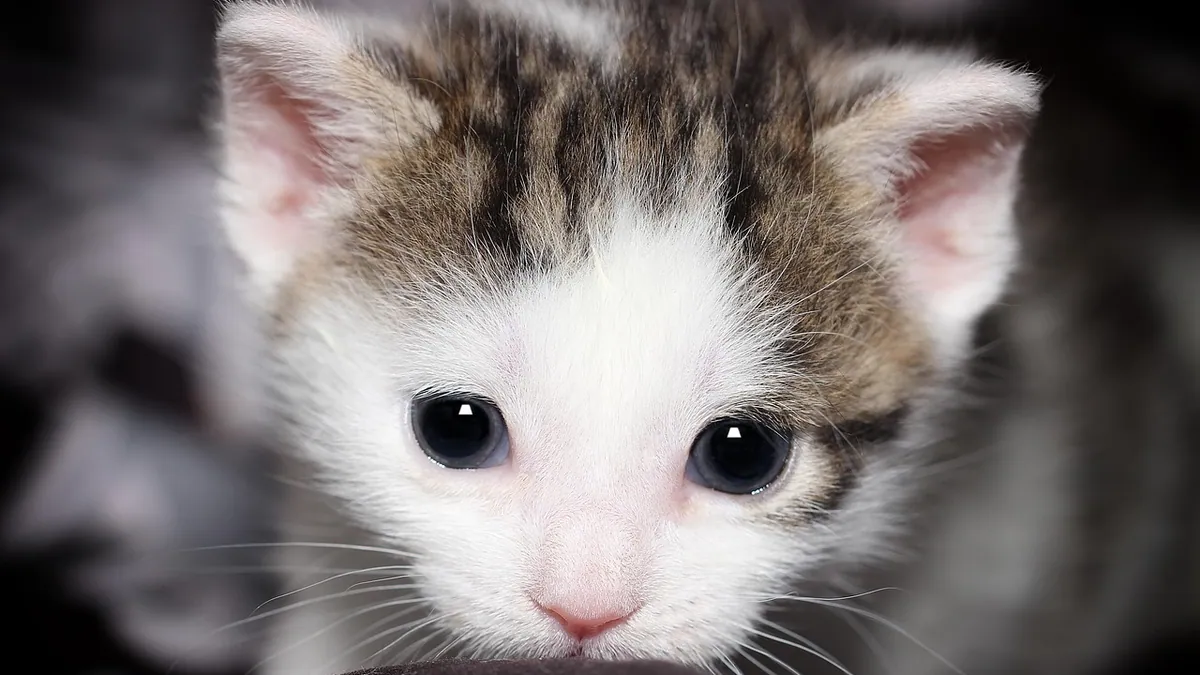
Kittens usually smell faintly sweet, like clean fur, warm skin, and a little bit like the food or litter they use. A healthy kitten should not have a strong, sour, or rotten odor. If your kitten smells bad, the smell is often a clue about urine, teeth, ears, skin, or digestion. This article is educational and is not a substitute for veterinary diagnosis or treatment.
Quick Answer
- A normal kitten smells mild and clean, with no lingering odor after grooming.
- Kitten urine has a distinct "catty" odor from sulfur-containing compounds, and it should not smell sweet, fruity, or like ammonia overload [1].
- A bad smell that stays on the coat, breath, ears, or rear end is not normal and deserves a vet check.
- Kittens use smell to identify people and other cats, so a sudden change in your kitten's own odor matters [2].
- Never use human soaps, perfumes, or essential oils to cover a kitten's smell, because these can be toxic to cats.
What Do Kittens Smell Like Normally?
A healthy kitten has a soft, neutral scent. If you bury your nose in their fur, you may notice warmth, a hint of their bedding, and a faint musky note from skin oils. That smell fades within minutes after grooming.
Kitten breath should be nearly odorless. A little food smell right after eating is fine. Constant bad breath is not.
Kitten urine has a specific odor. Normal cat urine contains sulfur-containing odorants that people describe as "catty" [1]. This is a normal part of cat urine, not a sign of illness by itself. What matters is strength, frequency, and any change from your kitten's usual smell.
Kitten poop smells like poop. It should not smell so strong that it fills a room, and it should not be greasy, bloody, or covered in mucus.
A kitten's rear end and tail area should smell clean. If the back end smells fishy or foul, that often points to anal gland or stool issues.
What Does Kitten Pee Smell Like?
Normal kitten pee has a sharp, ammonia-like or catty odor [1]. The smell comes from felinine, an amino acid that breaks down into sulfur-containing compounds [1]. This is why cat urine smells different from dog or human urine.
Several things change how strong kitten pee smells.
- Concentration. First-morning urine is more concentrated and smells stronger.
- Litter type. Some litters mask odor better than others.
- Hydration. A kitten who drinks well produces more dilute, less smelly urine.
- Time in the box. Urine that sits and breaks down releases more ammonia.
One finding is worth knowing. Cats with advanced kidney disease often have weaker urine odor, not stronger, because they excrete less felinine [1]. So a kitten with very dilute, nearly odorless urine and increased drinking could have a kidney problem, not a clean bill of health.
Signs that pee odor is a problem include urine that smells sweet or fruity, urine that smells rotten, or a kitten who cries while urinating. Those need a vet visit.
Is It Normal for Kittens to Smell Bad?
No. A healthy kitten should not smell bad. If your kitten smells bad, the odor usually comes from one of a few sources. The table below lists the most common causes and how quickly you should act.
| Cause | Typical clues | How urgent |
|---|---|---|
| Urine on the coat | Ammonia smell, wet or stained fur on belly or back legs, litter box accidents | See a vet within 24 to 48 hours |
| Dental or mouth problems | Bad breath, drooling, dropping food, red gums, tartar | Routine visit soon, same day if not eating |
| Ear infection | Yeasty or musty smell from one or both ears, head shaking, ear scratching, dark discharge | See a vet within a few days |
| Skin infection or yeast | Sour or musty smell on the body, greasy coat, redness, itching, hair loss | See a vet within a few days |
| Anal gland or stool problem | Fishy smell near the rear, scooting, soft stool, licking the back end | See a vet within a few days |
| Gut or diet-related odor | Gas, loose stool, strong fecal smell | Routine visit, sooner if diarrhea lasts more than a day |
| Something on the coat | Perfume, cleaner, human food, or a toxic substance | Emergency if you suspect poison |
Some odors come from the environment, not the kitten. A dirty litter box, a damp bed, or a strong household cleaner can make a kitten smell bad. Rule those out first.
Red Flags That Mean Emergency
Some smells point to a problem that cannot wait. Go to an emergency clinic now if you notice any of these.
- Your kitten smells like acetone, nail polish remover, or something sweet and fruity. This can signal a metabolic crisis.
- Your kitten smells like poison, fuel, or a household chemical. Call poison control right away.
- Your kitten is limp, unresponsive, breathing fast, or having trouble breathing.
- Your kitten has not urinated in 12 hours or is straining in the litter box with no urine.
- Your kitten is vomiting repeatedly, has bloody diarrhea, or has a swollen, painful belly.
- Your kitten is not eating, is hiding, or is crying in pain.
For possible poisoning in the United States, call the ASPCA Animal Poison Control Center at (888) 426-4435 or the Pet Poison Helpline at (855) 764-7661. These lines may charge a consultation fee.
Common Causes of Bad Smells in Kittens
Urine and litter box problems
Kittens are still learning litter box habits. A kitten who steps in urine, sits in a wet box, or has diarrhea can carry that smell on their fur. Urine on the coat smells like ammonia and can irritate the skin.
Urinary tract infections, crystals, and kidney problems can also change urine odor. As noted above, cats with advanced kidney disease often have less urinary odor, not more [1]. So both a very strong smell and a very weak smell can be meaningful.
Dental and mouth problems
Kitten breath should be mild. Bad breath in a kitten can come from teething, retained baby teeth, gum inflammation, or an infection. If your kitten has bad breath along with drooling or trouble eating, see a vet. You can read more about this in Why Does My Cat's Breath Smell? and Cat Bad Breath: When Is It a Sign of Illness?.
Ear infections
Ear infections in kittens often have a musty, yeasty, or sour smell. You may see dark brown or black discharge, head shaking, or scratching at one ear. Ear mites can also cause a smell and dark debris. Do not put anything in your kitten's ears unless a veterinarian prescribes it.
Skin and coat problems
A sour or musty body odor can point to a skin infection, yeast overgrowth, or allergies. Ringworm, which is a fungal infection, does not usually smell, but it causes hair loss and scaly patches. Greasy fur and a stale smell can also come from a kitten who cannot groom well because they feel sick.
Gut, diet, and gas
Diet changes, parasites, and food intolerance can cause gas and loose stool. A kitten with gas may have a strong fecal smell and pass gas often. If your kitten has gas along with diarrhea or weight loss, see your vet. For more on this topic, see Why Does My Cat Have Gas?.
Normal body odor changes
Kittens go through growth stages, and their smell can shift slightly with diet, grooming, and environment. A kitten who smells a little different after a food change is usually fine. A kitten who smells bad for more than a day or two is not.
Safe Things You Can Do at Home
While you wait for your appointment, keep your kitten comfortable and avoid making things worse.
- Check the litter box. Scoop it at least once a day and change litter regularly. A clean box removes a common source of odor.
- Wipe the coat gently. Use a warm, damp washcloth with no soap, then dry your kitten. Never use human shampoo, perfume, or essential oils, because many are toxic to cats.
- Look but do not probe. Check the ears, mouth, and rear end for redness, discharge, or swelling. Do not push cotton swabs into the ear canal.
- Keep your kitten hydrated. Fresh water supports normal urine dilution.
- Feed a consistent diet. Sudden food changes can cause gas and loose stool. If you switch foods, do it slowly over several days.
- Separate your kitten from other pets if they are sick. This limits stress and the spread of infection.
- Note the details. Write down when the smell started, where it is strongest, and any other symptoms. This helps your vet.
Do not give your kitten any medication, supplement, or home remedy without veterinary guidance. Doses depend on weight and health, and your veterinarian will calculate the right amount.
What Your Veterinarian Will Check
Your vet will start with a full physical exam. They will check your kitten's mouth, ears, skin, coat, belly, and rear end. They will also ask about diet, litter box habits, and when the smell started.
Depending on what they find, your vet may recommend:
- A urine test to check for infection, crystals, blood, and concentration.
- Blood work to check kidney function, liver values, and blood sugar.
- A fecal test to look for parasites and digestive problems.
- An ear swab to check for mites, yeast, or bacteria.
- A skin scrape or fungal culture if the coat or skin smells bad.
- Dental X-rays if there is a mouth problem.
Your vet will explain what each test looks for and what the results mean for your kitten. Treatment depends on the cause. A urinary infection, an ear infection, and a dental problem all need different care.
Prevention and Monitoring
Good routines keep most odor problems away.
- Keep the litter box clean. One box per cat plus one is a common rule.
- Brush your kitten gently. This spreads skin oils and helps you notice lumps, sores, or smells early.
- Check the ears weekly. Look for redness, discharge, or odor.
- Watch the mouth. Lift the lip and look at the gums and teeth once a week.
- Feed a balanced kitten diet. Sudden changes can upset the gut.
- Schedule vet visits. Kittens need a series of exams and vaccines in their first months.
- Track changes. A new smell that lasts more than a day is worth a call.
Some owners ask about supplements to reduce odor. Research on adult cats shows that certain plant extracts and fibers can change odor compounds from the gut, but these findings come from adult cats and specific products [3][4]. Do not give your kitten a deodorizing supplement unless your veterinarian recommends it.
Limitations and When to Contact a Veterinarian
This article gives general guidance, not a diagnosis. Every kitten is different, and only a veterinarian who examines your kitten can tell you what is wrong.
Contact your veterinarian the same day if your kitten has bad breath, a musty ear smell, a sour coat smell, or urine on the fur that keeps coming back. Call right away if your kitten is not eating, is vomiting, has diarrhea for more than a day, or is straining to urinate.
Go to an emergency clinic now if your kitten is weak, breathing hard, collapsed, having seizures, or if you suspect they touched a poison or toxic plant. Call the ASPCA Animal Poison Control Center at (888) 426-4435 or the Pet Poison Helpline at (855) 764-7661.
A routine visit works for mild, long-standing odors with no other symptoms. Even then, do not wait weeks. Kittens can get sick fast.
Frequently Asked Questions
Why does my kitten smell like maple syrup or sweet fruit?
A sweet or fruity smell is not normal and can point to a metabolic problem. Take your kitten to a veterinarian the same day. Do not wait to see if it goes away on its own.
Can I bathe my kitten to remove a bad smell?
You can spot-clean with a warm, damp washcloth, but avoid full baths unless your vet says it is safe. Kittens chill easily, and human shampoos and essential oils can be toxic. If the smell returns after cleaning, the cause is still there.
Does a kitten's smell change as they grow?
Yes, a kitten's smell can shift slightly with diet, grooming, and environment. A mild change is usually fine. A strong or lasting bad smell is not normal and should be checked.
Is it normal for a kitten's poop to smell very strong?
Some odor is normal, but stool that fills the room, is greasy, or comes with diarrhea is not. Parasites, diet problems, and gut issues can cause this. Bring a fresh stool sample to your vet visit.
My kitten smells bad but seems fine. Should I still call the vet?
Yes, call your vet and describe the smell and where it is strongest. Many problems, such as ear infections and dental disease, start with odor before other signs appear. Early treatment is easier and safer for your kitten.
Related Articles
- Why Does My Cat's Breath Smell?
- Cat Hissing at New Kitten: How Long Will It Last?
- Why Is My Cat Sneezing So Much And Has A Runny Nose
- Why Does My Cat Have Gas?
- Cat Bad Breath: When Is It a Sign of Illness?
- Kitten First Vet Visit: What Should You Expect?
- Why Does My Kitten Stink? Causes and Solutions
- Why Is My Kitten Farting So Much and Smelly?
- Why Does My Cat's Poop Smell So Bad? Causes and Fixes
References
- Reduction of urinary felinine in domestic cats with renal diseases leads to decreased catty odor. The Journal of veterinary medical science, 2025.
- Behavioral responses of domestic cats to human odor. PloS one, 2025.
- Rosemary Extract Reduces Odor in Cats Through Nitrogen and Sulfur Metabolism by Gut Microbiota-Host Co-Modulation. Animals : an open access journal from MDPI, 2025.
- Evaluation of an Electronic Nose Coupled with In Vitro Fecal Fermentation as a Screening Tool for Fecal Odor in Cats. Animals : an open access journal from MDPI, 2026.