Why Does My Puppy Smell Bad Even After a Bath?
By Dr. Zubair Khalid, DVM, MS, PhD ·
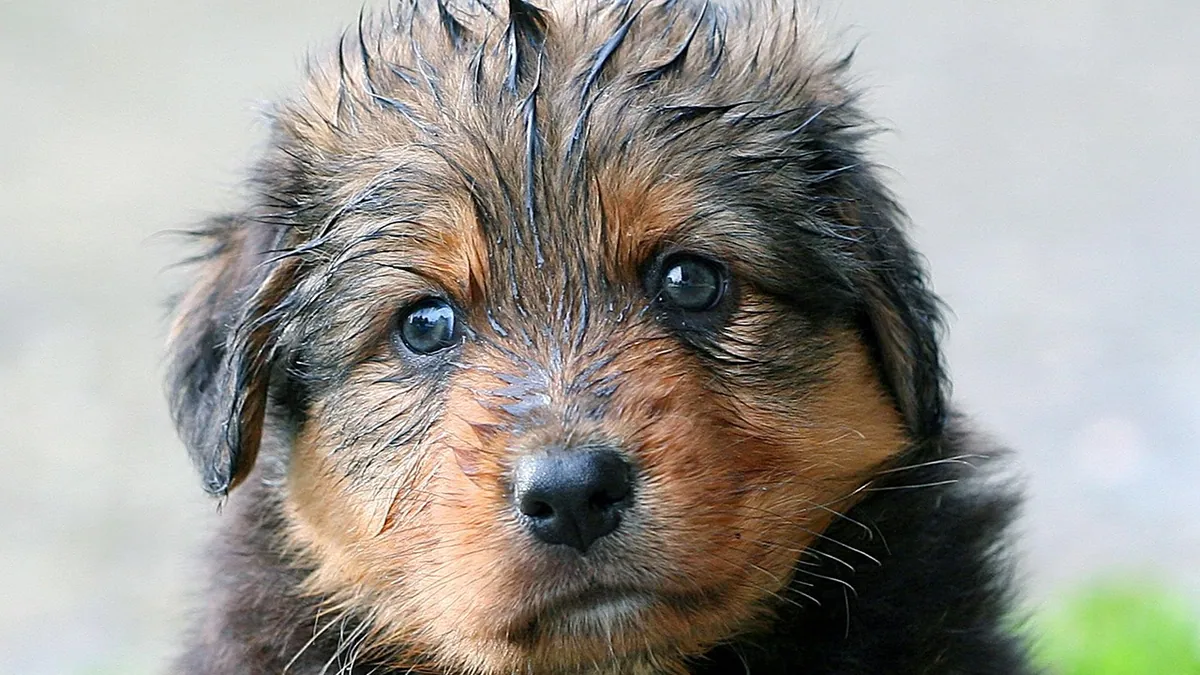
Puppies can still smell bad after a bath because the odor is often coming from a source that shampoo and water cannot reach or fix. Skin infections, ear infections, dental disease, and anal gland problems all keep producing odor even when the coat itself is clean. If your puppy still smells shortly after drying off, the smell is a clue, not a cleaning problem. This article is educational and is not a substitute for veterinary diagnosis or treatment.
Quick Answer
- A bath removes dirt and oil from the coat. It does not treat infections, impacted anal glands, or dental disease, so the smell returns fast when one of those is the cause.
- Yeast and bacterial skin infections often smell musty, sour, or like corn chips. Ear infections often smell yeasty or foul and come with head shaking or ear scratching.
- Dental disease is common in dogs and produces bad breath from odor-causing oral bacteria and volatile sulfur compounds [1].
- Anal gland problems cause a sharp, fishy odor, especially near the tail, and often come with scooting or licking.
- If the smell lasts more than a few days, keeps coming back after bathing, or comes with redness, discharge, pain, or appetite changes, book a veterinary visit.
What a Smelly Puppy Looks Like and What Is Normal
Puppies do not smell like nothing. A healthy puppy has a mild, warm coat odor. That smell should fade after a bath and stay mild for days.
Some puppy odor is expected. Puppies get into everything, they drool, they chew, and they roll in whatever they find outside. A puppy who played in something smelly will smell better after one good bath.
The problem is a smell that survives the bath. That pattern points to a source under the fur or inside the body. Common examples include an ear canal full of yeast, a skin fold that stays damp, a mouth full of tartar, or anal glands that cannot empty.
Location matters. Smell near the head and mouth suggests dental or ear problems. Smell along the back, belly, paws, or skin folds suggests a skin problem. Smell at the rear end suggests anal glands or stool stuck in the hair.
Timing matters too. A smell that appears within hours of a bath is usually coming from the skin or ears. A smell that builds over several days is often dental or anal gland related.
Why Does My Puppy Smell Bad Even After a Bath?
Skin Infections and Skin Conditions
The skin is the most common reason a puppy still smells after bathing. Puppy skin is thin and sensitive, and the coat holds moisture in folds and creases.
Yeast overgrowth on the skin has a distinct musty or yeasty odor. Bacterial skin infections often smell sour or rancid. Both cause itching, redness, scabs, hair loss, or dark thickened skin.
Allergies are a frequent trigger. A puppy with allergies scratches, licks, and chews, which damages the skin barrier and lets yeast and bacteria take over. If your puppy is scratching a lot, see Why Is My Dog So Itchy?.
Bathing too often can make this worse. Frequent baths strip natural oils, dry the skin, and can feed yeast growth. Bathing too rarely lets oil, dirt, and yeast build up. Your veterinarian can tell you the right schedule for your puppy's skin.
Ear Infections
Ear infections are a top cause of odor that a bath cannot fix. The ear canal is deep and curved, so shampoo and water do not clean it.
Signs include head shaking, scratching at one or both ears, redness inside the ear flap, discharge, and pain when you touch the ear. The smell is often yeasty or foul.
Puppies with floppy ears, allergies, or frequent swimming are at higher risk. Never pour water or homemade solutions into the ear canal. Your veterinarian will examine the canal and may test a sample to identify yeast or bacteria.
Dental and Mouth Problems
Bad breath from the mouth is a major source of overall puppy odor. Periodontal disease is common in dogs, and it shows up as halitosis, or oral malodor [1].
The cause is bacteria in the mouth. These microbes break down proteins from food and saliva and produce volatile sulfur compounds, which are the chemicals you smell as bad breath [1]. These compounds are also pro-inflammatory and can worsen gum disease over time [2].
Puppies can have baby teeth that do not fall out, tartar buildup, or gum inflammation. A puppy who smells bad around the face but clean everywhere else likely has a mouth problem. For more on this pattern, see Why Does My Dog Have Bad Breath Suddenly.
Anal Gland Problems
Anal glands sit on each side of the rectum and release a thin, strong-smelling fluid. The odor is sharp and fishy.
If the glands do not empty normally, they become full, impacted, or infected. Signs include scooting on the floor, licking or biting at the rear, straining to poop, and a fishy smell near the tail.
Some puppies need their anal glands expressed by a veterinarian. Do not try this at home unless your veterinarian has shown you how. Doing it wrong can cause pain, bleeding, or infection.
Other Causes
Other reasons a puppy smells bad after a bath include:
- Stool or urine trapped in long hair around the rear end
- Damp skin folds under the neck, in the armpits, or around the tail
- Ear or skin infections that spread to other areas
- Dental disease with infected gums or a broken tooth
- Food or treats stuck in the mouth or between teeth
- A foreign object, wound, or abscess that you have not found yet
Cause Table
| Cause | Typical clues | How urgent |
|---|---|---|
| Yeast or bacterial skin infection | Musty or sour smell, itching, redness, scabs, hair loss | See a vet within a few days |
| Ear infection | Head shaking, ear scratching, discharge, pain, foul smell | See a vet within a few days |
| Dental disease | Bad breath, tartar, red gums, drooling, trouble chewing | See a vet within a few days |
| Anal gland problem | Fishy smell, scooting, rear licking, straining to poop | See a vet within a few days |
| Stool or urine in the coat | Smell near the rear, matted or soiled hair | Bathe and monitor, call if it repeats |
| Abscess or wound | Swelling, heat, pain, pus, one-sided smell | Same day |
| Foreign object in the mouth or nose | Pawing at the face, sneezing, bloody or foul discharge | Same day |
Red Flags That Mean Emergency Care
Most odor problems are not emergencies. Some signs mean you should go now.
Go to an emergency clinic right away if your puppy has:
- Trouble breathing, gagging, or a swollen face or throat
- A swollen, hot, painful area that is growing fast
- A wound with pus, a bad smell, and a fever
- Repeated vomiting or diarrhea with a foul smell and a swollen belly
- Collapse, weakness, or severe pain when you touch the rear end or ear
- A foreign object stuck in the mouth, nose, or throat
Call your veterinarian the same day if your puppy has:
- A smell that appeared suddenly and is getting stronger
- One ear that smells much worse than the other
- Drooling, dropping food, or refusing to chew
- Scooting that does not stop after a bowel movement
- A fever, not eating, or acting tired
Safe Things You Can Do at Home While You Wait
You can help your puppy feel better and give your veterinarian useful information without risking harm.
Keep the Coat Clean and Dry
Bathe with a gentle dog shampoo only as often as your veterinarian recommends. Rinse very well, because leftover shampoo residue can irritate skin. Dry the coat completely, especially in skin folds, under the neck, and around the tail.
Keep the hair around the rear end trimmed short and clean. This reduces odor from stool and urine and helps you see the skin.
Check the Ears and Mouth Gently
Look inside the ear flap. Note redness, discharge, or a bad smell. Do not push anything into the ear canal.
Lift the lip and look at the teeth and gums. Note tartar, red gums, loose teeth, or a bad smell. Do not scrape tartar at home.
Support Dental Health
Daily tooth brushing with dog-safe toothpaste is the best home dental care. Start slowly and use a soft brush or finger brush.
Dental chews and water additives can help, but they do not replace brushing or veterinary care. If your puppy also has gas, see Why Does My Dog Have Bad Breath And Gas.
Watch the Rear End
Check for swelling, redness, or a fishy smell near the anus. Note any scooting or licking. Do not squeeze the anal glands yourself.
If your puppy has gas along with the odor, see Why Does My Dog Have Bad Gas?.
Keep a Simple Log
Write down when the smell started, where it is strongest, how often you bathe, what you feed, and any other signs. Bring this to your appointment. It saves time and helps your veterinarian focus the exam.
What Your Veterinarian Will Check and Test
Your veterinarian will start with a full physical exam. They will check the skin, coat, ears, mouth, teeth, gums, and anal glands. They will also check for wounds, lumps, and swelling.
Depending on what they find, they may recommend:
- Skin testing: tape prep, skin scraping, or cytology to look for yeast, bacteria, or mites
- Ear testing: otoscope exam and a swab sample to identify yeast or bacteria
- Dental exam: probing around teeth and gums, sometimes with dental X-rays
- Anal gland check: manual expression and evaluation of the fluid
- Blood work: to check for underlying conditions, especially if the puppy is not eating or is losing weight
- Allergy testing: if itching and skin infections keep coming back
Treatment depends on the cause. Skin and ear infections usually need medicated shampoos, sprays, or ear medications. Dental disease may need a professional cleaning or tooth extraction. Anal gland problems may need expression, medication, or a change in diet.
Your veterinarian calculates any medication dose from your puppy's weight and health. Do not use human products or leftover pet medications without asking first.
Prevention and Monitoring
Good routines lower the chance of odor problems coming back.
- Brush your puppy's teeth daily with dog-safe toothpaste.
- Dry the ears after swimming or bathing.
- Keep skin folds clean and dry.
- Bathe on a schedule your veterinarian sets for your puppy's coat and skin.
- Feed a complete and balanced diet for your puppy's life stage.
- Keep up with flea, tick, and parasite prevention.
- Check the mouth, ears, skin, and rear end once a week.
- Book routine wellness visits so small problems get caught early.
Dental odor control is an active area of research. A postbiotic product given as a powder topper significantly lowered volatile sulfur compounds in dogs by day 7 of a 14-day trial, and the placebo group's levels rose over the same period [1]. A follow-up study tested a lower dose and found the effect was maintained, which suggests the benefit is reproducible [2]. Other work found that sugar cane polyphenols reduced oral malodor and lowered odor-associated bacteria in dogs [3]. These findings are encouraging, but they do not replace a veterinary dental exam. Ask your veterinarian before adding any supplement.
Limitations and When to Contact a Veterinarian
This article cannot tell you what is causing your puppy's odor. Only an exam and testing can do that. Individual cases need a veterinarian.
Contact your veterinarian the same day for a smell that is getting worse, one-sided ear odor, drooling, trouble chewing, scooting that will not stop, or a puppy who is not eating or acting tired.
Go to an emergency clinic now for breathing trouble, a fast-growing swollen area, a foul-smelling wound with fever, severe pain, collapse, or a foreign object stuck in the mouth, nose, or throat.
Book a routine visit for a smell that keeps returning after baths, mild itching, mild bad breath, or a fishy odor near the tail. Early treatment is easier, cheaper, and kinder than waiting.
Frequently Asked Questions
Why does my puppy smell bad even after a bath?
The odor is usually coming from a place a bath cannot reach or fix, such as the skin, ear canals, mouth, or anal glands. Bathing removes surface dirt and oil, but it does not treat an infection or empty impacted glands. If the smell returns within hours, the source is likely under the coat or inside the body.
Why does my puppy smell so bad all of a sudden?
A sudden strong smell often means an infection started or an anal gland became impacted. Ear infections, skin infections, and anal gland problems can all appear quickly. A sudden fishy smell near the tail or a sudden yeasty smell from one ear are common patterns. Have your veterinarian check it soon.
Can I just bathe my puppy more often to fix the smell?
No. Bathing more often can dry the skin, strip natural oils, and make yeast and bacterial problems worse. Use only the schedule and shampoo your veterinarian recommends. If the smell returns right after a bath, the problem is not the coat.
Does bad breath mean my puppy has dental disease?
Bad breath is a common sign of dental disease, and periodontal disease is widespread in dogs [1]. Oral bacteria break down proteins and release volatile sulfur compounds, which cause the smell and can also drive inflammation in the gums [1][2]. A veterinary dental exam is the only way to know how much disease is present.
How long should I wait before calling the vet?
Call within a few days for a smell that keeps coming back after bathing, mild itching, or mild bad breath. Call the same day for a smell that is getting worse, one-sided ear odor, drooling, trouble chewing, or scooting that will not stop. Go to an emergency clinic right away for breathing trouble, a fast-growing swelling, a foul-smelling wound with fever, or severe pain.
Related Articles
- Why Does My Dog Have Bad Breath Suddenly
- Why Does My Dog Have Bad Breath And Gas
- Why Does My Dog Have Bad Gas?
- Why Is My Dog Peeing So Much?
- Why Is My Dog So Itchy?
- Dog Hair Loss After Puppies: Causes and What to Do
- What Do Puppies Smell Like and Why?
- What Causes Dog Odor? Body, Breath, and House Smells
References
- A Novel Postbiotic Reduces Canine Halitosis. Animals : an open access journal from MDPI, 2025.
- Canine Halitosis Improved With a Postbiotic: A Validation Study. Journal of veterinary dentistry, 2026.
- The Control of Canine Halitosis By Sugar Cane Polyphenols: Effects and Potential Mechanisms. Journal of agricultural and food chemistry, 2026.