Is Conjunctivitis in Cats Contagious? What to Know
By Dr. Zubair Khalid, DVM, MS, PhD ·
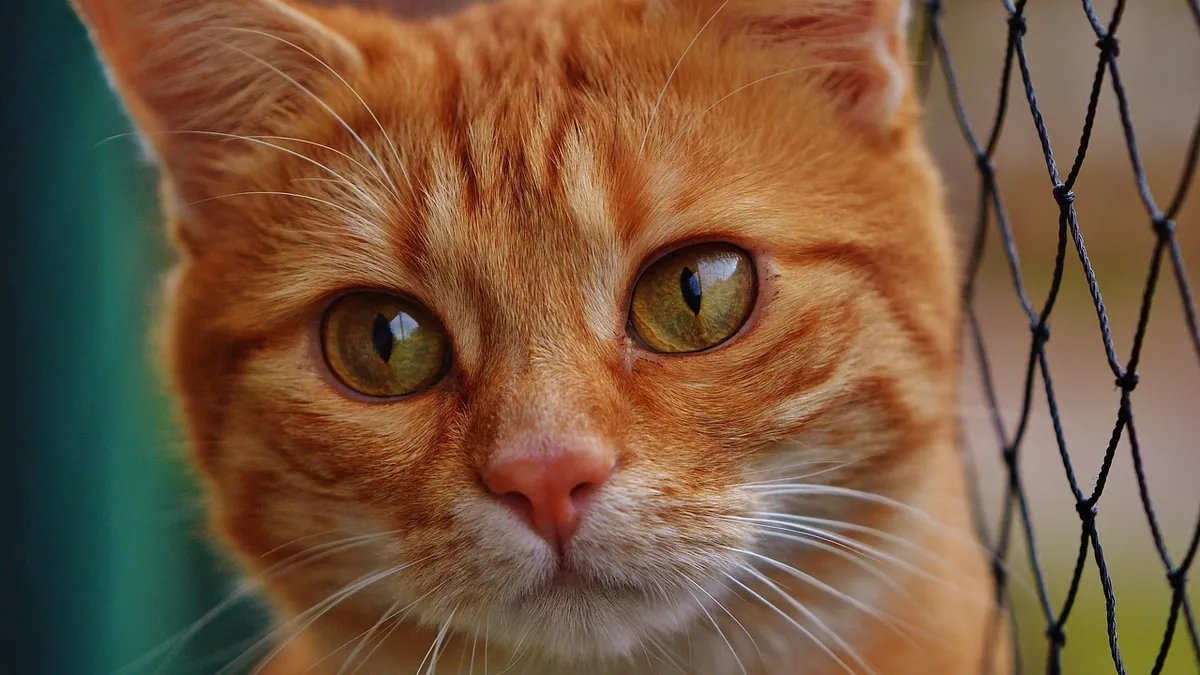
Conjunctivitis in cats is contagious when the cause is an infectious organism, which covers most cases in kittens and shelter cats. The bacteria and viruses behind the common forms spread readily to other cats through direct contact and shared objects. Some causes, though, are not contagious at all, including allergies, injuries, and irritants.
This article is educational and is not a substitute for veterinary diagnosis or treatment.
Quick Answer
- Viral and bacterial causes of feline conjunctivitis are contagious to other cats, and feline herpesvirus-1 spreads through direct or indirect contact with secretions from infected cats [1].
- Chlamydial conjunctivitis is contagious too, and untreated cats can spread the infection to other cats for months after an infection [2].
- Not every case spreads. Allergies, insect bites, trauma, and foreign objects cause conjunctivitis that cannot pass to another cat [3].
- Keep an affected cat separated from other cats until your veterinarian confirms the cause and clears the cat, since the contagious window varies by organism.
- A cat that squints, holds an eye closed, or has a cloudy eye needs to be seen the same day, because conjunctivitis can progress to corneal damage.
What Is Conjunctivitis in Cats?
The conjunctiva is a thin membrane that lines the inside of the eyelids and extends over the white of the eye [3]. It helps make tears, protects the eye from invaders, and supports healing of the cornea after injury [3]. Conjunctivitis is simply inflammation of that membrane.
It is the most common of all feline eye disorders, and many cats will have at least a mild episode at some point in their lives [4]. The conjunctiva also carries antibodies that help ward off some eye infections, but several microorganisms that cats commonly carry can still trigger the inflammatory response behind most cases [4].
When owners ask whether conjunctivitis in cats is contagious, the honest answer is that it depends on the cause. The eye looks similar no matter what started it, so the cause has to be identified before anyone can say whether other cats in the home are at risk.
Signs Owners Notice
The signs of conjunctivitis are usually easy to spot once you know what to look for.
- Clear or colored discharge from one or both eyes [2]
- Reddened, swollen conjunctiva [2]
- Squinting, blinking, or holding an eye partly closed
- Pawing at the face or rubbing the eye against furniture
- Discharge from the nose and sneezing, which often accompany the eye signs [2]
- A dull or cloudy look to the surface of the eye
Signs of chlamydial infection tend to be most severe 9 to 13 days after onset and then subside over 2 to 3 weeks, though some cats have signs that last for weeks despite treatment, and recurrence is not uncommon [2].
If your cat has eye discharge along with sneezing or nasal discharge, the problem may involve more than the eye alone. You can read more about that pattern in Why Is My Cat having eye discharge? Herpesvirus Chlamydia and Conjunctivitis.
Causes and Risk Factors
Which Causes Are Contagious to Other Cats?
Feline herpesvirus-1 is a major pathogen that causes viral rhinotracheitis, pneumonia, and ocular disease, and it spreads through direct or indirect contact with secretions from infected cats [1]. About 80 percent of infected cats establish lifelong latent infections, which means a cat can carry the virus quietly and shed it again later during stress or illness [1].
Chlamydia felis and Chlamydia pneumoniae bacteria cause significant eye infections in cats, and the disease is sometimes called feline pneumonitis, a misleading name because these bacteria rarely cause pneumonia [2]. Most affected cats are less than a year old [2]. Untreated cats can spread the infection to other cats for months after an infection [2].
Mycoplasma species also show up in cats with upper airway disease. In one study, Mycoplasma species were found in 28.3 percent of cats with rhinitis compared with 5.4 percent of healthy controls, and Mycoplasma felis was found in 21.7 percent of rhinitis cases but in none of the healthy cats [5]. Feline herpesvirus was also more common in cats with rhinitis, at 39.1 percent versus 8.1 percent [5].
Which Causes Do Not Spread?
Several causes of conjunctivitis cannot pass from cat to cat.
- Allergic reactions, including reactions to insect bites, which are treated with topical corticosteroids and usually heal rapidly [3]
- Trauma to the eye or eyelids
- Foreign material trapped under the eyelid
- Ruptured blood vessels beneath the conjunctiva, which can follow trauma, a blood disorder, or certain infectious diseases [3]
- Swelling linked to low blood protein levels [3]
Risk Factors for the Contagious Forms
Age is a major factor. Most cats with chlamydial conjunctivitis are under a year old [2]. Crowded conditions raise risk as well. In a shelter population of 50 cats, 44 percent tested positive for Chlamydophila by PCR, and the findings pointed to upper respiratory tract infections as a common context for the infection [6]. Stress, shared food and water bowls, and close contact with an infected cat all increase the chance of spread.
How Contagious Conjunctivitis Spreads
Direct contact with eye or nose secretions is the main route. Indirect contact matters too, since the organisms can ride on hands, bedding, bowls, toys, and grooming tools. Feline herpesvirus-1 is transmitted through direct or indirect contact with secretions from infected cats [1].
That is why a new kitten with watery eyes can set off a chain of infections in a multi-cat home within days. It is also why washing your hands between cats makes a real difference.
How Veterinarians Diagnose It
Your veterinarian can confirm chlamydial infection by taking a smear from the conjunctiva and finding the organism on laboratory tests or under a microscope [2]. Identifying the organism matters because it guides effective treatment [2].
Expect a full eye exam, including a check for corneal ulcers with a stain, since herpesvirus and other causes can damage the cornea. A veterinarian may also test for feline herpesvirus, calicivirus, and other respiratory pathogens, especially when sneezing and nasal discharge are part of the picture [5]. If there is no history or evidence of trauma, a complete examination helps find the cause of spontaneous bleeding under the conjunctiva [3].
Treatment Options
Treatment depends entirely on the cause, which is why a diagnosis comes first.
For chlamydial infection, veterinarians prescribe antibiotics, often as eye ointment, sometimes with oral medication. The full course matters, because untreated cats can keep spreading the infection for months [2].
For feline herpesvirus, treatment focuses on antiviral medication and supportive eye care. In one report, two young cats with herpesvirus-related corneal ulcers were treated with oral antiherpesvirus medication and hyaluronic acid eye drops [7]. Your veterinarian will calculate any dose from your cat's weight and health.
For allergic or insect-bite related swelling, topical corticosteroids are often used and the eye usually heals rapidly [3]. Never use a steroid eye drop on a cat without a veterinary exam, because steroids can worsen a corneal ulcer caused by herpesvirus.
General supportive care includes keeping the eye clean, using a warm damp cloth to remove discharge, and preventing your cat from scratching the eye. A cone may be needed. If you want to understand what you can safely do at home while waiting for an appointment, see What Can You Do For Cat Conjunctivitis. For a closer look at product choices and why many human eye drops are unsafe for cats, read What To Use For Conjunctivitis In Cats.
| Cause | Contagious to other cats? | Typical treatment focus |
|---|---|---|
| Feline herpesvirus-1 | Yes, direct and indirect contact [1] | Antiviral medication, eye support [7] |
| Chlamydia felis | Yes, can spread for months if untreated [2] | Antibiotics, full course [2] |
| Mycoplasma species | Likely, seen with upper airway disease [5] | Antibiotics chosen by your vet |
| Allergies or insect bites | No [3] | Topical corticosteroids [3] |
| Trauma or foreign object | No | Remove cause, treat injury |
Recovery, Outlook, and Long-Term Management
Most uncomplicated cases improve within a few weeks. Chlamydial signs peak 9 to 13 days after onset and then subside over 2 to 3 weeks, but some cats have signs that last for weeks despite treatment, and recurrence is not uncommon [2].
Herpesvirus is a lifelong issue for many cats. About 80 percent of infected cats establish latent infections, so the virus can reactivate during stress, illness, or changes at home [1]. That means flare-ups may return, and long-term management often means reducing stress, keeping vaccinations current, and treating episodes early.
If your cat has repeated episodes, keep a simple log of when they happen and what changed in the household. That record helps your veterinarian spot triggers and adjust the plan.
Prevention
Prevention starts with limiting exposure.
- Isolate a new cat or kitten from resident cats until a veterinarian has checked the eyes and airways.
- Wash your hands after handling a cat with eye or nose discharge.
- Do not share bowls, bedding, or toys between an affected cat and healthy cats.
- Keep vaccinations current, since vaccines reduce the severity of herpesvirus disease and help limit transmission [1].
- Reduce stress in multi-cat homes with enough litter boxes, feeding stations, and resting spots.
- Clean discharge from your cat's eyes with a fresh cloth or cotton pad, and do not reuse it on another cat.
If you are unsure whether your cat's eye problem needs immediate care, Is Cat Conjunctivitis An Emergency walks through the warning signs. For over-the-counter options and their limits, see Cat Conjunctivitis Treatment Over The Counter.
Limitations and When to Contact a Veterinarian
No article can tell you what is causing your cat's eye problem. Only a veterinarian who examines your cat can do that, and individual cases always need that exam.
Contact a veterinarian the same day if your cat:
- Squints or holds an eye closed
- Has a cloudy or blue-tinged eye
- Has thick yellow or green discharge
- Has not improved after a few days of home cleaning
- Is a kitten under a year old with new eye signs
Seek emergency care right away if your cat:
- Suddenly cannot see or bumps into objects
- Has a bulging eye or a eye that looks different in size from the other
- Has heavy bleeding under the conjunctiva after trauma [3]
- Is in obvious pain, crying, or refusing to eat
- Has a corneal ulcer that appears to be getting worse
Call your veterinarian or an emergency clinic before using any eye product made for people. Some contain ingredients that can harm a cat's eye.
Frequently Asked Questions
Can my other cats catch conjunctivitis from my cat?
Yes, if the cause is viral or bacterial. Feline herpesvirus-1 spreads through direct or indirect contact with secretions from infected cats [1], and chlamydial infection can spread to other cats for months if it goes untreated [2]. Keep the affected cat separated and ask your veterinarian when it is safe to reintroduce them.
How long should I isolate a cat with conjunctivitis?
The right length depends on the cause, so ask your veterinarian for a specific timeline. Chlamydial infections can remain contagious for months without treatment [2], while herpesvirus can reactivate later even after signs fade [1]. Isolation usually continues until signs have resolved and your vet confirms the cat is no longer shedding.
Is cat conjunctivitis contagious to people?
The common causes in cats are not considered a routine risk to healthy people. Chlamydia felis is a feline organism, and human infection from a cat is not a typical concern. Still, wash your hands after handling your cat's eyes or face, especially if anyone in the home has a weakened immune system.
Can conjunctivitis go away on its own?
Mild cases sometimes improve without treatment, but you cannot tell from looking whether the cause is a virus, bacteria, allergy, or injury. Chlamydial signs can last for weeks and recur even with treatment [2], and herpesvirus can damage the cornea. Have any new eye problem checked instead of waiting it out.
Do I need to treat all my cats if one has conjunctivitis?
Not necessarily, but all cats in the home should be watched closely for signs. Your veterinarian may recommend testing or treatment for exposed cats, depending on the cause and how much contact they had. Separate bowls, bedding, and litter boxes during the contagious period.
Related Articles
- Is Cat Conjunctivitis An Emergency
- What Can You Do For Cat Conjunctivitis
- What To Use For Conjunctivitis In Cats
- Why Is My Cat having eye discharge? Herpesvirus Chlamydia and Conjunctivitis
- Cat Conjunctivitis Treatment Over The Counter
- Cat Viral Conjunctivitis Treatment
- Conjunctivitis in One Eye: How Cats Get It
- Is Feline Herpes Contagious to Other Cats? What to Know
- Conjunctivitis in Dogs: Causes, Contagion, and Treatment
- Feline Respiratory Infections: Etiology, Zoonotic Potential, and Contagion
References
- Detection of neutralizing antibody to Feline herpesvirus type 1 in cat serum. Comparative immunology, microbiology and infectious diseases, 2025.
- Chlamydial Conjunctivitis in Cats (Feline Pneumonitis) - Cat Owners. Merck Veterinary Manual.
- Disorders of the Conjunctiva in Cats - Cat Owners. Merck Veterinary Manual.
- Conjunctivitis. Cornell University College of Veterinary Medicine.
- EXPRESS: Detection of Mycoplasma species and respiratory pathogens in cats with rhinitis and healthy cats. Journal of feline medicine and surgery, 2026.
- Molecular detection of Chlamydophila felis from conjunctiva of cats infected with conjunctivitis and upper respiratory disease. Open veterinary journal, 2024.
- Corneal Lesions Associated With Feline Herpesvirus-1 Modified Live Vaccine Strain F2 in Two Cats. Case reports in veterinary medicine, 2026.