Conjunctivitis in One Eye: How Cats Get It
By Dr. Zubair Khalid, DVM, MS, PhD ·
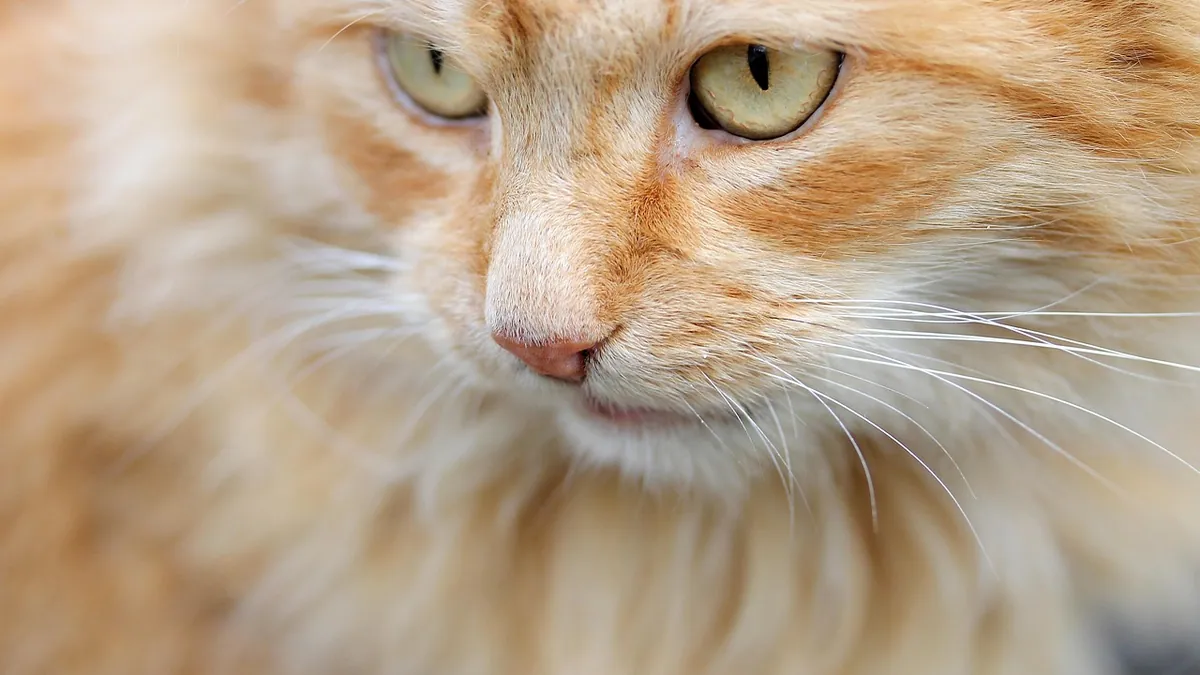
Conjunctivitis in cats one eye usually means a localized problem, such as a herpesvirus flare, a foreign body, or an injury, while both eyes are more often hit by contagious infections or allergies. That difference matters because it changes what your veterinarian looks for and how your cat gets treated. This article is educational and is not a substitute for veterinary diagnosis or treatment.
Quick Answer
- One red, squinty eye in a cat is often caused by feline herpesvirus, a scratch, or something stuck in the eye, not by a simple "cold in the eye."
- Both eyes together more often point to contagious bacterial infections like Chlamydia felis, which usually affect cats under a year old [1].
- Never use leftover or human eye drops, and never give a steroid drop unless your vet has checked the cornea first.
- A cloudy eye, a visible wound, or a cat that will not open the eye at all needs to be seen the same day.
- Your vet will usually stain the eye, check the tear film, and may swab the conjunctiva to identify the organism [1].
What One-Eye Conjunctivitis Looks Like and What Is Normal
The conjunctiva is the thin membrane that lines the inside of the eyelids and covers the white part of the eye. It makes tears, protects the eye from invaders, helps the eye move, and helps the cornea heal after injury [2]. When it is inflamed, you see the classic signs: redness, swelling, squinting, and discharge.
A normal cat eye is clear, bright, and open. There may be a tiny bit of clear or slightly brownish crust in the inner corner after sleep, but the white of the eye should be white, not pink or red. The third eyelid, the pale membrane that slides across from the inner corner, should sit tucked away, not covering part of the eye.
With conjunctivitis in one eye, you typically see one eye that is red, weepy, or held partly closed. The other eye looks normal. Your cat may paw at the face, rub the eye on furniture, or blink more on that side. Discharge can be clear and watery at first, then become thicker and colored.
Swelling of the conjunctival tissue around the cornea happens to some degree with all conjunctivitis, but the most dramatic swelling shows up with trauma, low blood protein, allergic reactions, and insect bites [2]. That is one reason a single swollen eye deserves a close look.
How Do Cats Get Conjunctivitis in One Eye?
This is the heart of the question. A single affected eye narrows the list of likely causes, because many of the contagious agents tend to spread to both eyes over time.
Feline herpesvirus
Feline herpesvirus-1 is a very common cause of one-eye or two-eye conjunctivitis in cats. The virus lives quietly in nerve tissue and flares during stress, illness, or other changes. A flare often starts in one eye and can stay there, especially early on. Signs include redness, squinting, watery or thick discharge, and sometimes small ulcers on the cornea. Cats treated for presumed herpesvirus keratoconjunctivitis can develop local reactions to some antiviral drops, including persistent squinting, discharge, redness, swelling, and rapid darkening of the conjunctiva [3]. That is one more reason to let your vet pick and monitor the medication.
Chlamydia felis and other bacteria
Chlamydial conjunctivitis is an infection of the membrane around the eye caused by Chlamydia felis and Chlamydia pneumoniae bacteria [1]. It usually involves the eye and sometimes the nose, and most affected cats are less than a year old [1]. Signs include clear or colored eye discharge, red and swollen conjunctiva in one or both eyes, nasal discharge, and sneezing [1]. Signs are most severe 9 to 13 days after onset and then fade over 2 to 3 weeks, though some cats have signs for weeks despite treatment, and recurrence is not uncommon [1]. Untreated cats can spread the infection to other cats for months [1]. Because it can start in one eye, a one-eye presentation does not rule it out.
Bacterial conjunctivitis in general is often linked to organisms such as Staphylococcus and Streptococcus, and because these infections can be contagious, keeping the unaffected eye protected matters [4]. In one microbiological survey of cats and dogs with conjunctivitis, about a third of conjunctival swabs grew bacteria, and multiple bacterial types showed up in some animals [5]. That tells you bacteria are a real player, but not the only one.
Foreign bodies, scratches, and trauma
A single eye is the classic pattern for a physical problem. A grass awn, a piece of grit, a claw from another cat, or a chemical splash tends to hit one eye. Ruptured blood vessels under the conjunctiva can follow trauma, a blood disorder, or certain infectious diseases, and if there is no clear history of trauma, your vet will do a full exam to find the cause of the bleeding [2]. Insect bites can cause dramatic swelling around the cornea and usually heal quickly with topical corticosteroids, but other causes need specific therapy [2].
Other causes
Allergies, low blood protein, and some systemic infections can cause conjunctivitis. A case report described chronic one-sided papillary conjunctivitis in a person linked to Rickettsia felis, an organism tied to cat fleas, which shows that even unusual agents can target one eye [6]. In cats, the full list of one-eye causes is not fully settled, and your veterinarian will sort through the likely ones for your cat.
Cause table
| Cause | Typical clues | How urgent |
|---|---|---|
| Feline herpesvirus | One or both eyes, squinting, watery or thick discharge, history of flares, stress trigger | Same-day to routine, depending on pain and corneal involvement |
| Chlamydia felis | Often under 1 year old, eye and nose discharge, sneezing, one or both eyes [1] | Routine to same-day if the cat is lethargic or not eating |
| Foreign body or scratch | Sudden onset in one eye, pawing, heavy squinting, visible wound or cloudiness | Same-day, emergency if the eye is cloudy or bulging |
| Trauma or bite | Swelling, bruising, blood under the conjunctiva, known fight or accident [2] | Emergency if there is bleeding, a wound, or the eye will not open |
| Allergy or insect bite | Rapid swelling, itching, often one eye, may improve quickly [2] | Same-day if severe, routine if mild |
| Bacterial infection | Colored discharge, redness, often contagious [4] | Routine, same-day if the cat seems sick |
Red Flags That Make It an Emergency
Some eye problems can lead to blindness if they are not treated [2]. Go to an emergency clinic right away if you see any of these:
- The eye is cloudy, blue, or has a visible white or yellow spot.
- The eyeball looks bigger than the other one or bulges out.
- The cat holds the eye completely shut and will not let you look.
- There is bleeding, a cut, or a puncture near the eye.
- The cat is crying out, head pressing, or seems in severe pain.
- The cat is lethargic, not eating, vomiting, or has a fever.
- The eye got a chemical splash or a known cat scratch.
- The third eyelid is covering most of the eye and will not retract.
If you are unsure whether it can wait, call your veterinarian or an emergency service. It is better to be told it can wait than to lose an eye.
Safe Things You Can Do at Home While You Wait
You cannot diagnose or cure one-eye conjunctivitis at home, but you can keep your cat comfortable and avoid making things worse. For more on home care, see What Can You Do For Cat Conjunctivitis.
- Keep your cat indoors and away from other cats until your vet has seen the eye.
- Gently wipe away discharge from the outside of the eye with a clean, damp cotton ball or soft cloth. Use a fresh one for each wipe, and wipe away from the eye.
- Do not touch the eyeball, and do not try to remove anything stuck in the eye.
- Do not use human eye drops, leftover antibiotics, or any steroid drop. Steroids can make some infections and ulcers much worse.
- Do not use a cone unless your vet tells you to, but do stop your cat from pawing at the eye if you can do so gently.
- Note the color of the discharge, whether the eye is open, and whether your cat is eating and playing. This helps your vet.
- Wash your hands after handling your cat, especially if you have other cats, because some causes are contagious [4].
If your cat seems painful or the eye looks worse, skip the home care and call your vet. For a broader look at treatment options, see Cat Eye Conjunctivitis Treatment.
What Your Veterinarian Will Check and Test
Your vet will start with a full exam, not just the eye. They will look at both eyes, the eyelids, the third eyelid, the tear film, and the cornea. They will also check the nose, mouth, and lymph nodes, and ask about other cats, recent stress, and whether the eye was injured.
Eye-specific tests
- Fluorescein stain. A yellow dye shows scratches and ulcers on the cornea. This is often done before any steroid is considered.
- Schirmer tear test. A small paper strip measures tear production. Tear samples are also used in research to study inflammation markers like TNF-α and IL-6, which are higher in cats with conjunctivitis [7].
- Conjunctival swab or smear. Your vet can take a sample from the conjunctiva and look for organisms under a microscope or send it to a lab [1]. Identifying the organism matters because it guides effective treatment [1].
- Culture and sensitivity. If bacteria are suspected, a swab can be cultured to see which antibiotics will work [5].
- Corneal or tear tests for herpesvirus. Some vets test for feline herpesvirus-1, especially with recurrent one-eye flares.
What the results mean
If the stain shows an ulcer, the treatment plan changes. Steroids are avoided, and your vet may choose an antiviral or an antibiotic drop. If Chlamydia is found, the vet will treat for that specific organism [1]. If nothing infectious shows up, your vet may look at allergies, tear film problems, or a physical cause like a foreign body.
Tear protein research is still early. One pilot study found antimicrobial and immune-related proteins in cat tears, including lactoperoxidase and lactotransferrin, but no protein was uniquely tied to conjunctivitis [8]. That means tear testing is not yet a routine diagnostic tool, and your vet will rely on the exam and standard tests.
Prevention and Monitoring
You cannot prevent every eye problem, but you can lower the odds and catch trouble early.
- Keep your cat up to date on vaccines and parasite control, and talk to your vet about flea prevention, since cat fleas can carry organisms linked to eye inflammation [6].
- Reduce stress for cats with herpesvirus. Stable routines, plenty of resources, and slow introductions to new pets can help.
- Check both eyes daily if your cat has a history of conjunctivitis. Note which eye is affected and how it looks.
- Isolate a cat with eye discharge from other cats until your vet clears it, because some causes spread easily [1][4].
- Follow your vet's recheck schedule. Delayed healing and other complications are common in feline corneal ulcers, and risk factors include swelling of the conjunctiva at the start and certain treatments [9].
- Never share eye medication between cats or reuse old drops.
If your cat has one red eye that is not improving within a day, or if it is getting worse, call your vet. For help deciding how soon to go, see Is Cat Conjunctivitis An Emergency.
Limitations and When to Contact a Veterinarian
This article cannot tell you what is causing your cat's eye problem. Only a veterinarian who examines your cat can do that, and individual cases need a veterinarian's judgment.
Contact your veterinarian the same day if:
- The eye has been red or squinty for more than 24 hours.
- There is colored discharge.
- Your cat is pawing at the eye or rubbing the face.
- The other eye starts to look red.
- Your cat has a history of herpesvirus and this flare seems worse than usual.
Go to an emergency clinic now if:
- The eye is cloudy, bulging, or bleeding.
- Your cat cannot open the eye at all.
- There is a known injury, chemical exposure, or cat fight.
- Your cat is in severe pain, lethargic, or not eating.
For a routine visit, book an appointment if the eye looks mildly red but your cat is comfortable, eating, and acting normal. Your vet can check the cornea and tear film and decide whether treatment is needed.
Frequently Asked Questions
Can conjunctivitis in one eye spread to the other eye?
Yes, it can. Some causes, including Chlamydia felis and other contagious agents, can involve one or both eyes, and untreated cats can spread infection to other cats for months [1]. Bacterial conjunctivitis is also contagious, so protecting the unaffected eye matters [4]. If the second eye becomes red, call your vet.
Is one-eye conjunctivitis in cats always an infection?
No. A single affected eye often points to a physical cause like a scratch, a foreign body, or trauma, or to a herpesvirus flare. Allergies and insect bites can also cause one-sided swelling [2]. Your vet will check for these before assuming an infection.
Should I use my other cat's eye drops on the affected eye?
No. Never use another pet's medication or leftover drops. The wrong drop can worsen an ulcer or spread infection, and some antiviral drops can cause local reactions like persistent squinting, discharge, and conjunctival changes [3]. Your vet needs to see the eye and pick the right treatment.
How long does one-eye conjunctivitis last in cats?
It depends on the cause. Chlamydial infections are most severe 9 to 13 days after onset and then fade over 2 to 3 weeks, but some cats have signs for weeks despite treatment, and recurrence is common [1]. Herpesvirus flares can also come and go. If the eye is not improving, your vet may need to change the plan.
Can I catch conjunctivitis from my cat?
Some organisms that cause conjunctivitis in cats can infect people, though this is uncommon. Chlamydia felis is a cat-specific strain, but other bacteria and agents can sometimes spread. Wash your hands after handling your cat, keep the cat away from your face, and ask your vet if anyone in the home is immunocompromised.
Related Articles
- What Can You Do For Cat Conjunctivitis
- What To Use For Conjunctivitis In Cats
- Cat Eye Conjunctivitis Treatment
- Cat Conjunctivitis Treatment Pets At Home
- Is Cat Conjunctivitis An Emergency
- Why Is My Cat having eye discharge? Herpesvirus Chlamydia and Conjunctivitis
- Is Conjunctivitis in Cats Contagious? What to Know
- Why Is My Cat Keeping One Eye Closed? Causes and Care
- Why Is My Cat's Eye Red and Watery? Causes and Next Steps
- Feline Herpesvirus 1
References
- Chlamydial Conjunctivitis in Cats (Feline Pneumonitis) - Cat Owners. Merck Veterinary Manual.
- Disorders of the Conjunctiva in Cats - Cat Owners. Merck Veterinary Manual.
- Frequency and Characterization of Local Ocular Toxicity in Cats Treated With Topical Ophthalmic Cidofovir for Presumptive Feline Herpesvirus-1 Infection. Veterinary ophthalmology, 2026.
- Tear Film Osmolarity in Horses With Bacterial Conjunctivitis. Veterinary medicine and science, 2025.
- Microbiological investigation of conjunctivitis in cats and dogs from Kars, Türkiye (2024-2025): culture- and MALDI-TOF MS-based identification and antimicrobial susceptibility testing of bacterial isolates. BMC veterinary research, 2026.
- Chronic papillary conjunctivitis as a novel ocular manifestation of Rickettsia felis infection: A case report. International journal of infectious diseases : IJID : official publication of the International Society for Infectious Diseases, 2026.
- Tear cytokines as potential markers of inflammation in feline conjunctivitis. Veterinary ophthalmology, 2025.
- A Pilot Proteomic Analysis of Tear Fluid in Domestic Cats with and Without Conjunctivitis Using MALDI-TOF/TOF Mass Spectrometry. Animals : an open access journal from MDPI, 2026.
- Spontaneous Superficial Ulcerative Keratitis in Client-Owned Cats: Risk Factors for Delayed Healing, Corneal Sequestration, or Corneal Stromal Vascularization. Veterinary ophthalmology, 2026.