Feline Respiratory Infections: Etiology, Zoonotic Potential, and Contagion
By Dr. Zubair Khalid, DVM, MS, PhD ·
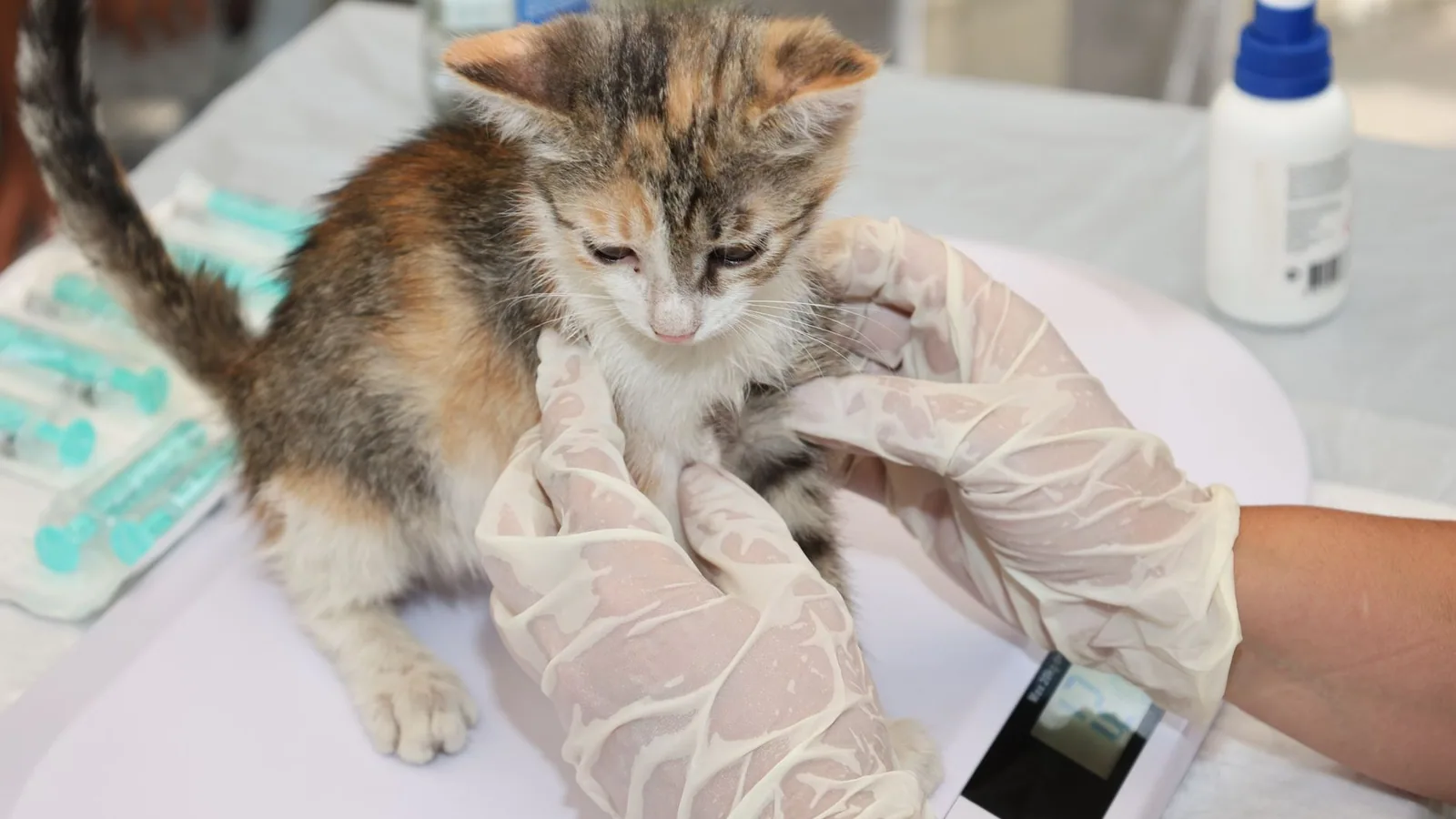
Key Takeaways
- Primary bacterial pathogens causing feline respiratory infections include Bordetella bronchiseptica, Chlamydia felis, and Mycoplasma felis, often acting as primary invaders or secondary opportunists following viral damage.
- Transmission occurs primarily through direct contact with infected respiratory secretions or ocular discharge, and indirectly via contaminated fomites, with aerosolization over short distances being a significant factor in crowded environments.
- Clinical signs range from conjunctivitis and nasal discharge to coughing and dyspnea, with severity dependent on host factors; kittens and immunocompromised cats face higher morbidity and mortality risks.
- Bordetella bronchiseptica and Chlamydia felis pose a zoonotic risk, capable of causing respiratory or ocular infections in immunocompromised humans, necessitating strict hygiene protocols.
- Diagnostic approaches involve PCR for rapid detection of key pathogens like C. felis and B. bronchiseptica, alongside bacterial culture and sensitivity testing for targeted antimicrobial therapy.
- Treatment typically involves doxycycline for C. felis and M. felis, and doxycycline or fluoroquinolones for B. bronchiseptica, often supplemented with supportive care such as nebulization and nutritional support.
Introduction
Feline respiratory infections represent a complex clinical syndrome commonly encountered in veterinary practice. The etiological agents include viruses, bacteria, and fungi, with bacterial pathogens often acting as primary invaders or secondary opportunists following viral damage to the respiratory mucosa [<a href="#ref-1">1</a>]. Understanding the bacterial components of the feline respiratory disease complex is essential for accurate diagnosis, appropriate antimicrobial therapy, and risk assessment regarding interspecies transmission [<a href="#ref-2">2</a>]. This article provides a detailed examination of bacterial etiologies, transmission dynamics, zoonotic considerations, and clinical management of feline respiratory infections, with emphasis on the three core questions: how do cats get respiratory infections, are cat respiratory infections dangerous, and is cat respiratory infection contagious to humans.
Etiology of Bacterial Respiratory Infections in Cats
The primary bacterial pathogens associated with feline upper respiratory tract infections (URTI) include Bordetella bronchiseptica, Chlamydia felis, and Mycoplasma felis [<a href="#ref-1">1</a>, <a href="#ref-3">3</a>]. Additional bacteria recovered from clinical cases include Pasteurella multocida, Streptococcus spp., Staphylococcus spp., and enteric Gram-negative rods such as Escherichia coli, though many of these are considered secondary invaders [<a href="#ref-2">2</a>, <a href="#ref-4">4</a>].
Bordetella bronchiseptica
Bordetella bronchiseptica is a Gram-negative, aerobic coccobacillus that infects the ciliated respiratory epithelium [<a href="#ref-1">1</a>]. It is a primary pathogen in cats and is frequently isolated from kittens in high-density housing conditions such as shelters and catteries [<a href="#ref-3">3</a>]. The bacterium produces adhesins (filamentous hemagglutinin, fimbriae) and toxins (tracheal cytotoxin, dermonecrotic toxin) that impair mucociliary clearance and cause epithelial necrosis [<a href="#ref-5">5</a>].
Chlamydia felis
Chlamydia felis is an obligate intracellular Gram-negative bacterium that primarily causes conjunctivitis in cats, but it can also contribute to mild respiratory signs [<a href="#ref-1">1</a>]. The organism infects epithelial cells of the conjunctiva and upper respiratory tract, inducing a neutrophilic inflammatory response [<a href="#ref-2">2</a>]. C. felis is considered host-adapted to felids but has documented zoonotic potential [<a href="#ref-1">1</a>, <a href="#ref-4">4</a>].
Mycoplasma felis
Mycoplasma felis is a cell wall-deficient bacterium that colonizes the mucosal surfaces of the upper respiratory tract and conjunctiva [<a href="#ref-3">3</a>]. It is frequently isolated from cats with conjunctivitis and chronic upper respiratory signs, often as a co-pathogen with feline herpesvirus-1 (FHV-1) or feline calicivirus (FCV) [<a href="#ref-2">2</a>, <a href="#ref-5">5</a>]. Its small genome and lack of cell wall render it resistant to beta-lactam antimicrobials [<a href="#ref-1">1</a>].
Other Bacterial Species
Pasteurella multocida is a Gram-negative coccobacillus that resides in the oropharynx of healthy cats and can cause respiratory disease when mucosal barriers are breached [<a href="#ref-2">2</a>, <a href="#ref-4">4</a>]. Streptococcal species, particularly Streptococcus equi subsp. zooepidemicus, have been associated with severe pneumonia in cats, especially in outbreak settings [<a href="#ref-1">1</a>]. Anaerobic bacteria such as Fusobacterium spp. and Bacteroides spp. may contribute to abscessation and pleuritis following aspiration or penetrating wounds [<a href="#ref-3">3</a>].
Transmission and Contagion: How Do Cats Get Respiratory Infections?
Understanding how do cats get respiratory infections is fundamental to disease prevention. Bacterial respiratory pathogens are primarily transmitted through direct contact with infected animals via respiratory secretions, ocular discharge, or fomites [<a href="#ref-1">1</a>, <a href="#ref-2">2</a>]. Aerosolization over short distances (within 1 meter) can occur, especially in crowded indoor environments [<a href="#ref-3">3</a>].
Routes of Transmission
- Direct contact: Nose-to-nose contact, mutual grooming, fighting.
- Indirect contact: Contaminated food bowls, water dishes, bedding, litter boxes, and human handlers (fomites).
- Aerosol droplets: Sneezing and coughing generate large droplets that settle on surfaces; true airborne transmission over long distances is rare [<a href="#ref-1">1</a>, <a href="#ref-5">5</a>].
- Vertical transmission: Kittens can acquire Bordetella bronchiseptica from the queen during birth or nursing [<a href="#ref-2">2</a>, <a href="#ref-4">4</a>].
The incubation period for bacterial respiratory infections ranges from 2 to 10 days depending on the pathogen and host immune status [<a href="#ref-3">3</a>]. Cats that recover may become asymptomatic carriers, shedding B. bronchiseptica for weeks and C. felis for months [<a href="#ref-1">1</a>].
Risk Factors
Risk factors for acquisition include young age (kittens less than 1 year), overcrowding, poor ventilation, stress (rehoming, boarding), concurrent viral infections (FHV-1, FCV), and immunosuppression (feline leukemia virus, feline immunodeficiency virus) [<a href="#ref-2">2</a>, <a href="#ref-5">5</a>].
Clinical Signs and Severity: Are Cat Respiratory Infections Dangerous?
The question are cat respiratory infections dangerous must be answered with consideration of host factors and pathogen virulence. Most feline respiratory infections are self-limiting in adult immunocompetent cats, but morbidity and mortality can be significant in kittens, geriatric cats, and immunosuppressed individuals [<a href="#ref-1">1</a>, <a href="#ref-4">4</a>].
Clinical Presentation
- Ocular signs: Conjunctival hyperemia, chemosis, serous to mucopurulent ocular discharge. C. felis classically causes severe chemosis and conjunctivitis [<a href="#ref-2">2</a>].
- Nasal signs: Sneezing, nasal discharge (serous progressing to mucopurulent), nasal congestion, stertor.
- Oral signs: Drooling, oral ulceration (more characteristic of viral causes but can be secondarily infected) [<a href="#ref-3">3</a>, <a href="#ref-5">5</a>].
- Respiratory signs: Coughing (especially with B. bronchiseptica), tachypnea, dyspnea, fever, inappetence.
- Systemic signs: Depression, pyrexia, weight loss, dehydration.
Complications
Severe bronchopneumonia can develop, particularly with B. bronchiseptica and S. zooepidemicus, leading to hypoxia, sepsis, and death if untreated [<a href="#ref-1">1</a>, <a href="#ref-2">2</a>]. Chronic rhinitis and sinusitis may result from persistent infection or turbinate damage. Kittens with concurrent viral infections are at highest risk for fatal outcomes [<a href="#ref-3">3</a>].
Zoonotic Potential: Is Cat Respiratory Infection Contagious to Humans?
The question is cat respiratory infection contagious to humans requires careful differentiation by pathogen. Most bacterial agents of feline URTI are host-adapted and pose minimal zoonotic risk to healthy individuals, but exceptions exist.
Bordetella bronchiseptica
Bordetella bronchiseptica is primarily a pathogen of respiratory epithelia in mammals. It can cause respiratory disease in immunocompromised humans, especially those with preexisting pulmonary conditions or HIV/AIDS [<a href="#ref-1">1</a>, <a href="#ref-4">4</a>]. Transmission from cats to humans has been documented but is rare. Healthy human contacts may experience mild upper respiratory symptoms or carry the organism asymptomatically [<a href="#ref-2">2</a>].
Chlamydia felis
Chlamydia felis can cause conjunctivitis in humans following direct contact with infected ocular secretions [<a href="#ref-1">1</a>, <a href="#ref-3">3</a>]. Human cases are typically mild and self-limiting, but keratoconjunctivitis has been reported in cat owners and veterinary personnel [<a href="#ref-2">2</a>]. Standard hygiene precautions (handwashing, glove use when handling ocular discharges) are recommended [<a href="#ref-4">4</a>].
Pasteurella multocida
Pasteurella multocida is a well-recognized zoonotic pathogen transmitted through bites, scratches, or direct contact with respiratory secretions [<a href="#ref-1">1</a>, <a href="#ref-5">5</a>]. In humans, it can cause localized wound infections, cellulitis, septic arthritis, and respiratory infections (especially in individuals with chronic lung disease) [<a href="#ref-2">2</a>]. However, primary respiratory transmission from cats is not typical; most human infections are traumatic.
Mycoplasma felis
Mycoplasma felis is not considered a zoonotic pathogen; human infections with feline mycoplasmas are exceedingly rare [<a href="#ref-3">3</a>, <a href="#ref-5">5</a>].
Overall, the zoonotic risk of feline respiratory infections is low for immunocompetent humans but should not be disregarded in households with immunocompromised individuals, pregnant women, or very young children [<a href="#ref-1">1</a>, <a href="#ref-4">4</a>].
Diagnostic Approaches
Diagnosis of bacterial respiratory infections in cats relies on clinical examination, cytology, culture, and molecular methods.
Sample Collection
Nasal swabs, conjunctival swabs, oropharyngeal swabs, and bronchoalveolar lavage fluid are appropriate for bacterial culture and PCR [<a href="#ref-1">1</a>, <a href="#ref-3">3</a>]. Swabs with transport medium (e.g., Amies charcoal) are recommended for B. bronchiseptica and C. felis [<a href="#ref-2">2</a>].
Laboratory Methods
- Cytology: Gram stain, Diff-Quik. Presence of intracellular Gram-negative coccobacilli suggests B. bronchiseptica or C. felis [<a href="#ref-4">4</a>].
- Culture: B. bronchiseptica grows on blood agar and MacConkey agar; C. felis requires cell culture or special media (e.g., McCoy cells) [<a href="#ref-1">1</a>, <a href="#ref-5">5</a>].
- PCR: Highly sensitive and specific for C. felis, M. felis, and B. bronchiseptica [<a href="#ref-2">2</a>]. Multiplex respiratory panels can simultaneously detect viral and bacterial targets [<a href="#ref-3">3</a>].
- Serology: Limited utility; rising antibody titers may indicate recent infection but are not used for routine diagnosis [<a href="#ref-1">1</a>].
Diagnostic Decision Tree
flowchart TD
 A["Cat presents with respiratory signs"] --> B{"History and exam"}
 B --> C["Conjunctivitis prominent?"]
 C --> D["Yes: Swab conjunctiva for C. felis PCR"]
 C --> E["No: Proceed to nasal/oral swab"]
 E --> F{"Acute onset, sneezing, fever"}
 F --> G["Suspect viral +/- bacterial: Multiplex PCR panel"]
 F --> H["Chronic, mucopurulent discharge"]
 H --> I["Bacterial culture and sensitivity"]
 D --> J["PCR positive: Treat for C. felis"]
 I --> K["Culture positive: Targeted antibiotics"]
 G --> L["PCR positive for bacteria: Treat accordingly"]
 L --> M["Improving? No: Consider advanced imaging"]
 M --> N["Thoracic radiographs if pneumonia suspected"]
Treatment
Treatment of bacterial respiratory infections should be based on culture and sensitivity results whenever possible [<a href="#ref-1">1</a>, <a href="#ref-4">4</a>]. Empirical therapy is often initiated pending laboratory confirmation.
Antimicrobial Therapy
- B. bronchiseptica: Doxycycline (5 mg/kg PO q12h) or fluoroquinolones (e.g., marbofloxacin, pradofloxacin) are effective [<a href="#ref-2">2</a>, <a href="#ref-3">3</a>]. B. bronchiseptica is inherently resistant to first-generation cephalosporins and penicillins [<a href="#ref-5">5</a>].
- C. felis: Doxycycline is the drug of choice (10 mg/kg PO q24h for 4 weeks) [<a href="#ref-1">1</a>, <a href="#ref-2">2</a>]. Tetracycline eye drops can be used adjunctively for conjunctivitis.
- M. felis: Also responds to doxycycline or fluoroquinolones; macrolides (tylosin) are alternatives [<a href="#ref-3">3</a>, <a href="#ref-4">4</a>].
Supportive Care
- Nebulization with saline to humidify airways.
- Nutritional support: Appetite stimulants or feeding tubes for anorexic cats.
- Ocular lubrication and topical antibiotics for conjunctivitis [<a href="#ref-1">1</a>].
- In severe pneumonia: Oxygen therapy, intravenous fluids, and intensive monitoring [<a href="#ref-2">2</a>].
Duration
Antimicrobial therapy should continue for at least 2 weeks and for 7 days beyond clinical resolution [<a href="#ref-3">3</a>]. Chronic carriers of C. felis may require extended courses [<a href="#ref-5">5</a>].
Prevention and Control
Prevention relies on reducing transmission and improving host resistance.
Vaccination
Core vaccines for cats include modified live or inactivated products against FHV-1 and FCV; these do not directly target bacteria but reduce viral predisposing factors [<a href="#ref-1">1</a>, <a href="#ref-2">2</a>]. A vaccine for B. bronchiseptica (intranasal) is available in some regions and may reduce clinical severity in high-risk populations [<a href="#ref-3">3</a>].
Biosecurity
- Isolation of newly arrived cats for 10-14 days.
- Good ventilation and reduced stocking density in shelters.
- Disinfection: B. bronchiseptica is susceptible to quaternary ammonium compounds, bleach, and heat [<a href="#ref-1">1</a>, <a href="#ref-4">4</a>].
- Hand hygiene and use of gloves when handling sick cats [<a href="#ref-2">2</a>].
Management of Carriers
Asymptomatic carriers should be identified by PCR and either treated or separated from susceptible animals, especially in breeding catteries [<a href="#ref-3">3</a>, <a href="#ref-5">5</a>].
Conclusion
Feline respiratory infections caused by bacteria such as Bordetella bronchiseptica, Chlamydia felis, and Mycoplasma felis are common and potentially severe, especially in young or immunosuppressed cats. Transmission occurs via direct contact, fomites, and short-range aerosols. Zoonotic risk is low but not zero, with B. bronchiseptica and C. felis posing the greatest concern for immunocompromised humans. Accurate diagnosis through PCR and culture, targeted antimicrobial therapy, and preventive biosecurity measures are essential for clinical management and public health protection. Further reading on related topics is available for Feline Upper Respiratory Infections: Zoonotic Potential and Public Health and Feline Bacterial Respiratory Infections: Etiology and Management.