Is Kennel Cough in Cats Contagious? What Owners Should Know
By Dr. Zubair Khalid, DVM, MS, PhD ·
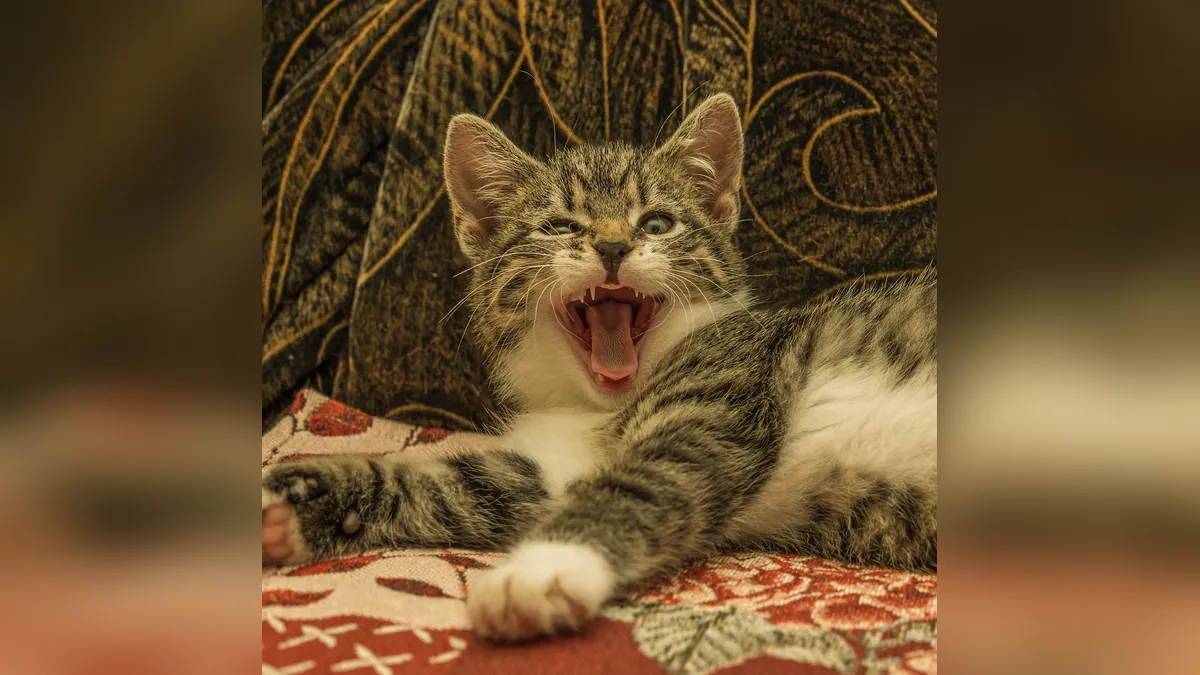
Is kennel cough in cats contagious? Yes. The bacteria most often behind kennel cough in cats, Bordetella bronchiseptica, spreads easily between cats in close quarters like shelters and boarding facilities, and it can also pass to dogs. Cats do not get the classic "kennel cough" label the way dogs do, but the infection and the coughing look similar.
This article is educational and is not a substitute for veterinary diagnosis or treatment.
Quick Answer
- Kennel cough in cats is contagious to other cats, especially in shelters, boarding catteries, and multi-cat homes.
- The main cause is Bordetella bronchiseptica, a bacterium that spreads through coughing, sneezing, and shared bowls, bedding, or hands.
- It can spread to dogs too, and in rare cases to people with weakened immune systems.
- Most cats recover with supportive care, but young, old, or sick cats can get worse and need treatment.
- Keep a coughing cat away from other pets until your veterinarian says the cat is no longer shedding the bacteria.
What "Kennel Cough" Means in Cats
Kennel cough is a dog term. In dogs, it describes a mild, self-limiting inflammation of the trachea that spreads fast among dogs kept in close confinement, such as boarding kennels, day care, and veterinary hospitals [1]. The name stuck because outbreaks happen where animals are housed together.
Cats can pick up some of the same germs. Bordetella bronchiseptica is the one owners ask about most. It is a bacterium that can act as a primary pathogen, meaning it can cause disease on its own, not only after a virus weakens the airways [1]. In cats, Bordetella often shows up alongside other respiratory bugs, so a single cause is not always the whole story.
When a cat comes home from a shelter or a boarding stay with a cough, Bordetella is one possibility among several. Feline herpesvirus, feline calicivirus, Mycoplasma species, and Chlamydia species also cause respiratory signs in cats, and they often mix together [2][3].
Signs Owners Notice
A cough is the headline sign, but it is rarely the only one. Cats with Bordetella and other respiratory infections may also:
- Sneezing, sometimes with clear or colored nasal discharge
- Watery or thick eye discharge
- A hoarse meow or a change in voice
- Low energy and less interest in food
- Occasional fever
- A cough that sounds dry and hacking, or wet and productive
Some cats have mild signs and keep eating and playing. Others look dull and stop grooming. The pattern matters. A cough that starts a few days after a shelter or boarding stay is a common story.
If your cat is sneezing and coughing together, our guide on why your cat may be sneezing so much and coughing walks through the common causes. A dry, hacking cough on its own is covered in dry cough in a cat.
Causes and Risk Factors
The main germ
Bordetella bronchiseptica is the bacterium most linked to kennel cough in both dogs and cats. In dogs, it can be a primary pathogen, and co-infections with canine parainfluenza virus and canine adenovirus 2 are common [1]. In cats, Bordetella is detected less often than herpesvirus, calicivirus, and Mycoplasma, but it still causes outbreaks.
A study of shelter-housed cats with eye surface disease found Bordetella in 5.5% of swabs, while Mycoplasma was found in 76.4% and feline herpesvirus in 57.6% [3]. That does not mean Bordetella is harmless. It means it usually travels with other germs.
How it spreads
Bordetella spreads through respiratory droplets from coughing and sneezing. It also spreads on shared items: food bowls, water bowls, bedding, toys, and human hands. Close housing raises the risk. In dogs, the illness spreads rapidly among susceptible animals housed in close confinement [1]. The same principle applies to cats in shelters and boarding catteries.
Stress and poor ventilation, plus extremes of temperature and humidity, increase susceptibility to and severity of kennel cough in dogs [1]. Cats in crowded, stressful housing likely face similar pressure on their defenses.
Who is most at risk
- Cats recently adopted from a shelter or rescue
- Cats that stayed in a boarding cattery
- Cats in multi-cat homes or foster setups
- Kittens, senior cats, and cats with other illnesses
- Cats with feline herpesvirus or calicivirus, which can flare under stress
Can it spread to dogs or people?
Yes, Bordetella bronchiseptica can infect dogs, and dogs can pass it back to cats. This is one reason a coughing cat should be kept away from dogs in the house.
Human infection is rare. Bordetella pertussis, the germ behind whooping cough in people, is a different species, and pertussis remains a major human disease despite widespread vaccination [4]. Bordetella bronchiseptica is not the same organism, but people with weakened immune systems can occasionally pick it up from pets. If someone in your home is immunocompromised, tell your veterinarian and your physician.
Raw pet food is another topic that comes up. A 2026 report found Bordetella hinzii, a rare opportunistic respiratory pathogen in humans, in commercially available raw meat diets for cats in the United Kingdom [5]. This is a different Bordetella species from the one behind kennel cough, and the finding is early. It is a reminder that raw diets carry bacterial risks, especially for immunocompromised people [5].
How It Is Diagnosed
Your veterinarian starts with the history. When did the cough start? Was there a shelter stay or boarding visit? Are other pets coughing?
Then comes the physical exam. The vet listens to the lungs and trachea, checks the eyes and nose, and takes the cat's temperature.
Testing may include:
- Nasal or throat swabs sent for PCR testing, which looks for bacterial and viral DNA
- Conjunctival swabs if the eyes are affected
- Blood work to check overall health and inflammation
- Chest X-rays if the vet suspects pneumonia
PCR panels often test for several pathogens at once. One study used PCR to check for Mycoplasma species, feline herpesvirus, feline calicivirus, Bordetella bronchiseptica, and Chlamydia species in cats with rhinitis and in healthy cats [2]. This kind of panel helps sort out which germ or germs are involved.
Diagnosis is not always clear-cut. A positive swab shows the germ is present, but it does not prove it is the only cause. Many cats carry more than one pathogen at once [2][3].
Treatment Options
Most cats with mild kennel cough need supportive care, not heavy medicine.
Supportive care at home
- Keep the cat warm, quiet, and away from other pets
- Offer soft, smelly food to encourage eating
- Wipe away eye and nose discharge with a damp cloth
- Use a humidifier or run a warm shower to ease congestion
- Keep the air free of smoke, strong cleaners, and dust
Do not give human cough syrups, pain relievers, or leftover antibiotics. Some are toxic to cats. Your veterinarian will tell you what is safe.
Antibiotics
If Bordetella is confirmed or strongly suspected, your veterinarian may prescribe an antibiotic. The choice and dose depend on your cat's weight, age, kidney and liver health, and other medicines. Your vet calculates the dose for your pet. Never guess a dose or reuse a prescription from another pet.
Other medications
Some cats need fluids, appetite support, or eye drops. Cats with severe breathing trouble may need oxygen or hospitalization. If a virus like herpesvirus is driving the flare, the vet may address that separately.
What about the dog version?
If you also have a coughing dog, do not assume the same treatment fits both. Dog and cat doses differ, and some drugs are unsafe for one species. Our article on symptoms of kennel cough in dogs and home remedies covers the dog side.
Recovery, Outlook, and Long-Term Management
Most cats with mild respiratory infections improve over one to two weeks with supportive care. Some coughs linger a bit longer. The outlook is good for otherwise healthy adult cats.
Kittens, senior cats, and cats with chronic conditions can take longer to recover and are more likely to develop complications like pneumonia. In dogs, kennel cough can progress to bronchopneumonia in puppies or to chronic bronchitis in debilitated adult or aged dogs [1]. Cats with Bordetella can also worsen, so watch closely.
Isolation rules
Keep your coughing cat away from other cats and dogs until your veterinarian confirms the cat is no longer contagious. A separate room with its own bowls, litter box, and bedding works well. Wash your hands after contact. Do not let the coughing cat share toys or blankets with healthy pets.
There is no single test that says "all clear" on a set day. Your vet will base the decision on how long signs have been gone and how the cat looks overall. Ask before you reintroduce pets.
Long-term management
Some cats carry herpesvirus for life, and stress can trigger flare-ups. Keeping a routine, reducing crowding, and treating other health problems helps. If your cat has repeated coughing episodes, your vet may look for asthma, heart disease, or other causes beyond infection.
| Situation | What to do | Why |
|---|---|---|
| Cough started after shelter or boarding | Call your vet within a day or two | Recent group housing raises infection risk |
| Mild cough, cat eating and playful | Isolate at home, monitor, book a routine visit | Many mild cases improve with supportive care |
| Cough plus trouble breathing | Emergency visit now | Airway or lung disease can worsen fast |
| Cough plus no eating for 24 hours | Same-day vet visit | Dehydration and weight loss add risk |
| Other pets in the home | Separate them and watch for signs | Bordetella spreads between cats and dogs |
Prevention
Prevention comes down to reducing exposure and keeping your cat's defenses strong.
- Limit contact with unknown cats, especially in crowded settings
- Ask boarding facilities about their cleaning and vaccination rules
- Keep stress low during boarding with familiar bedding and scent
- Isolate new cats for a period your veterinarian recommends before mixing them with resident cats
- Stay current on core vaccines, and ask your vet whether a Bordetella vaccine fits your cat's lifestyle
- Feed a balanced diet and manage other illnesses
- Wash hands and bowls often if you handle multiple cats
Vaccination for Bordetella is not routine for every cat. It is more common for cats in shelters, breeding groups, or frequent boarding situations. Your veterinarian will weigh the risk for your cat.
Limitations and When to Contact a Veterinarian
This article gives general information. Your cat's case needs a veterinarian who can examine the cat, run tests if needed, and set treatment.
Call your veterinarian the same day if your cat:
- Has a cough that started within two weeks of a shelter or boarding stay
- Is sneezing, has eye or nose discharge, or has a hoarse meow
- Is eating less or hiding more than usual
- Lives with other cats or dogs that could be exposed
Go to an emergency clinic now if your cat:
- Breathes with an open mouth, or the belly moves hard with each breath
- Has blue or pale gums
- Collapses, seems weak, or cannot stand
- Has a cough that keeps getting worse over hours
- Is a kitten or senior cat with sudden heavy breathing
Book a routine visit if your cat:
- Has had a mild cough for more than a few days
- Recovers but coughs again weeks later
- Needs a vaccine plan or boarding advice
Frequently Asked Questions
Can my cat give kennel cough to my dog?
Yes, Bordetella bronchiseptica can pass between cats and dogs. Keep a coughing cat away from dogs in the home, and watch the dog for coughing or sneezing. Call your veterinarian if the dog develops signs.
How long after exposure will my cat start coughing?
The incubation period varies, and it is not well established for every cat. Signs often appear within a few days to about a week after exposure. A cough that starts soon after a shelter or boarding stay fits this pattern.
Do I need to isolate my cat from other cats?
Yes, isolate the coughing cat until your veterinarian says it is safe to mix again. Use separate bowls, litter, and bedding, and wash your hands between pets. Bordetella spreads through droplets and shared items.
Can I catch kennel cough from my cat?
It is rare, but people with weakened immune systems can occasionally pick up Bordetella bronchiseptica from pets. If you are immunocompromised, tell your veterinarian and your doctor. Good handwashing lowers the risk.
Will my cat need antibiotics?
Not always. Mild cases often improve with supportive care alone. If Bordetella is confirmed or strongly suspected, your veterinarian may prescribe an antibiotic and will calculate the dose from your cat's weight and health.
If your cat is coughing and you are not sure why, our guide on when cat coughing should worry you can help you decide how soon to call.
Related Articles
- Why Is My Cat Sneezing So Much And Coughing
- Cat Coughing Sneezing
- Cat Coughing: When Should You Worry?
- Dry Cough In A Cat
- Symptoms Of Kennel Cough In Dogs Home Remedies
- Dog Kennel Cough Symptoms Come And Go
- Kennel Cough in Cats: Symptoms, Sound, and Treatment
- Can Dogs Get Cat Herpes or Kennel Cough From Cats?
- Is Cat Pneumonia Contagious to Other Cats?
- Bordetella bronchiseptica in Dogs and Cats: Kennel Cough Pathogenesis, Diagnosis, and Control
- Feline Respiratory Infections: Etiology, Zoonotic Potential, and Contagion
References
- Kennel Cough - Respiratory System. Merck Veterinary Manual.
- EXPRESS: Detection of Mycoplasma species and respiratory pathogens in cats with rhinitis and healthy cats. Journal of feline medicine and surgery, 2026.
- Detection of Mycoplasma spp. and feline calicivirus in cats with ocular surface disease. Veterinary ophthalmology, 2024.
- Highlights of the 14th International Bordetella Symposium. mSphere, 2025.
- Bordetella hinzii isolated from samples of commercially available raw pet food for cats in the United Kingdom (SHORT COMMUNICATION). Research in veterinary science, 2026.