Cat Not Opening Its Eye: Causes and What to Do
By Dr. Zubair Khalid, DVM, MS, PhD ·
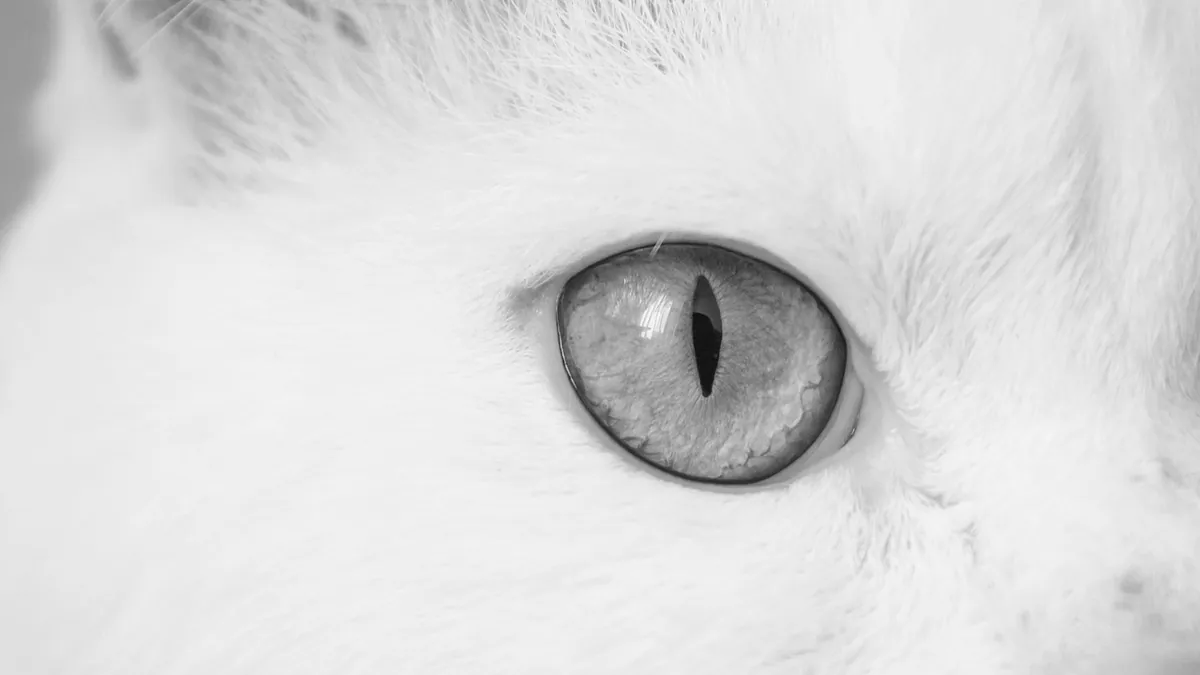
A cat that is not opening its eye is almost always in pain, and the most common serious causes are corneal ulcers, infections, and injuries to the eye surface. A closed or partially closed eye is a protective reflex, so the cat is telling you something hurts. This article is educational and is not a substitute for veterinary diagnosis or treatment.
Quick Answer
- A held-shut eye is a pain sign, not a behavior problem, and it needs a veterinary exam.
- Never put human eye drops or ointments in your cat's eye, some can worsen ulcers or cause serious harm.
- Do not touch, rub, or try to force the eye open, and do not flush it with anything.
- Keep your cat indoors and away from other pets, and prevent pawing at the face with a cone if you have one.
- Call your veterinarian the same day, and go to an emergency clinic now if the eye looks swollen, cloudy, bloody, or the cat is lethargic or not eating.
What a Cat Not Opening Its Eye Looks Like
Normal feline eyes
Cat eyes work much like human eyes and are built from the same basic parts [1]. Cats also have a third eyelid, a thin pale membrane at the inner corner of the eye that helps keep the surface moist, protects it from stray hairs, and can shield the eye during a fight [1]. In a healthy cat, both eyes are open, clear, and about the same size, with no discharge beyond a small amount of sleep in the corners.
Signs that something is wrong
You may see one eye squeezed shut or open only partway. Some cats hold both eyes partly closed when they feel generally unwell. Other clues include squinting, tearing, thick yellow or green discharge, redness, cloudiness, pawing at the face, rubbing the eye on furniture, flinching when you reach toward the head, and a lowered head position. A lowered head is a recognized pain behavior in cats after eye surgery, and it can show up with any painful eye condition [2].
A cat with eye pain often hides, eats less, and avoids light. If your cat is also withdrawing, see Why Is My Cat Suddenly Hiding and Acting Weird? and Cat Hiding and Not Eating: When to Worry.
Main Causes of a Cat Not Opening One Eye
Many conditions cause a cat to keep an eye closed. The table below groups the most common ones and how quickly they need care.
| Cause | Typical clues | How urgent |
|---|---|---|
| Corneal ulcer (scratch or sore on the clear surface) | Squinting, tearing, pawing at the eye, cloudiness, pain when the eye is touched | Same day, emergency if the eye is swollen or the cat is in severe pain |
| Conjunctivitis (inflammation of the pink membrane) | Red, puffy tissue around the eye, discharge, one or both eyes affected | Same day to next day |
| Entropion (eyelid rolls inward) | Eyelashes or facial hairs rub the eye, chronic tearing, squinting, more common in flat-faced breeds | Soon, surgery is often needed once established [3] |
| Foreign body or hair irritating the eye | Sudden onset, one eye, cat rubs the face, visible hair or debris | Same day |
| Trauma (scratch, fight, or blunt injury) | Blood in the eye, swelling, unequal pupils, history of a fight or fall | Emergency now |
| Uveitis (inflammation inside the eye) | Cloudy eye, small pupil, sensitivity to light, sometimes related to a systemic illness | Same day |
| Cataract or lens problem | Cloudy lens, gradual vision loss, may follow diabetes | Routine to soon, depending on other signs |
| Glaucoma (high pressure inside the eye) | Hard, enlarged eye, severe pain, sometimes a dilated pupil | Emergency now |
Corneal ulcers and scratches
A corneal ulcer is a break in the clear surface of the eye. It is one of the most painful eye problems in cats and a leading reason a cat holds an eye shut. In a study of flat-faced cats, corneal ulcer was the most common eye diagnosis, found in 10 of 30 cats [4]. Ulcers can start from a scratch, a foreign body, dry eye, or an infection.
Conjunctivitis and infections
The conjunctiva is the thin membrane lining the eyelids and covering the white of the eye. It makes tears, protects the eye, and helps the cornea heal after injury [5]. When it is inflamed, the eye looks red and puffy and may produce discharge. In the same study of flat-faced cats, bacterial conjunctivitis was the most common diagnosis, affecting 19 of 30 cats [4]. Conjunctivitis can also be a sign of a broader illness, so it deserves a proper exam [5].
Eyelid problems and entropion
Entropion means the eyelid edge turns inward so lashes and hairs rub the eye surface. It is more common in Persian cats and other breeds with flattened faces, and it can also follow scarring or long periods of squinting from pain [3]. The rubbing causes irritation and discomfort, and over time it can lead to scarring, abnormal coloring, and slow-healing sores on the cornea [3]. Early cases may improve if the underlying cause is treated, but established entropion usually needs surgery [3].
Foreign bodies and ectopic cilia
Sometimes a hair grows in the wrong place and rubs the eye. One report described an 11-month-old Maine Coon cat with abnormal hairs growing from the third eyelid, causing chronic tearing and squinting in the right eye [6]. The cat also had lower eyelid entropion and non-ulcerative inflammation of the cornea [6]. This kind of problem is easy to miss at home and is found during a veterinary eye exam.
Trauma and blood in the eye
Ruptured blood vessels under the conjunctiva can follow trauma, a blood disorder, or certain infectious diseases. On its own this does not need treatment, but a veterinarian needs to check whether deeper structures in the eye were injured [5]. If there is no clear history of injury, your vet will look for the cause of the bleeding [5].
Uveitis and internal eye disease
Uveitis is inflammation inside the eye. It can be linked to infections and other systemic diseases. One case report described a 4-month-old cat with severe uveitis in one eye, corneal swelling, and inflammatory deposits on the inner surface of the cornea [7]. Advanced imaging later showed a detachment of a deep layer of the cornea [7]. This shows how a cloudy, painful eye can have a cause that only a veterinary ophthalmologist can identify.
Cataracts and glaucoma
Cataracts cloud the lens and block light from entering the eye, while glaucoma involves excessive fluid pressure that can make the eyeball hard [1]. Both can cause discomfort, and glaucoma in particular is very painful. A cataract has been reported in a cat with diabetes, and it was treated successfully with surgery that restored vision [8]. Eye tumors, either malignant or benign, can also develop within or next to the eye [1].
Red Flags That Make It an Emergency
Go to an emergency clinic right away if you see any of these:
- The eye is swollen, bulging, or feels hard.
- The eye looks cloudy, bloody, or has a visible wound.
- The pupils are different sizes, or the cat cannot see out of the eye.
- The cat is crying out, pacing, or pressing the head against objects.
- The cat is lethargic, not eating, vomiting, or has a fever.
- The eye was injured by a claw, a sharp object, or a chemical.
- The cat is a kitten and the eye has been closed since birth or since an illness.
A kitten not opening one eye deserves the same urgency as an adult. Young cats can lose vision quickly when an infection or injury goes untreated.
Safe Things You Can Do at Home While Waiting
You cannot treat an eye problem at home, but you can keep your cat comfortable and prevent more damage.
- Do not use human eye drops or ointments. Some contain ingredients that can harm a cat's eye or make an ulcer worse.
- Do not flush the eye with water, saline, or anything else unless your veterinarian tells you to.
- Do not try to pull the eyelids apart to look inside. This causes pain and can worsen an injury.
- Keep your cat indoors and away from other pets.
- If you have an Elizabethan collar, put it on to stop pawing at the face.
- Dim the lights and keep the room quiet.
- Offer food and water, and note whether your cat eats, drinks, and uses the litter box.
- Write down when the signs started and what you have seen, so you can tell your vet.
If your cat stops eating or hides more than usual, see Cat Not Eating? When to Worry and What to Do.
What the Veterinarian Will Check and Test
Your veterinarian will start with a full eye exam, often in a darkened room. They will check the eyelids, the third eyelid, the conjunctiva, the cornea, and the inside of the eye. They may use a fluorescein stain, a dye that shows scratches and ulcers on the cornea. This stain was used in a study of flat-faced cats to help diagnose corneal ulcers [4].
They may also measure tear production with a Schirmer tear test and check how long the tear film stays stable on the eye surface. These tests were used in the same study, and tear values were linked to each other in both cats and dogs [4]. If the pressure inside the eye needs checking, they will use a tonometer. If the cause is not clear, they may refer you to a veterinary ophthalmologist for advanced imaging, such as the anterior segment imaging used to find a deep corneal detachment in one reported case [7].
Treatment depends on the cause. It may include pain medication, antibiotic or antiviral drops, surgery for entropion or a foreign body, or management of an underlying disease such as diabetes [3][8]. Your veterinarian will calculate any medication dose from your cat's weight and health, so never guess at a dose yourself.
Prevention and Monitoring
Some eye problems cannot be prevented, but you can lower the risk and catch problems early.
- Keep up with routine veterinary visits, especially for flat-faced breeds that are prone to eye surface disease [4].
- Watch for early signs such as tearing, squinting, or rubbing the face, and call your vet before the eye is fully closed.
- Keep your cat indoors to reduce fights, scratches, and foreign bodies.
- Trim long hairs around the face if your groomer or vet recommends it.
- Manage conditions like diabetes closely, since eye problems can be linked to other illnesses [8].
- If your cat has had eye surgery, follow the pain plan your veterinarian gives you. Pain behaviors in cats after eye surgery have been measured and can last beyond the day of the procedure [2].
Limitations and When to Contact a Veterinarian
This article cannot tell you what is wrong with your cat's eye. Only a veterinarian can examine the eye, stain the cornea, and check the pressure inside the eye. Individual cases always need a veterinarian.
Call your veterinarian the same day if your cat is holding one eye shut, has discharge, or is squinting. Go to an emergency clinic now if the eye is swollen, cloudy, bloody, bulging, or if your cat is lethargic, not eating, or in obvious pain. Schedule a routine visit if you notice mild tearing or occasional squinting without other signs. When in doubt, treat a closed eye as urgent, because waiting can turn a treatable problem into permanent vision loss.
Frequently Asked Questions
Should I put human eye drops in my cat's eye?
No. Human eye drops and ointments are not made for cats and some can damage the eye or make an ulcer worse. Keep the eye closed and call your veterinarian instead.
Can a cat's eye heal on its own?
Some mild irritation may settle, but a corneal ulcer, infection, or foreign body will not heal safely without treatment. A cat that keeps an eye shut needs an exam to find the cause.
How do I know if my cat is in pain from its eye?
Squinting, pawing at the face, rubbing the eye on furniture, a lowered head, hiding, and eating less are all signs of eye pain. A lowered head position is a documented pain behavior in cats with eye problems [2].
Is a kitten not opening one eye an emergency?
It can be. Kittens can lose vision quickly from infections or injuries, so a closed eye in a kitten should be seen the same day. Do not wait to see if it opens on its own.
Can I wait until morning to call the vet?
If your cat is comfortable, eating, and the eye is only slightly squinting, you can call first thing in the morning. If the eye is swollen, cloudy, bloody, or your cat is in distress, go to an emergency clinic now.
Related Articles
- Why Is My Cat Suddenly Hiding and Acting Weird?
- Cat Not Eating? When to Worry and What to Do
- Cat Hiding and Not Eating: When to Worry
- Cat Suddenly Hiding and Not Coming Out: What to Do
- Cat Hiding All the Time: Causes and When to Be Concerned
- Cat Third Eyelid Showing Why
- Why Is My Cat Keeping One Eye Closed? Causes and Care
- Kitten Eyes Closed or Stuck Shut: What to Do
- Cat Not Blinking: Causes and When It's an Emergency
References
- Feline Vision Problems: A Host of Possible Causes. Cornell University College of Veterinary Medicine.
- Keeping an eye on pain: Characterization of pain behaviours in cats undergoing ophthalmic surgery. Veterinary journal (London, England : 1997), 2026.
- Disorders of the Eyelids in Cats - Cat Owners. Merck Veterinary Manual.
- Ocular disorders in brachycephalic cats and dogs: A clinical study from Türkiye. Canadian journal of veterinary research = Revue canadienne de recherche veterinaire, 2026.
- Disorders of the Conjunctiva in Cats - Cat Owners. Merck Veterinary Manual.
- Bilateral Third Eyelid Ectopic Cilia in a Maine Coon Cat. Veterinary ophthalmology, 2026.
- Anterior Segment OCT Diagnosis of Descemet's Membrane Detachment in a Cat With Suspected FIP-Associated Uveitis. Veterinary ophthalmology, 2026.
- Rare occurrence of an intumescent cataract in a diabetic domestic longhair cat. JFMS open reports, 2026.