Cat Not Blinking: Causes and When It's an Emergency
By Dr. Zubair Khalid, DVM, MS, PhD ·
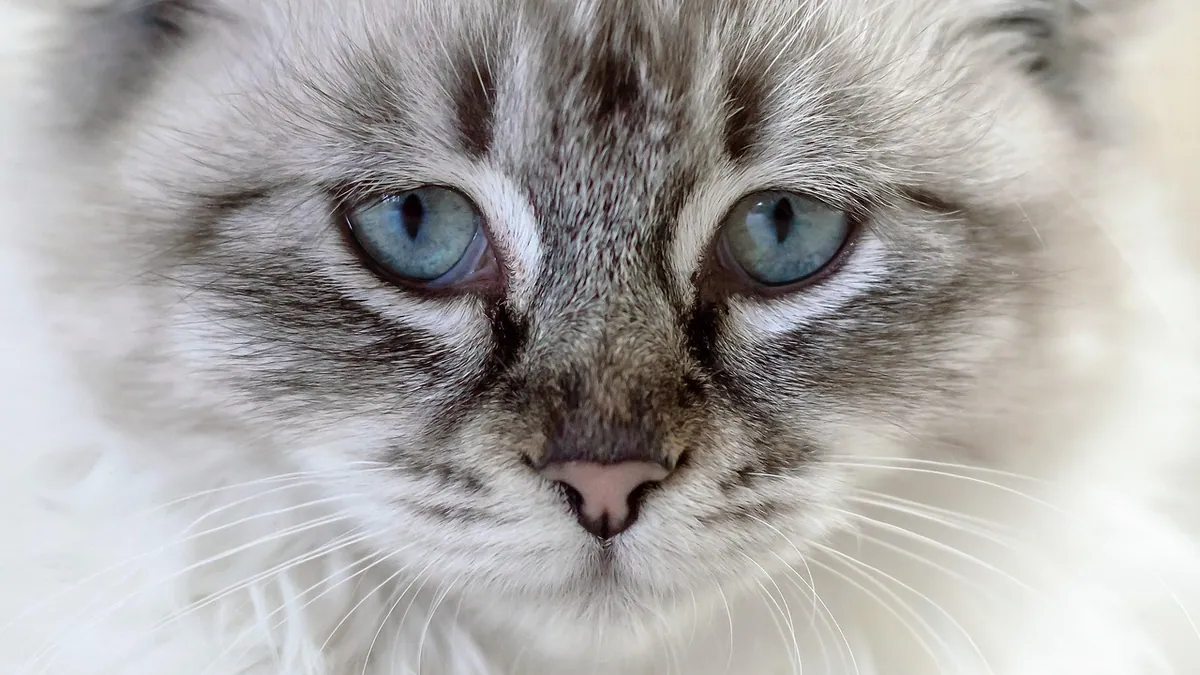
A cat that stops blinking is usually dealing with an eye injury, a nerve problem, or the lingering effects of sedation or anesthesia. The blink reflex protects the cornea, so when it fails, the eye surface starts to dry out and can be damaged within hours. If your cat is not blinking, treat it as a same-day problem at minimum, and as an emergency if the eye looks cloudy, bloody, or swollen.
This article is educational and is not a substitute for veterinary diagnosis or treatment.
Quick Answer
- A normal cat blinks often enough to keep the cornea moist, so a staring, unblinking eye is not normal behavior.
- The most common causes are corneal injury, eyelid problems, nerve damage, and sedation or anesthesia wearing off.
- Dryness damages the cornea quickly, so an eye that stays open needs veterinary attention the same day.
- Never touch the eye, never apply human eye drops, and never try to force the eyelid closed.
- Go to an emergency clinic now if the eye is cloudy, red, swollen, bleeding, or if your cat is also breathing hard or acting disoriented.
What a Cat Not Blinking Actually Looks Like
A blink is fast and easy to miss. What owners usually notice is the opposite of a blink: a cat holding one or both eyes wide open, staring, or keeping an eye uncovered when it should be squinting.
Some cats also hold the third eyelid partly across the eye, paw at the face, or turn away from light. Others simply look "off" and stop reacting when you move a hand toward the eye.
What is normal blinking in cats?
Cats blink less often than people do, and a relaxed cat may stare at you for a long stretch without blinking. That is normal. What is not normal is an eye that stays open when the cat is resting, sleeping, or being handled near the face.
A healthy cat also closes the eye fully when you gently stroke the inner corner or when something approaches the eye. If that protective reflex is missing on one side, something is wrong with the eyelid, the eye itself, or the nerve that controls the blink.
One eye or both eyes?
A cat not blinking one eye points toward a local problem: a scratch, a foreign body, an eyelid that cannot close, or nerve damage on that side. Both eyes staying open is more often linked to sedation, a systemic illness, or a neurologic problem affecting both sides.
Main Causes of a Cat Not Blinking
| Cause | Typical clues | How urgent |
|---|---|---|
| Corneal injury or ulcer | Squinting on and off, tearing, redness, pawing at the eye, one eye affected | Same day, emergency if the eye is cloudy or the cat is in pain |
| Sedation or anesthesia | Recent procedure, groggy, both eyes open, reduced tear production | Monitor closely, call the vet if it lasts past the expected recovery |
| Eyelid or adnexal disease | Eyelid rolled inward or drooping, chronic irritation, discharge, breed with heavy facial skin | Same day to urgent |
| Nerve damage (facial nerve) | One side of the face droops, ear or lip on that side sags, eye stays open | Same day |
| Orbital or retrobulbar disease | Eye bulging, swelling around the eye, pain when the head is touched | Emergency |
| Neurologic or systemic illness | Both eyes affected, wobbliness, behavior change, poor appetite | Emergency |
Eye injury and corneal ulcers
The cornea is the clear front surface of the eye, and it has no blood vessels to protect it. When the eyelid stops sweeping across it, the surface dries and can erode. A scratch or ulcer then makes blinking painful, which can create a cycle where the cat blinks even less.
Signs include tearing, redness, a hazy spot on the eye, and a cat that pulls away when you reach toward the face. Any of these with an unblinking eye means a same-day vet visit.
Sedation and anesthesia
If your cat recently had a procedure, a cat not blinking after sedation is a known concern. In a study of 42 cats under general anesthesia for non-eye procedures, tear production dropped significantly at all four measurement points after anesthesia, and 14 cats developed corneal erosion in 23 eyes even though they received lubricating drops every 15 minutes during the procedure [1].
That does not mean sedation is dangerous. It means the eye needs watching during recovery. If the eye stays open, looks dull, or your cat keeps pawing at it after coming home, call the clinic.
Eyelid and adnexal problems
The eyelids do the mechanical work of blinking. When they are misshapen, rolled inward, or too short to cover the eye, the cornea stays exposed. Abnormal eyelid position and function lead to chronic irritation of the cornea and conjunctiva, and corneal ulceration, blood vessel growth, and pigment changes are common results [2].
This is more common in flat-faced breeds and cats with heavy facial folds. Surgery to shorten or reposition the lid can restore functional blinking and reduce corneal exposure [2].
Nerve problems
The blink is controlled by the facial nerve. If that nerve is damaged by trauma, infection, or inflammation, the eyelid on that side stops closing. You may notice the ear or lip drooping on the same side.
Nerve problems can also start deeper in the orbit, the bony socket around the eye. One report described a cat with lagophthalmos (the inability to close the eyelids) and chronic exposure keratitis in both eyes, along with decreased retropulsion and restricted eye movement, caused by abnormal tissue filling both orbits [3]. That cat needed imaging and surgery, which shows why a persistent unblinking eye deserves a real workup.
Orbital and retrobulbar disease
Anything that pushes the eye forward can keep the lids from meeting. That includes abscesses, masses, and inflammation behind the eye. One case report described a cat that developed eye swelling, vision loss, and exophthalmos (bulging eye) six days after a routine tooth extraction, and the problem turned out to be retrobulbar abscessation with ascending infection [4].
Bulging, swelling, or a cat that resists having the head touched is an emergency.
Neurologic and systemic causes
When both eyes stay open and your cat also seems weak, wobbly, or confused, the problem may be in the brain or a systemic illness. Vision problems in cats are often primary eye disease, but they can also be the first sign of something else [5]. Report any behavioral or physical change to your veterinarian without delay [5].
If your cat is also hiding, not eating, or breathing hard, those signs change the urgency. See our guides on Cat Hiding and Lethargic: Is It an Emergency? and Cat Difficulty Breathing: Emergency Signs and What to Do.
Red Flags That Make It an Emergency
Go to an emergency clinic now if you see any of these:
- The eye is cloudy, blue, or has a visible white or yellow spot.
- The eye is bulging, or the tissue around it is swollen and hot.
- There is blood in the eye or around it.
- Your cat is crying, yowling, or cannot settle.
- Your cat is breathing fast or open-mouthed, or the gums look pale or blue.
- Your cat is wobbly, circling, having a seizure, or not responding to you.
- The eye has been open for hours and looks dry or dull.
A cat not blinking but breathing normally and acting otherwise fine still needs a same-day call. The eye can look normal at first and worsen over a few hours.
Safe Things You Can Do at Home While You Wait
You cannot fix a blink reflex at home, but you can avoid making things worse.
- Do not touch the eye or try to open or close the lids.
- Do not use human eye drops, saline, or leftover pet medications.
- Keep your cat in a dim, quiet room away from other pets.
- If your cat will tolerate it, a soft cone can stop pawing at the face.
- Note the time you first noticed the problem and whether one or both eyes are affected.
- Take a short video of the eye and the cat's behavior to show the vet.
If your cat is not eating or drinking, that adds risk. Our article on Cat Not Eating: How Long Before It's an Emergency? explains how quickly cats can decline.
What the Veterinarian Will Check and Test
Your vet will start with a full eye exam, often in a darkened room with a bright light. They will check the blink reflex, eyelid position, tear production, and whether the eye can move normally.
A fluorescein stain is the key test for a corneal ulcer. The dye sticks to damaged cornea and glows under a blue light. Your vet may also measure tear production with a Schirmer tear test, check the pressure inside the eye, and look at the back of the eye.
If the eye itself looks fine but the blink is still missing, your vet may look for nerve or orbital disease. That can mean blood work, imaging such as CT or MRI, or a referral to a veterinary ophthalmologist.
Treatment depends on the cause. It may include lubricating ointment, antibiotic or antiviral drops, pain medication, a temporary tarsorrhaphy (partially suturing the lids closed), or surgery. Pain control matters here, because eye pain changes behavior. A study of cats after ophthalmic surgery found that lowered head position was one of the pain behaviors recorded before and after analgesia, which is why vets watch posture and not just the eye [6].
Never give any medication, including pain relievers, without a veterinarian's direction. The dose depends on your cat's weight and health, and some human pain medications are toxic to cats.
How Long Can a Cat Not Blink?
There is no safe number of hours to wait. The cornea depends on the tear film, and when tear production drops, damage can begin quickly. In the anesthesia study, tear production was still significantly reduced one to four hours after extubation, and corneal erosions appeared in some cats despite lubrication during the procedure [1].
If your cat's eye has been open for more than a short time and looks dry, dull, or irritated, call your vet now. Do not wait to see if it improves overnight.
Prevention and Monitoring
Some causes of a cat not blinking cannot be prevented, but you can lower the risk and catch problems early.
- Watch your cat's eyes during recovery from any sedation or anesthesia, and follow your clinic's lubrication instructions.
- Keep up with routine vet visits. Early diagnosis and treatment give the best chance of saving vision [5].
- Know your cat's normal face. A drooping ear, lip, or eyelid on one side is easy to miss until you look for it.
- For flat-faced breeds, ask your vet about eyelid conformation at each exam.
- If your cat has had eye surgery or an eye condition before, ask your vet what signs mean "call now."
- Watch for related signs such as shaking or trembling, which can point to pain or neurologic trouble. Our guide on Cat Shaking or Trembling: Is It an Emergency? covers that.
Limitations and When to Contact a Veterinarian
This article cannot tell you what is wrong with your cat's eye. Only an exam can do that, and individual cases always need a veterinarian.
Call your vet the same day if one eye stays open, the eye looks red or watery, or your cat is squinting on and off.
Go to an emergency clinic now if the eye is cloudy, bulging, bleeding, or swollen, if your cat is in obvious pain, or if your cat is also having trouble breathing, walking, or staying awake.
If your cat seems stable and the eye looks normal, a routine visit within a day or two is still reasonable, but do not stretch it longer than that.
Frequently Asked Questions
Can a cat not blinking be caused by sedation?
Yes, sedation and general anesthesia commonly affect blinking and tear production. Tear production drops after anesthesia, and corneal erosions can develop even with lubricating drops during the procedure [1]. If your cat had a recent procedure and the eye stays open, call the clinic that did the procedure.
Is a cat not blinking one eye more serious than both eyes?
One eye is more often a local problem, such as a scratch, an eyelid issue, or nerve damage on that side. Both eyes open is more often linked to sedation or a systemic or neurologic cause. Both patterns need veterinary attention, and one eye is not automatically less serious.
How long can a cat not blink before the eye is damaged?
Damage can start within hours, not days. The cornea has no blood supply of its own and depends on tears and the eyelid for protection. If the eye has been open for more than a short time and looks dry or dull, treat it as urgent.
What should I do if my cat is not blinking but breathing normally?
Call your veterinarian or an emergency clinic and describe what you see. Normal breathing is reassuring, but it does not rule out a corneal ulcer or nerve problem. Keep your cat calm, do not touch the eye, and follow the clinic's advice on how soon to come in.
Can I use human eye drops on my cat?
No. Human eye drops can contain preservatives or medications that irritate or harm a cat's eye, and they can mask signs your vet needs to see. Only use drops or ointments prescribed for your cat by a veterinarian.
Related Articles
- Cat Hiding and Lethargic: Is It an Emergency?
- Cat Not Eating: How Long Before It's an Emergency?
- Cat Shaking or Trembling: Is It an Emergency?
- Cat Difficulty Breathing: Emergency Signs and What to Do
- Cat Constipation and Vomiting: When It's an Emergency
- Cat Hiding and Shaking: Is It an Emergency?
- Cat Not Opening Its Eye: Causes and What to Do
- Why Is My Cat's Eye Watering? Causes and When to Worry
- Shallow Breathing in Cats: Causes and When It's an Emergency
References
- Impact of general anesthesia on feline aqueous tear production and the feline corneal epithelium. Journal of feline medicine and surgery, 2025.
- Adnexal surgery in dogs and cats. Veterinary ophthalmology, 2004.
- Restrictive orbital myofibroblastic sarcoma in a cat--cross-sectional imaging (MRI & CT) appearance, treatment, and outcome. Veterinary ophthalmology, 2013.
- Ascending bacterial optic neuritis and meningoencephalitis following tooth extraction in a cat. BMC veterinary research, 2025.
- Feline Vision Problems: A Host of Possible Causes. Cornell University College of Veterinary Medicine.
- Keeping an eye on pain: Characterization of pain behaviours in cats undergoing ophthalmic surgery. Veterinary journal (London, England : 1997), 2026.