Why Is My Cat Keeping One Eye Closed? Causes and Care
By Dr. Zubair Khalid, DVM, MS, PhD ·
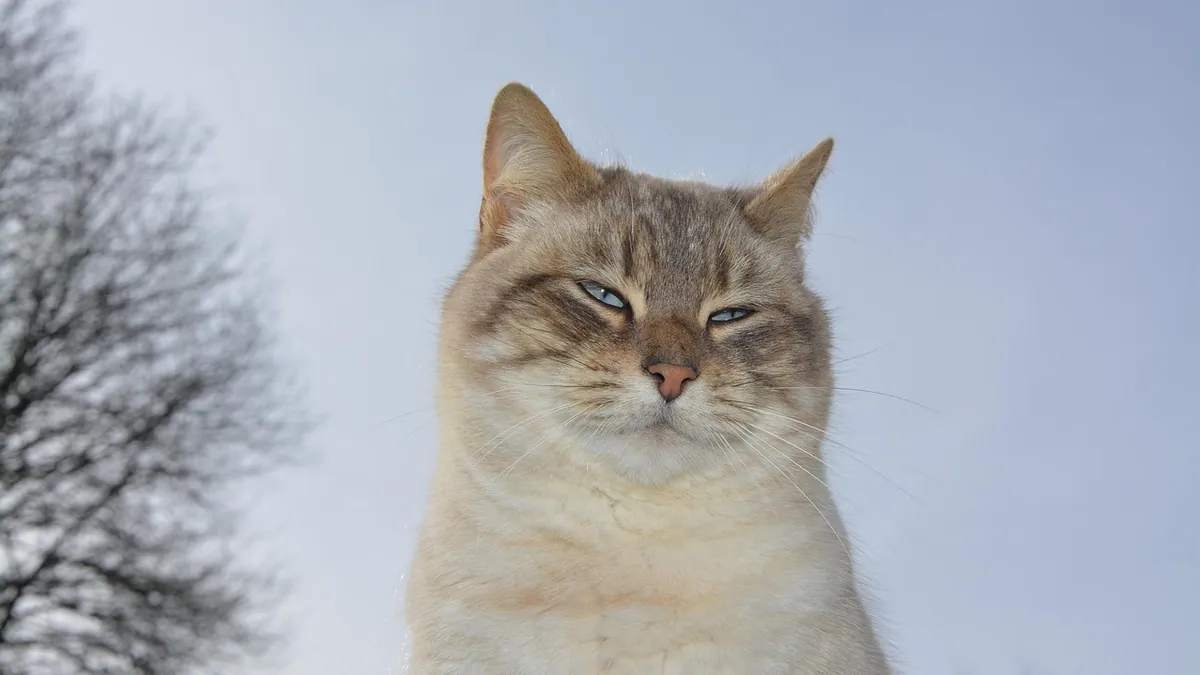
A cat who keeps one eye closed is usually telling you that eye hurts. Squinting, also called blepharospasm, is one of the most reliable pain signals in cats, and it often points to a problem on the surface of the eye or inside it. This article explains why is my cat keeping one eye closed, what the sign looks like, and when you need to call a veterinarian right away.
This article is educational and is not a substitute for veterinary diagnosis or treatment.
Quick Answer
- One closed eye is almost always a pain response, not a sleepiness quirk. Cats hide pain well, so a squint is a strong clue [1].
- Common causes include conjunctivitis, corneal ulcers, entropion (eyelashes rubbing the eye), foreign material, and feline herpesvirus [2][3][4].
- Eye problems can progress to blindness if they are not treated, so early diagnosis matters [5][3].
- Never use leftover or human eye drops in a cat's eye. Some human products can make an ulcer worse.
- See a veterinarian within 24 hours for a first-time squint. Go now if the eye is bulging, bleeding, cloudy, or the cat is pressing the eye against things.
What One Closed Eye Looks Like and What Is Normal
A cat with a painful eye usually holds the lids partly or fully shut on one side. You may also see tearing, discharge, redness of the white of the eye, or a third eyelid that slides up over the eye. Some cats paw at the face, rub the eye on furniture, or hold the head lower than usual [1].
Normal blinking is quick and even on both sides. Normal cats also squint briefly in bright light or when they are relaxed and sleepy. The difference is timing and symmetry. A cat who squints one eye for hours, or who squints every time you touch near the face, is not just tired.
Watch for changes in behavior too. A painful cat may hide, eat less, or avoid being petted near the head. If you notice your cat withdrawing, our guide on Why Is My Cat Hiding? can help you sort out pain from stress.
Main Causes of Eye Squinting in Cats
The table below covers the most common reasons a cat keeps one eye closed. Urgency reflects how fast the eye can worsen without treatment.
| Cause | Typical clues | How urgent |
|---|---|---|
| Conjunctivitis (inflammation of the conjunctiva) | Red, swollen tissue around the eye, watery or thick discharge, squinting [3] | Same-day visit |
| Corneal ulcer or scratch | Intense squinting, tearing, pawing at the eye, cloudiness | Emergency or same day |
| Entropion (eyelid rolls inward) | Eyelashes or hair rub the eye, more common in Persian and flat-faced breeds [2] | Same-day visit |
| Foreign body (grass awn, hair, grit) | Sudden squint after being outside, one eye only, cat rubs the face | Emergency or same day |
| Feline herpesvirus-1 infection | Squinting with sneezing, nasal discharge, and watery eyes | Same-day visit |
| Uveitis (inflammation inside the eye) | Cloudy eye, small pupil, light sensitivity, eye may look dull | Emergency |
| Glaucoma or lens instability | Bulging or enlarged eye, pain, sometimes a visible pupil change [6] | Emergency |
| Cataract or lens rupture | Cloudy lens, sometimes a sudden red or painful eye [7] | Same-day visit |
| Medication reaction | Squinting and redness that started after starting eye drops [4] | Call the vet who prescribed it |
Conjunctivitis and Surface Irritation
The conjunctiva is the thin membrane that lines the eyelids and covers the white of the eye. It helps make tears, protects the eye, and supports healing after injury [3]. When it becomes inflamed, the eye looks red and puffy, and the cat squints. Conjunctivitis can be a problem on its own, or it can be a sign of a whole-body disease, which is why a veterinarian needs to look closely [3].
Corneal Ulcers and Scratches
The cornea is the clear front window of the eye. A scratch, a chemical irritant, or a viral infection can strip away part of its surface and create an ulcer. Ulcers are very painful, so the cat often holds the eye shut and avoids light. A corneal ulcer that is not treated can deepen and scar the eye.
Eyelid Problems Like Entropion
Entropion means the edge of the eyelid turns inward so the lashes or facial hair rub against the eye surface [2]. It is seen more often in Persian cats and other breeds with shortened, flattened heads, and it can also develop after scarring or from constant blinking due to eye pain [2]. Long-lasting entropion can cause scarring, abnormal coloring, and slow-healing sores on the cornea [2]. Early cases may improve if the cause is removed or pain is controlled, but established entropion usually needs surgery [2].
Infections and Viruses
Feline herpesvirus-1 is a common cause of eye and upper airway disease in cats. A cat with herpesvirus often has a squinty eye along with sneezing and nasal discharge. If your cat is sneezing along with the eye problem, see Why Is My Cat Sneezing? and Why Is My Cat Sneezing So Much And Watery Eyes for more on those signs.
Some cats with herpesvirus are treated with topical cidofovir. In one review of 140 cats treated with this medication, 6 cats (4.3%) were suspected to develop a local toxic reaction that included persistent squinting, eye discharge, redness, swelling, and rapid darkening of the conjunctiva [4]. This is uncommon, but it is a reason to call your veterinarian if a new eye drop seems to make things worse.
Problems Inside the Eye
Not every squint starts on the surface. Lens instability, in which the lens inside the eye shifts out of place, caused squinting in 25% of affected eyes in one study of 34 cats [6]. That study also found that 38% of eyes had high pressure inside the eye, and 73% of eyes with a partially shifted lens progressed to a fully dislocated lens within a median of 15 days [6]. These numbers show how quickly an internal eye problem can move.
Cataracts can also cause pain if the lens swells or the capsule tears. One report described a diabetic cat with a swollen cataract and a tear in the lens capsule in one eye [7]. The eye was treated successfully with surgery, but the case shows that a cloudy, painful eye needs prompt attention [7].
When the Cause Is Not the Eye Itself
Sometimes the eye is a window into another problem. A ruptured blood vessel under the conjunctiva can follow trauma, a blood disorder, or an infectious disease, and it needs a full exam to rule out more serious changes inside the eye [3]. If your cat is also losing weight or losing hair, those signs may point to a separate condition. Our articles on Why Is My Cat Losing Weight? and Why Is My Cat Losing Hair? cover those topics.
Red Flags That Mean Emergency Care
Go to an emergency clinic now if you see any of these:
- The eye is bulging or looks larger than the other eye.
- The eyeball itself looks cloudy, bloody, or has changed color.
- The cat is pressing the eye into walls, furniture, or the floor.
- The cat is crying, pacing, or cannot settle.
- There is sudden vision loss, such as bumping into things.
- The eye was hit, scratched, or exposed to a chemical.
- The cat is drooling, vomiting, or seems very sick along with the eye problem.
Cats with eye pain may also stop eating or hide more than usual. Trust your instincts. If something feels wrong, it probably is.
Safe Things You Can Do at Home While You Wait
You cannot treat a painful eye at home, but you can keep your cat comfortable and prevent the problem from getting worse.
- Do not put any drops or ointments in the eye unless a veterinarian prescribed them for this cat.
- Do not try to remove anything stuck in the eye. You could scratch the cornea.
- Keep your cat indoors and away from dusty areas, litter dust, and other cats.
- Use a soft, damp cloth to gently wipe away discharge from the outside of the lids only. Never touch the eyeball.
- If your cat is rubbing the eye, ask your veterinarian about a protective collar. In one study of cats recovering from eye surgery, wearing a collar was tracked as a factor in pain behavior [1].
- Offer food and water in the cat's usual spot. Stress can make pain worse.
- Write down when the squinting started, what the eye looks like, and any other signs. This helps your veterinarian.
What Your Veterinarian Will Check and Test
Your veterinarian will start with a full eye exam. They will look at the eyelids, the conjunctiva, the cornea, and the inside of the eye. They will compare both eyes and check how the pupils respond to light.
Common tests include:
- Fluorescein stain. A yellow dye shows scratches and ulcers on the cornea.
- Schirmer tear test. A small strip measures tear production.
- Tonometry. A device measures pressure inside the eye. High pressure can mean glaucoma [6].
- Conjunctival swabs. These can check for infection or viruses.
- Blood work. This helps rule out whole-body disease, especially if both eyes are involved or the cat is unwell.
If the problem is entropion, your veterinarian may first try to control pain and inflammation. Established entropion usually needs surgery to correct the eyelid shape [2]. If the problem is a lens that has moved, surgery may be needed to remove the lens and control pressure [6].
Treatment depends on the cause. Bacterial infections may need antibiotics. Viral infections may need antiviral medication. Ulcers may need specific drops that support healing. Your veterinarian will calculate any medication dose from your cat's weight and health, so never guess at a dose on your own.
Prevention and Monitoring
You cannot prevent every eye problem, but you can lower the risk and catch issues early.
- Check your cat's eyes weekly. Look for redness, discharge, cloudiness, or a difference in pupil size.
- Keep flat-faced breeds on a regular eye check schedule. Entropion is more common in these cats [2].
- Keep your cat up to date on vaccines and parasite prevention.
- Reduce dust and irritants in the home. Use low-dust litter if your cat has chronic eye or nose issues.
- Watch for squinting after grooming, travel, or time outdoors.
- If your cat has herpesvirus, manage stress. Stress can trigger flare-ups.
- Follow up with your veterinarian as scheduled. Eye problems can look better before they are fully healed.
If your cat has a chronic eye condition, keep a simple log of flare-ups. Note the date, which eye, and what you saw. This record helps your veterinarian adjust treatment over time.
Limitations and When to Contact a Veterinarian
This article gives general information, but every cat is different. Only a veterinarian who examines your cat can diagnose the cause and prescribe treatment.
Contact a veterinarian the same day if your cat has a new squint, mild discharge, or redness in one eye.
Go to an emergency clinic now if the eye is bulging, bleeding, cloudy, or if your cat is in obvious pain, pressing the eye against objects, or has suddenly lost vision.
Call your veterinarian if a prescribed eye medication seems to be causing more squinting, swelling, or redness [4].
Do not wait to see if a squint goes away on its own. Eye problems can worsen quickly, and some can lead to blindness if they are not treated [5][3].
Frequently Asked Questions
Should I wait a day to see if my cat's eye gets better?
No. A new squint in one eye should be seen within 24 hours. Eye pain rarely resolves on its own, and some causes can damage the eye quickly.
Can I use human eye drops on my cat?
No. Human eye drops can contain ingredients that harm a cat's eye, especially if there is an ulcer. Only use medication prescribed by your veterinarian for this cat.
Is a closed eye always a sign of pain?
Almost always, yes. Cats squint to protect a painful eye. A cat may also squint when sleepy, but that squint is brief and affects both eyes.
Can eye problems in cats cause blindness?
Yes. Some eye diseases can lead to blindness if they are not treated [5][3]. Early diagnosis gives the best chance of saving vision.
My kitten keeps one eye closed. Is that different from an adult cat?
The causes are similar, but kittens are more likely to have infectious causes like herpesvirus. Kittens also have smaller eyes and softer tissues, so injuries can be more serious. See a veterinarian promptly.
Related Articles
- Why Is My Cat Sneezing?
- Why Is My Cat Hiding?
- Why Is My Cat Sneezing So Much And Watery Eyes
- Why Is My Cat Losing Hair?
- Why Is My Cat Losing Weight?
- Cat Hiding All the Time: Causes and When to Be Concerned
- Cat Not Opening Its Eye: Causes and What to Do
- Why Does My Cat Have Eye Boogers? Causes and When to Worry
- Why Is My Cat's Eye Watering? Causes and When to Worry
References
- Keeping an eye on pain: Characterization of pain behaviours in cats undergoing ophthalmic surgery. Veterinary journal (London, England : 1997), 2026.
- Disorders of the Eyelids in Cats - Cat Owners. Merck Veterinary Manual.
- Disorders of the Conjunctiva in Cats - Cat Owners. Merck Veterinary Manual.
- Frequency and Characterization of Local Ocular Toxicity in Cats Treated With Topical Ophthalmic Cidofovir for Presumptive Feline Herpesvirus-1 Infection. Veterinary ophthalmology, 2026.
- Feline Vision Problems: A Host of Possible Causes. Cornell University College of Veterinary Medicine.
- Clinical Features and Surgical Outcomes of Cats With Presumed Primary Lens Instability: A Retrospective Study of 34 Cases (2018-2022). Veterinary ophthalmology, 2026.
- Rare occurrence of an intumescent cataract in a diabetic domestic longhair cat. JFMS open reports, 2026.