Why Is My Dog Opening and Closing His Mouth Repeatedly?
By Dr. Zubair Khalid, DVM, MS, PhD ·
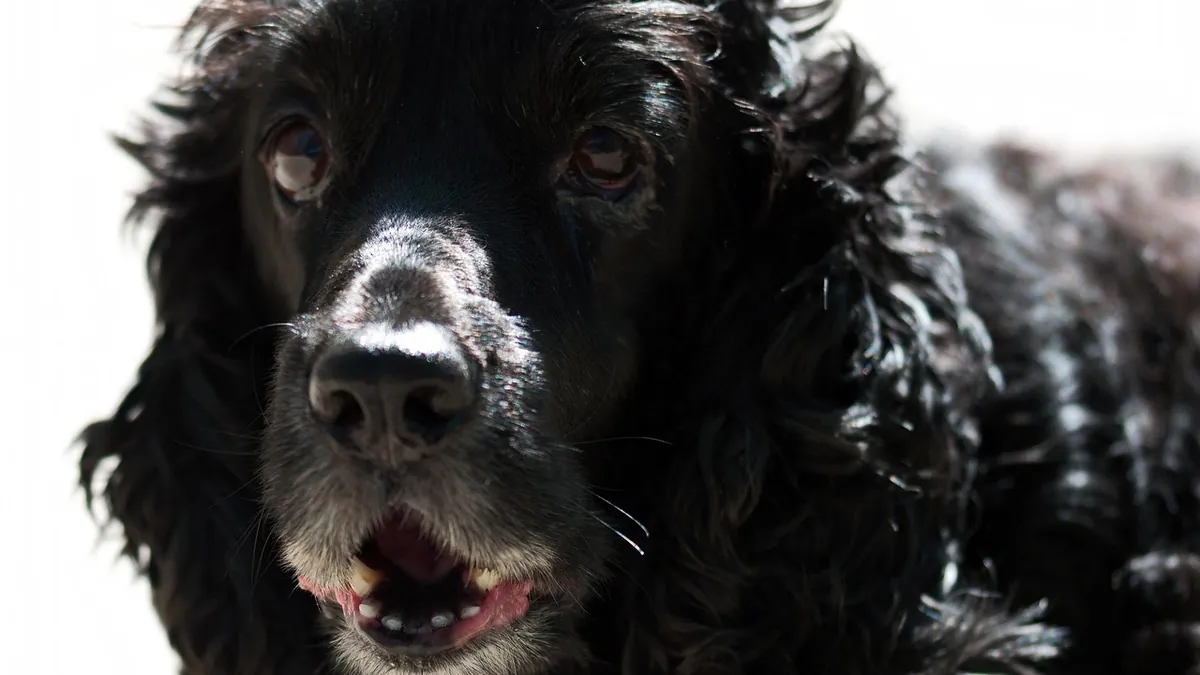
My dog keeps opening and closing his mouth repeatedly for many reasons, and most of them are not serious. The motion may be a small jaw tremor, a sign of nausea, dental pain, or a chewing motion during sleep. A few causes, such as jaw locking or a swollen face, need a veterinarian right away.
This article is educational and is not a substitute for veterinary diagnosis or treatment.
Quick Answer
- A dog who opens and closes the mouth in a small, rapid chatter with no other signs is often just excited, cold, or mildly uncomfortable, and this often settles on its own.
- Nausea is one of the most common reasons a dog licks the lips and works the jaw, and it often comes with drooling, lip smacking, or vomiting.
- Dental disease is the most common oral problem in dogs, and jaw motion can be the first clue that something in the mouth hurts [1].
- A dog who cannot fully open the mouth, holds the jaw crooked, or has a swollen face needs same-day veterinary care.
- Never give human pain relievers to a dog, since several common ones are toxic to dogs and the dose must come from your veterinarian.
What This Looks Like and What Is Normal
Dogs use the mouth for far more than eating. The mouth helps with communication, grooming, and even heat regulation, so a lot of normal behavior happens around the jaw [1]. A dog may chatter the teeth when excited, when greeting another dog, or when a favorite treat appears. Some dogs chatter when they are cold or nervous.
Chewing itself follows a steady pattern. In one motion-tracking study, beagles chewed with a simple hinge motion and no meaningful side-to-side movement of the lower jaw [2]. The mouth opened about 2.5 cm between the canine teeth during chewing, and that distance stayed about the same no matter what food the dogs ate [2]. Chewing speed did change with food type, and kibble produced the fastest chewing rate in that study [2].
A normal dog can open the mouth to roughly a 44 degree angle, and this gape angle is similar whether the dog is awake or under anesthesia [3]. That number matters because a dog with a restricted or painful opening may not reach it.
Jaw chattering and teeth chattering
Chattering is a fast, small up-and-down motion of the jaw that often makes a clicking sound. It can be a normal response to excitement, anticipation, or cold. It can also be a sign of pain or nausea. The difference is usually in the rest of the picture. A happy, wiggly dog who chatters at the door is very different from a quiet dog who chatters while drooling and refusing food.
Sleep-related mouth movements
Some dogs paddle and chew in their sleep. In one reported case, a young dog with generalized tetanus had repeated paddling and chewing movements that happened only during rapid eye movement sleep, and those movements stopped as the tetanus resolved with treatment [4]. Sleep chewing in a healthy dog is usually harmless, but new, intense, or repeated episodes deserve a veterinary look.
Why Does My Dog Open and Close His Mouth? Main Causes
| Cause | Typical clues | How urgent |
|---|---|---|
| Excitement, cold, or mild stress | Fast small chatter, normal appetite, settles quickly | Routine |
| Nausea or stomach upset | Lip licking, drooling, gulping, vomiting, not eating | Same day if it continues |
| Dental or gum disease | Bad breath, drooling, dropping food, chewing on one side | Routine to same day |
| Mouth injury or foreign object | Pawing at the mouth, bleeding, sudden refusal to eat | Same day |
| Jaw muscle or joint problem | Slow, painful, or limited mouth opening, jaw locking | Same day |
| Nerve or muscle disease (such as tetanus) | Stiff gait, tight jaw, sleep movements, whole-body signs | Emergency |
| Seizure or brain-related activity | Staring, paddling, loss of awareness, repeated episodes | Emergency |
Dental and gum problems
Gum disease is the most common oral problem in dogs [1]. Oral inflammation can also come from immune disease, infections, trauma, metabolic disease, developmental problems, burns, radiation, and cancer [1]. Infections linked to oral inflammation include canine distemper virus and leptospirosis [1]. Chronic kidney failure can cause inflammation and sores in the mouth as well [1].
Because oral disease is treated best when found early, a full oral exam should be part of every physical examination [1]. Many mouth problems stay hidden until they are advanced, which is why a dog who works the jaw oddly may be showing you the first visible sign [1].
Nausea and stomach upset
Nausea often shows up as lip licking, drooling, and repeated jaw motion. If your dog also gulps, swallows hard, or vomits, the mouth movement is likely part of the stomach upset. This is common and often passes, but repeated vomiting or a dog who will not drink needs veterinary care.
Jaw muscle and joint problems
Two cocker spaniels were evaluated for jaw pain and a slowly worsening inability to open the mouth, with no history of trauma or jaw locking [5]. Imaging showed the coronoid process of the lower jaw catching on the cheekbone and trapping the jaw muscle, and surgery resolved the signs completely [5]. This kind of mechanical blockage should be considered when a dog has a painful, restricted opening of the mouth [5].
A Basset Hound with temporomandibular joint dysplasia had six months of pain while chewing and frequent episodes where the mouth locked open [6]. After surgery to remove the bone impingement, the dog ate soft food within a couple of hours and had no further locking or pain for a year [6]. These cases are uncommon, but they show why a jaw that will not open or close normally deserves a real workup.
Nerve, muscle, and brain causes
Generalized tetanus can cause jaw and chewing abnormalities along with whole-body stiffness, and sleep-related chewing movements have been documented in a dog with this condition [4]. Seizure activity and other brain problems can also produce repeated mouth movements. These causes usually come with other signs, such as changes in awareness, balance, or gait.
If your dog's mouth movements come with trembling elsewhere, see Why Is My Dog Shaking?. If the main sign is head motion, read Dog Nodding Head Repeatedly.
Red Flags That Make It an Emergency
Call an emergency clinic now if you see any of these:
- The mouth is stuck open or stuck closed.
- The jaw hangs crooked or the dog cannot close the mouth to swallow.
- The face or jaw is swollen, especially if it appeared quickly.
- Breathing is noisy, labored, or the dog is gagging.
- There is heavy bleeding from the mouth or a suspected foreign object stuck in the throat.
- The dog collapses, loses awareness, or has repeated seizure-like episodes.
- The dog cannot swallow water or is drooling large amounts.
- The gums are pale, blue, or bright red.
A dog who cannot open the mouth normally may have a mechanical blockage that needs imaging and possibly surgery [5][6]. A dog with whole-body stiffness and chewing movements may have a serious neuromuscular condition that needs prompt treatment [4].
What You Can Safely Do at Home While You Wait
Stay calm and keep your dog quiet. Stress can make jaw chattering and nausea worse.
Check the mouth only if your dog lets you. Look at the lips, gums, and front teeth. Do not put your fingers deep into the mouth of a dog who is in pain, since even a gentle dog may bite when hurting.
Offer a small amount of water. If your dog can drink and swallow normally, that is a good sign. If water dribbles out or the dog coughs, stop and call your veterinarian.
Write down what you see. Note how long each episode lasts, how often it happens, whether it happens during sleep, and what else you notice, such as drooling, vomiting, or trouble eating. This timeline helps your veterinarian a lot.
Do not give any human medication. Common human pain relievers can be toxic to dogs, and the correct dose depends on your dog's weight and health. Your veterinarian will calculate any medication your dog needs.
If your dog is licking the lips and paws along with the jaw motion, that pattern often points to nausea or itching, and Dog Keeps Licking Paws And Lips explains what those signs can mean together.
What Your Veterinarian Will Check and Test
Your veterinarian will start with a full physical examination, including a complete oral examination, because mouth disease is treated best when caught early [1]. They will look at the teeth, gums, tongue, and throat, and they will check how far your dog can open the mouth.
Expect questions about appetite, chewing, drooling, vomiting, sleep, and any recent trauma. Bring your written notes.
Depending on what they find, your veterinarian may recommend:
- Dental cleaning and dental X-rays under anesthesia, since many oral problems hide below the gumline [1].
- Blood work to check for metabolic disease, kidney problems, and infection, since conditions like chronic kidney failure can cause mouth sores [1].
- Imaging of the jaw and skull, which is how impingement and joint problems were identified in the reported cases [5][6].
- A neurologic examination if the movements look like seizures or a neuromuscular problem [4].
Treatment depends on the cause. Dental disease may need a cleaning or extractions. Nausea may need a change in diet or medication. A mechanical jaw problem may need surgery, and the dogs in the reported cases recovered well after their procedures [5][6].
Prevention and Monitoring
Brush your dog's teeth or use a veterinary-approved dental product, and ask your veterinarian how often your dog needs a professional dental exam. Early diagnosis is the single best way to keep oral disease from advancing [1].
Keep an eye on chewing habits. A dog who suddenly chews on one side, drops food, or takes longer to eat may have mouth pain. Watch for changes in how wide your dog can open the mouth, since a normal gape angle is around 44 degrees [3].
If your dog has a known jaw condition, follow your veterinarian's feeding advice. Soft food was used right after surgery in one reported case, and the dog ate within hours [6].
Track episodes of chattering, especially if they happen during sleep or come with stiffness, since those patterns point to specific conditions that need treatment [4].
If your dog also shakes the head or scratches at the ears, the mouth motion may be part of a different problem. Dog Shaking Head Repeatedly covers that sign in detail. If the main issue is constant chewing on the paws, see Dog Constantly Chewing On Paws.
Limitations and When to Contact a Veterinarian
No article can tell you what is happening in your dog's mouth. A veterinarian needs to examine your dog, and individual cases always need a veterinarian's judgment.
Contact your veterinarian the same day if your dog has new drooling, bad breath with jaw motion, refuses food, vomits more than once, or seems painful around the face.
Go to an emergency clinic now if the mouth is locked open or closed, the jaw is crooked, the face is swollen, breathing is noisy, or your dog collapses or has seizure-like episodes.
Schedule a routine visit if the chattering is mild, happens only with excitement or cold, and your dog eats, drinks, and plays normally. Even then, mention it at your next exam so your veterinarian can check the mouth and jaw.
Frequently Asked Questions
Is jaw chattering in dogs ever normal?
Yes, mild jaw or teeth chattering can be normal in dogs who are excited, cold, or anticipating something. It becomes a concern when it comes with drooling, pain, trouble eating, or whole-body stiffness. Your veterinarian can help you tell the difference.
Can dental pain cause a dog to open and close the mouth?
Yes, mouth pain is a common reason for odd jaw motion. Gum disease is the most common oral problem in dogs, and many oral diseases stay hidden until they are advanced [1]. A dental exam is the best way to find the source.
Why does my dog do this only when sleeping?
Sleep-related chewing and paddling can be a normal sleep behavior, but intense repeated episodes have been linked to a sleep behavior disorder in a dog with tetanus [4]. If the episodes are frequent or come with stiffness or changes in awareness, ask your veterinarian about it.
Should I try to open my dog's mouth to look inside?
Only if your dog is calm and lets you, and never force it. A painful jaw can make even a gentle dog bite. If your dog resists, resists, stop and let your veterinarian do the exam.
How long can I wait before calling the vet?
If your dog is eating, drinking, and acting normally, you can monitor for a day and mention it at the next visit. If there is drooling, vomiting, swelling, or trouble swallowing, call the same day. If the mouth is locked or breathing is affected, go to an emergency clinic now.
Related Articles
- Dog Shaking Head Repeatedly
- Dog Constantly Chewing On Paws
- Why Is My Dog Shaking?
- Dog Keeps Licking Paws And Lips
- Dog Nodding Head Repeatedly
- Why Is My Dog Licking the Floor Constantly?
- Why Is My Dog Breathing With Its Mouth Open?
- Dog Won't Open His Mouth: Causes and What to Do
- Why Is My Cat Keeping His Mouth Open? Causes to Know
References
- Disorders of the Mouth in Dogs - Dog Owners. Merck Veterinary Manual.
- Characterizing masticatory motion of dogs using optical and electromagnetic motion tracking. Frontiers in veterinary science, 2025.
- Gape Angle in Asymptomatic Dogs with Normal Occlusion. Journal of veterinary dentistry, 2021.
- Electroencephalography of rapid eye movement sleep behavior disorder in a dog with generalized tetanus. Journal of veterinary internal medicine, 2023.
- Traumatic focal myositis of the temporalis muscle due to presumptive impingement between the zygomatic arch and coronoid process in two cocker spaniels with restricted mouth opening. The Journal of small animal practice, 2026.
- Radial Mandibular Coronoidectomy in a Basset Hound as a Treatment for Temporomandibular Joint Dysplasia. Veterinary medicine and science, 2025.