Why Is My Small Pet Suddenly Aggressive?
By Dr. Zubair Khalid, DVM, MS, PhD ·
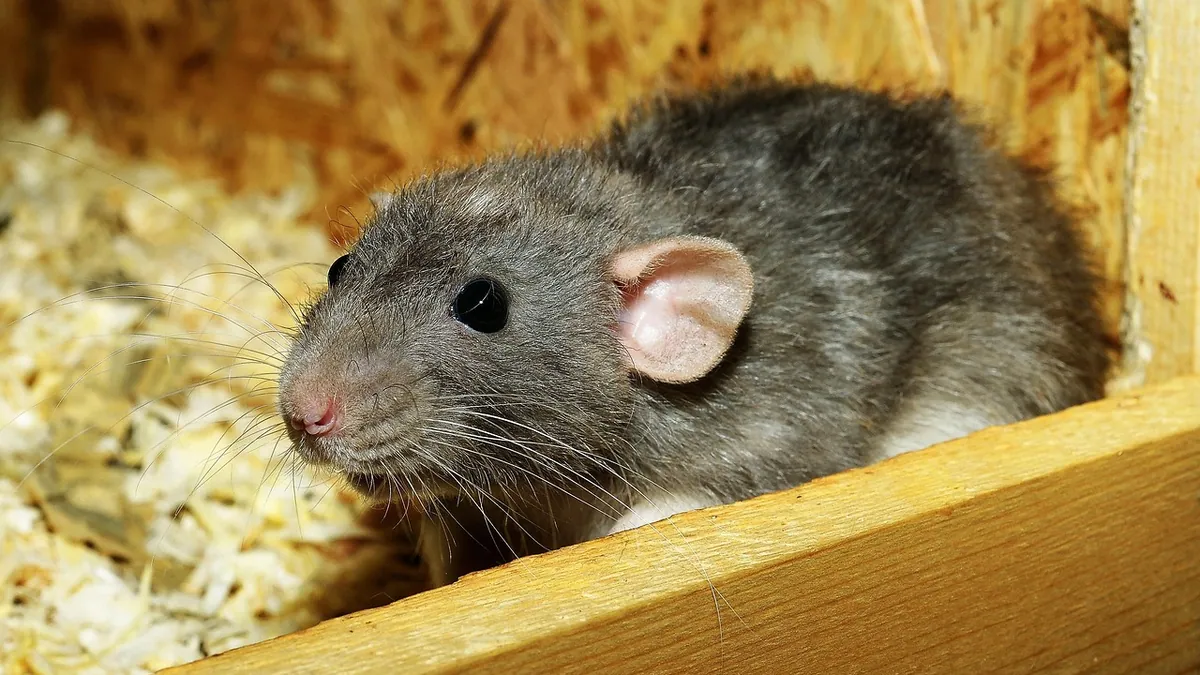
A rat that was calm last week and is biting today is usually telling you something changed. The most common reasons a pet rat turns aggressive are pain or illness, hormonal shifts, crowded or unstable housing, and fear from rough handling or a startling environment. This article is educational and is not a substitute for veterinary diagnosis or treatment.
Quick Answer
- Sudden aggression in a pet rat is a symptom, not a personality flaw. Assume a physical cause until a veterinarian rules one out.
- Pain is the number one medical trigger. Dental disease, abscesses, tumors, and joint problems can all make a rat defensive when touched.
- Hormonal aggression is real in male rats, especially between about 4 and 12 months of age, and it often shows up as biting hands, puffed fur, and sideways posturing.
- Housing stress matters. Rats are social and need company, but a too-small cage, a new cage mate, or a sick cagemate can trigger fighting.
- Never punish a rat for biting. Punishment increases fear and makes biting more likely. Separate if needed, then get veterinary help.
Why Is My Rat Suddenly Aggressive? Start With Normal Rat Behavior
Domesticated rats are social, active, and intelligent, and pet rats rarely bite [1]. That last part is the important one. A biting rat is outside the norm, so your first job is to figure out what changed.
Some behavior that looks like aggression is normal rat communication. Rats wrestle, pin each other, and squeak during play. They also establish a pecking order. A brief scuffle with no blood, no lasting chasing, and both rats eating normally afterward is usually social sorting, not aggression.
Fear can look like aggression too. A rat that rears up to face your approaching hand is more likely to bite [1]. That is a defensive posture, not a mean one. Move slowly, and watch the body language before you reach in.
Medical Causes to Rule Out First
Any sudden behavior change in a small pet deserves a health check. Pain and illness lower a rat's patience and raise its defensiveness.
Pain and Dental Problems
Rodent teeth grow continuously. Overgrown or misaligned incisors, broken teeth, and mouth abscesses make eating painful. A rat in mouth pain may bite when you offer food or touch its face.
Other common pain sources include skin abscesses, ear infections, bladder stones, and tumors. Mammary tumors are especially common in older female rats. A rat that flinches when picked up, hunches, or grinds its teeth may be hurting.
Neurologic and Metabolic Disease
Pituitary tumors are common in older rats and can cause confusion, head tilt, and irritability. Kidney and liver disease can also change behavior. Any rat over 18 months old with a new personality change needs a veterinary exam.
Hormonal Aggression in Male Rats
Intact male rats can develop hormone-driven aggression, sometimes called "rat aggression syndrome." It typically appears in young adulthood and can escalate quickly. Affected males may puff up, sidle sideways, and bite without warning.
Research in male rats shows that stress can precipitate aggression in animals with a genetic tendency toward stress hyper-reactivity [2]. Hormones and stress pathways interact, so a male rat under stress may tip into aggression faster than a calm littermate.
Hormones in Females
Female rats can also become aggressive, especially around pregnancy and nursing. In many species, aggression levels are low in virgin females but rise dramatically during lactation to protect vulnerable offspring [3]. This is called maternal aggression, and it fades after weaning. A nursing mother rat that bites when you reach into the nest is behaving normally for her situation.
Environmental Toxins
Lead exposure is a known cause of increased aggression in rats. In one study, rats exposed to lead during development were significantly more aggressive and showed more violent behavior than unexposed animals, regardless of maternal care or housing enrichment [4]. In a home setting, old paint, contaminated dust, and some imported ceramics are possible sources. Your veterinarian can advise on testing if exposure is suspected.
Housing and Social Stress
Rats are not solitary animals. They need companionship, but the wrong setup creates chronic stress.
Cage Size and Resources
A cage that is too small, or one with only one food bowl, one water bottle, and one hiding spot, forces competition. Add multiple resources so no rat has to guard anything.
Introductions Gone Wrong
New rats should be introduced gradually on neutral ground. Dropping a stranger into an established cage often triggers fighting. If you rushed an introduction, back up and restart slowly.
Sick or Injured Cagemates
A rat in pain may become the target of bullying, or it may lash out defensively. If one rat in a group suddenly changes behavior, examine every rat in the cage.
Fear and Handling
Rough handling, grabbing by the tail, or reaching in in published veterinary research can all trigger defensive biting. The best way to pick up a rat is to grasp it gently over the shoulders and lift while supporting the body with your hand. Avoid picking up a rat by the tip of its tail [1].
When Does Rat Aggression Become a Problem?
Occasional squabbles are normal. These signs mean it has crossed into a problem:
- Biting that breaks skin, especially bites aimed at you
- Blood drawn during rat-to-rat fights
- One rat hiding constantly, losing weight, or being kept from food
- Chasing that does not stop when the other rat submits
- Any new aggression in a rat that was previously calm
If you see any of these, treat it as a medical and behavioral emergency, not a phase.
What to Do Step by Step
Step 1: Separate if There Is Blood
If rats are fighting to the point of injury, separate them immediately. Use a towel or thick gloves, not bare hands. Keep the injured rat in a quiet, warm, secure cage and call your veterinarian.
Step 2: Book a Veterinary Exam
A full physical exam, including a dental check and weight, is the first step. Your veterinarian may recommend blood work, imaging, or a trial of pain medication. Never give human pain relievers to a rat. Many are toxic to rodents, and the dose must be calculated by a veterinarian based on your rat's weight and health.
Step 3: Reduce Stress in the Environment
- Give each rat its own hiding spot, food bowl, and water source.
- Keep the cage in a quiet room away from dogs, cats, and loud traffic.
- Maintain a consistent light and dark cycle. Rats are nocturnal by nature and usually sleep during the day [1].
- Add enrichment: tunnels, chew toys, cardboard, and foraging opportunities.
Step 4: Handle With Respect
Move slowly. Let the rat approach you. Scoop from the side or underneath instead of reaching in published veterinary research. If your rat rears up, pause and give it space [1].
Step 5: Consider Hormonal Treatment for Males
If a veterinarian rules out pain and illness, hormonal aggression becomes more likely in an intact male. Some veterinarians treat this with hormone-blocking medication or recommend neutering. Discuss the risks and benefits with your vet.
Step 6: Get Behavior Help
If medical causes are ruled out and aggression continues, ask your veterinarian for a referral to a veterinary behaviorist or a certified small mammal behavior consultant. For more on this pattern in rats specifically, see Dealing with Aggressive Pet Rat Behavior: Causes and Solutions.
What Not to Do
Do Not Punish
Never flick, tap, spray, or yell at a biting rat. Punishment increases fear, and fear increases biting. It also destroys the trust you need for safe handling.
Do Not Grab by the Tail
Tail grabbing can cause serious injury and is a common trigger for defensive bites [1].
Do Not Assume It Is "Just Hormones"
Hormonal aggression is real, but it is a diagnosis of exclusion. Pain, dental disease, and tumors must be ruled out first.
Do Not Skip the Vet Because the Rat Is Small
Small pets get sick fast. A rat that stops eating for 24 hours can decline quickly.
Do Not Introduce a New Rat Into a Tense Group
Adding a rat to an unstable group usually makes things worse. Fix the current situation first.
When to Involve a Veterinarian or Behavior Professional
Call your veterinarian the same day if your rat:
- Bit you hard enough to break skin
- Is not eating or drinking
- Is losing weight
- Has swelling, a lump, or a wound
- Is tilting its head or circling
Go to an emergency clinic immediately if your rat:
- Is struggling to breathe
- Is collapsed or unresponsive
- Has a prolapsed organ or heavy bleeding
- Has a seizure
Schedule a routine visit if your rat:
- Has a gradual change in temperament
- Is squinting, drooling, or chewing on one side
- Is over 18 months old with any new behavior change
If you are bitten, wash the wound with soap and water right away and seek medical care. Rat bites can become infected, and your doctor may recommend antibiotics or a tetanus booster.
Limitations and When to Contact a Veterinarian
This article covers common patterns, not your individual rat. Every case needs a hands-on veterinary exam, because the same behavior can come from very different causes. A rat that bites because of a tooth abscess needs different care than one that bites because of hormones.
Red flags that mean call now, not later: broken skin from a bite, a rat that stops eating, weight loss, labored breathing, a new lump, or aggression that appeared within days of a cage change or new pet. If you are unsure, call your veterinarian. It is always better to check.
Frequently Asked Questions
Can a rat become aggressive because of pain?
Yes. Pain is one of the most common medical causes of new aggression in rats. Dental disease, abscesses, tumors, and joint problems can all make a rat defensive when handled or approached.
Will neutering stop my male rat's aggression?
Neutering helps many hormonally aggressive male rats, but it is not guaranteed. Your veterinarian should rule out pain and illness first, then discuss whether surgery or hormone-blocking medication is the better option for your rat.
Is it normal for a mother rat to bite?
Yes, to a point. Maternal aggression rises sharply during lactation to protect pups and fades after weaning [3]. Handle the nest area minimally and give her a quiet space. If she bites hard or the behavior continues past weaning, call your vet.
Can stress alone make my rat aggressive?
Yes. Research shows that stress can trigger aggression in male rats with a genetic tendency toward stress hyper-reactivity [2]. Chronic stress from crowding, noise, or unstable group housing can push a rat past its threshold.
Should I rehome an aggressive rat?
Not before a veterinary exam. Many cases improve once pain, illness, or housing problems are addressed. If aggression persists after medical and behavioral treatment, talk with your veterinarian about the safest option for the rat and your household.
Related Articles
- Dealing with Aggressive Pet Rat Behavior: Causes and Solutions
- Why Is My Rat Biting Me? Causes and Fixes
- Why Is My Rat Chirping? Small Pet Sounds Explained
- Why Is My Rat Sneezing? Causes and When to Worry
References
- Special Considerations for Rats - All Other Pets. Merck Veterinary Manual.
- Stress enhances aggression in male rats with genetic stress hyper-reactivity. Genes, brain, and behavior, 2024.
- The hormonal and neural control of maternal aggression. Current opinion in neurobiology, 2026.
- Developmental lead exposure and aggression in male rats: Influences of maternal care and environmental enrichment. Toxicology reports, 2025.