Why Is My Rat Biting Me? Causes and Fixes
By Dr. Zubair Khalid, DVM, MS, PhD ·
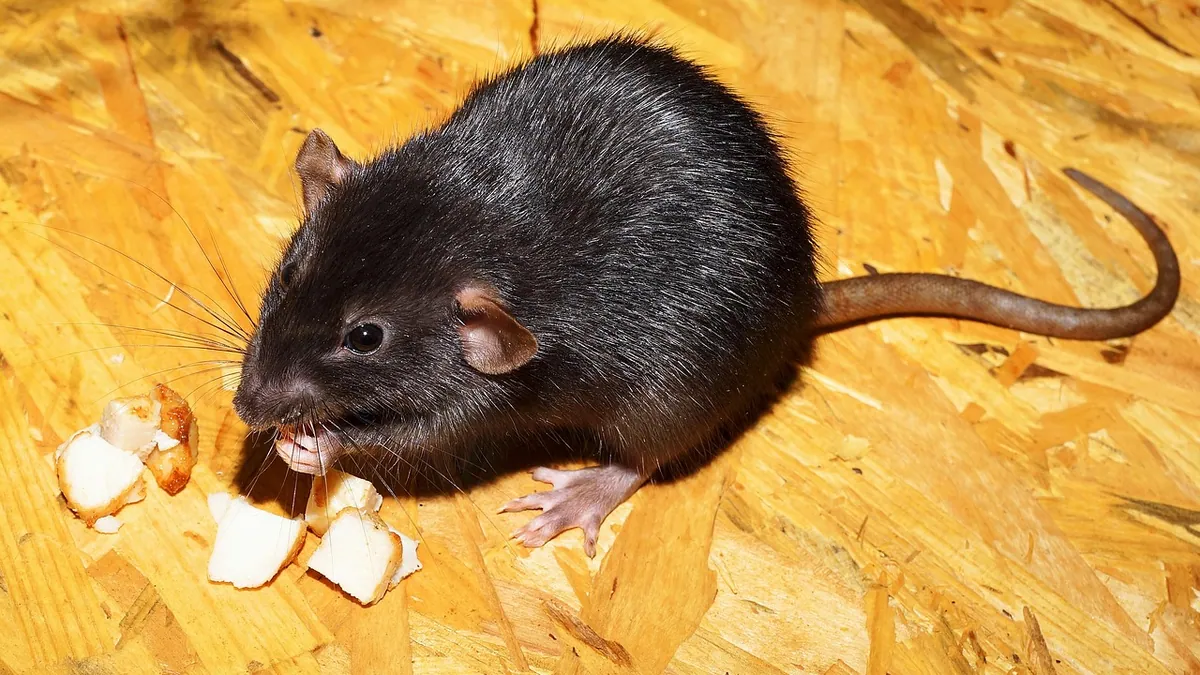
Rats bite for a short list of reasons, and most of them are not about you. A rat may be tasting your fingers, defending itself, protecting a cage or litter, or acting on a hormone surge. The fix depends on which one you are seeing, so the first job is telling them apart.
This article is educational and is not a substitute for veterinary diagnosis or treatment.
Quick Answer
- A gentle mouthing with no pressure is usually exploration or grooming, not aggression.
- A sudden, hard bite with a lunge, puffed fur, or a hiss is a fear or defensive response.
- Male rats around 5 to 12 months old with new biting, mounting, or chasing may have hormonal aggression.
- Never punish a bite with a flick, a tap, or a loud yell. It teaches a rat that hands are dangerous.
- A rat that bites and also shows drooling, weight loss, or a change in eating needs a vet visit.
Why Is My Rat Biting Me? Normal Reasons First
Exploratory Nibbling and Tasting
Rats explore the world with their mouths and whiskers. Your fingers smell like food, soap, lotion, or another rat, and a quick nibble is how your rat checks what you are. This is the "why is my rat nibbling me" behavior most owners notice first. The pressure is light, the rat is relaxed, and there is no lunging or puffing. Some rats also groom your cuticles and nails, which can pinch a little but is social, not hostile.
If the nibbling gets harder, it usually means your rat is excited, hungry, or has learned that biting gets a reaction. That is a training problem, not a temperament problem.
Fear and Defensive Biting
Rats are prey animals. A hand coming in published veterinary research looks like a predator, and a rat that has not been handled much will defend itself. Fear biting is fast and comes with a body language set: flattened posture, freezing, squeaking, backing into a corner, or a hard lunge with the mouth open. Rats also learn fear quickly. In one behavioral study, a single pairing of a predator odor with a moving artificial snake produced a fear memory that lasted at least three days, with freezing rising from 19% to 32% across retests [1]. That is how fast a bad experience can stick.
Hormonal Aggression in Male Rats
Intact male rats can develop aggression as they mature, often between 5 and 12 months of age. This is driven by hormones and by social stress, not by meanness. Research in male rats shows that sexual aggression and prenatal stress can disrupt maternal care and raise aggression in the offspring through changes in the hypothalamic-pituitary-adrenal axis and related brain systems [2]. In plain terms, early life stress and hormone activity can wire a rat toward a shorter fuse.
Hormonal aggression looks different from fear biting. The rat may puff up, hiss, chase your hand, bite through the cage bars, or attack a cagemate. It often starts suddenly in a rat that was previously calm.
Maternal Aggression in Females
A mother rat with a litter can be fiercely protective. Maternal aggression is a normal, temporary state, and it fades as the pups grow. Research shows that this protective aggression is tied to specific brain circuits that activate when a mother confronts an intruder, and it is not the same as general aggression [3]. If your female rat bites only near the nest, leave her alone and let her raise the pups with minimal handling.
Pain, Illness, and Irritation
A rat in pain bites because it hurts to be touched. Common triggers include abscesses, dental problems, ear infections, tumors, and skin parasites. Any rat that was friendly and becomes bitey should get a veterinary exam before you assume it is behavioral.
Medical Causes to Rule Out
Biting that starts suddenly in an adult rat deserves a health check. Your veterinarian will look for:
- Dental overgrowth or a broken tooth, which makes eating painful
- Abscesses, bite wounds, or lumps under the skin
- Ear infection or head tilt, which can make handling dizzy and frightening
- Respiratory disease, which causes labored breathing and stress
- Skin mites or lice, which cause intense itching and irritability
- Neurologic problems, which can cause unprovoked biting
- Reproductive tract disease in females, including pyometra and mammary tumors
Pain and illness lower a rat's bite threshold. Treat the medical problem and the biting often improves on its own.
When Nibbling Becomes a Problem
A bite is a problem when it breaks skin, happens repeatedly, targets a specific person or body part, or comes with aggression toward cagemates. Cage mate aggression is a welfare emergency, because a bullied rat cannot escape and may be injured.
Watch for these patterns:
- Biting only through the cage bars, which often means barrier frustration or territorial behavior
- Biting when you reach into the cage, which points to fear or resource guarding
- Biting during handling but not in the cage, which suggests the rat is uncomfortable with restraint
- Biting a cagemate with chasing, pinning, or wounds, which needs separation and a vet visit
If your rat is showing broader aggression problems, see Dealing with Aggressive Pet Rat Behavior: Causes and Solutions for a fuller plan.
What to Do Step by Step
Step 1: Get a Veterinary Exam
Book a visit for any sudden behavior change. Your veterinarian can check teeth, ears, skin, and lumps, and can discuss whether neutering is appropriate for a hormonally aggressive male. A veterinarian calculates any medication dose from your rat's weight and health, so never use a dose from the internet.
Step 2: Change How You Handle Your Rat
- Wash your hands before handling to remove food smells.
- Scoop your rat from below with both hands, never in published veterinary research.
- Support the hindquarters so the rat feels secure.
- Keep sessions short at first, two to five minutes, and end on a calm note.
- Use a towel or a small box to move a frightened rat instead of grabbing.
- Let the rat come to your hand. Place a treat on your palm and wait.
Step 3: Train With Positive Reinforcement
Rats learn fast with food. Offer a soft treat like a pea-sized piece of banana or a plain oat when your rat approaches your hand calmly. Say a cue word, give the treat, and repeat. If your rat mouths you, hold still and withdraw your hand for ten seconds. This removes the reward for biting without scaring the rat.
Target training helps too. Teach your rat to touch a chopstick or a spoon with its nose, then reward. This gives you a way to move your rat without hands, which lowers the bite risk during cage cleaning.
Step 4: Fix the Environment
Boredom and crowding raise aggression. Post-weaning social isolation increases impulsive aggression in male rats, and long-term housing in an enriched environment reduces it, though the effect fades when enrichment stops [4]. That tells you enrichment must be ongoing, not a one-time fix.
- House rats in pairs or small groups when possible, with same-sex pairs unless you are breeding.
- Give a large cage with multiple levels, hides, hammocks, and chew toys.
- Rotate toys every few days so the cage stays interesting.
- Provide foraging puzzles and scatter food to encourage natural behavior.
- Give each rat its own hiding spot and food bowl to reduce competition.
- Clean cages regularly, since ammonia buildup irritates airways and mood.
Play matters for welfare too. Rat tickling mimics rough play, and research shows both sexes enjoy it, but females prefer a gentler style with less vigorous pinning [5]. If your rat seems to enjoy gentle play, keep it light. If it puffs up or freezes, stop.
Step 5: Handle Hormonal Aggression Directly
For an intact male with true hormonal aggression, talk to your veterinarian about neutering. It does not fix every case, but it lowers testosterone and often reduces aggression within a few weeks. Until then, use thick gloves for cage cleaning, work through the bars with a spoon, and avoid direct hand contact during flare-ups.
For a mother with pups, limit handling to cage cleaning and let her be. For a rat that bites only in one spot in the cage, that spot is likely a resource. Move the food bowl, water bottle, or hide to a neutral area and see if the behavior changes.
Step 6: Build Trust Over Weeks
Bonding takes time. Sit near the cage and talk softly. Offer treats through the bars. Then move to hand feeding with the cage door open. Progress to short lap sessions. If your rat regresses, go back a step. For more on this process, read How to Bond With Your Pet Rats and Understanding Pet Rat Behavior: Bonding and Socialization.
What Not to Do
- Do not flick, tap, or thump your rat's nose. Punishment raises fear and makes biting worse.
- Do not yell or blow on your rat. It reads as a threat.
- Do not grab a rat that is cornered or puffed up. You will get bitten.
- Do not assume a bite is "just personality." Sudden biting has a cause.
- Do not separate a bonded pair permanently unless a veterinarian or behavior professional advises it.
- Do not use gloves as your only plan. Gloves protect you but do not change the behavior.
- Do not breed a rat with a bite history. Aggression has a genetic and early-life component [2].
If you keep other small pets, the same principles apply. See Hamster Biting Hand for a comparison, and Why Does My Bird Bite, and How to Stop It if you also keep birds.
When to Call a Veterinarian or Behavior Professional
Contact a veterinarian or a certified behavior professional if:
- Biting breaks skin or happens more than once a week
- Biting starts suddenly in an adult rat with no clear trigger
- Your rat bites cagemates and causes wounds
- Your rat shows puffed fur, hissing, or lunging at the cage front
- You feel unsafe cleaning the cage or feeding your rat
- A mother rat bites when you approach the nest and you need to handle pups
- Behavior does not improve after four to six weeks of consistent training and enrichment
A certified behavior professional can assess the home setup and build a plan. Your veterinarian can rule out pain and discuss medical options like neutering.
Limitations and When to Contact a Veterinarian
This article covers common patterns, but every rat is an individual. A veterinarian needs to examine your rat to rule out pain, dental disease, infection, and tumors before you treat biting as purely behavioral.
Call your veterinarian the same day if your rat:
- Stops eating or drinking
- Has drooling, a swollen face, or a broken tooth
- Has a wound from a cagemate that is open, bleeding, or smells bad
- Is breathing with effort or making clicking sounds
- Has a head tilt, circling, or trouble walking
Go to an emergency clinic now if your rat:
- Has a bite wound that will not stop bleeding
- Is collapsed, limp, or unresponsive
- Is straining to breathe with the mouth open
- Has a swollen, painful abdomen
- Has a prolapsed organ or a large open wound
For a routine visit, book within a few days for any new biting, weight loss, or behavior change. Early treatment is easier on your rat and on your wallet.
Frequently Asked Questions
Why does my rat nibble me gently instead of biting hard?
Gentle nibbling is exploration, grooming, or a request for attention. Rats use their mouths to investigate textures and smells, and light pressure with a relaxed body means your rat is comfortable. If the pressure increases, your rat may be excited or have learned that biting gets a reaction, so redirect with a treat and a target.
Why did my rat bite me after months of being friendly?
A sudden bite in a previously calm rat usually points to pain, illness, or a hormone shift. Dental problems, abscesses, ear infections, and tumors are common triggers, and intact males can develop aggression as they mature. Get a veterinary exam first, then address behavior.
Can neutering stop aggression in male rats?
Neutering reduces testosterone and often lowers aggression in hormonally driven cases, but it does not fix every rat. Fear-based and pain-based biting will not improve from surgery alone. Your veterinarian can help you decide if neutering fits your rat's pattern.
Should I punish my rat for biting?
No. Punishment raises fear and makes biting more likely, because your rat learns that hands predict something unpleasant. Instead, withdraw your hand calmly, pause the interaction, and reward calm behavior with treats and gentle handling.
How long does it take to stop a rat from biting?
Most fear-based biting improves within four to six weeks of consistent, gentle handling and enrichment, though some rats need longer. Hormonal aggression may take several weeks after neutering to settle. If nothing changes after six weeks, ask your veterinarian about a behavior referral.
Related Articles
- Dealing with Aggressive Pet Rat Behavior: Causes and Solutions
- How to Bond With Your Pet Rats
- Understanding Pet Rat Behavior: Bonding and Socialization
- Male Pet Rat Behavior: What to Expect and How to Manage
- Why Is My Rat Chattering? Teeth Chattering Explained
References
- A novel behavioral paradigm for innate predator fear memory in rats. Journal of neuroscience methods, 2026.
- Sexual aggression and prenatal stress lead to poor maternal care and aggressive behaviour in male Wistar rat offspring. IBRO neuroscience reports, 2026.
- CART Neurons in the Hypothalamic Ventral Premammillary Nucleus (PMv) in Rats Mediate Maternal, But Not Inter-male Aggression. The Journal of neuroscience : the official journal of the Society for Neuroscience, 2025.
- Enriched environment during adulthood temporarily ameliorates aggression induced by post-weaning social isolation in rats. Neuroscience letters, 2025.
- Sex differences in the enjoyment of enrichment: affective bias testing confirms female rats prefer more playful and less vigorous tickling. Biology letters, 2026.