How to Tell If Your Small Pet Is Dying: Signs to Watch
By Dr. Zubair Khalid, DVM, MS, PhD ·
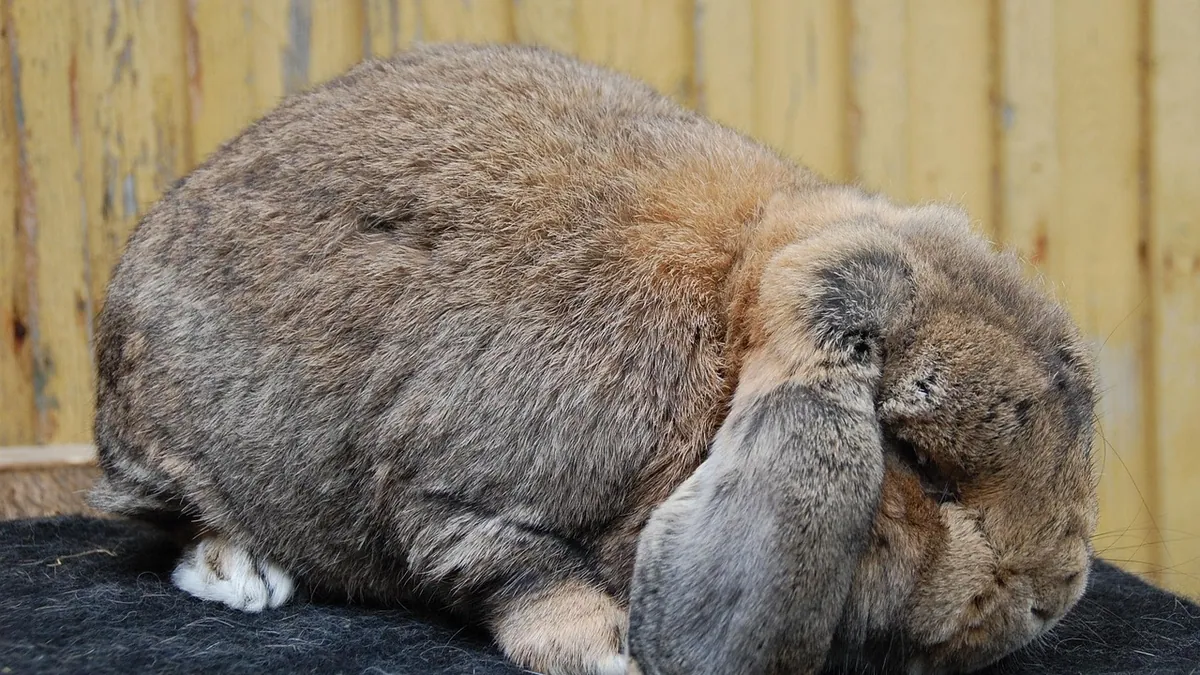
How to tell if your rabbit is dying comes down to a cluster of changes, not one single sign. A dying rabbit usually stops eating, becomes weak or unable to hop, breathes abnormally, and may feel cold. Because rabbits hide illness until they are very sick, these signs often appear late and need urgent veterinary attention.
This article is educational and is not a substitute for veterinary diagnosis or treatment.
Quick Answer
- A rabbit who has stopped eating, stopped passing droppings, or cannot stand is in an emergency, not a wait-and-see situation.
- Labored breathing, open-mouth breathing, or a body that feels cool to the touch are grave signs.
- Grinding the teeth and sitting hunched are common signs of pain or serious illness in rabbits [1].
- Rabbits hide illness well, so any sudden decline deserves a call to your vet the same day [1].
- Euthanasia is a valid, kind choice when your rabbit has more bad days than good ones and treatment cannot restore comfort.
What Is Happening in a Dying Rabbit?
Dying is a process, not a single moment. In small mammals like rabbits, the body's systems slow down over hours to days. The heart weakens, breathing changes, body temperature drops, and the rabbit loses interest in food, water, and surroundings.
Some of this is natural aging. Some is caused by a specific disease that has reached its final stage. In older rabbits, heart disease is one example. A case report described a seven-year-old rabbit with congestive heart failure from leaky heart valves, and the condition caused fluid buildup and only brief improvement with treatment before the rabbit died [2]. That pattern, where treatment buys comfort but not a cure, is common in end-of-life care.
Knowing what is happening helps you make decisions. You are not failing your rabbit by preparing for death. You are caring for it well.
Signs Owners Notice: How to Tell If My Rabbit Is Dying
Changes in Eating and Digestion
A rabbit that refuses food, even favorite treats, is seriously ill. Rabbits should not go long without eating because fasting disrupts the normal movement of food through the digestive system, and rabbits cannot vomit [1]. When a rabbit stops eating and stops producing droppings, the gut can shut down. This is painful and life threatening.
Watch for:
- No droppings for 12 hours or more
- Droppings that are tiny, misshapen, or covered in mucus
- Drooling or a wet chin
- A swollen or hard belly
- Complete refusal of hay, pellets, and greens
Changes in Movement and Posture
A dying rabbit often stops hopping and lies flat. Some press their belly to the floor. Others sit hunched with their eyes half closed. Grinding the teeth and a hunched posture are recognized signs of pain or illness [1].
You may also see:
- Weakness or dragging the back legs
- Loss of balance or rolling
- Tremors or twitching
- Inability to right itself after lying on its side
Changes in Breathing and Body Temperature
Breathing that is fast, shallow, noisy, or done with an open mouth is a red flag. A rabbit with heart failure may have crackles in the lungs and muffled heart sounds on examination [2]. At home, you may simply notice your rabbit breathing harder while resting.
A dying rabbit often feels cool, especially the ears, paws, and belly. The gums may look pale, gray, or blue instead of pink.
Changes in Behavior and Awareness
A dying rabbit may withdraw, hide, or stop responding to your voice. Some become restless and shift position constantly. Others become very still. Loss of bladder or bowel control can happen in the final hours.
If you are unsure whether your rabbit is sick or simply slowing down with age, this guide on signs of illness in small mammals and when to see a vet can help you sort out what matters.
Causes and Risk Factors
Many conditions can lead a rabbit toward death. Common ones include:
- Gastrointestinal stasis. The gut slows or stops. This is often triggered by pain, stress, dehydration, or a poor diet low in hay.
- Dental disease. Overgrown molars cause pain and make eating difficult.
- Heart disease. Leaky valves and heart failure are seen more often as pet rabbits live longer [2].
- Infections. Abscesses, respiratory infections, and intestinal problems can become severe.
- Cancer. Tumors are common in older rabbits, especially in the uterus of unspayed females.
- Trauma or surgical complications. Rabbits face higher risks from anesthesia than dogs and cats, and problems during or after surgery can be serious [3].
Age raises risk. So does a diet without enough hay, a stressful environment, and delayed veterinary care. Because rabbits hide illness, many conditions are advanced by the time owners notice [1].
How Veterinarians Diagnose a Declining Rabbit
Your vet starts with a full history and a hands-on exam. They will check weight, hydration, heart rate, breathing, teeth, belly, and body temperature. They will ask about appetite, droppings, and behavior changes.
Testing may include:
- Blood work to check organ function and infection
- X-rays to look for gas, blockages, or fluid
- Ultrasound to examine the heart and abdomen
- Echocardiography if heart disease is suspected, since it can show valve problems and fluid around the heart and lungs [2]
In one reported case, a rabbit with a perforated colon showed up with apathy, anorexia, low body temperature, fast heart rate, and abdominal pain, and imaging found free gas and fluid in the abdomen [4]. That rabbit was euthanized during surgery because the damage was too severe. This shows how quickly a rabbit can go from "not quite right" to a life-ending crisis.
Diagnosis matters because some conditions are treatable. A rabbit in gut stasis can recover with fluids, pain relief, and feeding support. A rabbit with heart failure may get weeks or months of better quality of life with medication [2]. You cannot know which situation you are in without an exam.
Treatment Options Near the End of Life
Treatment depends on the cause and on what your rabbit can tolerate.
Supportive care may include fluids under the skin or into a vein, syringe feeding, pain medication, and warmth. Pain management is a core part of rabbit care, and vets often use several drugs together around surgery and during recovery [5]. The same approach applies to a rabbit in decline.
Specific treatment targets the disease. Heart medications such as furosemide and enalapril have been used to manage congestive heart failure in a rabbit, providing brief improvement [2]. Antibiotics require caution because some oral antibiotics that are safe for other pets can disrupt a rabbit's gut bacteria and cause severe diarrhea or death [1]. Your vet will choose drugs carefully and calculate every dose from your rabbit's weight and health.
Surgery is an option for some problems, such as a blockage or an abscess. Rabbits should not be fasted for long before surgery because fasting disrupts gut movement, and they need to eat again as soon as possible afterward [1]. Pain medicine is often used for a day or two after surgery to help them keep eating [1].
Euthanasia is humane when treatment cannot restore comfort. It is not giving up. It is choosing to end suffering.
| Sign | What it can mean | Urgency |
|---|---|---|
| Not eating, no droppings | Gut stasis or blockage | Emergency today |
| Open-mouth or labored breathing | Heart or lung problem | Emergency now |
| Hunched posture, teeth grinding | Pain or serious illness [1] | Same-day vet visit |
| Cool body, pale gums | Shock or dying process | Emergency now |
| Weakness, cannot stand | Advanced disease | Emergency now |
Recovery, Outlook, and Long-Term Management
Some rabbits recover. A rabbit treated early for gut stasis often returns to normal within days. A rabbit with heart disease may live comfortably for a while on medication, though the condition is progressive [2].
When recovery is not possible, the goal shifts to comfort. That means:
- Keeping your rabbit warm, dry, and quiet
- Offering soft, easy-to-eat foods and fresh water
- Giving pain medication as prescribed
- Keeping the living area close to you so you can check often
- Avoiding stressful handling and loud noise
Talk with your vet about what to expect. Ask how much time is likely, what signs mean it is time to let go, and whether euthanasia at home is available in your area.
Prevention
You cannot prevent every disease, but you can lower risk.
- Feed unlimited grass hay as the base of the diet.
- Offer fresh water at all times and clean bottles and bowls daily.
- Provide a large enclosure with room to hop and hide.
- Spay female rabbits to prevent uterine cancer.
- Schedule yearly vet visits, and twice yearly for rabbits over five years old.
- Weigh your rabbit monthly and watch for weight loss.
- Act fast when appetite or droppings change. Rabbits hide illness, so quick care matters [1].
If you also care for other pets, this article on signs of illness in pet birds and when to see an avian vet follows the same principle: small animals mask problems until they are advanced.
Limitations and When to Contact a Veterinarian
No article can tell you whether your specific rabbit is dying. Only a veterinarian who examines your rabbit can do that. Individual cases need a veterinarian.
Call your vet the same day if your rabbit:
- Has not eaten in 12 hours
- Has not passed droppings in 12 hours
- Is grinding its teeth or sitting hunched [1]
- Is limping, drooling, or losing weight
- Seems painful or unusually quiet
Go to an emergency clinic now if your rabbit:
- Breathes with an open mouth or struggles to breathe
- Cannot stand or right itself
- Has pale, gray, or blue gums
- Feels cold and limp
- Has seizures or sudden collapse
If you suspect poisoning, call your veterinarian or a pet poison hotline immediately. Do not wait to see if symptoms improve.
Frequently Asked Questions
How long can a rabbit live without eating?
A rabbit can become dangerously ill within a day of not eating. Fasting disrupts normal gut movement, and rabbits cannot vomit, so a stopped gut is a serious emergency [1]. Do not wait more than a few hours before calling your vet.
Is my rabbit dying or just sleeping more?
Sleeping more can be normal in an older rabbit, but a dying rabbit also stops eating, stops passing droppings, and becomes weak. If your rabbit is hard to wake, feels cool, or breathes abnormally, treat it as an emergency. A vet exam is the only way to know for sure.
Should I force-feed a dying rabbit?
Do not force-feed without veterinary guidance. A rabbit with a blockage or severe illness may be harmed by food pushed into the stomach. Your vet can show you safe syringe-feeding techniques and tell you whether feeding support is appropriate.
Can a dying rabbit recover with treatment?
Yes, some rabbits recover, especially if the problem is caught early and treated. Gut stasis, infections, and pain often improve with fluids, medication, and supportive care. Conditions like heart failure are progressive, but treatment can still extend good quality of life [2].
What is the kindest thing to do for a dying rabbit?
Keep your rabbit warm, quiet, and free from pain, and talk to your vet about euthanasia if comfort cannot be restored. Euthanasia is a humane choice when suffering outweighs any chance of recovery. Your vet can help you decide based on your rabbit's specific condition.
Related Articles
- Signs of Illness in Small Mammals and When to See a Vet
- How to Tell If Your Small Pet Is Sick: Early Warning Signs
- How to Tell If Your Rabbit Is in Pain and Help It
References
- Illness of Rabbits - All Other Pets. Merck Veterinary Manual.
- Valvular Regurgitation and Congestive Heart Failure in an Elderly Dutch Rabbit (Oryctolagus cuniculus). Case reports in veterinary medicine, 2025.
- Peri-anaesthetic adverse events and their risk factors in 316 pet rabbits undergoing general anaesthesia: A multicentric, retrospective study. Veterinary journal (London, England : 1997), 2026.
- Pneumoperitoneum Secondary to Colonic Perforation in a Domestic Rabbit. Animals : an open access journal from MDPI, 2026.
- Survey of German veterinarians' approaches to pain assessment and management of perioperative pain in pet rabbits. The Veterinary record, 2026.