How to Rehome a Guinea Pig or Rabbit: Adoption Guide
By Dr. Zubair Khalid, DVM, MS, PhD ·
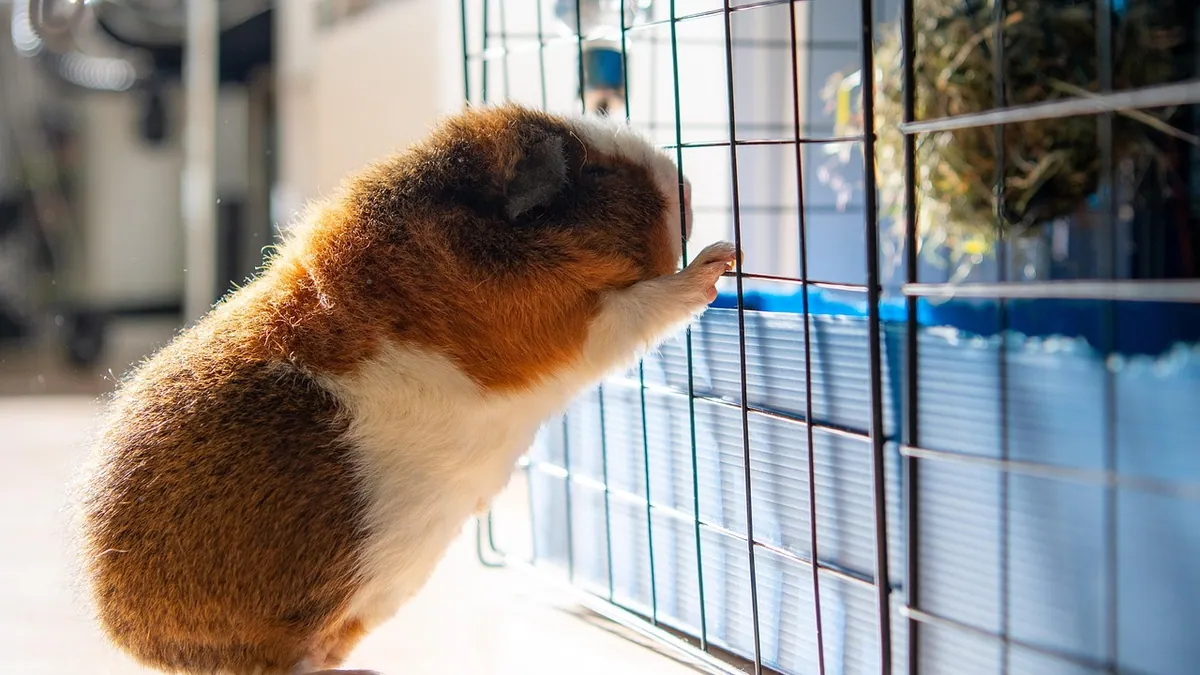
Guinea pig adoption is the safest path when you can no longer keep your pet. A rescue or shelter can screen new homes, provide veterinary care, and match your guinea pig with an owner who understands its needs. You have more options than you may think, and a little preparation makes the transition easier on the animal.
This article is educational and is not a substitute for veterinary diagnosis or treatment.
Quick Answer
- Start with small-animal rescues and open-admission shelters in your area, then ask whether they have space and what they charge.
- Expect a surrender or rehoming fee at many organizations. Call ahead, because fees and waitlists vary by group and by season.
- Prepare a written care sheet with your guinea pig's diet, cage setup, and medical history, and send its belongings along with it.
- Keep the guinea pig in its familiar cage and bedding during transport, and avoid extreme heat or cold on the way [1].
- If you adopted from a rescue, read your contract first. Many require you to return the animal to them instead of rehoming it yourself.
Step-by-Step: How to Put My Guinea Pig Up for Adoption
Step 1: Decide on a timeline and a plan B
Give yourself a realistic deadline. If you are moving, check your lease and move-in date before you promise anyone a handoff. Housing problems are a leading reason people relinquish pets in the United States, and pet-related restrictions and landlord issues are common subtypes [2]. Knowing your deadline helps you choose between a rescue waitlist and a private adoption.
Step 2: Contact small-animal rescues first
Search for guinea pig or small-mammal rescues within a few hours of your home. Rescue networks that focus on rabbits and rodents can place animals effectively and protect their welfare [3]. Ask three questions: Do you have space, what is your surrender fee, and how long is the waitlist? If the rescue is full, ask for a referral to another group.
Step 3: Try your local shelter
Open-admission shelters take animals when they have room, but guinea pigs are sometimes housed in the same area as predator species, which is stressful. Ask where your guinea pig will be housed and how long it typically stays. A shelter that partners with foster homes may be a better fit than a crowded kennel.
Step 4: Ask about a foster-based placement
Foster homes let a guinea pig live in a quiet house instead of a shelter run. In one analysis of a foster network for abandoned rabbits and rodents, 98.5% of the 1,024 animals were cared for in foster homes, and 686 were adopted after an average of 9.2 months [3]. That timeline is a useful reality check. Foster placement can take months, so start early.
Step 5: Screen private adopters carefully
If you place your guinea pig yourself, treat it like an adoption interview. Ask about cage size, whether the person plans to keep a single guinea pig or a pair, what they feed, and whether they have a veterinarian who treats exotics. Guinea pigs are social animals that often do well in pairs or small groups, so a home with a compatible same-sex companion may be a good match [1]. Never hand over an animal to someone who will not answer basic care questions.
Step 6: Complete the handoff
Meet in a neutral, temperature-controlled place. Bring the cage, hide box, food, hay, water bottle, and any medications. Walk the new owner through the daily routine. Get a signed transfer note with the date and both names, and keep a copy.
Rehoming Timeline and Checklist
Use this table to plan the weeks before the handoff.
| Timeframe | Action | Why it matters |
|---|---|---|
| Week 1 | Call rescues and shelters, ask about fees and waitlists | Waitlists can be long, so early contact protects your deadline |
| Week 1 | Check your adoption contract for a return clause | Some rescues require the animal to come back to them |
| Week 2 | Schedule a wellness exam and get records | A health check makes your guinea pig more adoptable and protects the new home |
| Week 2 | Write a care sheet with diet, cage size, and habits | The new owner can copy what already works |
| Week 3 | Photograph your guinea pig in good light | Clear photos help rescues and adopters say yes |
| Week 3 | Gather supplies to send along | Familiar items reduce stress during the move |
| Week 4 | Confirm the handoff time and place | A firm plan prevents last-minute scrambling |
Preparing Your Guinea Pig for the Transition
Health check before rehoming
Book a veterinary exam before you place your guinea pig. Ask the veterinarian to check the teeth, feet, skin, and weight, and to note any ongoing issues. In one study of abandoned rabbits and rodents, 51.2% of animals were admitted with health issues [3]. A current exam and a written summary help the next owner plan care and may help a rescue accept your pet sooner.
Keep the routine stable
Change as little as possible in the final weeks. Keep the same food, hay, and bedding. Guinea pigs are sensitive to temperature and humidity, with a comfortable range of about 65 to 75°F (18 to 24°C) and low humidity preferred [1]. During transport, avoid very hot or very cold weather [1]. A familiar smell and a stable temperature lower the stress of the move.
Send the right supplies
Pack the cage or enclosure, a hide box, a water bottle, food dishes, hay, pellets, and a brush. A small wood or cardboard box gives security and a place to sleep [4]. If your guinea pig uses a specific pellet brand or hay type, send a two-week supply so the new owner can transition slowly if they plan to switch.
Write a one-page care sheet
Include the following:
- Daily hay amount and pellet type
- Fresh vegetable list and portion sizes
- Cage dimensions and cleaning schedule
- Any past illnesses, surgeries, or dental problems
- Your veterinarian's name and the date of the last exam
- Personality notes, such as whether your guinea pig is shy or enjoys lap time
Housing and Setup Details That Matter for Health
Cage size is the detail adopters most often get wrong. Many commercial guinea pig cages are too small, especially for more than one animal [4]. The recommended minimum is at least 7 square feet for one guinea pig, plus 2 to 4 square feet for each additional guinea pig [4]. A smooth floor matters because guinea pigs have delicate feet and tiny toes, so avoid wire-mesh floors [4].
Enrichment supports both physical and mental health. Arrange the cage so your guinea pig moves between sleeping, eating, and drinking spots, and add a second level with a solid ramp [4]. PVC pipes at least 5 inches in diameter make good tunnels, but do not use exercise wheels, which can injure guinea pigs [4]. Provide daily supervised time outside the cage in a guinea pig-proofed area without cords or chew hazards [4][1].
If you are helping a new owner set up, point them to our guide on cages for guinea pigs. If they are still deciding between species, guinea pig vs rabbit covers the differences in care and housing.
Signs That Something Is Wrong
Watch for changes in eating, breathing, movement, and droppings. Guinea pigs hide illness well, so subtle shifts matter.
Contact a veterinarian the same day if you see:
- Not eating or drinking for more than a few hours
- No droppings, or a sudden drop in droppings
- Labored breathing, wheezing, or a runny nose
- Drooling, dropping food, or weight loss
- Swelling, a limp, or a foot wound
- A large, firm, or painful belly
Go to an emergency clinic now if you see:
- Open-mouth breathing or gasping
- Collapse, seizures, or unresponsiveness
- Bleeding that will not stop
- A body temperature problem after heat exposure, since temperatures above about 85°F (29°C) can cause heatstroke [1]
Schedule a routine visit for:
- A new lump or skin change
- Gradual weight loss over weeks
- Overgrown nails or teeth
- Any question about diet, housing, or a companion
Common Mistakes When Rehoming a Guinea Pig
Rehoming too fast. A same-day handoff to a stranger skips screening. Slow down and ask questions.
Skipping the health check. Undiagnosed problems can become the new owner's crisis. In the Madrid foster network, only 12 of 1,024 animals were neutered and 8 were microchipped, which shows how little medical history often travels with these pets [3]. A written record is a real gift.
Forgetting the adoption contract. If you adopted from a rescue, the contract may require you to return the animal to that group. Read it before you post an ad.
Splitting a bonded pair. Guinea pigs are social and often do well in pairs or small groups [1]. Rehoming a bonded pair together is kinder than separating them.
Assuming a shelter is the only option. Rescues, foster networks, and responsible private adoption all work. A foster-based group can keep your guinea pig in a home setting while it waits [3].
Ignoring housing rules. If your lease is the reason for rehoming, confirm the new owner's housing allows guinea pigs. Housing restrictions are a frequent cause of relinquishment [2].
Giving away a sick pet as "free." Free ads can attract people who will not pay for veterinary care. A modest adoption fee and a conversation filter out many poor matches.
Limitations and When to Contact a Veterinarian
No article can assess your individual guinea pig. A veterinarian who examines your pet can give advice for its specific health and behavior.
Call your veterinarian if your guinea pig stops eating, has trouble breathing, or shows sudden weakness. These signs can worsen within hours. If your guinea pig was exposed to extreme heat or cold during transport, treat it as urgent and call an emergency clinic. For routine rehoming preparation, book a wellness exam at least one to two weeks before the handoff so records are ready.
Frequently Asked Questions
Can I put my guinea pig up for adoption if I did not buy it from a rescue?
Yes. You can surrender your guinea pig to a shelter or rescue, or place it through a private adoption. Start with small-animal rescues, because they know guinea pig care and can screen homes. Call ahead to ask about space, fees, and waitlists.
How much does it cost to surrender a guinea pig?
Fees vary by organization and are not standardized. Some rescues charge a surrender fee to cover food, housing, and veterinary care, while some shelters accept animals at no cost. Ask the specific group for its current fee before you commit.
Will a rescue take my guinea pig if it has a health problem?
Many will, but they may ask for a medical history or a recent exam first. In one foster network, about half of the animals arrived with health issues, and adoption happened regardless of health status [3]. Be honest about any known condition so the rescue can plan care.
Should I rehome my guinea pig alone or with its companion?
Keep bonded guinea pigs together if they have lived together peacefully. Guinea pigs are social animals that often do well in pairs or small groups [1]. Separating a bonded pair adds stress and can cause behavior problems in both animals.
How long does guinea pig adoption usually take?
It varies widely. In one foster network for rabbits and rodents, adopted animals waited an average of 9.2 months [3]. Shelters with high foot traffic may place a guinea pig faster, while rescues with long waitlists may take longer. Plan for weeks to months, not days.
Related Articles
- Cages for Guinea Pigs: The Complete Housing Guide
- Guinea Pig vs Rabbit: Which Pet Is Right for You?
- Guinea Pig Companionship and Housing Needs
- Complete Guinea Pig Care Guide
- Do Guinea Pigs Need to Be in Pairs? Social Needs
- Do Guinea Pigs Like to Be Held? Handling Guide
- My Guinea Pig or Rabbit Died: What Should I Do?
References
- Unique Needs of Guinea Pigs - All Other Pets. Merck Veterinary Manual.
- Housing-related companion animal relinquishment across 21 animal shelters in the United States from 2019-2023. Frontiers in veterinary science, 2024.
- Abandonment and rehoming of rabbits and rodents in Madrid (Spain): A retrospective study (2008-2021). Journal of applied animal welfare science : JAAWS, 2024.
- Providing a Home for a Guinea Pig - All Other Pets. Merck Veterinary Manual.