Do Guinea Pigs Like to Be Held? Handling Guide
By Dr. Zubair Khalid, DVM, MS, PhD ·
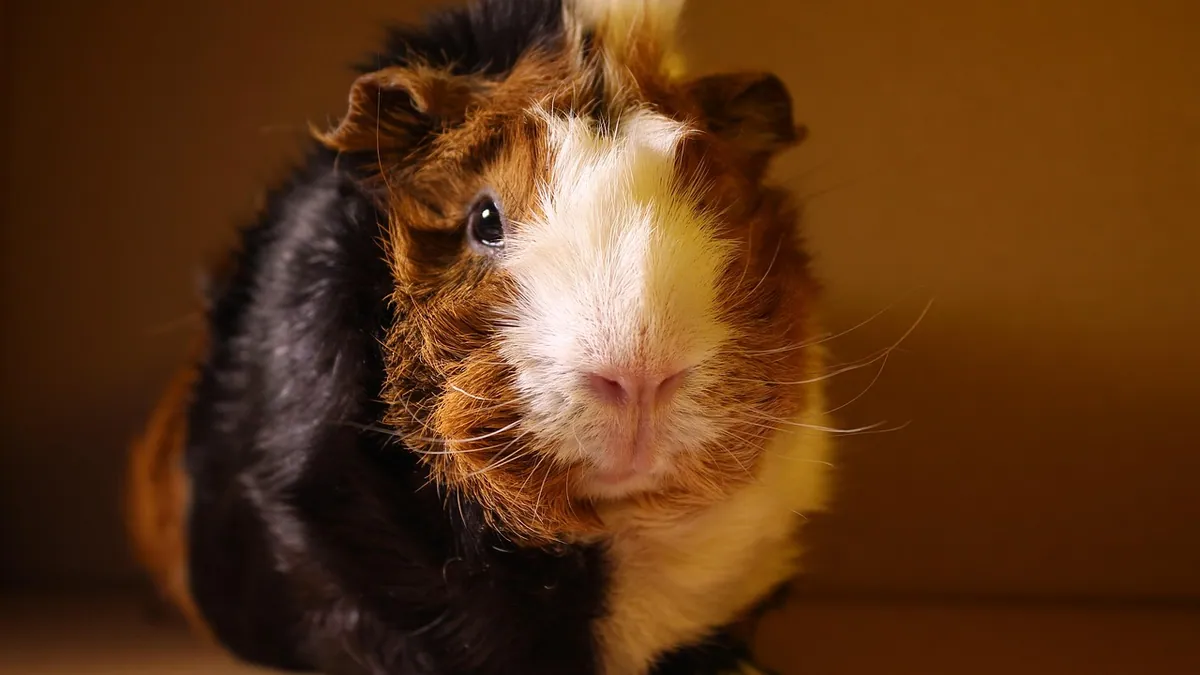
Do guinea pigs like to be held? Many guinea pigs enjoy being held once they feel secure, but they are prey animals, so trust has to be earned. Some settle into your arms within seconds, while others need weeks of short, calm sessions before they relax. This article is educational and is not a substitute for veterinary diagnosis or treatment.
Quick Answer
- Most guinea pigs tolerate and often enjoy gentle holding when their feet and rump are supported, because feeling secure is what calms them [1].
- Guinea pigs are awake during the day, so daytime handling usually fits their natural schedule [2].
- A guinea pig that likes being held stays relaxed, keeps its body loose, and may chatter or softly vocalize.
- A guinea pig that dislikes being held stiffens, freezes, turns its head away, or tries to bolt, and those are signs to stop [3].
- Keep early sessions short, aim for a few minutes at a time, and build up as your guinea pig stays calm.
Why Does My Guinea Pig Not Like Being Held?
Start with the normal reasons. Guinea pigs are prey animals. In the wild, being lifted off the ground means being caught. That instinct does not disappear just because your guinea pig lives in a cage in your living room.
It Feels Unsafe
A guinea pig that is scooped up without support under the rump and chest feels like it is falling. Veterinary guidance is clear that when you carry a guinea pig, you support its weight in one hand and place the other hand over its back so it feels secure [1]. When that support is missing, even a calm guinea pig may struggle.
It Has Not Learned Yet
Handling is a skill for your guinea pig, just as it is for you. Guinea pigs that were handled gently from a young age tend to accept it more easily. An adult guinea pig from a pet store or rescue may have had few positive experiences with hands.
It Is a Normal, Sensitive Animal
Guinea pigs are generally docile and need very little restraint for a physical exam, and many sit quietly [1]. That said, they are sensitive to temperature and humidity, and they prefer a narrow comfort range of about 65 to 75°F with low humidity [2]. A guinea pig that is too warm, in a draft, or in a loud room may resist handling for reasons that have nothing to do with you.
It Is Wired to Be Social, but on Its Own Terms
Guinea pigs are social animals that often do well in pairs or small groups [2]. They communicate constantly with each other, and much of that communication is visual and auditory instead of physical contact. In one study of mother pigs and piglets during a foraging task, the pair interacted often but mostly through visual and auditory contact, not touching. Physical handling is simply not the main way guinea pigs relate to others.
It May Be in Pain or Stressed
This is the reason owners miss most often. If your guinea pig suddenly stops tolerating handling that it used to accept, something may hurt. Veterinary guidance says to avoid excessive handling and picking up if the animal is stressed or in pain [1]. Guinea pigs usually show signs of stress before they ever nip or bite [1].
How Do I Know If My Guinea Pig Likes Being Held?
You read the body, not the sound. Guinea pigs make many noises, and a happy squeak and a scared squeak can sound similar to a new owner.
Signs of Comfort
- The body stays soft and relaxed instead of rigid.
- Your guinea pig rests its weight in your hands instead of pushing away.
- It stays still and calm, or slowly explores your sleeve.
- It eats a small treat from your hand while being held.
- It returns to normal behavior quickly after you put it down.
Signs of Stress
A study of guinea pigs used in interactive activities found that negative behaviors increased when handling was excessive. Head turning and locomotion rose significantly during excessive interaction, and freezing was seen only during excessive interaction [3]. Those are the signals to watch for.
- Head turning away from you or from the hand.
- Trying to walk or climb off your arm.
- Freezing and going completely still.
- Stiffening, tensing the legs, or flattening the body.
- Teeth chattering, a high-pitched squeal, or a sudden nip.
Guinea pigs occasionally nip or bite, but they generally show signs of stress first [1]. If your guinea pig nips, look back at what happened in the seconds before. The warning was probably there.
How Long Do Guinea Pigs Like to Be Held?
There is no single correct number of minutes. It depends on the individual, its age, how well it knows you, and how it is feeling that day.
What the research does show is that more is not better. In the zoo study, normal interactive sessions were linked to a drop in body temperature over time, while excessive interaction was linked to a rise in body temperature and more negative behaviors [3]. Salivary cortisol, a stress hormone, increased significantly across all the activities studied [3]. In plain terms, even gentle handling is a mild stressor, and piling on more time does not make it easier.
A practical approach for most pet guinea pigs:
- New guinea pig: 1 to 2 minutes per session, a few times a day.
- Settled guinea pig: 5 to 10 minutes per session, once or twice a day.
- Confident guinea pig that seeks you out: follow its lead, but keep sessions under about 15 minutes and watch for stress signals.
End every session while your guinea pig is still calm. That is how you teach it that hands predict good things.
What to Do Step by Step
Set Up the Room First
Handle your guinea pig in a quiet, closed room. Guinea pigs are small and easily injured outside their cages, and they can fall from heights or be stepped on [2]. Sit on the floor or on a low couch so a slip cannot become a fall. Keep the room between 65 and 75°F and out of direct sun and drafts [2].
Use the Right Pickup
Place one hand under the rump and the other hand under the chest to lift your guinea pig [1]. Bring it close to your body right away. When you carry it, keep one hand supporting its weight and the other over its back so it feels secure [1]. Never lift a guinea pig by the scruff or by one hand around the belly.
Pair Handling With Food
Offer a small piece of hay, a plain guinea pig pellet, or a sliver of bell pepper during and right after handling. Food turns a neutral experience into a positive one. Keep treats small so you do not upset its normal diet.
Start With Touch, Not Lifting
For a nervous guinea pig, spend the first week just resting your hand in the cage and letting it come to you. Pet along the back and shoulders. Only lift once your guinea pig stays relaxed under your hand.
Build a Routine
Guinea pigs are mostly diurnal, meaning they are awake during the day when people are awake, so you can handle them without disrupting their sleep [2]. Pick the same two or three times each day. Predictability lowers stress.
Give It a Social Life
A guinea pig that lives alone often becomes more anxious about handling because you are its only social contact. Guinea pigs are social animals that often do well in pairs or small groups, and same-sex pairs avoid breeding [2]. If you are setting up or expanding a group, see Guinea Pig Companionship and Housing Needs and Guinea Pig Social Needs: Pair Housing, Introductions, and Signs of Conflict.
Check the Basics
A guinea pig that is housed well handles better. Make sure hay is always available, the cage is clean, and there is room to move. For a full setup review, see Cages for Guinea Pigs: The Complete Housing Guide and the Complete Guinea Pig Care Guide.
What Not to Do
- Do not punish a guinea pig for struggling, nipping, or freezing. Punishment teaches fear, and fear makes handling harder.
- Do not chase your guinea pig around the cage. Corner it gently or use a small carrier or towel to move it.
- Do not hold it on its back like a baby. That position feels like being caught by a predator.
- Do not let children carry a guinea pig unsupervised. A fall from waist height can break bones.
- Do not handle a guinea pig that is stressed or in pain just to "get it used to it" [1]. Fix the underlying problem first.
- Do not assume a quiet guinea pig is a happy one. Freezing is a stress response, not calm [3].
- Do not skip nail trims because your guinea pig dislikes handling. Start clipping nails when guinea pigs are young so they get used to it, cut about 1/8 inch beyond the quick, and use styptic powder if bleeding occurs [4].
When This Becomes a Problem
Occasional squirming is normal. A handling problem is worth addressing when:
- Your guinea pig was calm for months and now panics every time you reach in.
- It stops eating, drinking, or passing normal droppings.
- It bites hard enough to break skin.
- It hides constantly and no longer comes out for food.
- You cannot trim nails, check teeth, or do a basic health check because handling is impossible.
Sudden changes in handling tolerance are often the first sign of illness in a prey animal. Guinea pigs hide pain well.
Limitations and When to Contact a Veterinarian
This article cannot tell you why your specific guinea pig behaves the way it does. Individual cases need a veterinarian who can examine your pet.
Contact a veterinarian the same day if your guinea pig:
- Stops eating or drinking.
- Has diarrhea or no droppings for several hours.
- Is breathing fast, noisy, or with visible effort.
- Feels limp, cold, or unusually warm.
- Has a wound, swelling, or a broken nail from a handling accident.
Go to an emergency clinic now if your guinea pig:
- Falls from a height or is dropped.
- Is stepped on or squeezed.
- Has a seizure, collapses, or cannot stand.
- Is gasping or has blue gums.
Schedule a routine visit if your guinea pig has never had a checkup. A veterinarian experienced with guinea pigs should examine your pet at least once a year, and guinea pigs do not need vaccinations [4]. Bring up handling concerns at that visit. A veterinarian can check for pain, dental problems, and skin issues that might explain the behavior change.
If your veterinarian finds no medical cause, ask for a referral to a certified behavior professional who works with small mammals. Behavior help for guinea pigs is less common than for dogs and cats, so a veterinarian who treats exotics is the best starting point.
Frequently Asked Questions
Do guinea pigs like being petted?
Most guinea pigs accept gentle petting along the back and shoulders once they trust you. Start with short strokes while your guinea pig is in its cage, and let it walk away when it wants. Petting on the head, feet, or belly is more likely to trigger a stress response.
Why does my guinea pig squeak when I hold it?
A squeak during handling can mean excitement or fear, so look at the rest of the body. If the body is soft and your guinea pig stays put, it is probably fine. If it is stiff, turning its head away, or trying to climb off, the squeak is a distress call and you should put it down.
Can I hold my guinea pig every day?
Yes, daily short sessions are the best way to build trust. Keep them brief at first and end on a calm note. Watch for stress signals and stop before your guinea pig reaches its limit.
Do guinea pigs bite when they are held?
Guinea pigs occasionally nip or bite, but they generally show signs of stress first [1]. A bite usually means the warning signs were missed or your guinea pig is in pain. Never punish a bite. Review your handling technique and have your guinea pig checked by a veterinarian if biting is new.
Is it better to hold my guinea pig or let it roam?
Both have value, but roaming needs supervision. Guinea pigs outside their cages can be stepped on, fall, chew electrical cords, or eat toxic houseplants, and other pets can seriously harm them [2]. Supervise all floor time in a guinea pig proofed area, and use holding sessions for
Related Articles
- Guinea Pig Companionship and Housing Needs
- Complete Guinea Pig Care Guide
- Cages for Guinea Pigs: The Complete Housing Guide
- Guinea Pig vs Rabbit: Which Pet Is Right for You?
- Guinea Pig Social Needs: Pair Housing, Introductions, and Signs of Conflict
- Husbandry and Welfare of Laboratory Guinea Pigs
- Do Guinea Pigs Bond With Their Owners?
- Do Guinea Pigs Need to Be in Pairs? Social Needs
- What Do Guinea Pigs Like to Play With? Toy Ideas
References
- Restraint and Physical Examination of Guinea Pigs - Exotic and Laboratory Animals. Merck Veterinary Manual.
- Unique Needs of Guinea Pigs - All Other Pets. Merck Veterinary Manual.
- Relationship between Ear Temperature, Behaviour and Stress Hormones in Guinea Pigs (Cavia porcellus) during Different Interactive Activities in Zoos. Animals : an open access journal from MDPI, 2024.
- Routine Care of Guinea Pigs - All Other Pets. Merck Veterinary Manual.