My Guinea Pig or Rabbit Died: What Should I Do?
By Dr. Zubair Khalid, DVM, MS, PhD ·
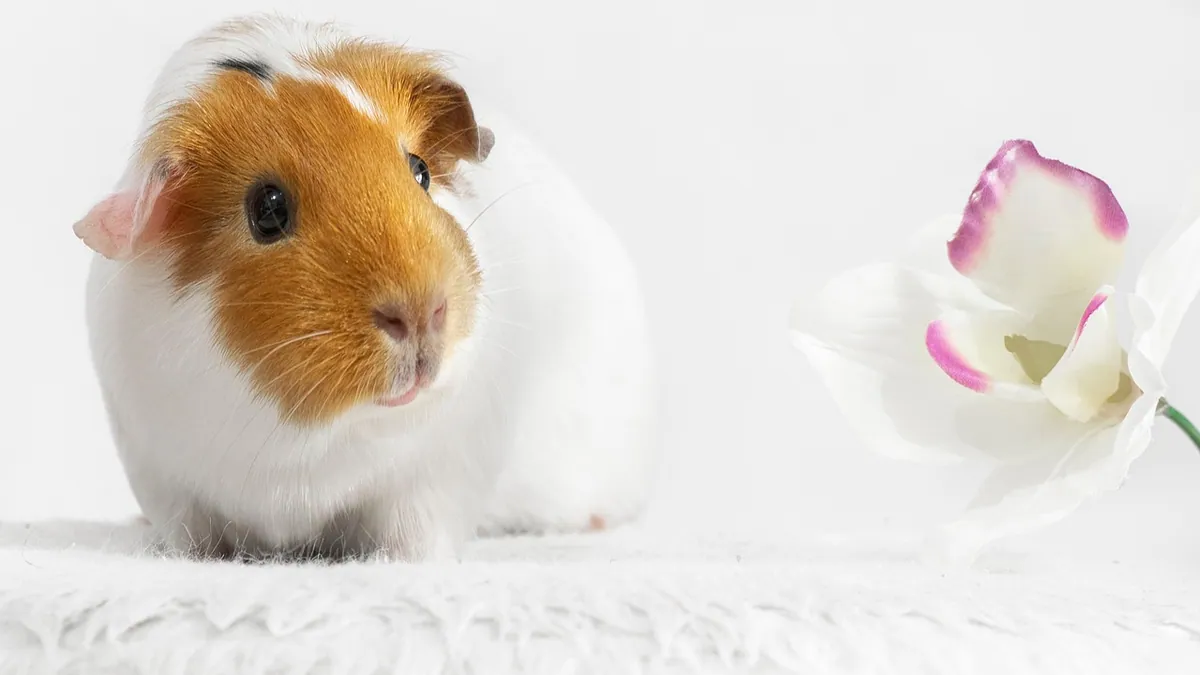
If your guinea pig died, start by taking a breath and giving yourself a moment. Then check any guinea pigs that shared the cage, decide how you want to handle your pet's body, and clean the enclosure. If a cage mate seems sick or depressed, call a veterinarian who treats exotic pets. This article is educational and is not a substitute for veterinary diagnosis or treatment.
Quick Answer
- Separate any surviving guinea pigs from the body right away, then watch them closely for a few days for signs of illness or grief.
- Guinea pigs are social and can become stressed when a cage mate disappears, so keep routines, food, and hiding spots the same.
- You can keep the body cool and covered for a short time while you decide between home burial, cremation, or a veterinary arrangement.
- A dying guinea pig that is not eating, is struggling to breathe, or cannot stand needs a veterinarian the same day, not a wait-and-see approach.
- Wash your hands after handling the body, and clean the cage with a pet-safe disinfectant before survivors return.
My Guinea Pig Died: What Should I Do First?
The first hour can feel overwhelming. These steps keep you organized and protect any guinea pigs still in the cage.
Step 1: Move the surviving guinea pigs
Take any cage mates out of the enclosure and put them in a clean carrier or a spare cage with food, water, and a hide. Guinea pigs are herd animals, and a sudden loss can disrupt their sense of safety. Do not leave a live guinea pig in the cage with a body for hours.
Step 2: Handle the body with care
Put on disposable gloves if you have them. Lay your guinea pig on a towel or in a small box, and keep the body cool, not frozen, if you need time before burial or cremation. Wash your hands well afterward, even if you wore gloves.
Step 3: Decide on aftercare
Most owners choose one of three options. Home burial is allowed in many places, but check local rules about depth and distance from water sources. Private cremation returns ashes to you. Communal cremation does not. Your veterinarian can explain what is available in your area.
Step 4: Clean the enclosure
Remove bedding, uneaten food, and water bottles. Scrub hard surfaces with a pet-safe cleaner and rinse well. Let everything dry fully before the surviving guinea pigs go back in. A clean cage lowers the chance that an infectious problem spreads to cage mates.
Step 5: Watch the survivors
For the next several days, check that every guinea pig is eating, drinking, passing normal droppings, and moving around. Weigh them if you have a small kitchen scale. A drop in weight or appetite is a reason to call your vet.
Step 6: Think about companionship
Guinea pigs usually do better with a companion. After a loss, many owners wait a short time, then look for another guinea pig of similar age and temperament. A slow introduction in neutral territory works best. If you are deciding between species for a child or a first pet, this comparison of Guinea Pig vs Rabbit: Which Pet Is Right for You? can help you plan.
A Checklist and Timeline for the First Week
Use this table as a simple plan. Adjust it to your situation and your veterinarian's advice.
| Timeframe | What to do | Why it matters |
|---|---|---|
| First hour | Remove survivors, cover and cool the body, wash hands | Prevents stress and reduces handling risks |
| First 24 hours | Decide on burial or cremation, clean the cage | Gives you a clear next step and a safe space |
| Days 1 to 3 | Watch survivors for eating, droppings, breathing | Early signs of illness are easier to treat |
| Days 3 to 7 | Weigh survivors, note any behavior changes | Weight loss is an early warning sign |
| Week 2 and beyond | Consider a new companion, keep routines steady | Guinea pigs are social and benefit from company |
Guinea pigs rarely need baths unless they are soiled, and when you do bathe one, use a shampoo made for small animals because human shampoos can dry the skin [1]. This matters after a loss too, because stress and a dirty coat can both affect a guinea pig's health.
My Rabbit Died: What Should I Do?
If your rabbit died, the steps are similar. Remove any bonded rabbit from the area, keep the body cool, and decide on aftercare. Rabbits can grieve a bonded partner, so watch for reduced eating, hiding, or changes in droppings. Call a veterinarian if a surviving rabbit stops eating within a day or two.
Signs a Surviving Guinea Pig or Rabbit Needs Help
After a death in the cage, illness can be easy to miss. Watch for these signs.
- Not eating or drinking for more than a few hours
- Droppings that are smaller, fewer, or absent
- Labored breathing, wheezing, or a runny nose
- Sitting hunched, grinding teeth, or refusing to move
- Weight loss you can feel along the spine and hips
- A wet or dirty rear end, which can point to diarrhea or urine problems
Guinea pigs should see a veterinarian experienced with guinea pigs at least once a year for a routine checkup, and they do not need vaccinations [1]. A yearly exam gives your vet a baseline, which makes it easier to spot problems after a stressful event.
My Rabbit Is Dying: What Should I Do?
If your rabbit is dying, keep it warm, quiet, and comfortable. Offer water and favorite foods, but do not force anything by mouth. Call a veterinarian who treats rabbits right away, because some conditions that look like dying can be treated. Ask about pain control and whether euthanasia is the kinder choice if your rabbit is suffering.
Sick Rabbit: What to Do
A sick rabbit can go downhill fast. Separate the rabbit from other pets if needed, keep the room calm, and note what you see: appetite, droppings, breathing, and behavior. Do not give human medications or leftover antibiotics. A veterinarian will examine your rabbit and decide on treatment.
For guinea pigs, bloodwork can give useful clues. In one study, guinea pigs with markedly elevated plasma amylase concentrations were about seven times more likely to die within 30 days compared with guinea pigs whose amylase was within the reference interval [2]. That does not mean amylase alone predicts the outcome, but it shows why lab work matters when a guinea pig is unwell.
Common Mistakes After a Small Pet Dies
- Leaving a live guinea pig with the body for a long time
- Assuming a quiet cage mate is just sad when it may be sick
- Skipping cage cleaning and letting bedding sit
- Rushing to get a new companion without a slow introduction
- Giving human medicine to a grieving or sick pet
- Waiting days to call a vet when a survivor stops eating
If you have other pets at home, keep them away from the body and from the cage area until you have cleaned up. Accidental ingestion of a dead pet is uncommon, but dogs and cats are curious. If your dog eats something it should not, this guide on What Should I Do If My Dog Eats Chocolate? explains the same call-first approach you would use for any possible poisoning.
Housing, Supplies, and Health Details That Matter
Good housing lowers stress and helps you notice problems early. Guinea pigs can be kept in pens or cages, and a study comparing the two systems found no significant differences in body weight, average daily gain, feed intake, litter size, or litter weight during gestation and the preweaning phase [3]. In other words, the setup matters less than consistent care, clean bedding, and enough space.
Here is what to keep on hand.
- A small kitchen scale for weekly weights
- A pet-safe cage cleaner
- Fresh hay, guinea pig pellets, and a source of vitamin C
- A hide for each guinea pig
- A carrier for vet visits
- A notebook or phone note for appetite, droppings, and behavior
Guinea pigs have been used in heart research because their cardiac electrophysiology is similar to humans, and their small size makes them easier to handle and house [4]. That research background does not change home care, but it does show why a veterinarian who knows guinea pigs is worth finding before an emergency.
If you are new to guinea pigs or want a full refresher, the Complete Guinea Pig Care Guide covers housing, diet, and routine care. Knowing the normal lifespan also helps you plan. This article on How Long Do Guinea Pigs Live? Lifespan and Care explains what to expect at each stage.
Limitations and When to Contact a Veterinarian
No article can tell you why your guinea pig died or whether a cage mate is at risk. Individual cases need a veterinarian who can examine your pet, ask questions, and run tests if needed.
Call a veterinarian the same day if a surviving guinea pig or rabbit:
- Stops eating or drinking
- Has no droppings for several hours
- Breathes with effort or makes noise when breathing
- Cannot stand or seems weak
- Has a swollen belly or shows signs of pain
Go to an emergency clinic now if your pet:
- Is gasping, open-mouth breathing, or turning blue
- Has seizures or sudden collapse
- Is bleeding heavily or has a prolapsed organ
- Cannot urinate or has a blocked bladder
Schedule a routine visit within a few days if a survivor is quieter than usual but still eating and passing droppings. A checkup can catch problems before they become emergencies. Guinea pigs should have a yearly exam with a veterinarian experienced in their care [1].
Frequently Asked Questions
Should I let my other guinea pig see the body?
Some owners allow a brief, supervised visit so the cage mate can investigate. Keep it short, then remove the body and clean the area. There is no single right answer, and either choice is acceptable.
How long can I keep my guinea pig's body at home?
Keep the body cool and covered, and plan burial or cremation within a day or two. Warm room temperatures speed up changes after death. If you are unsure, call your veterinarian for local guidance.
Can a guinea pig die of a broken heart?
Guinea pigs can become depressed and stop eating after losing a cage mate. That stress can lead to serious illness. Watch appetite and droppings closely, and call a vet if a survivor is not back to normal within a day.
Do I need to disinfect everything before the other guinea pigs return?
Yes. Remove all bedding and food, scrub surfaces with a pet-safe cleaner, and rinse well. Let the cage dry completely. This lowers the chance of spreading an infection if the death was caused by one.
When can I get another guinea pig?
Many owners wait one to two weeks, then look for a companion of similar age and temperament. Introduce them slowly in neutral space with plenty of hides. If you are unsure, ask your veterinarian or a rescue group for help with bonding.
Related Articles
- Guinea Pig vs Rabbit: Which Pet Is Right for You?
- How Long Do Guinea Pigs Live? Lifespan and Care
- Complete Guinea Pig Care Guide
- My Guinea Pig Died Suddenly: Possible Causes
- What Do Guinea Pigs Usually Die From? Common Causes
References
- Routine Care of Guinea Pigs - All Other Pets. Merck Veterinary Manual.
- Clinical value of amylase and its prognostic accuracy in guinea pigs (Cavia porcellus). The Journal of small animal practice, 2025.
- Comparative study of reproductive and preweaning performance in meat guinea pigs located in two housing systems. Tropical animal health and production, 2026.
- Refining the Guinea Pig (Cavia porcellus) Cryo-Injury Model for Cardiac Regeneration and Functional Characterization. Journal of the American Association for Laboratory Animal Science : JAALAS, 2025.