Why Does My Rabbit or Hamster Just Sit and Stare?
By Dr. Zubair Khalid, DVM, MS, PhD ·
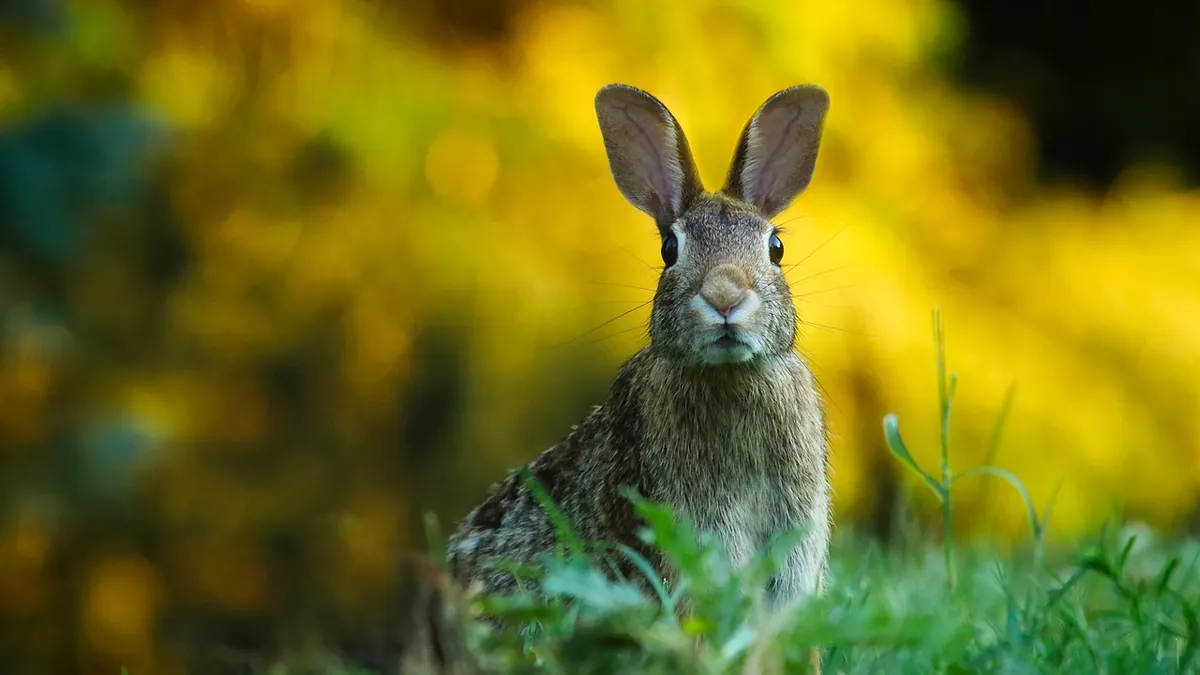
A rabbit who just sits and stares is often doing something completely normal. Rabbits are prey animals, so staying still and watching their surroundings is a built-in survival habit. The question is whether your rabbit is calmly alert or quietly uncomfortable, and that difference matters. This article is educational and is not a substitute for veterinary diagnosis or treatment.
Quick Answer
- A still, staring rabbit with relaxed ears, soft eyes, and a normal appetite is usually just resting and monitoring its space.
- A rabbit who stares and also stops eating, hides, grinds its teeth, or presses its belly to the floor may be in pain and needs a vet.
- Heat pushes rabbits toward inactivity and sprawled postures, so check the room temperature before you assume something is wrong [1].
- Watch the whole rabbit, not just the eyes. Food intake and behavior are the two most common ways veterinarians spot pain in rabbits [2].
- If your rabbit is still and staring but will not move, will not eat, or seems to be struggling to breathe, treat it as an emergency.
Why Does My Rabbit Just Sit and Stare? Normal Reasons First
Freezing is a prey-animal reflex
Rabbits are built to notice movement and sound, then hold still until they know it is safe. A rabbit who freezes mid-chew or stops grooming to stare at a noise is not broken. That is the reflex working the way it should.
You will often see this after a new sound, a new person, or a change in the room. The stare usually ends within seconds to a few minutes once the rabbit decides nothing is chasing it.
Quiet alertness is part of a rabbit's day
Rabbits are crepuscular, which means they are most active around dawn and dusk. In between, they rest. A resting rabbit may sit upright with eyes open, ears up, and body still. That is quiet alertness, not a medical problem.
A healthy rabbit in this state still responds to you. Say its name or offer a treat and it will usually turn its head, sniff, or hop over.
Temperature and comfort change posture
Rabbits adjust their posture to manage body temperature. In a study of rabbits kept at three different temperatures, warmer conditions led to more sprawled postures, less self-grooming, less exploring, and significantly more inactivity [1]. If your home is warm, a still and quiet rabbit may simply be too hot to do much.
Check the room. If it feels stuffy to you, it likely feels worse to a rabbit wearing a permanent coat.
Boredom and a bare environment
A rabbit with nothing to do will do nothing. If the enclosure has no hay to dig, no toys to toss, and no safe space to explore, sitting and staring becomes the default activity. This is a welfare issue, not a disease, but it still needs fixing.
Your rabbit is watching you
Rabbits learn routines fast. Many will sit and stare at the person who feeds them, especially near mealtime. If the stare comes with ears forward and a hop toward the bowl when you stand up, you have your answer.
Medical Causes to Rule Out
Pain and the rabbit grimace
Rabbits hide pain well, which is exactly why a still, staring rabbit deserves a closer look. In a survey of veterinarians who treat pet rabbits, the most commonly reported ways to detect pain were checking food intake and watching behavior [2]. Only a minority used a formal pain scale, which tells you how much weight behavior and appetite carry in real practice [2].
Signs that a stare is actually pain include:
- Grinding or clicking teeth
- Hunched posture with the belly pressed down
- Squinted or half-closed eyes
- Ears pinned back or held flat
- No interest in food or favorite treats
- Sitting in a corner facing the wall
Gastrointestinal problems
A rabbit who stops eating and sits still is a rabbit you should call your vet about the same day. One documented case involved a rabbit brought in with sudden reduced appetite, lethargy, and clear abdominal pain, and imaging revealed a serious stomach problem that required surgery [3]. That rabbit recovered, but only after prompt treatment [3].
Rabbits cannot vomit, and their gut depends on constant movement of food and fiber. A rabbit who is still, staring, and not eating may be at the start of a gut slowdown.
Stress and fear
A rabbit who has been through a car ride, a new home, a predator in the yard, or a loud household may freeze and stare for longer than usual. Transport is a known stressor. In one study, rabbits transported by car without any calming support held their ears pushed back longer and tended to show more agitation than rabbits given a calming pheromone spray [4].
If your rabbit stared and froze after a move or a vet trip, stress is a reasonable first guess. If it lasts more than a day or comes with appetite loss, it is not.
Respiratory and cardiac issues
A rabbit who sits still with a stretched neck, open mouth, or visible effort to breathe is in trouble. Rabbits do not pant like dogs unless something is seriously wrong. This is an emergency, not a wait-and-see situation.
Dental disease
Rabbit teeth grow continuously. Overgrown or spiked molars cause mouth pain that makes eating hurt. These rabbits often sit still, drool, drop food, or eat less. A stare plus weight loss plus messy fur under the chin points toward a dental exam.
Neurologic and other conditions
Less common causes include inner ear disease, spinal problems, and age-related changes. A rabbit who stares and also tilts its head, circles, or loses balance needs a veterinary exam.
When Sitting and Staring Becomes a Problem
Normal stillness has a rhythm. Your rabbit rests, then eats, grooms, hops, and interacts. Problem stillness breaks that rhythm.
Use these questions:
- Is my rabbit still eating and drinking normal amounts?
- Are droppings normal in number, size, and shape?
- Does my rabbit respond to me, even briefly?
- Has the posture changed, like a hunch or a pressed belly?
- Has this lasted more than a few hours?
If you answer no to the first two, or yes to the last two, call your veterinarian. A rabbit who has not eaten in 12 hours should be seen promptly.
What to Do Step by Step
Step 1: Observe without hovering
Stand back and watch for a few minutes. Note the ears, eyes, breathing rate, and body position. Then offer a small piece of a favorite food. A rabbit who perks up and eats is likely fine. A rabbit who ignores food needs more attention.
Step 2: Check the basics
Feel the room temperature. Refill the water bowl. Check that hay is fresh and available. Look at the litter box for droppings. These simple checks rule out the most common non-medical reasons.
Step 3: Improve the environment
Rabbits need room to move, a hide box, and something to do. Give your rabbit:
- Unlimited grass hay
- A cardboard box with two openings
- Safe chew toys rotated weekly
- A quiet corner away from barking dogs and traffic noise
- A consistent daily routine
For a deeper look at what your rabbit is telling you with its ears, eyes, and body, see Understanding Rabbit Behavior: Body Language and Vocalizations.
Step 4: Reduce stress during changes
If you are traveling or moving, keep the carrier covered on one side, keep the trip short, and give your rabbit a quiet place to settle afterward. A study of rabbits during car transport found that a calming pheromone spray helped them keep their ears in a more relaxed erect position and reduced signs of agitation compared with untreated rabbits [4]. Ask your vet whether a product like this is appropriate for your rabbit.
Step 5: Track it
Write down what you see and when. Note food intake, droppings, and how long the staring lasts. This record helps your veterinarian a lot, since behavior and food intake are the main clues used to assess pain in rabbits [2].
Step 6: Give space and time
If your rabbit is new, recently moved, or just had a scare, give it a few days of calm. Sit quietly nearby and let it come to you. Do not chase or grab.
What Not to Do
- Do not punish a staring rabbit. Yelling, tapping the cage, or forcing interaction will make fear worse.
- Do not assume a rabbit is "just lazy" if it also stopped eating. Appetite loss in a rabbit is a medical signal, not a personality trait [2].
- Do not pick up a rabbit who is hunched and unresponsive. That posture can mean pain, and handling may hurt more.
- Do not wait 24 hours to see if a non-eating rabbit improves. Gut problems in rabbits move fast, and one documented case required surgery after presenting with sudden appetite loss, lethargy, and abdominal pain [3].
- Do not crowd a rabbit in a small carrier. Rabbits need enough floor space to lie down and change position, and enough height to sit upright without their ears touching the top [5].
- Do not rely on a warm room to "comfort" a rabbit. Warmer temperatures increased inactivity and sprawled postures in one study, so heat is not a fix for a quiet rabbit [1].
When a Veterinarian or Behavior Professional Should Be Involved
Call your veterinarian if the staring comes with any change in eating, drinking, or droppings. Call the same day if your rabbit is hunched, grinding its teeth, or hiding.
Call immediately if your rabbit is breathing with its mouth open, cannot stand, is having seizures, or has not eaten for 12 hours or more.
If your rabbit has been cleared medically but still seems withdrawn, a veterinarian with behavior experience or a certified behavior professional can help you look at housing, enrichment, and stress triggers. If you are still deciding between species or adding a second small pet, Guinea Pig vs Rabbit: Which Pet Is Right for You? covers the practical differences.
For hamster owners reading this because their hamster also sits and stares, the same logic applies, and Hamster Vet Care: When to Seek Help and What to Expect walks through what a vet visit looks like.
Limitations and When to Contact a Veterinarian
No article can tell you what is happening inside your specific rabbit. Only a veterinarian who examines your rabbit can do that. Individual cases need a veterinarian, and the guidance here is general.
Contact your veterinarian the same day if your rabbit:
- Has not eaten in 12 hours
- Has few or no droppings
- Is hunched with a pressed belly
- Is grinding its teeth
- Has a sudden change in behavior lasting more than a few hours
Go to an emergency clinic now if your rabbit:
- Breathes with its mouth open
- Cannot stand or is limp
- Has a seizure
- Has a bloated, hard abdomen
- Is bleeding or has been attacked
Schedule a routine visit if your rabbit:
- Slowly loses weight over weeks
- Has drooling or dropped food
- Stares more than usual but still eats
- Has a head tilt or balance problem
Frequently Asked Questions
Is it normal for a rabbit to sit and stare at me?
Yes, this is often normal. Rabbits watch the people who feed and care for them, and a calm stare with relaxed ears usually means your rabbit is comfortable and paying attention. If the stare comes with appetite loss, hiding, or a hunched posture, it is no longer normal and needs a vet visit.
How long can a rabbit sit still before it is a concern?
A healthy rabbit rests in stretches throughout the day, especially between dawn and dusk activity. The length matters less than what else is happening. If your rabbit is still for hours and also refuses food or stops producing droppings, that is a concern regardless of how long it has been.
Why does my rabbit stare and not move when I approach?
This is usually a freeze response, which is a normal prey-animal reaction to something unfamiliar or startling. Give your rabbit a moment and speak softly instead of reaching in. If your rabbit freezes every time you come near and never relaxes, the two of you may need a slower approach and more quiet time together.
Can pain make a rabbit sit and stare?
Yes. Rabbits hide pain, and a still, quiet rabbit is one of the ways it shows. Veterinarians commonly rely on food intake and behavior changes to detect pain in rabbits, so a rabbit who stops eating and sits still should be evaluated. Other pain signs include tooth grinding, squinted eyes, and a hunched belly-pressed posture.
Does temperature affect how still my rabbit is?
Yes. Warmer conditions were linked to more inactivity, more sprawled postures, and less grooming and exploring in rabbits [1]. If your rabbit is quiet and the room is warm, cooling the space may help. If your rabbit is quiet and the room is comfortable, look at other causes.
Should I worry if my rabbit stares after a car ride?
A short period of stillness after travel is common, since transport is a known stressor for rabbits [4]. Give your rabbit a quiet, familiar space and check on it within a few hours. If it is still not eating or
Related Articles
- Guinea Pig vs Rabbit: Which Pet Is Right for You?
- Understanding Rabbit Behavior: Body Language and Vocalizations
- Why Is My Rabbit Staring at Me? What It Means
- Why Is My Rabbit, Hamster, or Guinea Pig Shaking?
References
- Impact of different controlled temperature and humidity conditions on the behaviour, posture and spatial needs in fattening rabbits. Frontiers in veterinary science, 2025.
- Survey of German veterinarians' approaches to pain assessment and management of perioperative pain in pet rabbits. The Veterinary record, 2026.
- Gastric dilatation and volvulus in a 5-year-old intact female Holland lop rabbit. The Canadian veterinary journal = La revue veterinaire canadienne, 2025.
- Use of rabbit-appeasing pheromone in mist form helps pet rabbits cope with transport. American journal of veterinary research, 2026.
- Effect of stocking density and crate height on the welfare of fattening rabbits during transport to the slaughterhouse under mild Mediterranean summer conditions. Animal : an international journal of animal bioscience, 2026.