Is It Normal for Rabbits to Poop and Pee a Lot?
By Dr. Zubair Khalid, DVM, MS, PhD ·
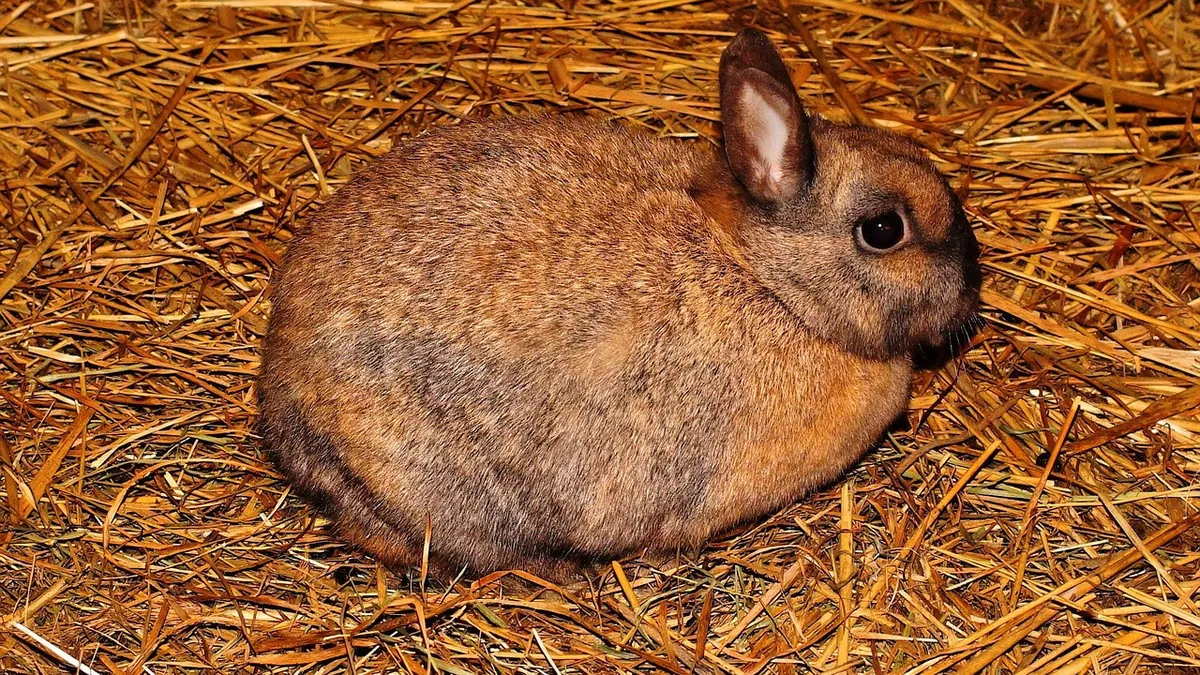
Yes, it is normal for rabbits to poop a lot. A healthy adult rabbit produces roughly 200 to 300 droppings every day, and that steady output is one of the best signs that the digestive tract is moving the way it should. It is also normal for rabbits to pee several times a day, though the volume and appearance of that urine can vary with diet and hydration. This article is educational and is not a substitute for veterinary diagnosis or treatment.
Quick Answer
- A healthy rabbit passes a fairly constant stream of small, round, firm droppings, and a sudden drop in that number is more worrisome than a high number.
- Rabbits also eat a special type of soft dropping directly from their bottom, called cecotropes, so you may not see every dropping your rabbit makes [1].
- Normal urine can range from pale yellow to deep orange or red-brown, and that color change alone does not prove there is blood [2].
- A rabbit that is pooping and peeing more than usual while also drinking more, losing weight, or acting unwell needs a veterinary visit.
- Any rabbit that stops eating or produces far fewer droppings needs prompt veterinary care, because digestive problems in rabbits can become serious quickly [3].
What Normal Rabbit Poop and Pee Look Like
Droppings
Rabbit droppings should be round, roughly the size of a pea, and fairly uniform. They should be firm enough to hold their shape but easy to crush. A healthy rabbit leaves a continuous supply of these throughout the day and night, because the rabbit digestive system is designed to keep food moving almost constantly.
The exact number varies with the size of the rabbit and how much fiber it eats. A large rabbit on a hay-heavy diet may produce more than a small rabbit on a pellet-heavy diet. What matters most is the pattern. If your rabbit normally leaves a full litter box each day and suddenly leaves a handful, that change is the signal to watch.
Rabbits also produce cecotropes, which are soft, dark, mucus-coated droppings that come from a part of the gut called the cecum. Rabbits usually eat these straight from their bottom, and this behavior is called cecotrophy. Cecotrophy helps rabbits absorb nutrients and maintain healthy gut bacteria [1]. Because rabbits eat cecotropes so quickly, most owners rarely see them. If you find sticky, soft, smelly clumps in the litter box, that can mean your rabbit is not eating them, which is worth mentioning to your veterinarian.
Urine
Rabbits urinate several times a day, and the amount depends on how much water and fresh food they take in. Normal rabbit urine is usually cloudy because rabbits excrete calcium in their urine. The color can range from pale yellow to orange, red, or brown, and this range can be normal. Plant pigments in vegetables and changes in hydration often explain the color shifts.
Thick, sandy, or paste-like urine is different. Mineral deposits, often called sludge or sand, are common in pet rabbits, and they are frequently suspected when blood appears in the urine [2]. If the litter box looks like it has grit or toothpaste in it, that is a reason to call your veterinarian.
Why Is My Rabbit Pooping and Peeing a Lot? Main Causes
| Cause | Typical clues | How urgent |
|---|---|---|
| Normal high fiber diet | Steady, well-formed droppings, normal appetite, normal energy | Not urgent |
| Cecotrophy (eating soft droppings) | You rarely see soft droppings because your rabbit eats them [1] | Not urgent |
| Urinary sludge or stones | Gritty or sandy urine, straining, blood in urine, small or frequent pees [2] | Same-day vet visit |
| Kidney failure in an older rabbit | Increased drinking and urination, weight loss, poor appetite, dull coat [2] | Same-day vet visit |
| Diabetes or high blood sugar | Increased drinking and urination, weight loss despite eating, low energy | Same-day vet visit |
| Digestive upset or GI stasis | Fewer or smaller droppings, not eating, bloated or painful belly [3] | Emergency now |
| Diarrhea from infection, diet change, or antibiotics | Loose or watery droppings, mess on the bottom, poor appetite [3] | Emergency now |
| Obesity | Overweight body condition, less activity, sometimes messy bottom [4] | Routine visit |
Urinary Problems
Urinary tract disease is one of the more common reasons a rabbit pees more often or in new places. Mineral deposits and stones in the urinary tract are common in pet rabbits, and causes include too much calcium in the diet, heredity, infection, dehydration, and metabolic disease [2]. A rabbit with a stone or sludge may squat for a long time, pass only small amounts, or leave blood-tinged urine.
Diet plays a real role here. Moving adult rabbits off high-calcium, alfalfa-heavy diets and onto grass hay can help decrease the chance that stones come back [2]. If your rabbit is still on alfalfa as an adult, that is a good topic for your next vet visit. For a broader look at portion sizes and hay, see How Much Food Should A Rabbit Eat.
Kidney Disease
Older rabbits can develop kidney failure, and increased drinking with increased urination is a classic early clue [2]. You may notice a heavier, wetter litter box, a water bottle that empties faster, or weight loss over weeks. Annual blood testing can help detect kidney problems early, and treatment can include increasing fluid intake with vegetables and, in some cases, giving fluids under the skin at home [2].
Diabetes and Blood Sugar Problems
Rabbits can develop high blood sugar, and the pattern looks similar to what you would see in other species: more drinking, more peeing, and weight loss despite a good appetite. A large study of pet rabbits found that potassium levels at admission were linked to blood sugar and kidney markers, and that both high and low potassium were associated with higher death rates [5]. That study does not prove diabetes causes increased urination, but it does show how closely a rabbit's fluid balance, kidney function, and blood sugar are connected. If your rabbit is drinking and peeing more, your veterinarian will likely check blood work, not just the litter box.
Digestive Causes
Digestive disease is a major health concern in rabbits and includes both noninfectious problems and infections [3]. If your rabbit stops eating or shows signs of digestive upset, such as diarrhea or fewer droppings, seek veterinary care promptly [3]. True hairballs that block the digestive tract are uncommon but serious. More often, a rabbit with too little dietary fiber or another problem, such as dental disease, stops eating and develops gastrointestinal stasis [3].
In GI stasis, food movement through the digestive tract slows, unhealthy bacteria grow, and those bacteria produce toxic substances and gas that build up. The rabbit feels bloated and painful, which makes it even less likely to eat [3]. This is the opposite of "pooping a lot," but it often starts with a subtle drop in droppings that owners miss.
Diarrhea is a separate and serious warning sign at any age. Intestinal disease is a major cause of death in young rabbits, and diet changes, stress, antibiotics, and a dirty cage can upset the normal gut bacteria and raise disease risk [3]. If your rabbit has watery droppings, treat it as an emergency.
Diet and Body Condition
Fiber quality matters for gut health and output. Different fiber sources vary in how well they hold water and ferment in the gut, and those properties affect intestinal health and growth in rabbits [6]. In practice, this supports what veterinarians already recommend: a hay-based diet with consistent fiber keeps the gut moving.
Body condition matters too. In a study of pet rabbits in Estonia, 28 percent were overweight, and owner questionnaires suggested many owners did not recognize the problem [4]. Overweight rabbits may have more trouble grooming, which can lead to a messy bottom and skin problems that look like digestive issues.
Red Flags That Mean Emergency
Call an emergency clinic right away if you see any of these:
- Your rabbit has not eaten in 12 hours or is refusing its favorite food.
- Droppings have stopped or dropped sharply in number or size.
- The belly looks bloated, feels hard, or your rabbit grinds its teeth or presses its belly to the floor [3].
- There is watery diarrhea, especially in a young rabbit [3].
- Your rabbit is straining to urinate, crying out, or passing only drops.
- There is visible blood in the urine [2].
- Your rabbit is weak, cold, limp, or breathing fast.
Rabbits hide pain well, so a rabbit that looks "just a little off" can be sicker than it appears.
What You Can Safely Do at Home While You Wait
- Keep the litter box clean and count droppings for a few hours so you can give your vet real numbers.
- Offer fresh grass hay and fresh water. Do not withhold food.
- Offer wet leafy greens to encourage fluid intake, which is one way to support a rabbit with kidney concerns [2].
- Do not give any medication, including pain relievers, without veterinary guidance. Your veterinarian calculates the dose from your rabbit's weight and health.
- Do not force-feed unless your veterinarian tells you to.
- Keep the room quiet and warm, and reduce handling.
- Note the time your rabbit last ate, last pooped, and last peed, plus any changes in water intake.
If your rabbit is not eating or not producing droppings, skip the home care and go straight to the vet. Digestive problems in rabbits can worsen within hours [3].
What Your Veterinarian Will Check and Test
Your veterinarian will start with a full physical exam, including weight, body condition, teeth, belly palpation, and a look at the bottom and genital area. Dental disease is a common hidden trigger for GI stasis, so a mouth exam matters [3].
Expect some of these tests:
- Urinalysis to check for blood, crystals, sludge, and infection [2].
- Blood work, including kidney values and blood sugar. Annual blood testing can help detect kidney failure early in older rabbits [2].
- Imaging such as X-rays or ultrasound to look for stones or sludge in the urinary tract [2].
- Fecal testing if diarrhea or parasites are a concern.
- A potassium level, since potassium disturbances are common in sick pet rabbits and are linked to kidney markers and outcome [5].
Treatment depends on the cause. For urinary stones, options can include surgery to remove the stones, oral medication to make calcium-based stones less likely to form, and lower-calcium diets [2]. For kidney failure, treatment can include more fluids from vegetables and, in some cases, fluids given under the skin at home [2]. For GI stasis, the focus is on restoring gut movement, pain control, fluids, and nutrition [3].
Prevention and Monitoring
The single best habit is a hay-first diet. Grass hay supports gut movement and helps limit the calcium load that contributes to urinary sludge and stones in adults [2]. Keep pellets measured and treats rare. If you are unsure about portions, How Much Food Should A Rabbit Eat walks through it.
Watch the litter box daily. You do not need to count every dropping, but you should know what a normal day looks like for your rabbit. A sudden change in number, size, or moisture is your early warning system.
Keep water available at all times and offer wet greens. Hydration supports both the kidneys and the urinary tract [2].
Weigh your rabbit monthly on a kitchen scale. Weight loss with a normal appetite is a red flag for kidney disease, diabetes, and other metabolic problems.
Book annual exams, and ask about blood work once your rabbit is a senior. Annual blood testing can help detect kidney failure early [2].
Keep the cage clean. A dirty cage can upset normal gut bacteria and increase disease risk [3].
If you also have a dog with changes in urination, the patterns can look similar but the causes differ. See Dog Urinating a Lot and Drinking a Lot: What It Could Mean and Why Is My Dog Peeing So Much? for comparison.
Limitations and When to Contact a Veterinarian
This article gives general ranges, not a diagnosis for your rabbit. Every rabbit is an individual, and only a veterinarian who examines your rabbit can tell you what its droppings and urine mean.
Contact a veterinarian the same day if your rabbit is drinking and peeing more than usual, has gritty or sandy urine, has blood in the urine, is losing weight, or has a messy bottom [2].
Go to an emergency clinic now if your rabbit has stopped eating, has stopped producing droppings, has a bloated or painful belly, has watery diarrhea, or is straining to urinate [3].
Schedule a routine visit if your rabbit is overweight, if you are still feeding alfalfa to an adult rabbit, or if it has been more than a year since the last exam [2][4].
Frequently Asked Questions
How many times a day should a rabbit poop?
A healthy adult rabbit usually leaves dozens of droppings spread across the day and night, not in a few large piles. The exact count varies with size and diet, so the pattern matters more than the number. A sudden drop in output is a bigger concern than a high count.
Why is my rabbit peeing so much all of a sudden?
A sudden increase in urination often points to increased drinking, which can be linked to kidney problems, high blood sugar, or a urinary tract issue. It can also follow a diet change or a switch to wetter greens. Because these causes need different treatments, a veterinary exam and urine test are the fastest way to sort it out.
Is red or orange rabbit pee a sign of blood?
Not always. Normal rabbit urine can be orange, red, or brown because of plant pigments and calcium, so color alone does not prove there is blood [2]. Your veterinarian can test the urine to tell the difference. If your rabbit is also straining, peeing small amounts, or acting painful, treat it as urgent.
Can a rabbit poop too much?
A high number of well-formed droppings usually means your rabbit is eating plenty of fiber and its gut is moving well. That is a good sign, not a disease. The problem is when output changes suddenly, when droppings become soft or watery, or when your rabbit stops eating [3].
What does gritty or sandy urine mean in a rabbit?
Gritty, sandy, or paste-like urine usually means mineral deposits, often called sludge, are building up in the urinary tract [2]. This can lead to stones, pain, and blood in the urine. Diet changes and, in some cases, surgery or medication may be needed, so have your rabbit checked [2].
Related Articles
- How Much Food Should A Rabbit Eat
- Why Is My Rabbit Eating Its Poop? Is It Normal?
- Rabbit Not Pooping but Acting Normal: When to Call the Vet
References
- Influence of cecotrophy on fat metabolism mediated by caecal microorganisms in New Zealand white rabbits. Journal of animal physiology and animal nutrition, 2020.
- Kidney and Urinary Tract Disorders of Rabbits - All Other Pets. Merck Veterinary Manual.
- Digestive Disorders of Rabbits - All Other Pets. Merck Veterinary Manual.
- Prevalence and awareness of obesity and related husbandry practices in Estonian rabbits, guinea pigs, and rats. Animal welfare (South Mimms, England), 2025.
- Potassium Disorders in Pet Rabbits and Their Association with Glycemia, Azotemia, and Clinical Outcome. Animals : an open access journal from MDPI, 2026.
- Effects of Dietary Fibers with Different Physicochemical Properties on Intestinal Health and Growth Performance of Meat Rabbits. Animals : an open access journal from MDPI, 2026.