Rabbit Not Pooping: Causes, GI Stasis, and What to Do
By Dr. Zubair Khalid, DVM, MS, PhD ·
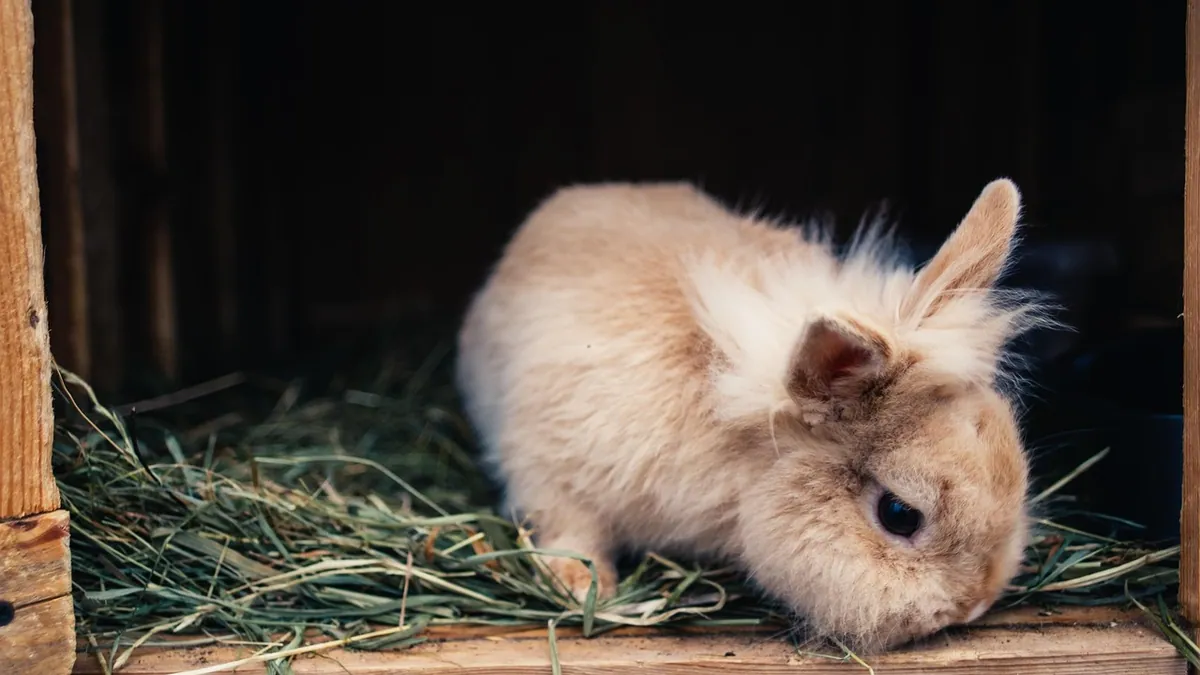
A rabbit not pooping is a medical emergency that needs a veterinarian the same day. Rabbits have a digestive system that must keep moving, and when it slows or stops, gas, pain, and toxic bacteria build up fast [1]. A rabbit that has stopped passing droppings is often already sick enough to be in danger.
This article is educational and is not a substitute for veterinary diagnosis or treatment.
Quick Answer
- A rabbit that has not pooped in 12 to 24 hours, or whose droppings have suddenly shrunk or stopped, needs to be seen by a veterinarian today.
- Stop all treats, pellets, fruit, and sugary foods. Offer fresh hay and water only.
- Do not wait to "see if it passes." GI stasis can become life-threatening if it is not treated [1].
- Never give human medications, pain relievers, or laxatives. Your veterinarian calculates any drug dose from your rabbit's weight and health.
- If your rabbit is also not eating, is hunched, grinding its teeth, or breathing hard, call an emergency clinic right away.
What "Not Pooping" Looks Like and What Is Normal
Normal droppings in a healthy rabbit
A healthy rabbit produces a steady supply of round, firm, cocoa-puff-like droppings throughout the day. Output tracks input. If your rabbit is eating a proper high-fiber diet, you should see fresh droppings in the litter box many times a day, not once.
Rabbits also make soft, shiny droppings called cecotropes, which they eat directly from the rear. You may rarely see these. They are normal and are not the same as diarrhea.
Signs your rabbit is not pooping
Watch for these changes:
- No droppings in the litter box for 12 hours or more
- Droppings that are suddenly much smaller, fewer, or strung together with hair
- A rabbit that is not eating or is eating far less than usual
- A hunched posture, pressed belly, or sitting in a corner
- Tooth grinding, which often signals pain
- A bloated or tight-feeling belly
- Reduced or absent peeing
A rabbit that is not eating or pooping is showing you two linked problems. Appetite and gut movement rise and fall together [1].
Why Is My Rabbit Not Pooping? Main Causes
The most common reason is gastrointestinal (GI) stasis. In GI stasis, the movement of food through the digestive tract slows. Unhealthy bacteria grow, and they produce toxic substances and gas that build up. The rabbit feels bloated and painful, which makes it even less likely to eat [1]. That creates a downward spiral.
GI stasis is usually a syndrome with an underlying trigger, not a disease on its own [2]. Common triggers include too little dietary fiber, dental disease that makes eating painful, stress, dehydration, and other illness [1].
True hairballs that physically block the tract are uncommon but serious. A real blockage usually needs surgery, while GI stasis is usually treated with fluids, pain medicine, and supportive feeding [1]. Your veterinarian uses imaging to tell these apart [1].
| Cause | Typical clues | How urgent |
|---|---|---|
| GI stasis | Fewer or smaller droppings, not eating, hunched posture, belly pain | Emergency, same day [1] |
| Dental disease | Drooling, dropping food, weight loss, eating soft food only | Urgent, same day to next day [1] |
| True intestinal blockage | Sudden stop, severe pain, no droppings at all, bloated belly | Emergency now, often needs surgery [1][3] |
| Dehydration or stress | Recent change, heat, travel, new pet, reduced water intake | Urgent, same day |
| Infection or systemic illness | Fever, lethargy, abnormal breathing, other symptoms | Emergency now [2] |
Some blockages behave differently depending on where they sit. Proximal duodenal obstructions typically need surgery, while jejunal or ileal blockages may sometimes be managed medically with aggressive fluids and pain control [3]. That decision belongs to your veterinarian.
Red Flags That Make This an Emergency
Call an emergency veterinary clinic immediately if you see any of these:
- No droppings for 12 to 24 hours
- A rabbit that is not eating or not peeing at all
- A hard, swollen, or painful belly
- Loud tooth grinding, crying, or restlessness
- Labored breathing, pale gums, or a rabbit that feels cold
- Collapse, weakness, or a rabbit that will not move
- Diarrhea with lethargy, which can signal serious digestive disease [1]
A rabbit not peeing or pooping is a double warning. Urinary blockage and gut stasis can both become fatal quickly. Do not wait for morning.
Safe Things You Can Do at Home While Waiting
Home care does not replace veterinary treatment. It buys time while you arrange a visit.
Keep hay and water available
Offer fresh grass hay and clean water at all times. Fiber and hydration support normal gut movement. Do not withhold food to "rest the gut." Rabbits should not be kept from eating for long periods because fasting disrupts normal digestive movement [4].
Remove rich foods
Pull pellets, fruit, treats, and sugary items. These can worsen gas and bacterial overgrowth.
Encourage gentle movement
Let your rabbit hop around a quiet, safe space. Light activity can help move gas. Do not massage a hard or bloated belly, because you could injure an obstructed gut.
Keep it warm and calm
Stress slows gut movement. Reduce noise, keep other pets away, and provide a warm, draft-free spot.
Do not do these things
- Do not give human pain relievers, laxatives, or gas drops unless your veterinarian tells you to.
- Do not force food or water by mouth if your rabbit is weak or cannot swallow.
- Do not syringe anything into the mouth of a rabbit that is struggling to breathe.
If your rabbit is stable enough to wait for an appointment, ask the clinic what to do in the meantime. Many will advise supportive feeding with a syringe using a product they recommend, but the amount and timing must come from your veterinarian [1].
What Your Veterinarian Will Check and Test
History and physical exam
Your vet will ask when droppings stopped, what your rabbit has been eating, and whether it is peeing. They will check hydration, body temperature, weight, teeth, and belly feel.
Imaging
X-rays, ultrasound, and CT scans help tell a true intestinal blockage from GI stasis [1]. This matters because treatment is very different.
Bloodwork
Blood tests check organ function, hydration, and signs of infection or inflammation. Results guide fluid and drug choices.
Treatment basics
For GI stasis, treatment often includes fluids injected beneath the skin, pain medicine, supportive feeding, and liquid food given by syringe to restore healthy digestive bacteria [1]. Pain control matters because a painful rabbit will not eat. After surgery, hay and water are usually offered soon after the rabbit is awake, and pain medicine is often used for 1 to 2 days to help keep eating normal [4].
Your veterinarian calculates every dose based on your rabbit's weight and health. Never use a dose you found online.
Monitoring and Prevention
Daily monitoring habits
- Check the litter box at least twice a day.
- Count and look at droppings. Note size, number, and shape.
- Weigh your rabbit weekly on a kitchen scale.
- Watch how much hay your rabbit actually eats, not just how much you put out.
Feeding for gut health
Hay should make up the bulk of the diet. In a survey of pet rabbit owners and breeders, hay was provided in large amounts by almost all participants, meeting the need for high fiber intake. Breeders tended to give less hay and fresh food and more concentrates like pellets and cereal mixes, and GI disease was common in both groups [5]. A link was noted between feeding practices and health conditions including diarrhea and constipation [5].
Offer unlimited grass hay, a measured small amount of plain pellets if your vet recommends them, fresh leafy greens, and clean water. Skip sugary treats and seed mixes.
Watch for early warning signs
A rabbit showing early GI stasis symptoms is easier to treat than one that has been down for a day. Learn the early signs so you can act fast. See Rabbit GI Stasis Symptoms and Rabbit GI Stasis Signs for detailed checklists.
Know the difference between hairball and stasis
Many owners assume a stopped rabbit has a hairball. Most of the time it is stasis, and the two need different care. This guide explains the difference: Rabbit Care: Hairball vs GI stasis differential diagnosis guide.
Understand why speed matters
GI stasis is defined as reduced motility of any part of the digestive tract that can lead to impaction and death if left untreated [6]. That is why same-day care is the standard. For a deeper look at the condition, read Gastrointestinal Stasis in Rabbits and GI Stasis in Rabbits: A Life-Threatening Emergency.
Limitations and When to Contact a Veterinarian
This article cannot diagnose your rabbit. Every case needs a veterinarian who can examine your pet, run tests, and prescribe treatment.
Contact a veterinarian the same day if:
- Your rabbit has not pooped in 12 to 24 hours
- Droppings are suddenly smaller, fewer, or absent
- Your rabbit is not eating or is eating much less
- You see a hunched posture, tooth grinding, or a tight belly
Go to an emergency clinic now if:
- Your rabbit is not peeing or pooping at all
- The belly is hard, swollen, or very painful
- Breathing is labored, gums are pale, or your rabbit is cold
- Your rabbit is collapsed, weak, or unresponsive
Schedule a routine visit if:
- Droppings are smaller than normal but still passing
- Your rabbit is eating but slowly or selectively
- You notice drooling, weight loss, or changes in chewing
If you are unsure, call. A phone call costs nothing and can save your rabbit's life. GI disorders are a common cause of emergency visits in rabbits [2].
Frequently Asked Questions
How long can a rabbit go without pooping before it is an emergency?
A rabbit that has not pooped for 12 to 24 hours needs same-day veterinary care. Gut movement that slows can lead to impaction and death if left untreated [6]. Do not wait a full day to see if things improve.
Can I treat my rabbit's stasis at home?
No. Home care can support your rabbit while you arrange a visit, but stasis treatment usually involves prescription fluids, pain medicine, and supportive feeding that only a veterinarian can provide [1]. Giving the wrong food or medication can make things worse.
What should I feed a rabbit that is not pooping?
Offer fresh grass hay and clean water, and remove pellets, fruit, and treats. Do not fast your rabbit, because fasting disrupts normal digestive movement [4]. If your veterinarian recommends syringe feeding, follow their exact instructions.
Is my rabbit's hairball the reason it stopped pooping?
Probably not. True hairballs that block the tract are uncommon, and most stopped rabbits have GI stasis instead [1]. Your veterinarian can use imaging to tell the difference and choose the right treatment [1].
Can stress cause a rabbit to stop pooping?
Yes. Stress, pain, dehydration, and a low-fiber diet can all slow gut movement and trigger stasis [1]. Dental disease is a common hidden trigger because it makes eating painful [1]. If your rabbit stops pooping after a change or illness, treat it as urgent.
Related Articles
- Rabbit GI Stasis Symptoms
- Rabbit GI Stasis Signs
- Gastrointestinal Stasis in Rabbits
- GI Stasis in Rabbits: A Life-Threatening Emergency
- Rabbit Care: Hairball vs GI stasis differential diagnosis guide
- How to Help a Rabbit Poop: Constipation and Stasis
- Rabbit Not Pooping but Acting Normal: When to Call the Vet
- Do Rabbits Fart? Gas, Bloat, and Gut Stasis Signs
- Preventing Digestive Problems in Farmed Rabbits
References
- Digestive Disorders of Rabbits - All Other Pets. Merck Veterinary Manual.
- Rabbit Gastroenterology. The veterinary clinics of North America. Exotic animal practice, 2025.
- Intestinal Surgery in Rabbits. The veterinary clinics of North America. Exotic animal practice, 2026.
- Illness of Rabbits - All Other Pets. Merck Veterinary Manual.
- Differences in Feeding Management of Pet Rabbits by Owners and Hobby Breeders and Their Impact on Animals' Health: A Survey. Journal of animal physiology and animal nutrition, 2026.
- Effect of rabbit gastrointestinal stasis (RGIS) on the fecal microbiota of pet rabbits (Oryctolagus cuniculus). PloS one, 2025.