Is It Normal for Rabbits and Horses to Pant?
By Dr. Zubair Khalid, DVM, MS, PhD ·
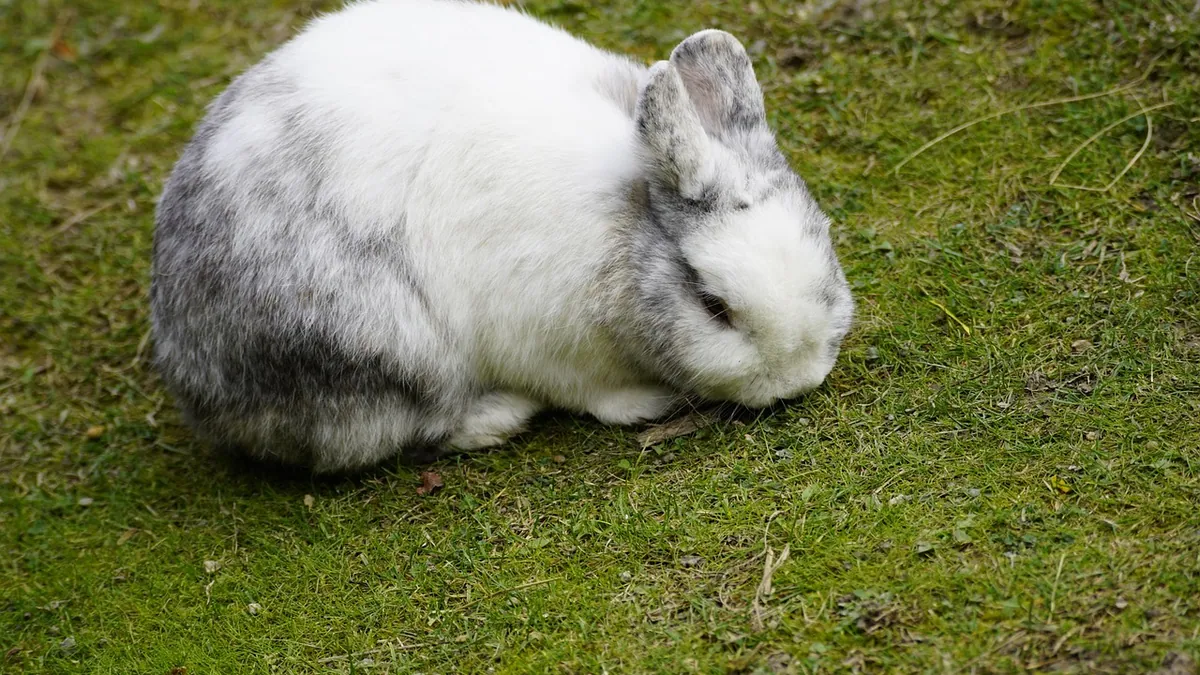
Is it normal for rabbits to pant? Sometimes, yes. Rabbits pant briefly when they are hot, stressed, or worn out from exercise, and they settle down once the cause passes. But rabbits are not built to pant the way dogs do, so frequent or heavy panting is often an early warning that something is wrong. This article is educational and is not a substitute for veterinary diagnosis or treatment.
Quick Answer
- Brief, mild panting after a romp or on a warm day can be normal if your rabbit calms within a few minutes of cooling off and resting.
- Rabbits cool themselves mainly through their ears and by breathing faster, so open-mouth breathing or loud breathing is never something to shrug off.
- Heat stroke is a true emergency in rabbits. Move your rabbit to a cool area and call a veterinarian right away if panting comes with drooling, weakness, or a body that feels hot.
- Pain, dental disease, and respiratory infections can all show up as panting, so any panting that happens at rest deserves a same-day call.
- Never leave a rabbit in direct sun, in a car, or in a hutch above about 80°F without shade, airflow, and cool surfaces to lie on.
What Panting Looks Like in a Rabbit
A panting rabbit breathes fast and shallow through an open mouth. You may see the sides of the chest move quickly, the nostrils flare, and the head tilt up slightly as your rabbit stretches its neck. Some rabbits also drool, and the fur under the chin gets wet.
Rabbits do not sweat to cool down. They rely on their large ears, which release heat, and on faster breathing when their body temperature climbs. That means panting is a backup system, not a normal way for a rabbit to live day to day.
Normal, short-lived panting usually has an obvious trigger. Your rabbit ran laps around the room, the room got warm, or a loud noise or a new person scared it. Once the trigger goes away, breathing slows within a few minutes and your rabbit returns to eating, hopping, and behaving normally.
Panting at rest, panting that lasts more than a few minutes, or panting that comes back again and again is not normal. That pattern points to a health problem.
Do Rabbits Pant? The Main Causes
Yes, rabbits do pant, and the reason matters more than the panting itself. Heat is the most common trigger, but pain and illness are close behind.
Heat stress is a serious concern for rabbits. In one study, rabbits kept under severe chronic heat stress (a temperature-humidity index around 31.5) showed measurable effects on growth and feed efficiency, which shows how much heat load affects a rabbit's whole body [1]. Heat stress also damages reproductive function in male rabbits, and semen quality and testicular tissue recover slowly even after the hot season ends [2]. Shaving bucks during heat stress improved semen volume, sperm density, and motility, and helped them recover faster [3]. All of this tells you that heat is not a minor inconvenience for a rabbit.
Transport and housing conditions add stress too. Rabbits moved in crowded crates under warm summer conditions face heat, poor airflow, and limited room to shift position, all of which raise their breathing rate and overall stress [4]. At home, the same principle applies. A hutch in full sun with no breeze is a crate on wheels.
| Cause | Typical clues | How urgent |
|---|---|---|
| Heat or heat stroke | Warm room or hutch, hot ears, drooling, lying stretched out, fast open-mouth breathing | Emergency if drooling, weakness, or collapse |
| Stress or fear | Loud noise, new pet, car ride, tense body, ears back | Usually settles in minutes, call if it does not |
| Exercise | Just ran or jumped a lot, breathing slows with rest | Not urgent |
| Pain (dental, gut, injury) | Not eating, grinding teeth, hunched posture, small or no droppings | Same day |
| Respiratory infection | Nasal discharge, sneezing, wheezing, wet front paws | Same day |
| Heart or lung disease | Panting at rest, exercise intolerance, blue-tinged gums | Emergency |
Heat and Heat Stroke
Heat stroke happens when a rabbit cannot shed enough heat and its body temperature keeps climbing. Signs include heavy open-mouth breathing, drooling, hot ears, red gums, weakness, stumbling, and collapse. This is a life-threatening emergency. Cool your rabbit with room-temperature water on the ears and paws and get to a veterinarian immediately. Do not use ice-cold water, which can make things worse.
Stress and Fear
A frightened rabbit breathes fast. You might see this during a vet visit, a move, or when a predator (including the family dog) comes near. Calm, quiet, dim surroundings usually bring breathing back to normal within a few minutes. If your rabbit stays panicked or stops eating, call your veterinarian.
Pain and Dental Problems
Rabbits hide pain well, but panting can be one of the few visible signs. Dental disease is a common cause because rabbit teeth grow continuously and can develop sharp points. A rabbit in dental pain may drool, drop food, eat less, and breathe faster. Any rabbit that stops eating is at risk of gut stasis, which is serious. Read more about what belongs on the plate in What Do Rabbits Need In Their Diet and how much to offer in How Much Food Should A Rabbit Eat.
Respiratory and Heart Disease
Infections of the nose and lungs, and heart problems, both cause labored breathing. Watch for discharge from the nose, sneezing, noisy breathing, and wet fur on the front paws from wiping the nose. These signs need a veterinary exam, not home treatment.
Red Flags That Mean Emergency
Call an emergency veterinary hospital now if you see any of these:
- Open-mouth breathing while resting
- Drooling or foam around the mouth
- Blue, gray, or very pale gums
- Collapse, weakness, or inability to stand
- Body that feels hot to the touch, especially the ears
- Seizure or twitching
- Breathing that gets worse over minutes, not better
- No droppings for 12 hours or more, with a hunched posture and no appetite
Heat stroke can kill a rabbit quickly, so do not wait to see if it improves on its own.
What You Can Do at Home While You Wait
If your rabbit is panting but still alert and responsive, take these steps right away.
- Move your rabbit to the coolest room in the house, ideally with air conditioning or a fan that moves air without blowing directly on the rabbit.
- Offer a cool, flat surface such as a tile, a marble slab, or a frozen water bottle wrapped in a towel.
- Wipe the ears and paws with a cloth dampened with room-temperature water. Avoid ice-cold water.
- Offer fresh water in a bowl, since some rabbits drink more from a bowl than a bottle.
- Keep the room quiet and dim. Do not handle your rabbit more than needed.
- Check the droppings. Normal output means the gut is still moving.
Do not force food or water into your rabbit's mouth, and do not give any medication unless your veterinarian prescribed it. If your rabbit does not improve within a few minutes of cooling, treat it as an emergency.
What Your Veterinarian Will Check
Your veterinarian will start with a full physical exam, including listening to the heart and lungs and checking the ears, eyes, nose, teeth, and belly. Body temperature is a key measurement, since a rabbit with heat stroke runs hot and a rabbit in shock may run low.
Expect questions about diet, housing temperature, recent stress, droppings, and appetite. Blood work can check organ function and hydration. X-rays or an ultrasound may be needed to look at the lungs, heart, and teeth. A fecal test can rule out parasites.
Treatment depends on the cause. Heat stroke care focuses on controlled cooling, fluids, and support. Pain or dental disease may need pain medication, tooth trimming, or both. Respiratory infections usually need antibiotics. Your veterinarian calculates every medication dose from your rabbit's weight and health status, so never guess at a dose at home.
If your rabbit is not spayed or neutered, ask about it during the visit. Reproductive cancers are common in unspayed female rabbits, and the topic is covered in Spaying and Neutering Your Pet Rabbit.
Preventing Panting Before It Starts
Heat control is the single most useful thing you can do. Keep your rabbit's area out of direct sun and below about 80°F. Use air conditioning, fans, frozen bottles, and cool tiles. In hot weather, check on your rabbit more often, especially older rabbits and those with thick coats.
Good nutrition supports a rabbit under heat stress. In one study, rabbits on medium- and high-protein diets under chronic heat stress gained more weight and converted feed more efficiently than rabbits on a low-protein diet [1]. That does not mean you should pile on protein at home. It means a balanced, appropriate diet matters, and your veterinarian can help you choose one. For the basics, see Suitable Diet For A Rabbit.
Space and airflow matter too. Crowded, low-ceiling housing raises stress and heat load during transport, and the same logic applies to hutches and indoor pens [4]. Give your rabbit room to stretch out fully, stand up without its ears touching the top, and move away from heat sources.
Watch for early signs of heat stress, such as stretched-out posture, fast breathing, and reduced appetite. Catching these early lets you cool your rabbit before panting turns into an emergency.
Limitations and When to Contact a Veterinarian
This article cannot tell you what is wrong with your specific rabbit. Only a veterinarian who examines your rabbit can do that. Use these timing guidelines:
- Emergency now: open-mouth breathing at rest, drooling, collapse, blue gums, seizure, or a rabbit that feels hot and will not respond to you.
- Same day: panting that comes and goes, panting with no appetite, no droppings, or a hunched posture.
- Routine visit: occasional panting after exercise that resolves quickly, or questions about heat-proofing your rabbit's space.
When in doubt, call. A short phone call can save a rabbit's life.
Frequently Asked Questions
Should I worry if my rabbit pants after running around?
Usually not, as long as breathing slows within a few minutes of rest. Exercise raises body temperature, and panting is how your rabbit sheds that heat. If breathing stays fast or your rabbit seems weak, call your veterinarian.
Can rabbits pant from stress alone?
Yes. Fear and stress raise the breathing rate, and a scared rabbit may breathe fast with its ears pinned back. Calm, quiet surroundings usually fix it. Panting that continues after the stressor is gone needs a veterinary look.
Is panting in rabbits different from panting in horses?
Yes, and the difference matters. Horses pant mainly during hard exercise or extreme heat, and they sweat heavily to cool down. Rabbits barely sweat, so they depend on their ears and fast breathing, which makes panting a bigger warning sign in rabbits.
What temperature is too hot for a rabbit?
Most rabbits do best below about 80°F with good airflow. Above that, heat stress risk climbs fast, especially in humid weather. Provide shade, fans, cool surfaces, and plenty of water, and check on your rabbit several times a day.
Can I give my rabbit anything at home to stop the panting?
No. Do not give any medication, including human pain relievers, without veterinary guidance. Doses for rabbits are calculated by your veterinarian based on weight and health. Cooling measures and a calm, quiet space are the only safe home steps.
Related Articles
- Spaying and Neutering Your Pet Rabbit
- What Do Rabbits Need In Their Diet
- How Much Food Should A Rabbit Eat
- What Type Of Diet Do Rabbits Have
- Suitable Diet For A Rabbit
- Rabbit Feeding And Nutrition
- Why Is My Rabbit Laying Down So Much? Rest or Illness
- Why Is My Rabbit Lying on Its Side and Not Moving?
- Rabbit Not Using Back Legs: Causes and What to Do
- Rabbit Temperature Control: Keeping Rabbits Comfortable in Heat and Cold
References
- High-protein diets improve growth, carcass traits, and intestinal morphology of local rabbits under chronic heat stress. Tropical animal health and production, 2026.
- Negative effect of seasonal heat stress on testis morphology and transcriptomes in Angora rabbit. BMC genomics, 2025.
- Effects of shaving on reproductive performance and protein metabolism in bucks under heat stress conditions. Frontiers in veterinary science, 2026.
- Effect of stocking density and crate height on the welfare of fattening rabbits during transport to the slaughterhouse under mild Mediterranean summer conditions. Animal : an international journal of animal bioscience, 2026.