Rabbit Dewlap: What It Is, What Is Normal, and Problems
By Dr. Zubair Khalid, DVM, MS, PhD ·
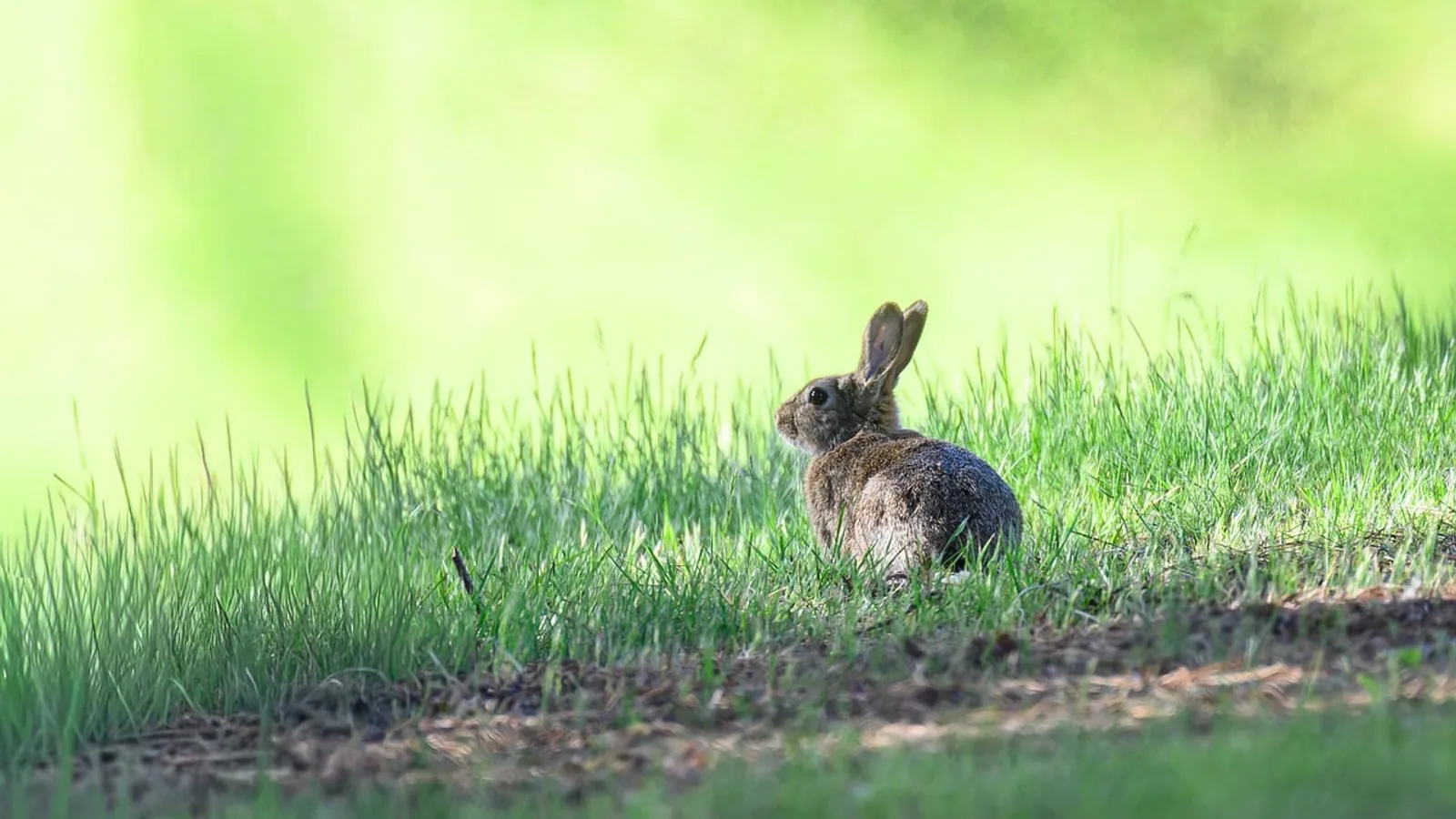
A dewlap is the fold of skin and fat that hangs beneath the chin of a rabbit. In an adult female rabbit, a moderate dewlap is normal anatomy, not a disease. It gives the doe a place to pull loose fur for lining a nest, and it is one of the most reliable external signs that a female rabbit is physically mature. The same structure can become a medical problem when it grows too large, stays wet, or turns out to be something other than fat. A soft, cool, symmetrical fold in a healthy doe is usually nothing to worry about. A hot, firm, painful, rapidly growing, or persistently damp swelling under the chin needs veterinary attention.
This article explains what the rabbit dewlap is, which rabbits normally have one, how breed and spay timing change its appearance, and how to tell a normal dewlap from an abscess, tumor, or swollen lymph node. It also covers wet dewlap and the moist dermatitis it causes, grooming and cecotrope problems in rabbits with very large dewlaps, weight management, and the red flags that mean you should call a veterinarian today.
This article is educational and is not a substitute for veterinary diagnosis or treatment.
At a Glance: Normal Dewlap vs. Problem Dewlap
| Feature | Normal dewlap | Dewlap that needs a vet |
|---|---|---|
| Position | Under the chin, centered | Under the chin or off to one side |
| Texture | Soft, pliable, movable skin and fat | Firm, hard, or fluid-filled |
| Temperature | Same as surrounding skin | Warm or hot to the touch |
| Symmetry | Even on both sides | Lopsided or one-sided |
| Growth | Slow, tied to maturity or pregnancy | Fast, over days to weeks |
| Skin surface | Dry, furred, intact | Wet, matted, red, crusted, or hairless |
| Pain | None when handled gently | Flinches, pulls away, or grinds teeth |
| Eating and drooling | Normal appetite, dry chin | Drooling, dropping food, weight loss |
| Breathing | Quiet and unlabored | Noisy, open-mouth, or labored |
| Action | Monitor at home | Contact a veterinarian promptly |
Use this table as a first pass only. A veterinarian still needs to examine any lump that concerns you.
What the Dewlap Actually Is
The dewlap is a fold of skin supported by a pad of subcutaneous fat. It sits in the ventral cervical region, which means the underside of the neck and upper chest, just behind the lower jaw. In does, the fold is part of the reproductive toolkit. Female rabbits pull fur from the dewlap and from the abdomen to build a nest before kindling, and the dewlap gives them a larger surface area of skin to pluck from.
The endocrine basis of this behavior has been studied in rabbits for decades. Zarrow and colleagues showed that maternal nest-building in rabbits has a hormonal foundation and that different strains differ in how strongly they express it [1], which may help explain variation in dewlap development. That work helps explain why some does develop a prominent dewlap and pull fur even without a pregnancy, while others show a much smaller fold.
A dewlap is not a tumor, a gland, or a lymph node. It is skin and fat. That distinction matters because owners often mistake a normal dewlap for a growth, and occasionally mistake a growth for a normal dewlap.
Why Does Have Dewlaps
Three factors drive dewlap size in does:
- Sex hormones and maturity. The dewlap typically becomes obvious as a doe reaches sexual maturity. It is one of the physical markers that separates adult does from bucks and from young rabbits.
- Genetics and breed. Some breeds are selected for larger dewlaps, and some lines within a breed carry more fat in the neck fold than others.
- Body condition. A doe carrying extra body fat will usually carry extra fat in the dewlap too. The dewlap is one of several places where rabbits store fat.
Do Male Rabbits Have Dewlaps?
Most male rabbits do not have a true dewlap, and this is one of the easiest ways to sex a mature rabbit at a glance. Bucks lack the hormonal drive and the fat distribution pattern that produce the fold in does. A male rabbit with a noticeable double chin usually has one of three things: excess body fat, a skin fold created by obesity, or a medical swelling that is not a dewlap at all.
A small, soft skin fold under the chin of a male rabbit is not automatically abnormal, particularly in a chubby buck. But a new or growing lump under a male rabbit's chin should be examined rather than assumed to be a dewlap, because the normal dewlap is a female feature.
What Is Normal: Size, Age, and Breed
There is no single normal dewlap size. Normal is a range, and it depends on sex, age, breed, reproductive status, and body condition.
Age
The dewlap usually appears or enlarges around the time a doe reaches puberty. Before that, a young female rabbit may have a flat or barely visible chin profile. After maturity, the fold is expected to be present in most does. A dewlap that appears suddenly in an older doe that never had one is more suspicious than a dewlap that developed gradually in a young adult.
Breed
Breed matters a great deal. Rabbit breeds vary widely in body type and in how much subcutaneous fat they carry. Research on rabbit fat deposition shows that genetics influence where and how much fat a rabbit lays down [2]. That finding supports what breeders already know: some breeds and lines produce large, pendulous dewlaps, while others stay relatively flat.
As a general rule, medium and large breeds with a rounded body type tend to show more prominent dewlaps than small, fine-boned breeds. Individual variation within a breed can be just as large as variation between breeds.
Reproductive Status
A doe that has been bred, or that is experiencing a false pregnancy, may develop a larger dewlap and begin pulling fur. Pseudopregnancy is a real and documented phenomenon in rabbits. Carter and colleagues described a case in which a pair-housed doe began fur pulling and nest building after separation from an aggressive companion, and the diagnosis of pseudopregnancy was confirmed at surgery [3]. A doe in this state may have an enlarged dewlap and patches of thin fur, and the behavior can occur without any mating.
Body Condition
Body condition is the single most useful thing an owner can assess at home. A rabbit at a healthy weight has a dewlap that is soft and proportionate. A rabbit carrying excess fat often has a thicker, heavier dewlap along with a rounded abdomen and a spine that is hard to feel. Pantelejev and Tõnise found that 28 percent of pet rabbits in their survey were overweight, and that owner awareness lagged well behind the actual rate of obesity [4]. Many owners do not recognize excess weight in their own rabbit, and the dewlap is one of the first places it shows.
How Spay Timing Influences the Dewlap
Spaying a doe changes her hormonal environment, and that can affect the dewlap. The timing of the spay relative to maturity is the key variable.
A doe spayed before she reaches full maturity may never develop a large dewlap, because the hormonal signal that drives fat deposition in the neck fold is removed early. A doe spayed after maturity usually keeps the dewlap she already developed. The fold does not vanish after surgery, though it may shrink somewhat if the doe also loses body fat.
Spaying has health benefits that go well beyond the dewlap. Uterine and mammary disease are common in intact does as they age, and spaying removes the uterus and ovaries. Your veterinarian can discuss the right timing for your rabbit based on her age, breed, and health status. If you are deciding whether to spay, the dewlap question is a minor consideration compared with the broader health picture.
When a Dewlap Becomes a Problem
A dewlap becomes a problem in four main ways:
- It is not actually a dewlap, but a mass, abscess, or swollen lymph node.
- It is so large that it interferes with grooming, eating, or movement.
- It stays wet and develops moist dermatitis.
- It reflects underlying obesity that is harming the rabbit's overall health.
Each of these deserves its own discussion.
Telling a Dewlap from an Abscess, Lump, or Swollen Lymph Node
This is the most important differential for any owner who notices a swelling under the chin. The table below summarizes the practical differences, but a veterinarian should make the final call.
| Finding | Normal dewlap | Abscess | Tumor or mass | Swollen lymph node |
|---|---|---|---|---|
| Onset | Gradual, tied to maturity | Often rapid, days | Variable, often gradual | Rapid with infection |
| Texture | Soft, movable | Firm to fluctuant, may be warm | Firm, sometimes fixed | Firm, discrete, movable |
| Symmetry | Even | Often one-sided | Often one-sided | Usually one or both sides |
| Pain | None | Often painful | Variable | Often painful |
| Skin over it | Normal fur | May be red, thin, or draining | May be normal or ulcerated | Usually normal |
| Discharge | None | Pus may drain | Usually none | Usually none |
| Systemic signs | None | Fever, appetite loss, weight loss | Weight loss, lethargy | Fever, appetite loss |
Abscesses are common in rabbits and behave differently from abscesses in dogs and cats. Rabbit pus is typically thick and caseous, meaning it is cheeselike and does not drain freely. An abscess under the chin can arise from a dental infection, a bite wound, or a foreign body. A dental abscess is especially likely if the rabbit is drooling, dropping food, or losing weight.
Swollen lymph nodes under the chin can occur with local or systemic infection. The lymph nodes of the head and neck drain the mouth, skin, and upper respiratory tract, so an enlarged node can point to a problem in any of those areas.
A tumor is less common than an abscess but cannot be ruled out by feel alone. Any firm, growing, or asymmetric mass under the chin should be evaluated with imaging and, if indicated, a fine needle aspirate or biopsy.
Wet Dewlap and Moist Dermatitis
Wet dewlap is the term for a dewlap that stays damp, and it is a common and painful problem. Moist dermatitis, sometimes called ulcerative dermatitis or by the colloquial term "sore," is the skin infection that follows. The skin under a wet dewlap becomes red, inflamed, hairless, and sometimes ulcerated. Secondary bacterial infection is common, and the area can become infected with fly larvae in warm weather.
Two mechanisms drive wet dewlap:
- Water bowl contact. A rabbit that drinks from a wide or deep bowl may dunk the dewlap every time it drinks. The fold stays wet, the skin macerates, and bacteria and yeast take hold.
- Dental drooling. A rabbit with dental disease, malocclusion, or a mouth injury may drool continuously. The saliva runs down the chin and soaks the dewlap. This is a medical sign, not a grooming problem, and it points to a problem in the mouth.
Moist dermatitis in rabbits is well documented in the veterinary literature. Curtis described a diagnostic exercise involving moist dermatitis on the hindquarters of a rabbit, and Garibaldi and colleagues reported atypical moist dermatitis in rabbits [5][6]; moist dermatitis is a recognized clinical entity in the species and can present in more than one location, including the dewlap. These reports confirm that moist dermatitis is a recognized clinical entity in the species and that it can present in more than one location and form. The dewlap is one of the classic sites.
Wet dewlap is not just a cosmetic issue. Moist dermatitis is painful, can spread, and can become a deep infection. A rabbit with wet dewlap often stops grooming the area, which makes the problem worse. If the underlying cause is dental, the rabbit may also stop eating.
Grooming Trouble and Uneaten Cecotropes
A very large dewlap can physically get in the way of normal rabbit behavior. Rabbits are fastidious groomers, and they rely on their mouth and front paws to clean the face, chest, and hind end. A heavy dewlap can block the rabbit's ability to reach the hindquarters and the area around the tail.
The most important consequence is uneaten cecotropes. Cecotropes are the soft, nutrient-rich droppings that rabbits produce and eat directly from the anus. This is normal and essential behavior. A rabbit that cannot reach its hind end because of a large dewlap, obesity, or joint pain may leave cecotropes uneaten. Those droppings then stick to the fur, create a moist, dirty area, and set up another site for moist dermatitis.
Uneaten cecotropes are a sign, not a diagnosis. They can point to obesity, dental pain, spinal disease, or another condition that limits the rabbit's ability to groom. A rabbit with a large dewlap and uneaten cecotropes needs a full veterinary evaluation, not just a bath.
Obesity and the Dewlap
Obesity makes the dewlap larger and makes every dewlap problem worse. A fat rabbit has more fat in the neck fold, less ability to groom, and a higher risk of skin infections in every skin fold. That gap between reality and perception is a major welfare problem.
Obesity in rabbits is linked to metabolic changes that affect multiple organ systems. Research using rabbit models has shown that high-fat diets produce obesity, dyslipidemia, and impaired vascular function, and that these changes have measurable effects on the heart and blood vessels [7]. Other work has shown that high-fat and high-sugar diets produce metabolic syndrome features and even cognitive impairment in rabbits [8]. These studies are experimental models, not pet populations, but they reinforce a simple clinical point: excess body fat is not benign.
Risk Factors for Dewlap Problems
Several factors raise the risk that a dewlap will become a medical issue:
- Female sex. Does are far more likely to have a large dewlap.
- Intact reproductive status. Hormonal cycling drives dewlap development and fur pulling.
- Obesity. Extra body fat means a larger, heavier dewlap.
- Breed. Some breeds and lines carry more neck fat.
- Age. Older rabbits are more likely to have dental disease and arthritis, both of which contribute to drooling and poor grooming.
- Dental disease. Malocclusion, molar spurs, and root infections cause drooling.
- Water bowl design. Wide, deep bowls make it easy to soak the dewlap.
- Warm, humid environments. Moist skin and warm weather favor bacterial growth and fly strike.
- Limited mobility. Arthritis or spinal disease prevents grooming.
Veterinary Examination and Diagnostics
A veterinarian evaluating a dewlap problem will start with a full physical examination. The examination usually includes:
- Visual inspection of the dewlap for size, symmetry, color, and hair loss.
- Palpation to assess texture, temperature, mobility, and pain.
- Oral examination to look for dental disease, ulcers, or foreign bodies. This often requires sedation or anesthesia to do properly in a rabbit.
- Body condition scoring to assess overall fat.
- Skin assessment for moisture, crusting, odor, and fly larvae.
- Lymph node palpation in the head and neck.
- Ophthalmologic and otic examination if the swelling extends toward the eye or ear.
Depending on the findings, the veterinarian may recommend:
- Imaging. Radiographs or ultrasound can help distinguish fat from fluid, pus, or a solid mass. Skull radiographs or CT are useful when dental disease is suspected.
- Fine needle aspirate or biopsy. A sample of the mass can be examined under a microscope or sent for culture and sensitivity.
- Bacterial culture. Useful when an abscess or moist dermatitis is present, so the right antibiotic can be chosen.
- Blood work. A complete blood count and chemistry panel help assess systemic health and anesthetic risk.
- Dental examination under anesthesia. This is often the only way to fully evaluate rabbit cheek teeth.
The goal of diagnostics is to answer two questions: Is this a dewlap, and if not, what is it? Once that is settled, treatment follows.
Evidence-Based Management
Treatment depends on the diagnosis. The sections below cover the main scenarios.
Normal Dewlap
No treatment is needed for a normal dewlap. Keep the area clean and dry, monitor for changes in size or texture, and maintain a healthy body weight. If the dewlap grows quickly or changes character, have it examined.
Abscess
A rabbit abscess usually requires more than antibiotics alone. Because rabbit pus is thick and walled off, surgical drainage, debridement, or removal of the abscess capsule is often necessary. Antibiotics are chosen based on culture results and are typically given for weeks, not days. Dental abscesses may require extraction or trimming of the offending tooth. Your veterinarian will set a recheck schedule based on the severity of the infection and the response to treatment.
Moist Dermatitis from Wet Dewlap
Treatment of wet dewlap and moist dermatitis has several parts:
- Find and fix the cause. If a water bowl is the problem, switch to a bottle or a narrow-mouthed bowl that the rabbit cannot dunk into. If dental disease is the cause, the teeth must be treated. Moist dermatitis will keep coming back until the source of moisture is removed.
- Keep the area dry. Clip the fur around the affected skin so air can reach it. Gently clean the skin with a veterinarian-recommended solution. Do not use human shampoos or harsh antiseptics on rabbit skin without veterinary guidance.
- Treat the infection. Topical or systemic antibiotics may be needed. Your veterinarian will choose based on the severity and the culture results.
- Manage pain. Moist dermatitis is painful. Rabbits hide pain well, so ask your veterinarian about appropriate pain control.
- Treat the underlying dental disease. This is essential when drooling is the cause.
- Recheck. Follow up as directed. Skin infections in rabbits can take weeks to resolve, and recurrence is common if the cause is not corrected.
Grooming and Cecotrope Problems
For a rabbit that cannot reach its hind end, the plan is to address the cause and help the rabbit in the meantime:
- Weight loss if the rabbit is overweight.
- Pain control if arthritis or dental pain is limiting grooming.
- Dental treatment if the mouth is the problem.
- Gentle cleaning of soiled fur, with clipping if needed.
- Diet review to make sure the rabbit is eating the right balance of hay, greens, and pellets. A rabbit on a proper diet produces normal cecotropes. A rabbit on a poor diet may produce excess cecotropes or cecotropes that are more likely to be left uneaten.
Never scold a rabbit for leaving cecotropes. It is a medical sign, not a behavior problem.
Weight Management
Weight loss in rabbits must be done slowly and carefully. Rabbits are prone to serious digestive problems if they stop eating, so a crash diet is dangerous. The safe approach is:
- Measure the food. Stop free-feeding pellets. Use a measured amount based on your veterinarian's recommendation.
- Maximize hay. Grass hay should be the bulk of the diet. Hay is low in calories and high in fiber, and it supports normal gut motility and dental wear.
- Limit treats. Sugary treats, fruit, and starchy vegetables add calories quickly.
- Increase activity. Give the rabbit safe space to move, explore, and exercise.
- Monitor weight. Weigh the rabbit regularly and track the trend.
- Recheck with your veterinarian. Set a target weight and a timeline.
Pantelejev and Tõnise found that many owners had never received husbandry advice from a veterinarian [4]. If you are unsure how much to feed or how to structure a weight loss plan, ask. A short conversation prevents a long list of problems.
Unsafe Home Remedies
Some home treatments for dewlap problems do more harm than good:
- Human shampoos and soaps. Rabbit skin is delicate and easily irritated. Human products can strip the skin and worsen dermatitis.
- Hydrogen peroxide, alcohol, or iodine on open skin. These can damage tissue and delay healing.
- Cutting or lancing a lump at home. Never open a swelling yourself. You can spread infection, cause bleeding, or miss a tumor.
- Over-the-counter human antibiotics or painkillers. Many human medications are toxic to rabbits. Never give a rabbit a medication that was not prescribed for it.
- Bathing a rabbit that is not used to water. Rabbits can become hypothermic and stressed by full baths. Spot cleaning and clipping are usually safer.
- Ignoring the cause. Drying the skin without fixing the water bowl or the teeth guarantees a recurrence.
Prevention
Most dewlap problems can be prevented with a few consistent habits:
- Keep the dewlap dry. Use a water bottle or a narrow bowl. Check the chin after drinking if your rabbit is a messy drinker.
- Maintain a healthy weight. Feed measured pellets, unlimited grass hay, and appropriate greens.
- Monitor the mouth. Watch for drooling, dropping food, weight loss, or changes in chewing. These are early signs of dental disease.
- Check the dewlap weekly. Part the fur and look at the skin. Early detection makes treatment easier.
- Provide regular veterinary checkups. A veterinarian can catch dental disease and weight problems before they cause a skin infection.
- Spay if appropriate. Discuss timing with your veterinarian.
- Keep the environment clean and dry. Moist bedding and warm weather increase the risk of skin infection and fly strike.
Emergency Red Flags
Contact a veterinarian immediately if you see any of the following:
- Open-mouth breathing, noisy breathing, or blue gums.
- A dewlap that has grown rapidly over hours to days.
- A hot, painful, or draining swelling under the chin.
- Refusal to eat or drink for more than a few hours.
- Drooling with weight loss or dropping food.
- A rabbit that cannot lift its head normally.
- Fly larvae or maggots anywhere on the rabbit.
- Skin that is black, foul-smelling, or peeling.
- Collapse, seizures, or severe lethargy.
Rabbits deteriorate quickly. When in doubt, call your veterinarian.
Limitations and When to Contact a Veterinarian
This article covers the general principles of dewlap anatomy, normal variation, and common problems. It cannot tell you what is happening under your specific rabbit's chin. Only a veterinarian who examines your rabbit can do that.
Contact a veterinarian if:
- You feel any firm, hot, painful, or rapidly growing lump under the chin.
- The dewlap stays wet for more than a day or two.
- You see redness, hair loss, crusting, or an odor.
- Your rabbit is drooling, dropping food, or losing weight.
- Your rabbit is not eating its cecotropes and has soiled fur.
- Your rabbit is overweight and you are unsure how to start a safe weight loss plan.
- Your rabbit has not had a veterinary examination in the past year.
A rabbit with a normal dewlap needs no treatment. A rabbit with a problem dewlap needs a diagnosis. The difference between the two is often obvious on examination and impossible to determine from a photograph or a description alone.
Frequently Asked Questions
What is a rabbit dewlap?
A rabbit dewlap is a fold of skin and fat under the chin. It is normal anatomy in adult female rabbits and is used to pull fur for nest building. It is not a tumor, a gland, or a lymph node.
Do male rabbits have dewlaps?
Most male rabbits do not have a true dewlap. The dewlap is a female feature driven by sex hormones and fat distribution. A male rabbit with a noticeable double chin usually has excess body fat or a medical swelling that should be examined.
Is a rabbit double chin always normal?
No. A soft, symmetrical, cool dewlap in a healthy doe is normal. A firm, hot, painful, one-sided, or rapidly growing swelling is not, and it needs veterinary evaluation to rule out an abscess, tumor, or swollen lymph node.
What causes wet dewlap in rabbits?
Wet dewlap is caused by moisture that stays on the skin. The two main causes are water bowl contact, where the rabbit dunks its chin while drinking, and dental drooling, where saliva runs down the chin because of mouth disease. Both lead to moist dermatitis if not corrected.
How is wet dewlap treated?
Treatment starts by removing the source of moisture, such as switching to a water bottle or treating dental disease. The fur around the area is clipped, the skin is kept dry, and antibiotics or other medications are used as prescribed. Recurrence is common if the underlying cause is not fixed.
Can a large dewlap cause health problems?
Yes. A very large dewlap can block a rabbit from grooming its hind end, which leads to uneaten cecotropes and soiled fur. It also traps moisture and increases the risk of moist dermatitis. Obesity, which enlarges the dewlap, is linked to broader metabolic problems.
Does spaying change a rabbit's dewlap?
Spaying before maturity may prevent a large dewlap from developing, because it removes the hormonal signal that drives fat deposition in the neck fold. Spaying after maturity usually leaves the existing dewlap in place, though it may shrink if the rabbit also loses weight.
When should I worry about a lump under my rabbit's chin?
Worry when the lump is new, firm, hot, painful, one-sided, or growing quickly, or when your rabbit is drooling, not eating, or losing weight. Any of these signs means you should contact a veterinarian promptly rather than wait and watch.
Related Articles
- What Type Of Diet Do Rabbits Have
- Grooming Your Pet Rabbit
- Diet Of A Rabbit
- Rabbit Behavior Training
- Rabbit Litter Training
- Rabbit Chewing Wood
- Rabbit Poop Guide: Normal Droppings, Cecotropes, and Warning Signs
- Rabbits With Tentacles or Horns: Shope Papillomavirus Explained
- Can Rabbits Get Rabies? Risk, Signs, and Bite Guidance
Sources
- Strain differences in the endocrine basis of maternal nest-building in the rabbit.
- Transcriptome analysis identifies key miRNAs involved in the regulation of rabbit intramuscular fat deposition.
- An Incidence of Pseudopregnancy Associated with the Social Enrichment of Rabbits (Oryctolagus cuniculi).
- Prevalence and awareness of obesity and related husbandry practices in Estonian rabbits, guinea pigs, and rats.
- Diagnostic exercise: moist dermatitis on the hind quarters of a rabbit.
- Atypical moist dermatitis in rabbits.
- High-fat diet-induced obesity impairs endothelium-dependent relaxation in rabbits: association with MLCK upregulation and partial ex vivo improvement by ML-7.
- Retarded Learning in a Rabbit Model of Metabolic Syndrome Created by Long-Term Feeding of High-Fat Diet and High Sucrose.