Why Is My Rabbit Eating Its Poop? Is It Normal?
By Dr. Zubair Khalid, DVM, MS, PhD ·
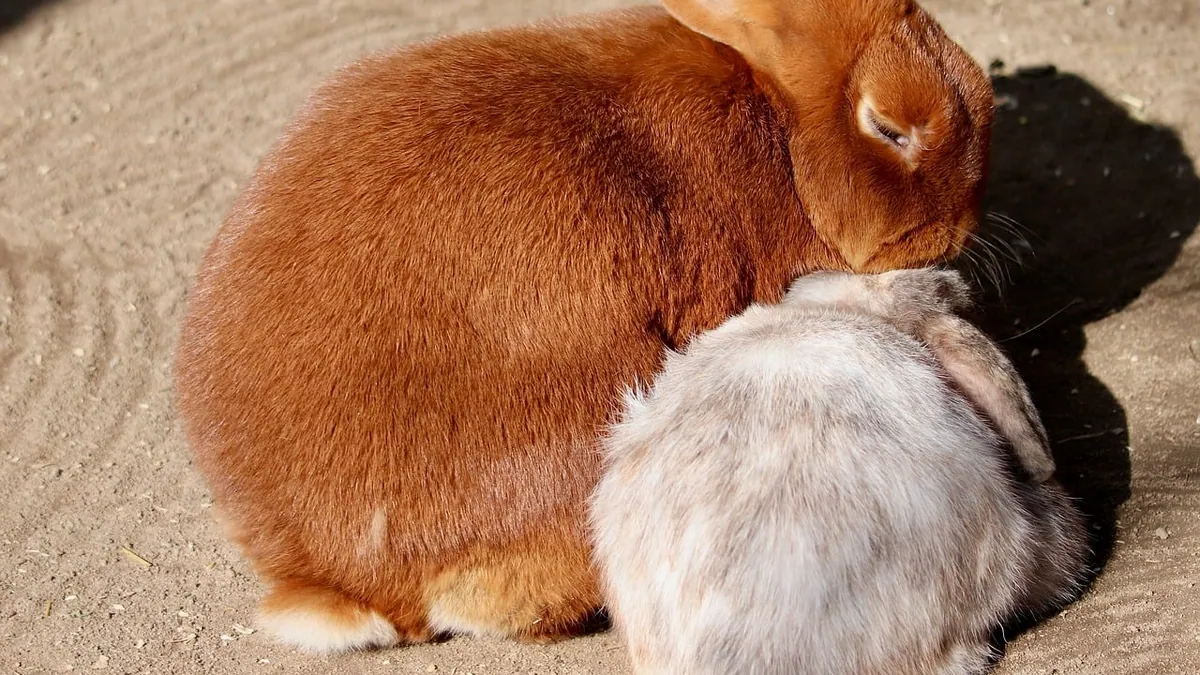
If you have ever caught your rabbit hunched over and eating a dropping straight from its bottom, you are seeing a normal rabbit behavior called cecotrophy. Rabbits produce two kinds of droppings, and one of them is meant to be eaten. So why is my rabbit eating his poop? In most cases, this is how your rabbit gets a second pass at nutrients its body could not absorb the first time around. This article is educational and is not a substitute for veterinary diagnosis or treatment.
Quick Answer
- Eating soft, shiny, grape-like droppings directly from the bottom is normal cecotrophy, not a bad habit.
- Eating hard, dry, round pellets off the floor or from the litter box is not normal and points to a diet or health problem.
- A rabbit that suddenly stops eating its cecotropes may be too full, in pain, or dealing with dental disease or another illness.
- Any rabbit that stops eating, has diarrhea, or produces fewer droppings needs veterinary care promptly [1].
- Never stop or restrict your rabbit's hay or pellets to "fix" this behavior on your own. Diet changes for rabbits should be guided by a veterinarian.
What You Are Actually Seeing
The two kinds of rabbit droppings
Rabbits make hard fecal pellets and soft cecotropes. Hard pellets are the round, dry, brown balls you find in the litter box. Cecotropes are softer, darker, and often described as looking like small bunches of grapes. They have a shiny coating and a strong smell.
Cecotropes form in the cecum, a pouch at the start of the large intestine where bacteria ferment plant fiber. Those bacteria make nutrients the rabbit's small intestine cannot absorb on the first pass. Eating the cecotropes sends that material back through the digestive tract so the rabbit can use it [2]. This is why cecotrophy is not a sign of a dirty habit or a behavioral problem. It is part of how a rabbit eats.
What normal cecotrophy looks like
A healthy rabbit usually eats its cecotropes at night or in the early morning, often right as they pass. You may never see it happen. If you do see it, your rabbit will look like it is grooming its rear end or nibbling near its bottom. The droppings it eats are soft and fresh, not dry pellets from the floor.
Coprophagy, the broad term for eating feces, is documented in many species, including moose, where researchers are still working out whether the behavior helps or harms the animal [3]. In rabbits, the answer is clear. Coprophagy is an innate behavior, and blocking it harms growth and meat quality in research settings [4].
What is not normal
Eating hard pellets off the floor is different. A rabbit that does this may be hungry, bored, or missing something in its diet. It can also be a sign that the rabbit is not producing or not eating its cecotropes. That is the pattern worth investigating.
Why Is My Rabbit Eating His Poop? The Main Causes
Normal cecotrophy
This is the most common reason by far. Your rabbit is doing what rabbits do. If your rabbit is eating well, passing normal hard pellets, and acting bright and active, there is nothing to fix.
Diet problems
A diet too low in fiber or too high in protein, pellets, or treats can change how the cecum works. Rabbits with too little dietary fiber or another problem, such as dental disease, may stop eating and develop gastrointestinal (GI) stasis [1]. In GI stasis, food moves too slowly through the digestive tract, harmful bacteria grow, and gas and toxins build up. The rabbit feels bloated and painful, which makes it even less likely to eat [1].
A rabbit that feels full or uncomfortable may leave cecotropes uneaten. You then find soft, smelly droppings stuck to the fur or on the cage floor. That is a clue, not a behavior problem.
Dental disease
Overgrown or painful teeth make chewing hay difficult. When hay intake drops, the digestive tract slows and cecotrope production and eating can go wrong. Dental disease is one of the problems that can lead to GI stasis [1].
Stress, antibiotics, and a dirty cage
Intestinal disease is a major cause of death in young rabbits. Diet changes, stress, antibiotics, and a dirty cage can upset the normal bacteria in the digestive tract and raise disease risk [1]. When the gut bacteria shift, cecotrope quality and appetite can change too.
Pain or illness anywhere in the body
A rabbit in pain often eats less. Less eating means fewer cecotropes and less interest in eating them. Any illness that reduces appetite can show up as uneaten cecotropes first.
Cause table
| Cause | Typical clues | How urgent |
|---|---|---|
| Normal cecotrophy | Soft, grape-like droppings eaten at night, rabbit bright and eating well | Not urgent |
| Low-fiber or high-protein diet | Uneaten soft droppings, weight changes, hard pellets eaten off the floor | See a vet soon |
| Dental disease | Drooling, dropping food, weight loss, eating less hay | See a vet soon |
| GI stasis | Not eating, small or no droppings, hunched posture, teeth grinding | Emergency now |
| Stress, antibiotics, dirty cage | Recent change, soft stool, diarrhea, young rabbit | Emergency now if diarrhea |
| Pain or illness elsewhere | Hiding, low appetite, behavior change | See a vet soon |
Red Flags That Make It an Emergency
Diarrhea in a rabbit at any age is a serious warning sign of illness [1]. Do not wait to see if it improves.
Go to a veterinarian right away if your rabbit has any of these:
- Diarrhea or very soft, watery stool
- No droppings for 12 hours or more
- Not eating at all, or eating far less than usual
- Hunched posture, pressing the belly to the floor, or grinding teeth
- Labored breathing or a bloated, tight belly
- A young rabbit with any digestive upset
If your rabbit stops eating or shows signs of digestive upset, such as diarrhea or fewer droppings, seek veterinary care promptly [1]. GI stasis can become life threatening quickly.
Safe Things You Can Do at Home While You Wait
Keep hay available at all times
Fresh grass hay should be the biggest part of your rabbit's diet. Do not remove hay to try to change the poop-eating behavior. Fiber keeps the gut moving.
Do not change the diet suddenly
Sudden diet changes can upset the normal gut bacteria and raise disease risk [1]. If you think the pellet amount or type is part of the problem, ask your veterinarian before you switch anything.
Offer fresh water
A rabbit that is not drinking well may eat less. Offer water in a bowl and a bottle so you can see how much is being consumed.
Keep the living area clean
A dirty cage is one of the things that can upset gut bacteria and increase disease risk [1]. Clean the litter box daily and check what the droppings look like.
Track what you see
Write down how many hard pellets you find, whether you see soft cecotropes, and whether your rabbit is eating, drinking, and moving normally. This information helps your veterinarian.
Do not give human medications
Never give your rabbit an over-the-counter pain reliever or any other human drug. Some are toxic to rabbits. Your veterinarian will calculate any medication dose from your rabbit's weight and health.
If you are also managing a dog with a poop-eating habit, the reasons are different. See Why Does My Dog Eat Poop? for that species.
What Your Veterinarian Will Check and Test
History and observation
Your veterinarian will ask what your rabbit eats, how much hay it gets, whether the diet changed recently, and what the droppings look like. Bring a fresh sample if you can.
Physical exam
The exam focuses on the teeth, belly, weight, and hydration. Your veterinarian will feel the abdomen for gas, a mass, or a blockage. True hairballs that block the digestive tract are uncommon but serious in rabbits [1].
Dental check
Because dental disease can start the whole chain of events, a careful mouth exam is part of the workup. Some rabbits need sedation for a full look at the back teeth.
Fecal and blood tests
Your veterinarian may test the stool for parasites and harmful bacteria. Blood work can show dehydration, organ problems, or signs of infection. Imaging such as X-rays may be used if a blockage is suspected.
Treatment depends on the cause
If the problem is GI stasis, treatment usually involves fluids, pain control, and support for gut movement. Your veterinarian will choose medications and doses based on your rabbit's weight and condition. If the problem is diet or dental disease, the plan will address that root cause.
If your rabbit is not eating, that is a separate emergency. The same principle applies to dogs, and you can read more in Why Is My Dog Not Eating?.
Prevention and Monitoring
Feed a hay-first diet
Unlimited grass hay, a measured amount of plain pellets, and a small amount of leafy greens suit most adult rabbits. Treats should be rare. Ask your veterinarian for amounts based on your rabbit's weight and life stage. For more detail, see How Much Food Should A Rabbit Eat.
Keep the routine steady
Rabbits do best with a consistent diet and a calm environment. Avoid sudden food switches. If you must change food, do it slowly and with veterinary guidance.
Check the litter box daily
You will catch problems early if you know what normal looks like for your rabbit. Count hard pellets, watch for soft cecotropes, and note any change in size, number, or consistency.
Watch the teeth
Drooling, dropping food, or eating less hay can point to dental pain. Dental checks should be part of routine wellness visits.
Know the limits of research
Coprophagy research in other species is still developing. One study in dogs found that coprophagy in healthy dogs did not change fecal core microbiota or increase carriage of certain pathogens [5]. That finding is about dogs, not rabbits, so do not assume it applies to your rabbit. In rabbits, coprophagy is required for normal nutrient supply, and preventing it causes intestinal inflammation in research settings [2].
Limitations and When to Contact a Veterinarian
This article covers common patterns, but every rabbit is an individual. Only a veterinarian who examines your rabbit can diagnose the cause and choose treatment.
Contact a veterinarian the same day if your rabbit:
- Has soft or uneaten cecotropes for more than a day
- Is eating less hay or pellets than usual
- Is losing weight or drooling
- Has a recent diet change, antibiotic course, or stressful event
Go to an emergency clinic now if your rabbit:
- Has diarrhea
- Has not passed droppings for 12 hours or more
- Is not eating at all
- Is hunched, grinding teeth, or breathing hard
Schedule a routine visit if your rabbit eats hard pellets off the floor but otherwise seems well. That visit can rule out diet and dental problems before they become serious.
Frequently Asked Questions
Is it normal for rabbits to eat their poop?
Yes, eating soft cecotropes is a normal and necessary behavior for rabbits. These droppings carry nutrients made by gut bacteria that the rabbit's body cannot absorb the first time. A rabbit that never eats them may have a health or diet problem.
Why does my rabbit eat his poop off the floor?
Eating dry, hard pellets off the floor is not the same as cecotrophy. It can mean the rabbit is hungry, bored, or not getting enough fiber. It can also mean the rabbit is not eating its soft cecotropes, which is worth a veterinary visit.
Why is my rabbit eating her poop more than usual?
A sudden increase can follow a diet change, stress, or a drop in hay intake. It can also happen when a rabbit is not feeling well and its gut is moving slowly. Track the droppings and appetite, and call your veterinarian if anything else changes.
Why is my rat eating poop?
Rats also practice coprophagy, and for similar reasons. Their gut bacteria make nutrients that get a second pass when the animal eats its droppings. This is normal for rats too, though a sudden change in appetite or stool still deserves a veterinary check.
Can I stop my rabbit from eating its poop?
You should not try to stop normal cecotrophy. Blocking this behavior deprives your rabbit of nutrients and can harm its gut. If your rabbit is eating hard pellets instead of soft cecotropes, work with your veterinarian on the diet and a dental check instead of trying to break the habit yourself.
Related Articles
- How Much Food Should A Rabbit Eat
- Is It Normal for Rabbits to Poop and Pee a Lot?
- Rabbit Not Pooping but Acting Normal: When to Call the Vet
- Why Does My Rabbit Have Diarrhea? Causes and Care
References
- Digestive Disorders of Rabbits - All Other Pets. Merck Veterinary Manual.
- Novel mechanism of Clostridium butyricum alleviated coprophagy prevention-induced intestinal inflammation in rabbit. International immunopharmacology, 2024.
- Coprophagy in moose: A first observation. Ecology and evolution, 2023.
- Proteomic responses to the effect of coprophagy prevention on meat quality in New Zealand white rabbits. Food chemistry. Molecular sciences, 2026.
- Coprophagy in Healthy Dogs Does Not Alter Fecal Core Microbiota or Increase Carriage of Enteropathogens. Animals : an open access journal from MDPI, 2026.