Is It Normal for Rabbits to Shed? What to Expect
By Dr. Zubair Khalid, DVM, MS, PhD ·
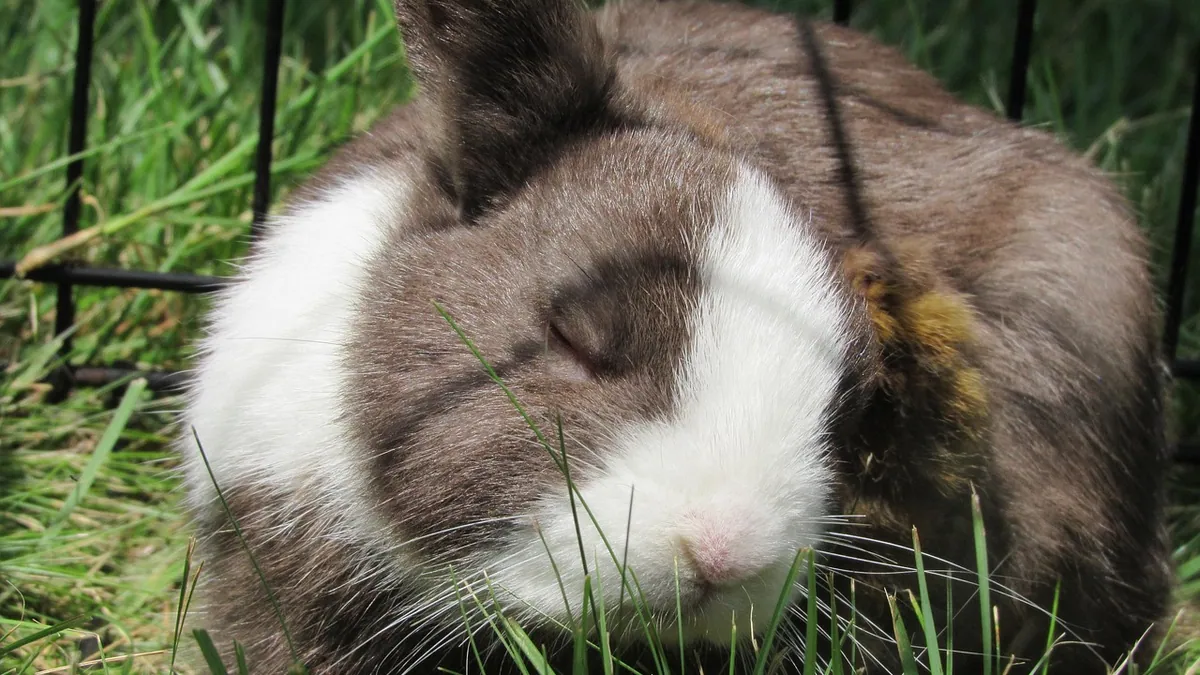
Yes, it is normal for rabbits to shed. Rabbits molt in cycles, and most owners see lighter shedding most of the year with a few heavy sheds mixed in. What matters is knowing the difference between a normal molt and hair loss that points to mites, ringworm, or illness.
This article is educational and is not a substitute for veterinary diagnosis or treatment.
Quick Answer
- Shedding is normal. Rabbits replace their coat in cycles, and the hair follicle moves through growth, regression, and rest phases [1][2].
- Expect two heavy sheds per year in many rabbits, usually in spring and fall, plus lighter shedding in between.
- During a heavy molt, brush daily and remove loose hair before your rabbit grooms and swallows it.
- Hair swallowed during grooming can clump in the stomach and contribute to stasis, which is a medical emergency.
- Bald patches, crusty skin, or shedding with appetite loss are not normal molts. These need a veterinary visit.
Do Rabbits Shed? Normal Molting Patterns
Rabbits shed because their hair follicles cycle. Each follicle moves through anagen (growth), catagen (regression), and telogen (rest) before the old hair releases and new hair pushes through [1][2]. This cycle is continuous, so some hair loss happens all year.
The cycle is not perfectly synchronized across the whole body at once. Different follicles sit in different phases, which is why your rabbit may look patchy for a few days and then smooth out again. In Rex rabbits, researchers mapped these stages directly and confirmed that the coat changes in a predictable sequence from growth to regression to rest [1]. The same general biology applies across rabbit breeds.
Many rabbits follow a seasonal pattern tied to changing daylight. Longer days in spring trigger a shed of the heavy winter coat. Shorter days in fall trigger a shed of the lighter summer coat. Indoor rabbits under artificial light may shed less predictably, sometimes in a near-constant low-level molt with occasional heavy periods.
Young rabbits go through a major coat change as they move from baby fur to adult fur. This usually happens somewhere between 4 and 7 months of age and can look dramatic. It is still normal.
How to Manage a Heavy Shed Step by Step
Step 1: Brush daily during the molt
Use a soft slicker brush or a rubber grooming mitt. Short, gentle strokes in the direction the fur grows. Work in sections, starting at the back and moving toward the tail, then the sides, then the belly if your rabbit tolerates it. Most rabbits accept grooming better if you keep sessions short, around 5 to 10 minutes, and offer a treat afterward.
Step 2: Remove loose hair from the environment
Vacuum or sweep the enclosure daily. Loose fur that stays in the cage gets picked up again when your rabbit grooms, which increases how much hair it swallows.
Step 3: Increase fiber and water
Fresh hay should be available at all times. Hay keeps the gut moving and helps hair pass through instead of clumping. Offer fresh water in a bowl and a bottle so your rabbit drinks as much as it wants. A well-hydrated gut moves ingesta more effectively.
Step 4: Watch the droppings
Normal rabbit droppings are round, uniform, and plentiful. During a heavy molt, check the litter box every day. Fewer droppings, smaller droppings, or droppings strung together with hair are early warnings that the gut is slowing down.
Step 5: Keep grooming stress low
Rabbits are prey animals and are sensitive to handling stress. A study on rabbit appeasing pheromone found that rabbits in a new environment showed changes in locomotion and grooming behavior across repeated exposures [3]. The practical point is that stress changes how rabbits behave and groom. Keep grooming calm, quiet, and brief, and never chase your rabbit around the room to catch it.
Step 6: Consider a professional groomer for dense coats
Long-haired breeds and rabbits with very dense coats may need help. A groomer experienced with rabbits can thin the coat safely. Never use scissors near the skin, and never shave a rabbit down to the skin without veterinary guidance.
If you want a full walkthrough of tools and handling, see Grooming Your Pet Rabbit.
Shedding Schedule and Care Checklist
| Timeframe | What You Will Likely See | What to Do |
|---|---|---|
| Most of the year | Light shedding, a few loose hairs on bedding | Brush 2 to 3 times per week |
| Spring (longer days) | Heavy shed of the winter coat, tufts of fur | Brush daily, vacuum daily, push hay and water |
| Fall (shorter days) | Heavy shed of the summer coat | Brush daily, watch droppings closely |
| 4 to 7 months old | Baby coat replaced by adult coat, patchy look | Brush gently, expect a messy few weeks |
| Any time, sudden | Bald spots, crusts, itching, appetite change | Call your veterinarian |
When Shedding Is Not Normal
Mites
Fur mites cause intense itching, dandruff, and patchy hair loss, often along the back and around the tail base. The skin may look scaly or crusty. Rabbits with mites often scratch and bite at themselves more than usual. Mites are diagnosed by a veterinarian, usually with a skin scraping or tape preparation, and treated with prescription medication. Over-the-counter products sold for dogs and cats can be toxic to rabbits, so do not use them.
Ringworm
Ringworm is a fungal infection that causes circular patches of hair loss with scaly, sometimes red edges. It can spread to other pets and to people in the household. A veterinarian can confirm it with a fungal culture or a Wood's lamp exam. Treatment usually involves topical or oral antifungal medication prescribed for your rabbit's weight and health status.
Illness and stress-related hair loss
Hair loss can also signal an underlying problem. Poor diet, dental pain, kidney disease, and reproductive issues in unspayed females can all change coat quality. Stress from a new environment, a new pet, or a move can change grooming behavior [3]. If your rabbit is losing hair and also eating less, losing weight, or acting withdrawn, the coat is a symptom, not the problem.
Environmental irritants
Airborne particulate exposure has been linked to hair loss and skin changes in animal models, with inflammatory and apoptotic pathways involved [4]. This research was done in mice, not rabbits, so it does not prove the same effect in your pet. Still, keeping your rabbit's area free of smoke, heavy dust, and strong fumes is reasonable basic care.
Barbering and over-grooming
Some rabbits pull their own fur or a bonded partner over-grooms them. This can look like a molt but leaves short, chewed patches instead of loose tufts. Check for a companion rabbit doing the damage, and separate the pair if skin irritation develops.
Common Mistakes Owners Make
- Assuming all hair loss is shedding. A normal molt does not leave bare skin. Bald patches always need a closer look.
- Skipping brushing during a heavy molt. This is the single biggest risk factor for hair accumulation in the stomach.
- Using flea products made for dogs or cats. Many are toxic to rabbits. Only use products prescribed by a veterinarian.
- Bathing a rabbit to remove loose hair. Baths are stressful and can cause hypothermia. Spot cleaning with a damp cloth is safer when needed.
- Cutting out hay during a molt. Hay is the main tool you have to keep the gut moving.
- Ignoring small droppings. A rabbit that stops producing normal droppings needs veterinary care the same day.
- Waiting on appetite changes. A rabbit that is not eating is an emergency, not a wait-and-see situation.
Supplies and Setup That Support Coat Health
Hay. Unlimited grass hay is the foundation of a healthy rabbit diet and gut. If you are unsure what to feed, see What Do Rabbits Need In Their Diet.
Water. Offer both a bowl and a bottle. Rabbits often drink more from a bowl.
Brushes. A soft slicker brush, a rubber mitt, and a fine-tooth comb cover most coat types. Clean the brush after each session so you are not spreading skin debris.
Litter box setup. Use paper-based or wood pellet litter, not clumping cat litter. Check the box twice a day during heavy molts so you notice changes in droppings quickly.
Temperature and air. Keep the area cool, dry, and well ventilated. Avoid smoke, aerosol sprays, and strong cleaners near the enclosure.
Handling. Support the hindquarters at all times. A rabbit that kicks while held can fracture its spine.
Nail trims. Long nails change how a rabbit sits and grooms. Trim them every 4 to 6 weeks, or ask your veterinarian or groomer to do it.
Older rabbits often groom less effectively, so shedding can become a bigger problem with age. For more on senior care, see Rabbit Lifespan and Aging: What to Expect as Your Rabbit Grows Older.
Limitations and When to Contact a Veterinarian
This article covers general patterns. Individual rabbits vary, and only a veterinarian who examines your rabbit can diagnose a skin or gut problem.
Contact a veterinarian the same day if you see:
- No droppings for 12 hours, or droppings that are very small, few, or strung together with hair
- Not eating, or eating much less than usual
- Hunched posture, teeth grinding, or pressing the belly to the floor
- Bald patches, crusts, scabs, or red irritated skin
- Intense scratching, biting, or hair pulling
- Weight loss or a dull, rough coat that does not improve
Go to an emergency clinic now if you see:
- A rabbit that is collapsed, unresponsive, or breathing hard
- Repeated unproductive straining to defecate
- Sudden paralysis of the hind legs
- Bleeding from the skin or rectum
Schedule a routine visit if you see:
- Mild patchy shedding that lasts more than 2 weeks
- Dandruff or scaly skin without other signs
- A bonded partner over-grooming the other rabbit
- Any new lump, bump, or skin growth
Hair accumulation in the stomach can progress to stasis, which is life threatening. Do not wait to see if it resolves on its own.
Frequently Asked Questions
How often do rabbits shed?
Most rabbits shed lightly all year and have two heavier molts, typically in spring and fall. Indoor rabbits under steady artificial light may shed on a less predictable schedule. The hair follicle cycle itself is continuous, moving through growth, regression, and rest phases [1][2].
Can shedding cause hairballs in rabbits?
Yes. Rabbits cannot vomit, so swallowed hair travels through the digestive tract instead of being coughed up. When a lot of hair clumps with ingesta, it can slow or block the gut and lead to stasis. Daily brushing during a molt is the main way to reduce this risk.
Should I change my rabbit's diet during a heavy shed?
You do not need a special molt diet. Keep unlimited grass hay as the base, offer fresh leafy greens, and make sure water intake is good. Hay and water are what keep the gut moving so hair passes through.
Is it normal for a rabbit to have bald spots?
No. A normal molt thins the coat but does not leave bare skin. Bald spots, crusts, or scaly patches point to mites, ringworm, over-grooming, or another skin problem. These need a veterinary exam and prescription treatment.
Can I use dog or cat flea products on my rabbit?
No. Many flea and tick products labeled for dogs and cats contain ingredients that are toxic to rabbits. Only use parasite treatment prescribed by a veterinarian for your rabbit's weight and health status.
Related Articles
- Grooming Your Pet Rabbit
- Rabbit Lifespan and Aging: What to Expect as Your Rabbit Grows Older
- What Do Rabbits Need In Their Diet
- Do Rabbits Get Ear Infections
- Why Is My Rabbit Losing Hair? Causes and What to Do
- How Long Do Rabbits Molt? Shedding Cycles and Coat Care
- Why Is My Rabbit Losing So Much Fur?
References
- Whole-transcriptome analysis reveals the profiles and roles of coding and non-coding RNAs during hair follicle cycling in Rex rabbits. BMC genomics, 2025.
- An integrative analysis of the lncRNA-miRNA-mRNA competitive endogenous RNA network reveals potential mechanisms in the murine hair follicle cycle. Frontiers in genetics, 2022.
- Crossing the comfort zone: rabbit appeasing pheromone enhances acclimation to a novel environment. Frontiers in veterinary science, 2026.
- Particulate matter exposure induces maternal scalp hair loss after birth in C57/B6 mouse via alteration of inflammatory and apoptotic pathways. Frontiers in endocrinology, 2026.