How Long Do Guinea Pigs Grow? Growth Timeline
By Dr. Zubair Khalid, DVM, MS, PhD ·
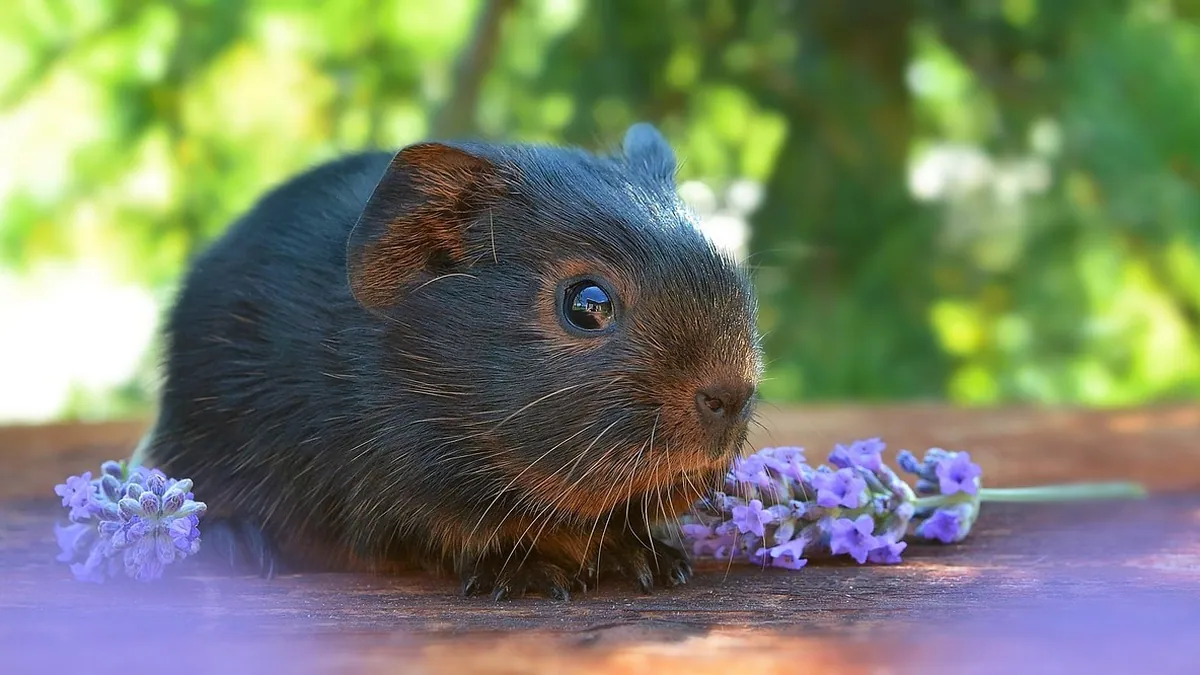
Guinea pigs do most of their growing in the first few months of life and typically reach their adult size between 5 and 6 months of age. Knowing how long do guinea pigs grow helps you judge whether your pet's size and weight are on track. Growth is fastest in the first 8 weeks, then slows steadily until the skeleton and body fill out.
This article is educational and is not a substitute for veterinary diagnosis or treatment.
Quick Answer
- Guinea pigs are born well developed, with fur, open eyes, and the ability to eat solid food within days [1].
- Most of the rapid growth happens before weaning, and body weight continues to climb through the first 2 months of life [2].
- Live weight and body measurements keep increasing at least through 6 months of age, with males generally heavier than females [3].
- Full adult size is usually reached around 5 to 6 months, though some guinea pigs fill out a little longer.
- Weigh your guinea pig weekly on a kitchen scale in grams, and track the trend instead of a single number.
Guinea Pig Growth Stages Month by Month
Guinea pigs are not like puppies or kittens that stay small for months. They are born precocial, meaning they arrive with eyes open, a full coat of hair, and the ability to move around and nibble solid food within a day or two [1]. That head start shapes the whole timeline.
Birth to 2 weeks
Newborn guinea pigs are small but active. They nurse from the mother and begin sampling hay and pellets early. This is the period of fastest weight gain. A study of breeding lines found that birth weight and weight at 10 days are key early measures of growth performance [2]. Handling should be gentle and brief during this stage, and the mother needs quiet, unlimited food and water.
3 to 4 weeks (weaning age)
Around 3 weeks, guinea pigs are typically weaned. One study examined 3-week-old guinea pigs at weaning and found that respiratory disease was common in that population, which is why clean bedding, good ventilation, and low crowding matter so much at this age [4]. Young guinea pigs should already be eating grass hay freely, which also helps wear down their constantly growing teeth [5].
2 months (8 weeks)
By 8 weeks, growth is still brisk but no longer explosive. Body weight at 60 days is a standard measurement used in guinea pig breeding research, which tells you this is a recognized checkpoint for normal development [2]. Your guinea pig should look proportionate, with a rounded body and no visible ribs or spine.
3 to 4 months
Growth slows but does not stop. A study following guinea pigs at 3, 4, and 6 months found significant age-related increases in live weight and body measurements across those ages, and males were heavier than females at every point [3]. This is when you may notice your guinea pig getting longer and more solid instead of just heavier.
5 to 6 months
This is when most guinea pigs reach their adult size. The same study documented continued increases in live weight and carcass dimensions through 6 months, confirming that growth is still measurable at that age [3]. After 6 months, changes are usually small and reflect condition (muscle and fat) more than skeletal growth.
6 months and older
in published veterinary research on, your job shifts from tracking growth to tracking stability. A steady adult weight is a sign of good health. Unexplained weight loss is one of the earliest signs of illness in guinea pigs, so keep weighing monthly for life.
Guinea Pig Weight by Age: What Is Normal?
There is no single official weight chart for pet guinea pigs, and breed, sex, genetics, and diet all shift the numbers. The table below gives typical ranges you can use as a general guide, based on the pattern of steady weight gain documented in growing guinea pigs [2][3].
| Age | Typical weight range | What to expect |
|---|---|---|
| Birth | 60 to 100 g | Eyes open, furred, moving |
| 2 weeks | 150 to 250 g | Nursing plus nibbling solids |
| 3 to 4 weeks | 200 to 350 g | Weaning period |
| 2 months | 300 to 500 g | Rapid gain continues |
| 3 months | 450 to 700 g | Growth slowing |
| 4 months | 550 to 850 g | Males pulling ahead |
| 5 to 6 months | 700 to 1,100 g | Near adult size |
| Adult male | 900 to 1,200 g | Heavier than females |
| Adult female | 700 to 1,000 g | Lighter frame |
These ranges are guides, not rules. A guinea pig at the low end who is gaining steadily is usually fine. A guinea pig who stops gaining or loses weight needs attention.
How to Track Growth Step by Step
- Buy a digital kitchen scale that reads in grams. Baby scales work well too.
- Weigh your guinea pig at the same time of day, ideally before the main meal, once a week until 6 months old.
- Write down the number and the date. A notebook or phone note is fine.
- Weigh the food bowl and hay rack separately if you want to monitor intake.
- Compare each week to the last. Steady gains are the goal.
- After 6 months, switch to weighing once a month.
- Take your log to every veterinary visit. Trends are more useful than single readings.
If you are setting up a habitat for a growing guinea pig, remember that young guinea pigs need room to move. Check our guides on Guinea Pig Cage Size: Minimum Standards and Space Calculations and the Guinea Pig Cage Size Calculator: From Minimums to Optimal Floor Space.
Growth Checklist by Age
| Age | Weight check | Diet focus | Vet care |
|---|---|---|---|
| Birth to 2 weeks | Daily visual check | Mother's milk, soft hay | None unless ill |
| 3 to 4 weeks | Every 2 to 3 days | Grass hay, pellets, water | First wellness visit if new |
| 2 months | Weekly | Unlimited hay, pellets, vitamin C veggies | Establish baseline weight |
| 3 to 4 months | Weekly | Same, watch for overfeeding treats | Routine check |
| 5 to 6 months | Weekly | Adult portions | Confirm sex if unsure |
| 6 months and up | Monthly | Stable adult diet | Annual exam |
Signs Something Is Wrong
Stunted growth or a growth stall is a warning sign, not a cosmetic issue. Watch for these red flags.
- Weight loss or no gain for 2 or more weeks in a young guinea pig.
- A body that feels bony, with ribs or hip bones easy to feel.
- Drooling, dropping food, or trouble chewing, which can point to overgrown teeth. Guinea pig teeth grow throughout life and depend on hay to wear down properly [5].
- Labored breathing, sneezing, or discharge from the nose or eyes. Respiratory disease is common in young guinea pigs around weaning age [4].
- Diarrhea, a dirty bottom, or a swollen belly.
- Sitting hunched, fluffed up, or refusing favorite foods.
- A guinea pig that is much smaller than its littermates and falling further behind.
Any of these deserves a veterinary visit. Do not wait to see if it improves on its own.
Common Mistakes Owners Make
- Feeding mostly pellets and treats instead of hay. Hay should be the primary food to keep teeth worn correctly [5].
- Skipping weights because the guinea pig "looks fine." Weight is the earliest measurable sign of trouble.
- Comparing your guinea pig to a friend's guinea pig. Genetics, sex, and breed all affect size.
- Assuming a small guinea pig is just the runt. A guinea pig that stops growing may have a medical problem.
- Housing a growing guinea pig alone. Guinea pigs are social animals that naturally prefer living in groups [5].
- Ignoring crowding. Higher animal density in a cage was linked to higher odds of pneumonia in weaning guinea pigs [4].
- Using a scale that reads in ounces only. Grams give you finer detail.
Supplies and Setup That Support Healthy Growth
- Grass hay available at all times. This is the foundation of the diet and supports normal tooth wear [5].
- A quality guinea pig pellet with stabilized vitamin C, since guinea pigs cannot make their own.
- Fresh leafy greens and a small amount of vitamin C rich vegetables daily.
- A heavy ceramic bowl and a bottle or bowl of clean water.
- A solid floor cage with no wire bottom, plus a hide box for security.
- Bedding that stays dry, changed often, especially in the weaning period when respiratory risk is higher [4].
- A digital gram scale for weekly weights.
- A quiet room away from dogs, cats, and loud noise.
If you are still deciding on a breed or want to know what different coat types need, see our Guinea Pig Breeds Guide. And because growth is only the first chapter, it helps to know what comes next. Our article on How Long Do Guinea Pigs Live? Lifespan and Care covers the adult years.
Limitations and When to Contact a Veterinarian
No article can tell you whether your individual guinea pig's growth is normal. Only a veterinarian who examines your pet, weighs it, and reviews its history can do that.
Contact a veterinarian the same day if your guinea pig:
- Has not gained weight in 2 weeks or has lost weight.
- Is drooling, dropping food, or chewing on one side.
- Has diarrhea or a soiled rear end.
- Is sneezing, breathing hard, or has eye or nose discharge.
- Feels cold, weak, or is not moving normally.
Seek emergency care immediately if your guinea pig:
- Is gasping, open-mouth breathing, or struggling to breathe.
- Is limp, unresponsive, or having seizures.
- Has not eaten or produced droppings for 12 hours or more.
- Collapses or cannot stand.
Schedule a routine visit if:
- You just adopted a young guinea pig and want a baseline weight and health check.
- You are unsure of your guinea pig's sex or age.
- Your guinea pig is growing but seems much smaller than expected for its age.
Frequently Asked Questions
How long do guinea pigs take to grow?
Most guinea pigs finish the main phase of growth by about 5 to 6 months of age. Weight and body measurements continue to increase measurably through 6 months, especially in males. After that, any change in size usually reflects body condition instead of true growth.
When do guinea pigs stop growing?
Skeletal growth generally stops around 5 to 6 months. Some guinea pigs continue to fill out slightly for a few more weeks. If your guinea pig is still gaining steadily at 7 or 8 months, that is usually normal variation, but sudden or rapid weight gain in an adult can signal a diet problem.
Is my guinea pig's weight normal for its age?
Use the ranges in the table above as a rough guide, then focus on the trend. A guinea pig that gains steadily week to week is likely fine even if it sits at the low end. A guinea pig that stalls or drops needs a veterinary check.
Do male guinea pigs grow bigger than females?
Yes. Males are generally heavier and longer than females at the same age. One study tracking guinea pigs from 3 to 6 months found males had higher values than females across all weight parameters measured.
Can a guinea pig be stunted?
Yes, stunted growth can happen. Poor nutrition, dental disease, parasites, and respiratory illness during the growing months can all slow or stop weight gain. A guinea pig that is far behind its littermates and not catching up should be examined by a veterinarian.
Related Articles
- How Long Do Guinea Pigs Live? Lifespan and Care
- Guinea Pig Cage Size: Minimum Standards and Space Calculations
- Guinea Pig Cage Size Calculator: From Minimums to Optimal Floor Space
- Guinea Pig Breeds Guide
- Reference Intervals for Ferrets, Rabbits, and Guinea Pigs
- How Long Are Guinea Pigs Pregnant? Timeline
- How Long Do Guinea Pigs Sleep? Daily Sleep Needs
- How to Help a Guinea Pig Gain or Lose Weight
References
- Anatomy, Physiology, and Behavior of Guinea Pigs - Exotic and Laboratory Animals. Merck Veterinary Manual.
- Scarce Evidence of Heterosis for Growth Traits in Peruvian Guinea Pigs. Animals : an open access journal from MDPI, 2023.
- Evolution of carcass traits, pH, color and non-carcass components of guinea pigs from three to six months of age. Tropical animal health and production, 2026.
- Prevalence, spatial distribution, and risk factors associated with pneumonic lesions in weaning guinea pigs from Pasto, Colombia. Tropical animal health and production, 2026.
- Description and Physical Characteristics of Guinea Pigs - All Other Pets. Merck Veterinary Manual.