Why Is My Hamster Peeing and Pooping So Much?
By Dr. Zubair Khalid, DVM, MS, PhD ·
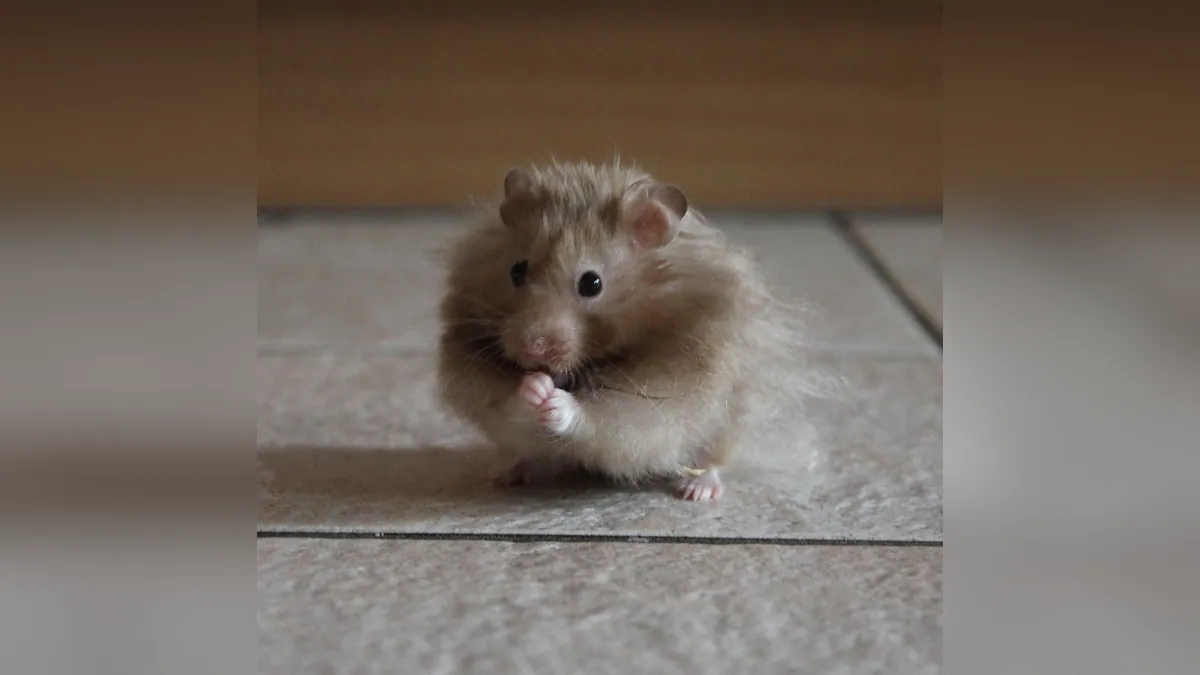
Hamsters produce small amounts of urine and stool every day, and that is normal. If your hamster is suddenly peeing or pooping far more than usual, the cause may be something simple like diet or cage cleaning, or it may be a sign of diabetes, kidney disease, or an intestinal infection. This article helps you tell the difference and decide when to call a veterinarian. This article is educational and is not a substitute for veterinary diagnosis or treatment.
Quick Answer
- A healthy hamster urinates small amounts frequently and produces firm, dark, oval droppings. A sudden increase in either one is a change worth watching.
- Dwarf hamsters are prone to diabetes, which causes heavy drinking and heavy urination. Syrian hamsters are more prone to a serious intestinal disease called wet tail.
- Wet tail causes watery diarrhea, a wet tail base, hunched posture, and lethargy. It can kill a hamster quickly, so treat it as an emergency.
- Never withhold water to reduce urination. Hamsters dehydrate fast, and limiting water makes kidney problems worse.
- Call an exotic-animal veterinarian if the change lasts more than 24 hours, if your hamster looks sick, or if you see blood, straining, or a wet tail.
What Normal Hamster Pee and Poop Looks Like
Before you worry, it helps to know what normal looks like for your hamster.
Normal urination
Hamsters are desert-adapted rodents, so they concentrate their urine well. Normal hamster urine is usually small in volume, cloudy, and pale yellow to white. It often dries to a powdery residue, which is normal and not a sign of illness. Most hamsters urinate several times a day in one or two chosen corners of the cage.
A hamster that suddenly soaks its bedding, leaves large wet patches, or drinks its water bottle dry is showing a real change.
Normal droppings
Normal hamster droppings are firm, dark, oval, and about the size of a grain of rice. Hamsters also produce softer, lighter "cecotropes," which they usually eat directly from the body. You may never see these, and that is normal.
Loose, watery, pale, or foul-smelling stool is not normal. Neither is a complete stop in droppings.
What counts as "too much"
There is no fixed number of trips to the bathroom that defines too much for a hamster. What matters is the pattern. Watch for more urine volume, more frequent urination, more droppings than usual, softer droppings, or a hamster that seems to be straining.
Why Does My Hamster Pee So Much? Main Causes
Several conditions can increase urination or stool output in hamsters. Some are mild. Some are emergencies.
| Cause | Typical clues | How urgent |
|---|---|---|
| Diabetes (especially dwarf hamsters) | Heavy drinking, heavy urination, sweet or fruity-smelling urine, weight loss despite a good appetite | See a vet within 1 to 2 days |
| Kidney disease | Increased urination, increased drinking, weight loss, poor coat, lethargy | See a vet within 1 to 2 days |
| Wet tail (proliferative ileitis) | Watery diarrhea, wet and soiled tail area, hunched posture, no appetite, lethargy | Emergency, same day |
| Diet changes or too much fresh food | Soft stool or more stool after new foods, no other signs of illness | Watch for 24 hours, call if it continues |
| Stress (new cage, new home, cage mate conflict) | More droppings, hiding, isolation from cagemates | Reduce stress, call if signs worsen |
| Adrenal gland disease | Hair loss, skin changes, increased drinking and urination | Routine visit, sooner if your hamster seems unwell |
| Urinary tract infection or bladder stones | Straining, small frequent urination, blood in urine, crying or squeaking while urinating | See a vet within 1 to 2 days |
Diabetes in hamsters
Diabetes is a well-known problem in dwarf hamsters, including the Djungarian and Roborovsky species [1]. These hamsters can develop high blood sugar and spill sugar into their urine. That sugar pulls water with it, so the hamster drinks more and pees more.
Clues include a water bottle that empties faster than usual, wet bedding, weight loss, and urine that smells sweet or fruity. If your hamster is a dwarf and is peeing much more than usual, diabetes should be near the top of the list.
Kidney disease
The kidneys filter waste and control water balance. When they stop working well, hamsters lose the ability to concentrate urine. The result is more urine, more drinking, and gradual weight loss. Kidney disease is more common in older hamsters. A hamster with kidney disease often has a dull coat and low energy along with the increased urination.
Wet tail and intestinal infections
Wet tail is the common name for proliferative ileitis, a stress-related disease that causes severe diarrhea and can lead to a stretched, blocked intestine [1]. It is most common in recently weaned and newly purchased hamsters, and it can progress fast.
A hamster with wet tail has a wet, soiled rear end, watery stool, a hunched posture, and no interest in food. This is not the same as a hamster that simply poops more. Wet tail is a medical emergency.
Bacterial infections of the gut can also cause diarrhea. In hamsters, intestinal infection with Leptospira bacteria has been shown to cause redness and bleeding in the small intestine [2]. Clostridioides difficile, a bacterium that causes diarrhea after antibiotic use, has also been studied in hamsters [3]. These are examples of why a veterinarian needs to examine your hamster instead of guess at a cause from home.
Stress and environment
Hamsters are sensitive to stress. A new cage, a move, a noisy room, or conflict with a cagemate can change eating, drinking, and bathroom habits. Sick hamsters often isolate themselves from cagemates and show weight loss, a hunched posture, low energy, rough fur, and less interest in exploring [1]. If your hamster is hiding more and producing more droppings, stress or illness may be involved.
Diet
A diet of mixed seeds lets hamsters pick out the fatty seeds and leave the pellets behind, which leads to an unbalanced diet [1]. A complete pelleted hamster diet is a better choice. Sudden changes in food, too much fruit, or too many fresh vegetables can also loosen the stool. If you recently changed the diet, that may explain the change in droppings.
Adrenal gland disease
Adrenal gland disease is uncommon in pet rodents, but when it happens, it is seen most often in guinea pigs and hamsters [4]. Signs include skin and hair changes similar to those in dogs, along with increased drinking and urination [4]. Diagnosis involves a physical exam, imaging such as abdominal ultrasound, and blood hormone testing [4]. Treatment options include oral medications or surgery [4].
Other urinary problems
Bladder stones, urinary tract infections, and other urinary disease can cause frequent, small, painful urination. If your hamster squeaks while peeing, strains, or has blood in the urine, that points toward a urinary problem instead of diabetes.
If you also have dogs or cats at home, some of the same questions apply to them. You can read more about increased urination and drinking in Why Is My Dog Peeing So Much? and Why Is My Cat Drinking So Much Water?.
Red Flags That Mean Emergency
Some signs mean you should stop reading and call a veterinarian now.
- Watery diarrhea or a wet, soiled tail area (possible wet tail)
- No droppings for 24 hours, or straining with nothing coming out
- Blood in the urine or stool
- A hamster that will not eat or drink
- Hunched posture, labored breathing, or a hamster that will not move when nudged
- A swollen or hard belly
- Collapse, seizures, or extreme weakness
Wet tail can kill a hamster within days, so do not wait to see if it improves on its own.
What You Can Safely Do at Home
While you wait for your appointment, a few simple steps can help.
- Keep fresh water available at all times. Do not limit water to reduce urination.
- Stop all fruit, treats, and fresh vegetables for now. Offer only the usual complete pelleted diet.
- Clean the cage and replace bedding so you can see exactly how much urine and stool your hamster produces.
- Weigh your hamster daily on a small kitchen scale if you have one. Weight loss is a strong clue.
- Keep the cage in a quiet, warm spot away from other pets and loud noise.
- Wash your hands after handling your hamster or cleaning the cage. Hamster urine can carry bacteria that spread to people, so good hygiene matters [2].
- Do not give any medication, including human diabetes drugs or antibiotics, without veterinary guidance. Doses for hamsters are calculated by the veterinarian based on your pet's weight and health.
If your hamster stops eating or drinking, becomes weak, or has watery diarrhea, go to a veterinarian right away instead of waiting at home.
What Your Veterinarian Will Check
A veterinarian who treats exotic pets will start with a full physical exam. They will check your hamster's weight, hydration, coat, breathing, belly, and rear end. They will also ask about diet, water intake, cage setup, and how long the signs have lasted.
Expect some of these tests:
- Urine testing for sugar, protein, blood, and concentration
- Blood glucose testing, especially for dwarf hamsters
- Fecal testing for parasites and bacteria
- Blood work to check kidney values and other organ function
- Imaging such as abdominal ultrasound or X-rays
- Hormone testing if adrenal disease is suspected [4]
Treatment depends on the cause. Diabetes may be managed with diet changes and monitoring. Kidney disease is managed supportively. Wet tail needs aggressive treatment with fluids, antibiotics, and supportive care. Adrenal disease may be treated with oral medication such as trilostane or ketoconazole, or with surgery [4].
Your veterinarian will calculate any medication dose from your hamster's weight and health. Never use a dose meant for another animal or for a person.
Preventing and Monitoring Elimination Problems
Good daily care lowers the odds of many problems.
- Feed a complete, balanced pelleted diet made for hamsters. Avoid generic seed mixes that let your hamster pick and choose [1].
- Keep water clean and available at all times. Check the bottle daily to be sure it is working.
- Clean the cage regularly, and watch the bedding for changes in urine volume or color.
- Weigh your hamster weekly. A small kitchen scale works well. Write down the numbers so you can spot trends.
- Limit treats and sugary foods, especially for dwarf hamsters.
- Keep the cage quiet and give your hamster a place to hide. Lower stress helps prevent stress-related gut disease [1].
- Know your hamster's normal habits. The sooner you notice a change, the sooner you can get help.
If you have other pets, changes in their bathroom habits are worth watching too. See Why Is My Dog Drinking So Much Water? and Dog Urinating a Lot and Drinking a Lot: What It Could Mean for comparison.
Limitations and When to Contact a Veterinarian
This article cannot tell you what is wrong with your specific hamster. Only a veterinarian who examines your pet can do that. Individual cases need a veterinarian.
Call an exotic-animal veterinarian the same day if you see:
- Watery diarrhea or a wet tail base
- Blood in urine or stool
- Straining to urinate or poop with little output
- No eating or drinking for 12 to 24 hours
- Weight loss, hunched posture, or low energy
Go to an emergency clinic now if your hamster is collapsed, having trouble breathing, having seizures, or has a swollen, painful belly.
Schedule a routine visit within a few days if the only sign is a mild increase in urination or droppings and your hamster is otherwise eating, drinking, and active normally.
Frequently Asked Questions
Is it normal for my hamster to pee a lot?
Small, frequent urination is normal for hamsters. A sudden increase in volume or frequency is not. If your hamster is soaking its bedding or emptying its water bottle faster than usual, have it checked for diabetes or kidney disease.
Why does my hamster poop so much?
More droppings can come from a diet change, stress, or an intestinal problem. If the droppings are firm and your hamster acts normal, watch for a day. If they are soft, watery, or smelly, call your veterinarian.
Can stress make my hamster pee and poop more?
Yes. Stress from a new home, a new cage, or a cagemate conflict can change elimination habits. Sick hamsters also tend to hide and isolate themselves, so stress and illness can look similar at first.
Should I take away water to stop the peeing?
No. Never limit your hamster's water. Hamsters dehydrate quickly, and restricting water can make kidney problems worse. Keep fresh water available and let your veterinarian find the cause.
How do I know if my hamster has wet tail?
Wet tail causes watery diarrhea, a wet and dirty rear end, a hunched posture, and loss of appetite. It is a medical emergency. Call a veterinarian immediately if you see these signs.
Related Articles
- Why Is My Hamster Not Pooping? Constipation and Blockage
- Why Is My Hamster Eating So Much? Normal Hoarding or a Problem
- Why Is My Hamster Sleeping So Much?
References
- Hamsters - Exotic and Laboratory Animals. Merck Veterinary Manual.
- Dissemination of Leptospira into the intestinal tract resulting in fecal excretion in a hamster model of subcutaneous infection with Leptospirainterrogans. Microbial pathogenesis, 2022.
- An Aniline-Substituted Bile Salt Analog Protects both Mice and Hamsters from Multiple Clostridioides difficile Strains. Antimicrobial agents and chemotherapy, 2022.
- Adrenal Disease in Small Mammals. The veterinary clinics of North America. Exotic animal practice, 2025.