Is It Normal for Guinea Pigs to Poop and Pee a Lot?
By Dr. Zubair Khalid, DVM, MS, PhD ·
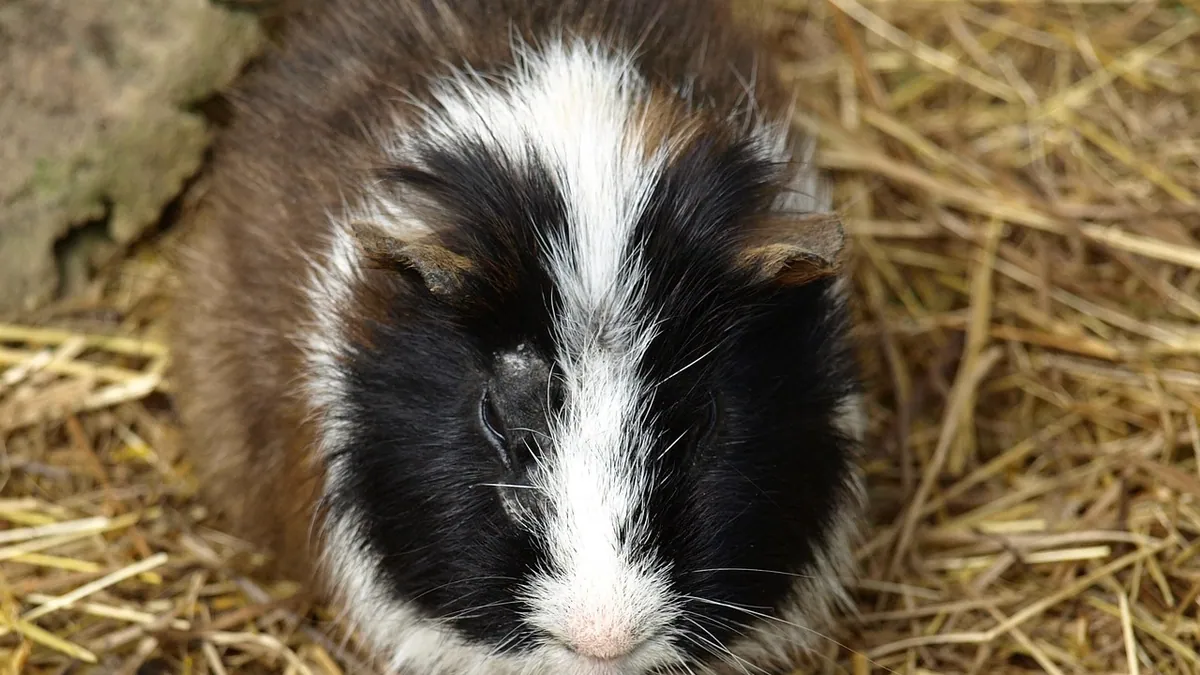
Yes, it is normal for guinea pigs to poop a lot. These small rodents have a fast digestive tract and produce a steady stream of droppings, often dozens to well over a hundred pellets a day. It is also normal for them to pee frequently, though the amount and appearance of urine matter more than the number of trips. This article is educational and is not a substitute for veterinary diagnosis or treatment.
Quick Answer
- A healthy guinea pig passes small, oval, firm pellets almost constantly during the day and produces far fewer overnight [1].
- Pooping a lot is expected because guinea pigs eat almost continuously and digest food quickly.
- Peeing often is normal, but urine that is thick, bloody, gritty, or paired with straining is not.
- Sudden diarrhea, no poop at all, or a guinea pig that stops eating needs a vet right away.
- Weigh your guinea pig weekly and watch droppings daily, since appetite and output are your best early warning signs.
What Normal Guinea Pig Poop and Pee Looks Like
Guinea pig droppings are small, oval, and fairly uniform. They look like tiny brown capsules, slightly pointed at one end. Fresh pellets are soft but hold their shape. When they dry, they become firm and crumbly.
Output is tied to eating. In a study of guinea pigs housed alone, the animals ate throughout the day and produced most of their fecal pellets during the light period, with almost no defecation during the dark period [1]. Pair-housed guinea pigs showed a very similar pattern, with about 60% of total feed intake during the light period [1]. In practical terms, your guinea pig will poop most when it is most active and eating, which for many pets is during the day.
The sheer volume surprises many new owners. A guinea pig that eats well may pass well over a hundred pellets in 24 hours. That is not a problem by itself. What matters is whether the pellets look normal, whether your guinea pig keeps eating, and whether the pattern changes.
Urine is normally pale yellow to cloudy. Guinea pig urine often looks thicker or more milky than dog or cat urine because guinea pigs excrete calcium in their urine. A little white chalky residue on bedding after it dries can be normal. Large amounts of thick, sandy, or paste-like urine are not.
Is It Normal for Guinea Pigs to Poop a Lot?
Yes. A guinea pig that poops a lot is usually a guinea pig that is eating a lot, and that is exactly what you want. Guinea pigs are hindgut fermenters with a constantly active digestive tract. Food moves through quickly, so output keeps pace with intake.
The key question is not "how much" but "what does it look like and is my guinea pig otherwise well." A guinea pig passing many normal pellets, eating hay, drinking, and behaving normally is healthy. A guinea pig passing many loose, watery, or foul-smelling droppings is not.
Some owners notice more poop after a cage clean, a diet change, or a stressful event. Mild, short-lived changes in output can happen. Persistent changes, especially with appetite loss, are a different story.
Main Causes of Heavy Pooping or Peeing
| Cause | Typical clues | How urgent |
|---|---|---|
| Normal high intake | Many firm oval pellets, good appetite, normal behavior | Not urgent |
| Diet change or too many treats | Soft or loose stool after new food, gas, mild discomfort | Monitor closely, call your vet if it lasts more than a day |
| Diarrhea from infection or parasites | Watery or mucusy stool, dirty bottom, lethargy, not eating | Same day, emergency if severe |
| Dental disease | Drooling, weight loss, dropping food, fewer or smaller pellets | Same day to urgent |
| Bladder stones or urinary disease | Straining to pee, bloody urine, crying while urinating, gritty urine | Same day, emergency if unable to pee |
| Diabetes or other metabolic disease | Drinking and peeing much more, weight loss despite eating | Prompt vet visit |
| Obesity or poor diet | Overweight body condition, low hay intake, dirty rear end | Routine visit with diet review |
Diarrhea
True diarrhea in guinea pigs is serious. A guinea pig with watery stool can dehydrate quickly and become dangerously ill within hours. Diarrhea can follow a sudden diet change, spoiled food, antibiotics, or an infection. If the stool is liquid, if the rear end is soiled, or if your guinea pig is quiet and off its food, contact a veterinarian the same day.
Dental Disease
Dental problems are common in guinea pigs. Their teeth grow continuously, and misalignment of the upper and lower teeth (malocclusion) can cause overgrowth, sharp edges, pain while chewing, and trouble eating [2]. Causes include genetics, not enough hay to chew, and vitamin C deficiency [2]. Dental disease can lead to drooling, weight loss, mouth bleeding, tooth root abscesses, and discharge from the nose or eyes [2]. A guinea pig with dental pain often eats less, so it also poops less. If you see drooling or weight loss, book a vet visit.
Bladder Stones and Urinary Problems
Guinea pigs commonly develop bladder stones and other urinary tract problems. Signs include straining to urinate, crying out, bloody or very thick urine, and frequent small puddles. A guinea pig that cannot pass urine at all is an emergency. If your guinea pig is a dog owner's household too, some urinary signs overlap with problems in other species, and our guide to why is my dog peeing so much explains how increased urination is evaluated in dogs.
Diabetes and Increased Drinking
Guinea pigs can develop diabetes, and increased thirst with increased urination is the classic sign. If your guinea pig is suddenly emptying its water bottle and soaking its bedding, that deserves a vet visit. The same pattern in dogs is covered in dog urinating a lot and drinking a lot: what it could mean, and the underlying logic of testing is similar.
Obesity and Diet
Obesity is common in pet guinea pigs. In one survey of exotic companion mammals, 23% of guinea pigs were overweight [3]. Overweight guinea pigs may eat less hay, move less, and develop dirty rear ends, which can lead to skin problems and fly strike. A balanced diet built on unlimited grass hay supports normal digestion and normal droppings. In a large survey of German-speaking guinea pig caretakers, most owners provided balanced nutrition, and only 0.4% of animals lacked constant access to hay [4]. Constant hay access is the standard you should aim for.
Red Flags That Mean Emergency
Call an emergency veterinary clinic now if your guinea pig has any of these:
- Watery diarrhea, especially with lethargy or a soiled bottom
- No droppings for 12 hours or more
- Straining to urinate with no urine produced
- Blood in the urine or droppings
- Crying or grinding teeth while urinating or pooping
- A bloated, hard, or painful belly
- Not eating at all, or refusing favorite foods
- Labored breathing, collapse, or seizures
Guinea pigs hide illness well and can decline fast. When in doubt, call. A short phone call costs nothing and may save your pet's life.
What You Can Safely Do at Home
While you wait for your appointment, keep changes small and safe.
- Keep unlimited grass hay available at all times. Hay supports normal gut movement and tooth wear.
- Do not suddenly change pellets or vegetables. Sudden diet changes can trigger digestive upset.
- Remove sugary treats, seed mixes, and high-calcium greens if your vet has advised it.
- Offer fresh water in a bottle and a bowl, and check that the bottle is not clogged.
- Weigh your guinea pig on a small kitchen scale. A drop of more than a few ounces matters.
- Keep a simple log of droppings, urine, appetite, and water intake. This helps your vet.
- Keep the cage clean so you can see fresh output clearly.
- Do not give human medications, antibiotics, or anti-diarrheal drugs. Some are toxic to guinea pigs.
If your guinea pig is not eating, do not force food or water by mouth unless your vet instructs you. Aspiration is a real risk. Ask your vet about syringe feeding with a proper recovery diet.
What Your Veterinarian Will Check
A guinea pig exam starts with the basics. Your vet will check weight and body condition, listen to the heart and lungs, and feel the abdomen for gas, masses, or a full bladder. They will look at the teeth, including the molars, since dental disease is a leading cause of appetite loss [2].
Testing depends on the signs. Common options include:
- Fecal exam for parasites, bacteria, and undigested food
- Urinalysis to check for blood, crystals, glucose, and infection
- X-rays or ultrasound to look for bladder stones and gut changes
- Blood work to check glucose, organ values, and hydration
- A dental exam under sedation if the mouth cannot be fully assessed awake
Guinea pigs do not need vaccinations, but they should have a routine checkup with a guinea pig experienced veterinarian at least once a year [5]. Older guinea pigs, or those with ongoing problems, may need visits more often.
Preventing Problems and Monitoring Output
Prevention is mostly about diet, housing, and daily observation.
Feed unlimited grass hay as the foundation. Add a measured amount of plain guinea pig pellets and a small portion of vegetables rich in vitamin C. Guinea pigs cannot make their own vitamin C, so a deficiency can contribute to dental disease [2].
Keep the cage clean and dry. Long-haired breeds need regular brushing to prevent matting, and guinea pigs rarely need baths unless they are soiled [5]. If you do bathe, use a shampoo made for small animals, place a towel in shallow water for traction, keep water out of the ears and eyes, and dry thoroughly [5].
Trim nails regularly with small animal or human nail clippers. Start when your guinea pig is young so it gets used to handling. Avoid cutting the quick, the blood vessel inside the nail. In dark nails, hold a bright light to the nail to see the quick, and cut about 1/8 inch (0.3 cm) beyond it. If bleeding occurs, use styptic powder or a styptic pencil to stop it [5].
Weigh weekly and record the number. Watch droppings and urine daily. If your guinea pig lives alone, consider a companion, since guinea pigs are social. In one survey, eating and resting next to another guinea pig happened several times a day in 87.6% of animals [4]. Social housing supports normal behavior and activity.
Limitations and When to Contact a Veterinarian
This article cannot tell you what is wrong with your individual guinea pig. Only a veterinarian who examines your pet can do that.
Contact a veterinarian the same day if your guinea pig has soft or loose stool that lasts more than a few hours, is eating less than usual, is drinking much more than usual, has a dirty or wet rear end, or has any change in droppings that worries you.
Go to an emergency clinic now if your guinea pig has watery diarrhea, has not pooped in 12 hours, is straining to urinate without producing urine, has blood in urine or stool, has a bloated belly, is not eating at all, or is weak, breathing hard, or collapsed.
Schedule a routine visit if your guinea pig is overweight, has never had a dental check, is older than 5 years, or has a long-term change in output that is not urgent but is not normal for your pet. Guinea pigs should see a guinea pig experienced veterinarian at least once a year [5].
Frequently Asked Questions
How many times a day should a guinea pig poop?
A healthy guinea pig passes many small pellets throughout its active hours, and the total is often well over a hundred in a day. The exact number varies with how much your guinea pig eats and how active it is. Focus on whether the pellets look normal and whether your guinea pig is eating and behaving normally.
Why is my guinea pig pooping so much all of a sudden?
A sudden increase usually means your guinea pig is eating more, often after a diet change or more hay access. It can also happen with stress or a new environment. If the droppings are soft, watery, or smelly, or if your guinea pig seems unwell, call your vet.
Is it normal for guinea pigs to pee a lot?
Yes, frequent urination is normal, and guinea pig urine is often cloudy because guinea pigs excrete calcium. Peeing much more than usual, straining, crying, or blood in the urine is not normal and needs a vet visit. Increased thirst with increased urination can point to diabetes or kidney problems.
What does unhealthy guinea pig poop look like?
Unhealthy droppings are watery, mucus-covered, very soft, unusually small, or foul-smelling. A guinea pig with diarrhea can dehydrate quickly and may need same-day care. Droppings that stop completely are also a serious sign and need urgent attention.
Can I treat my guinea pig's diarrhea at home?
No, do not treat diarrhea at home with human or leftover medications. Some drugs are toxic to guinea pigs, and diarrhea can be life threatening within hours. Remove fresh vegetables and treats, keep hay and water available, and contact your veterinarian right away.
Related Articles
- Why Is My Guinea Pig Not Pooping? Causes and What to Do
- Why Is My Guinea Pig Drinking So Much Water?
- Why Is My Guinea Pig Peeing Blood?
References
- Good to Know: Baseline Data on Feed Intake, Fecal Pellet Output and Intestinal Transit Time in Guinea Pig as a Frequently Used Model in Gastrointestinal Research. Animals : an open access journal from MDPI, 2021.
- Common Health Problems of Guinea Pigs - All Other Pets. Merck Veterinary Manual.
- Prevalence and awareness of obesity and related husbandry practices in Estonian rabbits, guinea pigs, and rats. Animal welfare (South Mimms, England), 2025.
- Guinea Pig (Cavia porcellus) Welfare: Associations Between Husbandry Practices, Human-Animal Interactions, and Animal Behaviour. Animals : an open access journal from MDPI, 2025.
- Routine Care of Guinea Pigs - All Other Pets. Merck Veterinary Manual.