Why Is My Rabbit or Guinea Pig Always Hungry?
By Dr. Zubair Khalid, DVM, MS, PhD ·
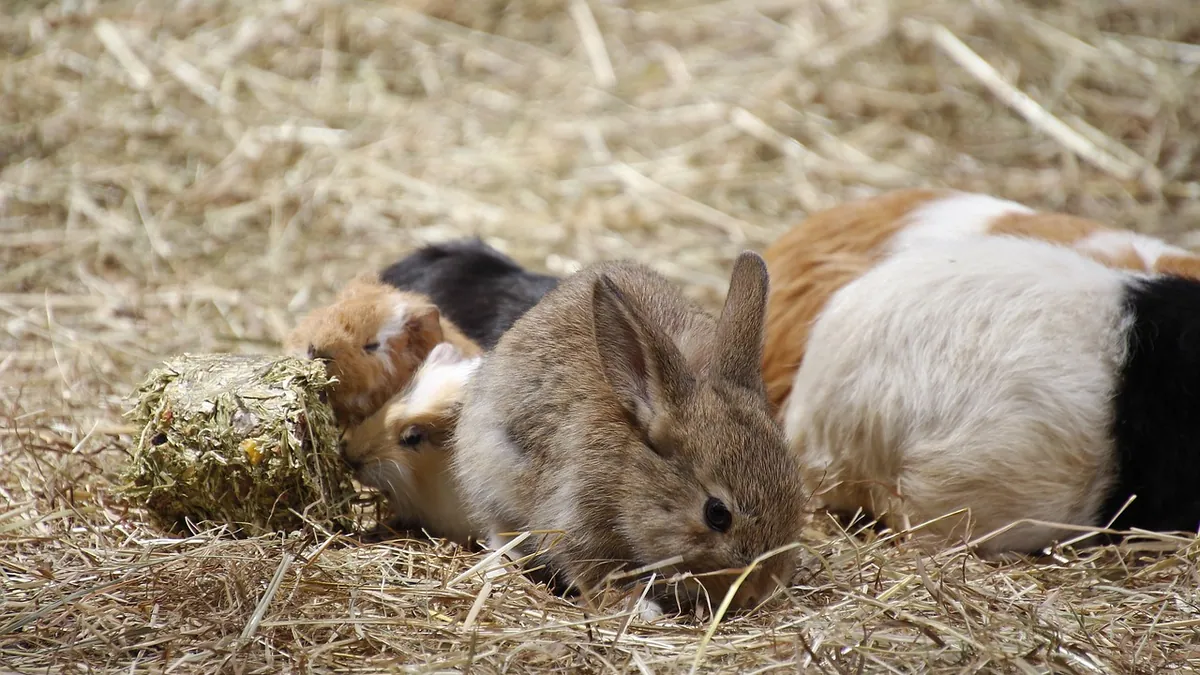
Rabbits and guinea pigs are grazing animals with a strong drive to eat throughout the day, so constant begging is often normal behavior. However, if your rabbit or guinea pig seems hungry all the time while losing weight, or suddenly stops eating, that shift can point to a real medical problem. This article is educational and is not a substitute for veterinary diagnosis or treatment.
Quick Answer
- Constant interest in food is normal for rabbits and guinea pigs because they are designed to graze on high-fiber food all day.
- A sudden loss of appetite in a rabbit or guinea pig is an emergency. Call your veterinarian the same day.
- Weight loss, drooling, dropping food, or small or missing droppings mean the hunger is likely a symptom, not a habit.
- Hay should be the main food for both species. Pellets and vegetables are a smaller part of the daily diet.
- Never guess at a dose of any appetite medication. Your veterinarian calculates the dose from your pet's weight and health.
What Normal Hunger Looks Like in Rabbits and Guinea Pigs
Rabbits
A healthy rabbit eats almost constantly. Hay moves through the digestive tract around the clock, and the gut needs a steady supply of fiber to keep working. When you walk past the cage and your rabbit runs to the bars, that is usually normal food-seeking behavior, not starvation.
Rabbits also eat more when it is cold. In one study, a low-temperature environment increased appetite and reduced physical activity in growing rabbits, which led to more energy taken in than burned [1]. A related study found that mammals eat more in the cold to make up for the energy they burn staying warm, and that food seeking in the cold is driven mainly by energy expenditure [2]. So a rabbit that begs more in winter may simply be responding to the temperature.
Guinea Pigs
Guinea pigs are mostly active during the day, so they are awake and interested in food when you are [3]. They are also social animals that often do well in pairs or small groups, and a guinea pig may beg because a cagemate is eating [3]. Guinea pigs form food preferences early and can be picky, so a guinea pig that seems hungry may actually be asking for a favorite treat instead of hay [4].
The real question is not whether your pet wants food. It is whether your pet is eating enough of the right food and holding its weight.
Why Is My Rabbit Always Hungry? Main Causes
The table below lists the most common reasons a small herbivore acts hungry all the time, along with the clues that point to each one.
| Cause | Typical clues | How urgent |
|---|---|---|
| Normal grazing drive | Eats hay steadily, normal droppings, stable weight, bright attitude | Not urgent |
| Underfeeding or too little hay | Cleans the bowl fast, begs between meals, eats bedding or cage items | See a vet soon |
| Dental pain | Drops food, drools, chews on one side, weight loss, prefers soft food | Same day |
| GI stasis or gut slowdown | Stops eating, tiny or no droppings, hunched posture, teeth grinding | Emergency now |
| Vitamin C deficiency (guinea pigs) | Rough coat, lameness, swollen joints, weight loss, sudden illness | Same day |
| Cold environment | Begs more in winter, less active, gains weight | Routine visit |
| Parasites or other illness | Weight loss despite a good appetite, dull coat, changes in stool | Same day |
Underfeeding and the Wrong Diet
Many owners underfeed hay without realizing it. Hay should be the main food in a guinea pig's diet, offered in a rack to keep it clean and dry, because chewing hay wears down the continually growing teeth and provides the fiber needed for proper digestion [4]. A guinea pig needs only about 2 tablespoons (1/8 cup) of good-quality pellets daily, with hay making up the rest [4]. If your pet is getting a small pile of hay and a large bowl of pellets, it may be genuinely hungry.
For rabbits, the same principle applies. A rabbit that fills up on pellets and treats may eat less hay, then beg for more pellets. Review how much food your rabbit actually needs with our guide to How Much Food Should A Rabbit Eat.
Dental Pain
Rabbit and guinea pig teeth grow continuously. When teeth are misaligned or overgrown, chewing hurts. The pet still feels hungry, so it approaches food, then drops it or eats slowly. This looks like hunger to owners, but it is pain. Dental problems are also a known consequence of vitamin C deficiency in guinea pigs [5].
GI Stasis and Gut Slowdown
A rabbit or guinea pig with a slow gut often stops eating. This is the opposite of constant hunger, and it is far more dangerous. When the gut slows, the pet may sit hunched, grind its teeth, and pass few or no droppings. This is a same-day emergency.
Vitamin C Deficiency in Guinea Pigs
Guinea pigs cannot make vitamin C and must get it from food [5]. Without enough, they can lose their appetite, develop dental problems, have swollen joints, bleed under the skin or in organs, become weak, and possibly die [5]. Signs include a rough coat, lameness, weight loss, diarrhea, and sudden illness [5].
Vitamin C in pellets is unstable and breaks down with heat, light, and moisture, so a bag of pellets can lose much of its vitamin C within a few months [5]. Guinea pigs need at least 10 mg of vitamin C per kg of body weight per day, and pregnant females need 30 mg per kg per day [5]. Because most guinea pigs weigh around 1 kg and vitamin C is safe at higher doses, giving 10 mg per guinea pig and 30 mg to any pregnant female is safe [5].
Cold and Environment
Cold drives appetite. If your rabbit or guinea pig lives in a garage, porch, or drafty room, it may eat more to stay warm [1][2]. Guinea pigs are sensitive to temperature and humidity, and their comfortable range is narrow, about 65 to 75°F with low humidity, and temperatures above about 85°F can cause heatstroke [3]. Drafts and constant direct sunlight should be avoided [3].
Why Is My Guinea Pig Always Hungry? A Closer Look
Guinea pigs beg for many of the same reasons rabbits do, but a few points are specific to the species.
First, guinea pigs are picky and form food preferences early, so a guinea pig may refuse hay and beg for vegetables or fruit instead [4]. Offering a variety of high-fiber pellets, small amounts of vegetables, and limited fruit helps broaden the diet [4].
Second, guinea pigs need a steady vitamin C supply, and a deficiency can reduce appetite and cause weight loss [5]. If your guinea pig begs but looks thin or has a rough coat, ask your veterinarian about vitamin C.
Third, guinea pigs are social and diurnal, so they are active and food-focused during your waking hours [3]. A guinea pig that seems hungry all day may simply be awake all day.
If you are deciding between species or already own both, our comparison of the Guinea Pig vs Rabbit covers how their needs differ.
Red Flags That Make It an Emergency
Call an emergency veterinary clinic right away if you see any of these:
- No food eaten for 12 hours or more
- No droppings, or very small or misshapen droppings
- Hunched posture, pressing the belly to the floor, or teeth grinding
- Drooling, dropping food, or swelling around the jaw
- Labored breathing, collapse, or seizures
- Bleeding under the skin, swollen joints, or sudden weakness in a guinea pig [5]
A guinea pig that is not hungry is often sicker than a guinea pig that is hungry. Loss of appetite in this species can be the first sign of a serious problem, including vitamin C deficiency, which can progress to sudden illness and death [5].
What You Can Do at Home While You Wait
- Offer fresh hay first. Remove soiled hay and refill the rack so your pet has clean, dry fiber available [4].
- Check the pellet amount. Measure about 2 tablespoons of pellets for a guinea pig, and choose high-fiber, low-carbohydrate pellets [4].
- Weigh your pet. A kitchen scale used weekly shows trends that a quick look cannot.
- Count droppings. Fewer or smaller droppings suggest the gut is slowing.
- Keep the room in range. Aim for about 65 to 75°F with low humidity for guinea pigs, and avoid drafts and direct sun [3].
- Do not force-feed or give any medication unless your veterinarian tells you to. Doses depend on weight and health, and your vet calculates them for your pet.
If your pet is eating but you are unsure the diet is balanced, our guide to Rabbit Feeding And Nutrition walks through the basics. For guinea pigs, see What Guinea Pigs Can and Cannot Eat.
What Your Veterinarian Will Check and Test
Your veterinarian will start with a full physical exam, including a close look at the teeth, jaw, and belly. They will weigh your pet and compare the weight to previous visits.
Expect questions about diet, hay quality, pellet brand, treat amounts, and how many droppings you see each day. Bring a sample of fresh droppings if you can.
Common tests include:
- Dental exam, sometimes with imaging, to look for overgrown or misaligned teeth
- Blood work to check organ function and, in guinea pigs, vitamin C status [5]
- Fecal testing for parasites and digestive problems
- Imaging of the abdomen if the gut is slow or a blockage is suspected
If your pet needs an appetite stimulant, your veterinarian will choose the drug and calculate the dose. A study of oral mirtazapine in guinea pigs found no significant differences in weight gain, feed intake, or fecal output compared with guinea pigs given saline, and the drug fell below detectable blood levels between 8 and 12 hours after dosing [6]. That is one reason appetite medications are not a do-it-yourself fix and must be managed by a veterinarian.
Prevention and Daily Monitoring
- Feed hay free-choice every day. Hay is the main food for guinea pigs and should be offered in a rack [4].
- Measure pellets. About 2 tablespoons daily for a guinea pig, with timothy-based pellets for adults and alfalfa-based pellets for young, growing, or pregnant guinea pigs [4].
- Provide vitamin C. At least 10 mg per kg per day, and 30 mg per kg per day for pregnant females, with 10 mg per guinea pig and 30 mg for a pregnant female being safe amounts [5].
- Keep the environment steady. Stay within about 65 to 75°F with low humidity for guinea pigs, and avoid drafts and direct sun [3].
- Watch the winter appetite shift. More begging in cold weather can be normal, but pair it with weekly weights so you catch real weight loss [1][2].
- Support gut health with fiber. A study in growing rabbits found that a synbiotic combination of a probiotic and a prebiotic improved growth performance and nutrient digestibility compared with a plain diet [7]. Ask your veterinarian before adding any supplement.
- Track appetite and output together. A pet that eats well and passes normal droppings is usually fine. A pet that eats less and passes less needs a call.
Limitations and When to Contact a Veterinarian
No article can tell you what is wrong with your individual pet. A veterinarian who examines your rabbit or guinea pig can.
Contact your veterinarian the same day if your pet is eating less than usual, losing weight, dropping food, drooling, or passing fewer droppings. Go to an emergency clinic now if your pet has stopped eating, has no droppings, is hunched and grinding its teeth, is struggling to breathe, or has collapsed. Schedule a routine visit if your pet is eating well but you want to confirm the diet is balanced, especially for guinea pigs and vitamin C.
If your pet's appetite problem comes with other symptoms, our guide to Why Is My Dog Not Eating? is written for dogs, but the same rule applies to any pet. A change in eating is a change in health.
Frequently Asked Questions
Should I feed my rabbit more if it always seems hungry?
Not automatically. First check that hay is unlimited and fresh, then measure the pellets. If your rabbit is a healthy weight and passing normal droppings, the begging is likely normal grazing behavior. If your rabbit is losing weight or dropping food, see a veterinarian.
How can I tell if my guinea pig is actually hungry?
A hungry guinea pig eats hay steadily, passes normal droppings, and holds its weight. A guinea pig that begs but avoids hay, drops food, or looks thin is showing a symptom, not true hunger. Weigh your guinea pig weekly to tell the difference.
Can a guinea pig be hungry but still be sick?
Yes. Dental pain and vitamin C deficiency can both make a guinea pig want food while making eating difficult or painful [5]. A guinea pig with a rough coat, lameness, or swollen joints needs a same-day veterinary visit [5].
Does cold weather make rabbits eat more?
Yes. Cold increases appetite and lowers activity in rabbits, which can lead to extra energy intake and fat deposition [1]. Food seeking in the cold is driven mainly by the energy spent staying warm [2]. Keep your rabbit in a comfortable indoor space and monitor its weight.
Is it safe to give my guinea pig an appetite stimulant at home?
No. Appetite medications are prescription drugs, and your veterinarian must calculate the dose from your pet's weight and health. A study of oral mirtazapine in guinea pigs found no significant improvement in feed intake or fecal output compared with saline, and blood levels dropped below detection between 8 and 12 hours [6]. Never give a human or pet medication without veterinary direction.
Related Articles
- Guinea Pig vs Rabbit: Which Pet Is Right for You?
- Rabbit Feeding And Nutrition
- How Much Food Should A Rabbit Eat
- Hay for Rabbits: Selection, Storage, and Feeding-System Design
- Rabbit Food and Hay: A Nutritional Guide for Optimal Health
References
- Mistimed Feeding Disrupts Metabolic Rhythm and Increases Lipid Accumulation of Growing Rabbits in Winter. Animals : an open access journal from MDPI, 2025.
- Xiphoid nucleus of the midline thalamus controls cold-induced food seeking. Nature, 2023.
- Unique Needs of Guinea Pigs - All Other Pets. Merck Veterinary Manual.
- Diet for a Guinea Pig - All Other Pets. Merck Veterinary Manual.
- Nutritional Problems of Guinea Pigs - All Other Pets. Merck Veterinary Manual.
- Preliminary Pharmacokinetics and Appetite Stimulant Efficacy of Oral Mirtazapine in Guinea Pigs (Cavia porcellus). Animals : an open access journal from MDPI, 2025.
- Synbiotics are Better Than Probiotics and Prebiotics for Use as Nutrition in Growing Rabbits. Veterinary medicine and science, 2026.