My Guinea Pig Died Suddenly: Possible Causes
By Dr. Zubair Khalid, DVM, MS, PhD ·
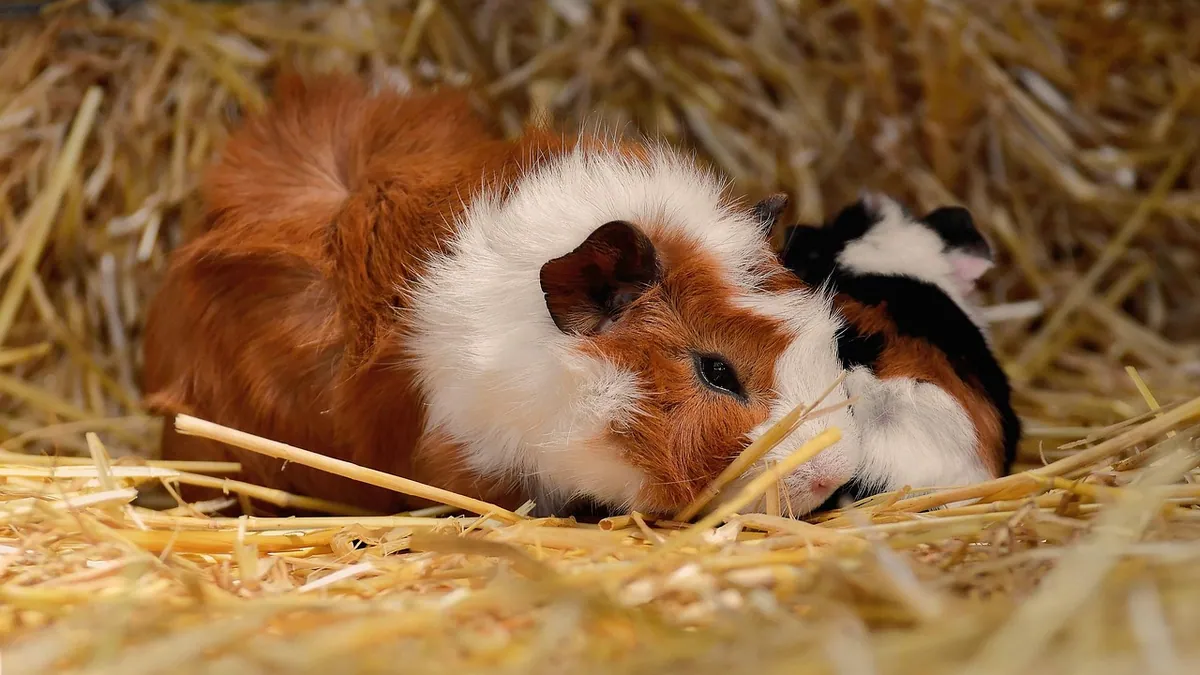
Guinea pigs are prey animals, so they hide illness until they cannot hide it anymore. That is why your guinea pig suddenly died with no obvious warning, and why the first sign you noticed may have been the death itself. When your guinea pig suddenly died, the cause was most often a problem that had been building quietly for days or weeks, such as digestive disease, dental pain, urinary blockage, or an infection that spread fast [1][2].
This article is educational and is not a substitute for veterinary diagnosis or treatment.
Quick Answer
- Sudden death in guinea pigs usually traces back to the digestive tract, teeth, urinary tract, or an untreated infection, not to old age alone [1][2].
- A guinea pig that stops eating for even a short time can decline and die quickly, so appetite is the single most important thing to watch [1].
- Urinary stones are common, and surgery to remove them carries a high risk of complications and death, which means many cases are found too late [2][3].
- A surviving cage mate needs a veterinary check, extra attention, and time to grieve, because guinea pigs are social and can become depressed or stop eating after a loss.
- Handle the body safely, keep it cool, and contact your veterinarian about testing if you want answers.
What Sudden Death in Guinea Pigs Usually Means
A "sudden" death is often not truly sudden. Guinea pigs evolved as prey, so a sick guinea pig acts normal as long as possible. By the time it looks weak, hunched, or unwilling to move, the disease is usually advanced.
Digestive problems are one of the most common reasons a guinea pig goes downhill fast. Signs include diarrhea, small stools, weight loss, low energy, poor appetite, and dehydration. Some guinea pigs decline rapidly and die suddenly, while others show rough fur, staining around the rear end, a hunched posture, dull eyes, stomach pain, and weakness [1].
Dental disease is another quiet killer. Guinea pig teeth grow continuously, so misalignment of the upper and lower teeth (malocclusion) causes overgrowth, sharp edges, pain while chewing, and trouble eating. That leads to drooling, weight loss, mouth bleeding, tooth root abscesses, and discharge from the nose or eyes [1]. A guinea pig that cannot chew stops eating, and the digestive system shuts down.
Urinary stones are common too. They form when calcium carbonate and other crystals precipitate out of normal urine, and they can sit in the kidney, ureter, bladder, or urethra [2]. A stone that blocks the urethra is a life-threatening emergency.
Signs Owners Often Notice Before or After a Sudden Death
Many owners look back and realize something was off. Common clues include:
- Eating less, dropping food, or taking longer to chew
- Weight loss you can feel along the spine and hips
- Drooling or a wet chin
- Smaller or fewer droppings, or no droppings
- Diarrhea or staining around the rear end
- Hunched posture, dull eyes, or reluctance to move [1]
- Blood in the urine, straining to urinate, or crying while urinating [2]
- Labored breathing, sneezing, or nasal discharge
- A swollen area on one side of the neck, which can point to an infected lymph node [4]
Some of these signs overlap with other conditions. If your guinea pig is still with you and showing any of them, see a veterinarian promptly. For a broader look at warning signs, see Guinea Pig Health: Recognizing and Responding to Common Illnesses.
Causes and Risk Factors Behind a Sudden Death
Digestive and Dental Disease
Inappropriate diet or infection commonly causes digestive upset in guinea pigs [1]. A diet low in hay and high in sugary treats or pellets promotes both dental overgrowth and gut problems. Vitamin C deficiency is a risk factor for dental disease, because guinea pigs cannot make their own vitamin C [1]. Once a guinea pig stops eating, the gut slows, gas builds, and the animal can deteriorate within a day or two.
Urinary Stones and Blockage
Urolithiasis is common in guinea pigs [2]. Females may be at higher risk and are more likely to have stones in the lower urinary tract, including the urethra. Males are more often diagnosed with stones in the ureter and bladder [2]. A stone lodged in the urethra blocks urine flow, and that is fatal without emergency care.
Reproductive Disease in Females
Cystic ovarian disease is the most common reproductive tract disorder in guinea pig sows [2]. Guinea pigs can also have uterine inflammation, uterine tumors, or cystic endometrial hyperplasia at the same time [2]. A female with a persistent vaginal discharge and a soft mass in the lower abdomen may have a serious uterine problem, and some of these cases end in death or euthanasia [5].
Cancer and Blood Disorders
Young guinea pigs can develop skin tumors or blood cancers such as leukemia, but many cancers appear more often after 4 to 5 years of age [4]. Lymphosarcoma is a malignant cancer that enlarges the lymph nodes, liver, or spleen, and the outlook is usually poor, with most affected guinea pigs living only weeks after diagnosis [4].
Infection
Bacterial infections can spread between guinea pigs through bites, skin or mouth wounds, sneezing, coughing, or sexual contact [4]. An infected lymph node can fill with pus and spread infection to the ears, sinuses, or eyes [4]. Respiratory infections are a common cause of rapid decline, and you can read more in Guinea Pig Respiratory Infections: Causes, Signs, and Treatment.
Age and Body Weight
Guinea pigs of any age can die suddenly, but older animals face more cancer and organ disease [4]. Median adult body weight in one large population was about 1.05 kg, with a range from 0.40 to 2.66 kg [6]. A guinea pig that is underweight or losing weight has less reserve to survive any illness.
A Note on Laboratory Findings
Bloodwork can sometimes hint at how sick a guinea pig was. In one review, guinea pigs with markedly elevated plasma amylase (1910 to 3985 U/L) were about seven times more likely to die within 30 days than those with amylase in the reference interval of 1339 to 1573 U/L [7]. A BUN above 62 mg/dL was linked to much higher 30-day mortality [7]. These numbers come from a study of guinea pigs that had bloodwork done, so they describe risk in a clinical setting, not a diagnosis you can make at home.
How a Cause Is Identified After Death
If you want answers, a veterinarian can perform a necropsy (an animal autopsy). This is the most reliable way to find out what happened, especially when the death was truly unexpected.
Your veterinarian may also review the history, diet, weight trend, and any signs you noticed. Bloodwork from before death can help, and imaging such as radiographs can confirm stones in a guinea pig that is still alive [3]. In some cases, tissue sampling is needed to diagnose cancer [4].
If you still have other guinea pigs, a necropsy can also tell you whether an infectious disease is a risk to them, which changes how you manage the group.
Treatment Options When a Guinea Pig Is Still Sick
Treatment depends entirely on the cause, and a veterinarian will tailor it to your pet.
For a guinea pig that is not eating and is dehydrated, a veterinarian may give fluids by injection and start syringe feeding with a liquid formula [1]. Supportive care like this buys time while the underlying problem is treated.
Dental disease may require trimming or filing of overgrown teeth, plus pain control and a diet that supports chewing. Digestive disease often needs fluids, syringe feeding, and treatment of any infection, along with clean food and water equipment, removal of uneaten food, and cage sanitizing to reduce infection risk [1].
Urinary stones may need surgery. A review of 25 guinea pigs that had cystotomy for uroliths or urethroliths found an intraoperative complication rate of 24% and a short-term complication rate of 76% [3]. The mortality rate was 40% before discharge and 56% within the first month after surgery [3]. Guinea pigs with a stone in the urethra had about six times the probability of dying before discharge compared with those whose stone was in the bladder [3]. These numbers are sobering, and they show why early detection matters so much.
Any medication dose must be calculated by your veterinarian based on your guinea pig's weight and health. Never give a medication or dose on your own.
Recovery, Outlook, and Long-Term Management
If your guinea pig survived a serious illness, recovery is often slow. Expect weeks of syringe feeding, weight checks, and follow-up visits. Weigh your guinea pig at the same time each day on a kitchen scale, because small drops are the earliest sign of trouble.
For a guinea pig that lost a cage mate, watch for depression, reduced appetite, and hiding. Guinea pigs are social, and a grieving animal may stop eating, which can trigger the same digestive cascade that killed its companion. Spend extra time with the survivor, keep its routine stable, and consider a compatible new companion after a quarantine period and a veterinary check.
Long-term management for chronic conditions like dental disease or a history of stones usually means a hay-based diet, limited treats, fresh water, and regular veterinary exams. Your veterinarian can set a monitoring schedule based on the specific diagnosis.
Prevention
You cannot prevent every sudden death, but you can lower the risk.
- Feed unlimited grass hay as the base of the diet to support tooth wear and gut movement [1].
- Provide a steady source of vitamin C, since deficiency contributes to dental disease [1].
- Keep pellets and sugary treats limited, and avoid sudden diet changes.
- Weigh your guinea pig weekly and act on any weight loss.
- Clean food and water equipment often, remove uneaten food, and sanitize the cage to reduce infection risk [1].
- Keep new guinea pigs separate for a period and have them checked by a veterinarian before introducing them, since infections spread through sneezing, coughing, wounds, and sexual contact [4].
- Schedule routine exams, especially after age 4, when cancer becomes more common [4].
For a full list of conditions and prevention steps, see Guinea Pig Health: Common Conditions and Prevention.
| Cause | Typical Clues | Risk to Cage Mates |
|---|---|---|
| Dental disease | Drooling, weight loss, dropping food, mouth bleeding [1] | None directly, but shared diet problems affect all |
| Digestive disease | Diarrhea, small stools, hunched posture, weakness [1] | Possible if infectious, so clean and sanitize [1] |
| Urinary stones | Blood in urine, straining, pain, nonspecific signs [2] | None |
| Reproductive disease | Vaginal discharge, abdominal mass, lethargy [2][5] | None |
| Cancer | Weight loss, enlarged lymph nodes, poor appetite [4] | None |
| Bacterial infection | Swollen neck, nasal or eye discharge, sneezing [4] | Yes, spreads by contact and droplets [4] |
Handling the Body Safely
If you need to keep the body until your veterinarian opens, place it in a sealed plastic bag, keep it cool (not frozen if a necropsy is planned), and wash your hands thoroughly afterward. Wear gloves if you have them. Disinfect any surface the body touched.
If you have other guinea pigs, remove the body promptly so they are not stressed by it, then clean the cage, food bowls, and water bottles. Watch the survivors closely for the signs listed above. If more than one guinea pig in the group dies or becomes ill, contact your veterinarian right away, because an infectious cause becomes more likely [4].
Limitations and When to Contact a Veterinarian
No article can tell you why your specific guinea pig died. Only a veterinarian who examines your pet, or performs a necropsy, can give you an answer.
Contact a veterinarian the same day if a surviving guinea pig:
- Stops eating or drinking
- Has no droppings, or very small droppings
- Is drooling or has a wet chin
- Is hunched, weak, or unwilling to move
- Has diarrhea or staining around the rear end
Go to an emergency clinic now if a guinea pig:
- Strains to urinate with no urine produced
- Cries out or shows severe pain
- Breathes with an open mouth or labored effort
- Collapses, has a seizure, or cannot stand
- Has heavy bleeding from the mouth or rear end
Schedule a routine visit if a guinea pig is eating but losing weight, has a swollen area on the neck, or has a persistent vaginal discharge [4][5]. Early care is almost always easier and safer than waiting.
Frequently Asked Questions
Can a guinea pig die suddenly with no warning?
Yes, and it happens more often than owners expect. Because guinea pigs hide illness as a survival instinct, a serious problem like gut stasis, dental pain, or a urinary blockage can reach a fatal stage before you see obvious signs [1][2].
Was it my fault that my guinea pig died?
Most likely not. Common causes include dental overgrowth, urinary stones, cancer, and infections, and many of these develop for reasons outside your control [1][4][2]. If you want certainty, a necropsy is the only way to know.
Will my other guinea pig die too?
Not necessarily, but the risk depends on the cause. Infections can spread between guinea pigs through bites, wounds, sneezing, coughing, or sexual contact, so a surviving cage mate should be checked by a veterinarian [4]. Non-infectious causes like stones or dental disease do not spread.
How long can a guinea pig live after its cage mate dies?
Many guinea pigs live a normal lifespan after a loss, but the first weeks are the highest risk period. Watch for reduced appetite and weight loss, and contact your veterinarian if the survivor stops eating, because guinea pigs can decline quickly without food [1].
Should I get another guinea pig right away?
Wait until you know whether the death was caused by something infectious, and until your surviving guinea pig has been checked. Guinea pigs are social and often do better with a companion, but a rushed introduction can spread disease or cause fighting [4]. Ask your veterinarian to help you plan the timing.
Related Articles
- Guinea Pig Respiratory Infections: Causes, Signs, and Treatment
- Guinea Pig Health: Common Conditions and Prevention
- Guinea Pig Health: Recognizing and Responding to Common Illnesses
- How Long Do Guinea Pigs Live? Lifespan and Care
- What Do Guinea Pigs Usually Die From? Common Causes
- My Guinea Pig or Rabbit Died: What Should I Do?
- Guinea Pig Not Moving: Causes and Emergency Care
References
- Common Health Problems of Guinea Pigs - All Other Pets. Merck Veterinary Manual.
- Noninfectious Diseases of Guinea Pigs - Exotic and Laboratory Animals. Merck Veterinary Manual.
- Risk factors, complications, and outcomes of cystotomy in guinea pigs: 25 cases (2010-2023). Journal of the American Veterinary Medical Association, 2025.
- General Medical Conditions of Guinea Pigs - All Other Pets. Merck Veterinary Manual.
- Decidual Cell Reaction and Endometritis in a Guinea Pig. Journal of the American Association for Laboratory Animal Science : JAALAS, 2025.
- Demography, commonly diagnosed disorders and mortality of guinea pigs under primary veterinary care in the UK in 2019-A VetCompass study. PloS one, 2024.
- Clinical value of amylase and its prognostic accuracy in guinea pigs (Cavia porcellus). The Journal of small animal practice, 2025.