My Rabbit Died Suddenly: Possible Causes Explained
By Dr. Zubair Khalid, DVM, MS, PhD ·
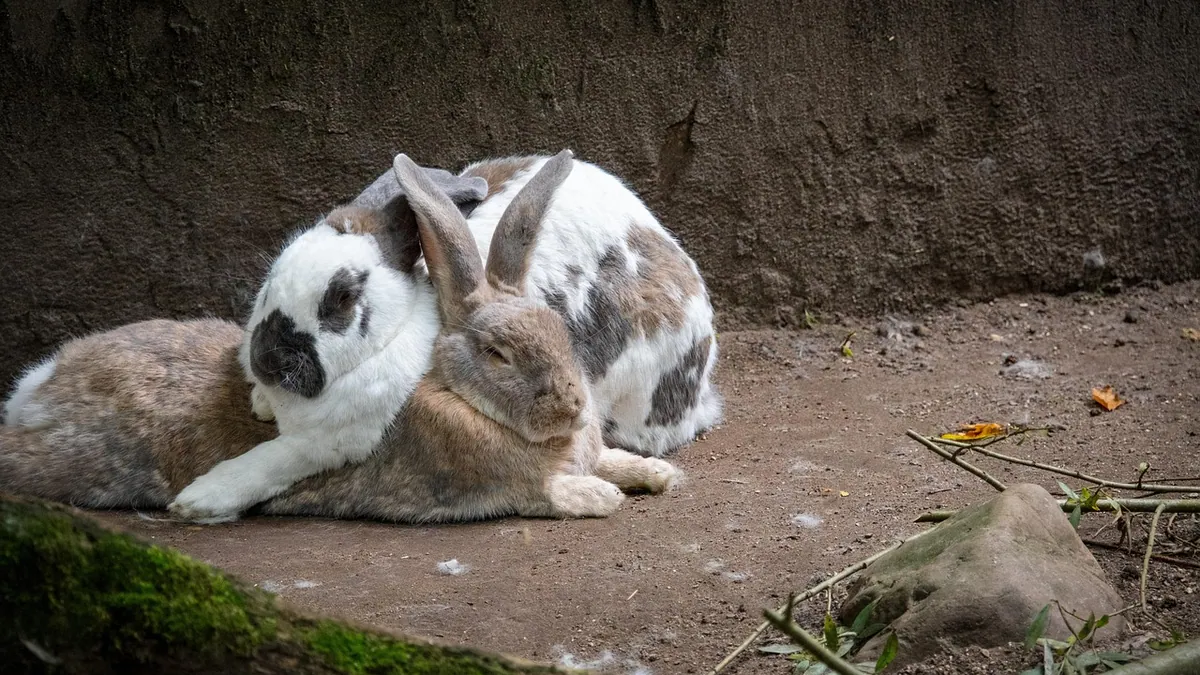
A rabbit can die suddenly from several causes, including viral diseases such as rabbit hemorrhagic disease, heatstroke, serious infections, cancer, and problems that were hidden until the final hours. When your rabbit died suddenly, the reason is often not obvious from looking at the body, and only a veterinary exam or necropsy can give you a real answer. This article is educational and is not a substitute for veterinary diagnosis or treatment.
Quick Answer
- Sudden death in rabbits is most often linked to infectious disease, heatstroke, cancer, or a fast-moving internal problem, and the cause is frequently invisible from the outside.
- A necropsy (an animal autopsy) performed soon after death is the most reliable way to learn what happened, and timing matters because tissue changes quickly.
- Keep your rabbit's body cool and take it to a veterinarian promptly if you want a necropsy.
- If you have other rabbits, isolate them from the body and any shared bedding, bowls, or cages until you know the cause.
- Sudden death is not automatically your fault. Many of these conditions progress faster than any owner could reasonably notice.
What Sudden Death in Rabbits Means
Sudden death means a rabbit was alive and behaving normally, or close to normally, and then died within a short window, often minutes to hours. Owners describe it in many ways. Some say "my rabbit just died" after finding it unresponsive in the morning. Others say "my rabbit was fine then died" after it ate breakfast and was gone by evening. Some report "my rabbit screamed then died," which is a vocalization that can happen with severe pain, fear, or a sudden collapse.
Rabbits are prey animals. They hide illness well, and their small body size means a serious problem can go from mild to fatal quickly. A rabbit that seemed healthy may have been compensating for days or weeks.
Signs Owners Notice Before or During a Sudden Death
Some rabbits show no warning signs at all. Others show subtle changes that are easy to miss or explain away.
Signs that may appear hours to days before
- Eating less or refusing favorite foods
- Smaller or fewer droppings
- Hiding more than usual or sitting hunched
- Fast or noisy breathing
- Weakness, wobbliness, or a head tilt
- Grinding the teeth, which can signal pain
Signs at the moment of death
- A sudden cry or scream
- Collapse or rolling
- Seizure-like activity
- Labored breathing
- Loss of consciousness
A rabbit that screams and then dies may have experienced a seizure, severe pain, or a major internal event such as bleeding or organ failure. This is distressing to witness, and it does not mean you did something wrong.
Causes and Risk Factors
The list of possible causes is long, and the cause often cannot be confirmed without testing. Here are the ones veterinarians consider most often.
Viral disease
Rabbit hemorrhagic disease, also called rabbit calicivirus disease, is a serious viral illness of rabbits [1]. It can move fast and cause death with few or no prior signs. Because it spreads easily between rabbits, it is one reason to isolate other rabbits in your home if one dies unexpectedly.
Heatstroke
Rabbits handle heat poorly. If a rabbit gets too hot, it can decline quickly. If you suspect heatstroke in a rabbit that is still alive, wet the ears with cool water, place it near a fan, and call a veterinarian or emergency clinic right away [2]. Heatstroke is a common cause of sudden collapse and death in warm weather or in homes without cooling.
Cancer, especially uterine cancer
The most common tumor in rabbits is uterine adenocarcinoma, a malignant cancer of the uterus [2]. Risk goes up with age and varies by breed. This cancer often spreads to the lungs, liver, and other organs and is typically fatal [2]. Because of this high risk, many veterinarians recommend spaying female rabbits at 5 to 6 months old or later [2]. A rabbit with advanced cancer can seem fine and then die suddenly if a tumor bleeds or an organ fails.
Bacterial infection
Pasteurella multocida is a bacterium that can cause severe disease in rabbits. In one study, rabbits infected with a Type B strain developed bleeding in multiple tissues and an enlarged, dark spleen, and the infection was concentrated in the heart, spleen, and intestinal lymph nodes [3]. This kind of infection can overwhelm a rabbit quickly.
Parasitic and nervous system disease
Encephalitozoonosis is a common protozoal infection of rabbits that often affects the kidneys and brain [2]. It can cause head tilt, rolling, seizures, tremors, and other nervous system signs [2]. It spreads from rabbit to rabbit through infected urine and from mother to fetus [2]. A severe case can lead to sudden collapse or death.
Abscesses and internal infection
Abscesses are pockets of pus that can form under the skin, in the jaw, or in internal organs [2]. Rabbit pus is thick and drains poorly, so treatment usually needs surgery plus long-term antibiotics, and recurrence is common [2]. An internal abscess that ruptures can cause rapid decline.
Digestive emergencies
Rabbits cannot vomit, and their digestive system depends on constant movement of food [1]. A blockage or severe slowdown can become life threatening fast. If you notice a rabbit not eating or not producing droppings, that is an emergency, not something to watch for a few days. You can read more about this in GI Stasis in Rabbits: A Life-Threatening Emergency.
Anesthesia and surgery
Some owners worry that any procedure carries a high risk of death. Anesthetic risk in rabbits is real but is often overestimated by owners, and outcomes depend heavily on the rabbit's age and health [4]. If your rabbit died after a procedure, ask the veterinarian for a clear explanation of what happened.
Age and very young rabbits
Very young rabbits are fragile. In one study of rabbits raised in tropical conditions, the overall survival rate to 56 days was 66.41%, and early neonatal death accounted for 37.5% of all losses within the first five days [5]. Survival was lowest in the first parity (54.69%) and highest in the third and fourth parities (73.53% and 71.55%) [5]. If you lost a very young kit, this pattern shows how common early loss can be.
Risk factors at a glance
| Risk factor | Why it matters |
|---|---|
| Warm environment | Heatstroke can kill quickly [2] |
| Unspayed female | Uterine cancer risk rises with age [2] |
| Contact with other rabbits | Viral and bacterial disease spreads easily [1][2] |
| Very young age | Kits have higher mortality in the first days [5] |
| Hidden illness | Prey animals mask signs until late |
| Recent surgery or anesthesia | Risk is higher in older or unwell rabbits [4] |
How Sudden Death Is Diagnosed
When a rabbit dies without an obvious cause, the main tool is a necropsy, which is a postmortem examination. A veterinarian examines the body, looks at the organs, and may send samples to a laboratory.
Timing matters. Tissue changes quickly after death, especially in warm conditions, so a necropsy is best done as soon as possible. If you want one, keep the body cool (not frozen if you can avoid it) and call your veterinarian or an emergency clinic right away.
Tests that may be used include:
- Lab testing for infections such as encephalitozoonosis [2]
- Tissue sampling and microscopic examination
- Bacterial culture when an infection is suspected
- X-rays taken before surgery in live rabbits to check for cancer spread [2]
Sometimes the cause is never found, even with testing. That is frustrating, but it does not mean you failed your rabbit.
Treatment Options
Treatment only applies if the rabbit is still alive. Once a rabbit has died, care shifts to diagnosis and protecting other animals.
For a living rabbit, treatment depends on the cause:
- Heatstroke: cool the ears with water, use a fan, and get veterinary help immediately [2]
- Encephalitozoonosis: anti-inflammatory and antiprotozoal medicines can help, but no treatment guarantees a cure [2]
- Abscesses: surgery plus long-term antibiotics, with a risk of recurrence [2]
- Uterine cancer: often surgery, with chest x-rays first to check for spread [2]
- After surgery: offer hay and water as soon as the rabbit is awake, and pain medicine is often used for 1 to 2 days to help keep eating normal [1]
Rabbits should not be fasted for long periods before surgery, because fasting can disrupt normal food movement through the digestive system [1]. If your rabbit is scheduled for a procedure, ask your veterinarian about their feeding plan.
Any medication dose must be calculated by your veterinarian based on your rabbit's weight and health. Do not use doses meant for other animals.
Recovery, Outlook, and Long-Term Management
If your rabbit survived a close call, the outlook depends on the cause. Some conditions, like a single abscess, can be managed with surgery and antibiotics, though recurrence is common [2]. Others, like advanced uterine cancer, are typically fatal once they spread [2].
For rabbits with ongoing conditions, long-term management often includes:
- Regular veterinary checkups
- Monitoring appetite and droppings daily
- Keeping the environment cool and well ventilated
- Spaying female rabbits to reduce cancer risk [2]
- Good sanitation to limit the spread of infections such as encephalitozoonosis [2]
If you lost a rabbit, give yourself time to grieve. Losing a pet suddenly is hard, and the lack of answers can make it harder.
Prevention
You cannot prevent every sudden death, but you can lower risk.
- Spay female rabbits. Many veterinarians recommend spaying at 5 to 6 months old or later because of the high risk of uterine cancer [2].
- Control temperature. Watch for heatstroke and act fast if a rabbit gets too hot [2].
- Keep housing clean. Good sanitation helps prevent the spread of infections like encephalitozoonosis [2].
- Quarantine new rabbits. Viral and bacterial diseases spread between rabbits [1][2].
- Watch eating and droppings. Changes here are early warning signs.
- Plan for surgery carefully. Rabbits should not be fasted for long periods before surgery, and they should eat soon after waking [1].
- Ask about risk. If your rabbit needs anesthesia, talk with your veterinarian about your rabbit's age and health, since risk is higher in older or unwell rabbits [4].
If your rabbit has breathing or nasal signs, see Rabbit Sneezing Causes. If your rabbit had a procedure and is struggling, see Anesthetic Complications in Rabbits: Emergency Management.
Limitations and When to Contact a Veterinarian
No article can tell you why your specific rabbit died. Individual cases need a veterinarian who can examine the body, review the history, and run tests.
Contact a veterinarian right away if:
- A living rabbit is not eating, not producing droppings, or is breathing hard (emergency now)
- A living rabbit is rolling, seizing, or has a head tilt (emergency now)
- A living rabbit feels hot or collapsed after heat exposure (emergency now) [2]
- You want a necropsy after a sudden death (same day, because timing matters)
- You have other rabbits and want guidance on isolation and cleaning (same day)
- You notice a lump, weight loss, or changes in a surviving rabbit (routine visit, but soon)
Frequently Asked Questions
Can a rabbit die suddenly with no warning?
Yes. Rabbits are prey animals and often hide illness until they are near death. Conditions like viral disease, heatstroke, and advanced cancer can cause death with few visible signs beforehand [1][2].
My rabbit screamed then died. What does that mean?
A scream or cry at the end can happen with severe pain, a seizure, or a sudden collapse. It does not tell you the cause by itself. A necropsy is the best way to find out what happened.
Should I get a necropsy if my rabbit died suddenly?
A necropsy is the most reliable way to learn the cause, and it is most useful when done soon after death. If you have other rabbits, knowing the cause can help you protect them. Call your veterinarian promptly to ask about timing and cost.
Can my other pets catch what killed my rabbit?
Some causes, such as viral and bacterial infections, can spread between rabbits [1][2]. Keep other rabbits away from the body and shared items until you have guidance. Dogs and cats generally are not at risk from rabbit-specific diseases, but ask your veterinarian about your specific situation.
How do I clean after a sudden rabbit death?
Remove and dispose of bedding, clean bowls and cages with a pet-safe disinfectant, and wash your hands well. Good sanitation is important for preventing the spread of infections such as encephalitozoonosis [2]. Ask your veterinarian if you need a stronger protocol based on the suspected cause.
Related Articles
- Rabbit Sneezing Causes
- Anesthetic Complications in Rabbits: Emergency Management
- GI Stasis in Rabbits: A Life-Threatening Emergency
- Rabbit Lifespan and Aging: Caring for Senior Rabbits
- My Guinea Pig or Rabbit Died: What Should I Do?
- My Rabbit Stopped Eating: Causes and What to Do
- Do Rabbits Play Dead? What a Sudden Collapse Really Means
- Rabbit Mortality Records, Necropsy Coordination, and Trend Review
References
- Illness of Rabbits - All Other Pets. Merck Veterinary Manual.
- Disorders Affecting Multiple Body Systems of Rabbits - All Other Pets. Merck Veterinary Manual.
- Study on the pathogenicity of Pasteurella multocida Type B in large-eared white rabbits. Frontiers in microbiology, 2026.
- Do UK rabbit owners over-estimate the risk of rabbit anaesthetic mortality? An owner-based survey. The Journal of small animal practice, 2026.
- Survival analysis and assessment of maternal-related risk factors for mortality of rabbits in the humid tropics of Nigeria. Tropical animal health and production, 2026.