Why Is My Guinea Pig Purring? What the Sound Means
By Dr. Zubair Khalid, DVM, MS, PhD ·
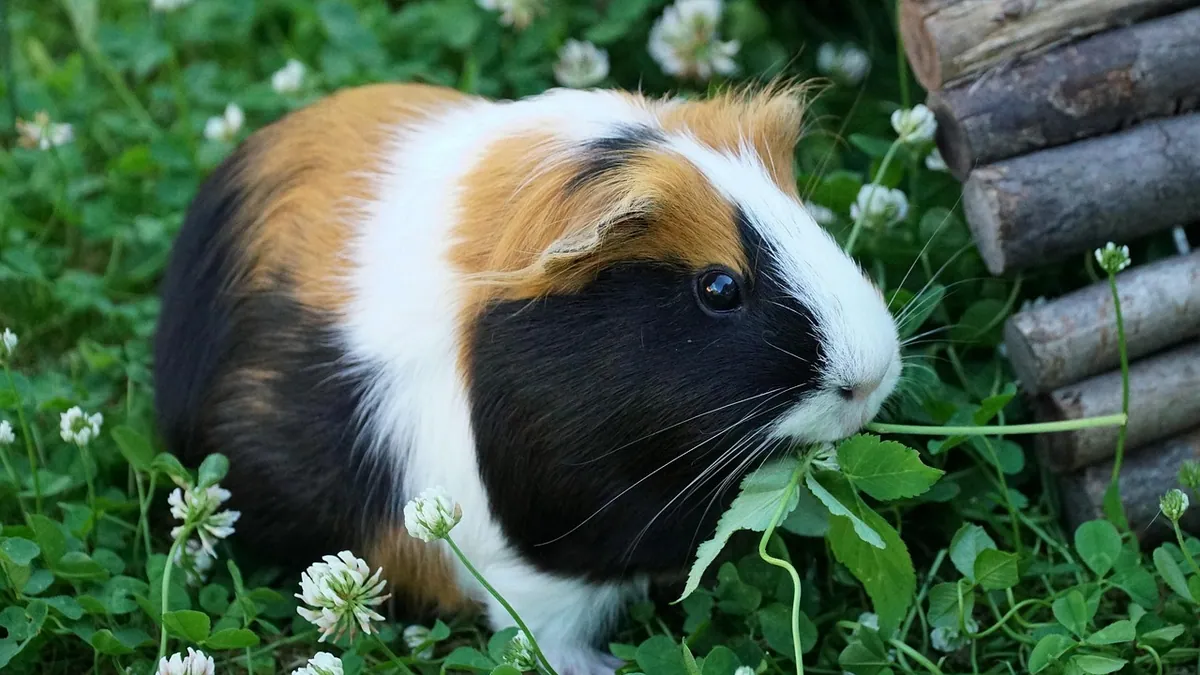
Guinea pigs purr for two opposite reasons, and the sound alone will not tell you which one you are hearing. A short, soft purr with a relaxed body usually means your guinea pig is content, while a longer, harsher purr with a tense body means it is annoyed or frightened. Watching the whole guinea pig, not just the noise, is how you tell the difference.
This article is educational and is not a substitute for veterinary diagnosis or treatment.
Quick Answer
- A short, low, steady purr while your guinea pig sits still or flattens out often means it feels safe and comfortable.
- A longer, sharper, buzzing purr with a stiff or crouched body means "back off." It is a warning, not happiness.
- A deep rumble with a swaying walk is a courtship or dominance sound, most common in males and in guinea pigs meeting each other.
- A whole-body vibration with no clear sound can be fear, pain, or a warning, so check the body posture and the situation.
- If the purring comes with hiding, not eating, trouble breathing, or teeth grinding, treat it as a medical concern and call your veterinarian.
Why Is My Guinea Pig Purring? The Two Purrs Explained
Purring in guinea pigs is a vocalization, and like many animal sounds it carries meaning only in context. Guinea pigs are hystricomorph rodents native to the Andes region of South America, and they were domesticated as livestock before becoming household pets [1]. Their wild ancestors were prey animals, so their sounds evolved to manage both comfort and threat. That is why one purr can mean "I like this" and another can mean "stop right now."
The content purr
This is the purr most owners hope for. It is short, low, and even, almost like a soft motor. Your guinea pig may stay in place, stretch out, or close its eyes. You often hear it during gentle petting, while your guinea pig rests near a companion, or during a calm lap session. Resting next to other guinea pigs is a normal, frequent behavior, and many guinea pigs spend a large part of the day doing it [2]. A content purr fits that relaxed picture.
The annoyed or frightened purr
This purr is longer, louder, and rougher. It has a buzzing or rattling edge. Your guinea pig may freeze, crouch, flatten its ears, or try to move away. You may hear it when you pick your guinea pig up the wrong way, touch a sore spot, trim nails, or reach into the cage too fast. This is a warning sound. It means your guinea pig wants the handling to stop or wants more space.
Rumbling and vibrating
A rumble is deeper than a purr and often comes with a slow, swaying walk. Males use it during courtship, and guinea pigs of either sex may use it to sort out who is in charge. A full-body vibration with little or no sound is harder to read. It can be excitement, fear, or discomfort. When you see vibration plus a hunched posture, squinting, or a refusal to move, think pain or illness before you think personality.
Why the same sound has two meanings
Guinea pigs are social animals that rely on sound to communicate with each other and with you. Their hearing is well developed, and researchers use guinea pigs as a model for studying how animals process complex sounds and vocalizations [3]. A single sound type can serve more than one purpose because the meaning comes from the pattern (short versus long, soft versus harsh) and from what the body is doing at the same time. If you want a broader guide to the noises your pet makes, see Guinea Pig Behavior: Understanding Sounds and Actions.
My Guinea Pig Is Purring and Vibrating: What It Means
When purring and vibrating happen together, slow down and look at the rest of your guinea pig.
- Relaxed body, soft purr, gentle vibration, staying near you: likely contentment or mild excitement.
- Stiff body, harsh purr, strong vibration, trying to leave: likely annoyance or fear.
- Hunched back, puffed coat, squinting, not moving: possible pain or illness.
- Purring during handling of the belly, back, or hind end: possible discomfort in that area.
Guinea pigs are prey animals, so they often hide signs of pain. Pain assessment tools used for other species have not been fully developed for guinea pigs, and much of what veterinarians know about guinea pig pain comes from limited research and experience with other animals [4]. That gap is exactly why you should take changes in sound and posture seriously. Your guinea pig cannot tell you where it hurts, so behavior is the main clue.
If the purring comes with a clicking or rattling breath, discharge from the nose, or labored breathing, that points toward a respiratory problem. Guinea pigs are prone to respiratory infections, and these can worsen quickly. Learn the signs in Guinea Pig Respiratory Infections: Causes, Signs, and Treatment.
Medical Causes to Rule Out
Most purring is normal communication. Some purring and vibrating is not. Rule out these problems before you assume your guinea pig is simply talking.
Pain
Dental disease, bladder stones, arthritis, and skin problems can all cause discomfort. A guinea pig in pain may purr harshly when touched, sit hunched, grind its teeth, drool, or stop eating. Pain management in guinea pigs is an active area of veterinary research, and even licensed drugs are often dosed based on limited data and clinical judgment [4]. That means pain control should come from your veterinarian, not from leftover medicine at home.
Respiratory disease
Trouble breathing, noisy breathing, and a purring-like vibration in the chest can overlap. If your guinea pig is breathing with its sides heaving or sitting with its neck stretched out, that is urgent.
Digestive problems
Guinea pigs need constant access to hay for gut health. In one large survey of guinea pig caretakers, most animals had balanced nutrition, but a small number did not have constant hay access [2]. A guinea pig that stops eating can develop serious gut problems within hours. Purring plus a hard, bloated belly, drooling, or no droppings is an emergency.
Skin and parasite issues
Mites and other skin problems cause intense itching. A guinea pig may purr, twitch, or vibrate when scratching. Hair loss, scabs, and constant scratching need a veterinary exam.
Reproductive and hormonal issues
Intact females can develop ovarian cysts, and intact males can have prostate or testicular problems. These can cause pain, grunting, and changes in behavior. Spaying or neutering is a decision to make with your veterinarian.
When Purring Becomes a Problem
Purring is a problem when it changes your guinea pig's daily life or signals distress.
Watch for these patterns:
- The purr is new and constant, especially at rest.
- Your guinea pig purrs and then hides for long periods.
- Handling that used to be calm now triggers a harsh purr every time.
- Your guinea pig stops eating, drinking, or passing normal droppings.
- Your guinea pig loses weight or its coat looks rough.
- Your guinea pig is alone and seems to purr or vibrate more than usual.
Guinea pigs are social, and living alone can affect welfare. In a survey of over 1,000 guinea pig caretakers, individual housing was reported for a minority of animals, and social housing was the norm [2]. If your guinea pig lives alone, extra handling and enrichment matter, but a compatible companion is usually better for its mental health. Ask your veterinarian about safe bonding.
What to Do Step by Step
Step 1: Observe before you act
Stop what you are doing and watch for five seconds. Note the body posture, the length of the purr, and whether your guinea pig moves toward you or away. This single habit will teach you more than any chart.
Step 2: Change one thing at a time
If the purr seems annoyed, adjust how you handle your guinea pig. Support the hindquarters, keep sessions short, and let your guinea pig choose whether to stay. If the purr seems happy, keep doing what you are doing.
Step 3: Improve the environment
Give your guinea pig a large enclosure, hiding spots, and constant hay. Add tunnels, chew items, and safe places to run. Enrichment and space reduce stress sounds and support normal behavior [2].
Step 4: Add social contact
If your guinea pig is alone, consider a compatible companion. Bonding takes planning, so ask your veterinarian or a rescue for help with introductions.
Step 5: Track what you see
Write down when the purring happens, what you were doing, and how your guinea pig looked. A simple log helps your veterinarian sort normal communication from a medical problem.
Step 6: Book a checkup if anything changes
Weight loss, appetite changes, breathing changes, or new pain signs all deserve a veterinary visit. Do not wait to see if it passes.
If your guinea pig is squeaking instead of purring, that is a different sound with different meanings. See Guinea Pig Squeaking Noise for a full breakdown.
What Not to Do
- Do not punish your guinea pig for purring. A harsh purr is communication, not misbehavior. Punishment will make fear worse.
- Do not assume every purr is happiness. A long, rough purr with a tense body is a request for space.
- Do not force handling when your guinea pig is purring harshly. Put it back and try again later.
- Do not give human pain medicine. Many common drugs are toxic to guinea pigs, and dosing must be calculated by a veterinarian based on weight and health [4].
- Do not ignore a purr that comes with not eating. Guinea pigs decline fast when they stop eating.
- Do not rely on a single sound. Always read the body along with the noise.
When to Involve a Veterinarian or Behavior Professional
Call your veterinarian if the purring is new, constant, or paired with any change in eating, breathing, droppings, weight, or activity. A veterinarian who treats exotic pets or small mammals is the best choice, since guinea pigs have specific anatomy and drug sensitivities [1].
If your veterinarian finds no medical cause and the behavior is still a problem, ask for a referral to a veterinarian with behavior training. Behavior problems in guinea pigs are often rooted in housing, social stress, or handling, and a professional can help you build a plan.
Limitations and When to Contact a Veterinarian
This article cannot tell you what your individual guinea pig is feeling. Only a veterinarian who examines your pet can do that.
Contact a veterinarian the same day if your guinea pig:
- Stops eating or drinking
- Stops passing droppings or passes very few
- Shows a harsh purr with a hunched, painful posture
- Has a sudden change in behavior or becomes very quiet
Go to an emergency clinic now if your guinea pig:
- Breathes with its mouth open or its sides heaving
- Collapses, has a seizure, or cannot stand
- Has a bloated, hard belly with no droppings
- Is bleeding or has a serious injury
Schedule a routine visit if your guinea pig:
- Purrs or vibrates more than usual over several days
- Is losing weight or has a dull coat
- Lives alone and seems stressed
- Has never had a wellness exam
Frequently Asked Questions
Does purring always mean my guinea pig is happy?
No. Guinea pigs have a content purr and an annoyed or frightened purr, and they sound different. The short, soft purr with a relaxed body is the happy one. The longer, rougher purr with a tense body is a warning.
Why does my guinea pig purr when I pet it?
It depends on where and how you pet. Gentle strokes along the back often get a content purr. Touching the belly, hind end, or a sore spot can trigger an annoyed purr. Watch your guinea pig's body and stop if it stiffens or pulls away.
Why is my guinea pig vibrating and purring at the same time?
A gentle vibration with a soft purr usually means contentment or excitement. A strong vibration with a harsh purr, a crouched posture, or an attempt to escape points to fear or discomfort. If it happens often, have your guinea pig checked for pain.
Do male and female guinea pigs purr differently?
Both sexes purr, but males rumble more during courtship and dominance displays. A rumble is deeper and often comes with a swaying walk. Females can rumble too, especially when they are annoyed or in heat.
Why is my rat purring?
Rats also make a purring-like sound, but it is a different animal with different meanings. A rat's purr is often linked to contentment or, in some cases, pain or respiratory disease. If you are asking about a rat, have it examined by a veterinarian who treats small mammals.
Related Articles
- Guinea Pig Squeaking Noise
- Guinea Pig Behavior: Understanding Sounds and Actions
- Guinea Pig Respiratory Infections: Causes, Signs, and Treatment
- Guinea Pig Ringworm Signs
- Why Is My Guinea Pig Chattering Its Teeth? Causes
- Why Does My Guinea Pig Squeak and Vibrate When Petted?
- Why Is My Guinea Pig Chirping Like a Bird?
References
- Anatomy, Physiology, and Behavior of Guinea Pigs - Exotic and Laboratory Animals. Merck Veterinary Manual.
- Guinea Pig (Cavia porcellus) Welfare: Associations Between Husbandry Practices, Human-Animal Interactions, and Animal Behaviour. Animals : an open access journal from MDPI, 2025.
- Updates to the guinea pig animal model for in-vivo auditory neuroscience in the low-frequency hearing range. Hearing research, 2022.
- Pain management in pet guinea pigs (Cavia porcellus): a review of limitations of current knowledge and practice. Veterinary anaesthesia and analgesia, 2025.