Why Does My Guinea Pig Squeak and Vibrate When Petted?
By Dr. Zubair Khalid, DVM, MS, PhD ·
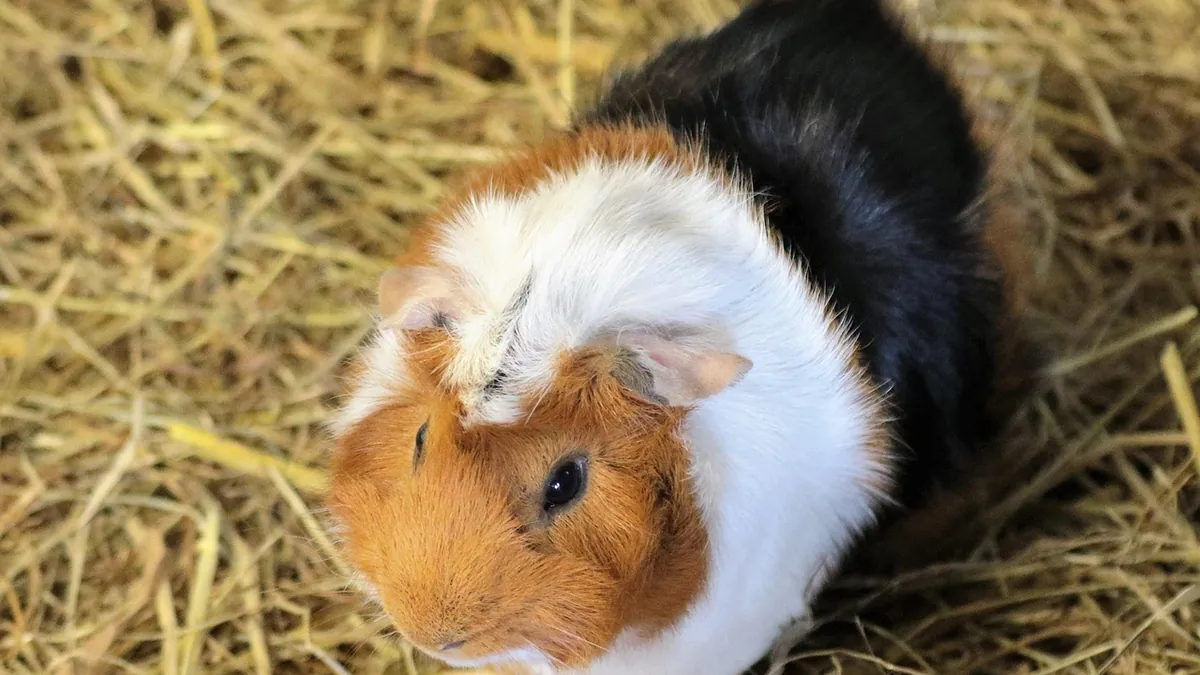
Guinea pigs squeak and vibrate when petted for many reasons, and most of the time it is normal communication. A short, high squeak often means excitement or a request for food, while a low, steady vibration (often called purring) usually means your guinea pig is content or mildly annoyed. The tricky part is telling happy sounds apart from stressed or painful ones, because guinea pigs use the same basic noises for very different feelings.
This article is educational and is not a substitute for veterinary diagnosis or treatment.
Quick Answer
- A soft, rumbling vibration while you pet your guinea pig is usually a purr, which can mean contentment or mild irritation depending on the rest of the body language.
- A loud, repeated squeak is often excitement, anticipation of food, or a demand for attention, not necessarily pain.
- A guinea pig that goes stiff, flattens down, or tries to hop away while vibrating is telling you to stop.
- Guinea pigs are prey animals, so they hide pain well. A sudden change in how your guinea pig reacts to touch deserves a vet visit.
- Never punish a guinea pig for squeaking or shaking. Remove your hand, watch the body language, and adjust how you handle your pet.
Why Does My Guinea Pig Squeak When I Pet Him?
Guinea pigs are social, vocal rodents, and squeaking is one of their main ways to communicate with you and with other guinea pigs [1]. When you pet your guinea pig, you are touching an animal that evolved as prey, so its brain is constantly checking whether contact is safe, pleasant, or threatening.
Excited squeaking
Many guinea pigs squeak the moment they hear a bag rustle or see you walk toward the cage. If your guinea pig squeaks in short, high bursts and comes toward your hand, that is usually excitement. It often means your pet has learned that people equal food or attention.
Contact squeaking
Some guinea pigs squeak when touched because they enjoy the interaction. Others squeak because they want it to stop. The sound alone will not tell you which. Watch the ears, the eyes, and whether your guinea pig stays relaxed or tenses up.
Pain or discomfort squeaking
A guinea pig in pain may squeak sharply when a specific area is touched. This is different from a general happy chatter. If your guinea pig squeaks only when you touch the belly, back, or hind end, that is a clue that something hurts. For a broader look at what different sounds mean, see Guinea Pig Squeaking Noise.
Why Does My Guinea Pig Vibrate When I Pet Him?
That buzzing or trembling feeling under your hand has a few possible explanations.
Purring
Guinea pigs purr, and owners often describe it as a vibration. A slow, low purr with a relaxed body usually means your guinea pig is comfortable. A faster, higher purr with a tense body often means annoyance, the guinea pig version of "please stop."
Fear or stress trembling
Guinea pigs that are nervous or frightened can shake. This is more common in guinea pigs that have not been handled much or that are new to your home. A trembling guinea pig often freezes, crouches, or tries to hide.
Cold or pain
Shivering can also mean your guinea pig is cold or uncomfortable. If the room is chilly or your guinea pig is hunched and quiet, check the environment and watch for other signs of illness.
How guinea pigs sense vibration
Guinea pigs are sensitive to vibration, and their hearing system responds to bone-conducted vibration as well as to sound in the air [2]. Their cochlear vibration patterns are similar to those in people, which is one reason they are used in hearing research [3]. This sensitivity means your guinea pig may feel your hand, your footsteps, and the surface it sits on more strongly than you expect.
Why Does My Guinea Pig Make Noises When I Pet Him?
Guinea pigs have a range of sounds, and each one carries information. Common noises during petting include:
- Squeaks and whistles: excitement, greeting, or a request.
- Purrs: contentment or mild annoyance.
- Rumbles: often a warning or a sign of irritation.
- Chirps: uncommon and not fully understood, sometimes linked to stress.
- Teeth chattering: a clear warning that your guinea pig is upset.
A 2025 survey of more than 1,000 guinea pig caretakers found that most owners paid close attention to their animals' needs, and that behaviors like biting and bar chewing were rare [4]. That is encouraging, because it suggests most pet guinea pigs live in reasonably good conditions. It also means that when a guinea pig suddenly starts biting or squeaking during petting, something has changed and deserves a closer look.
Why Is My Guinea Pig Purring When I Pet Him?
Purring is one of the most misunderstood guinea pig sounds. Owners often assume purring always means happiness, but that is not true.
A contentment purr is low, steady, and paired with a relaxed body. Your guinea pig may close its eyes, stay still, and lean into your hand.
An annoyance purr is faster and higher. Your guinea pig may stiffen, twitch its skin, or shift away. If you keep petting, the purr may turn into a rumble, a nip, or a quick escape.
The same vibration can mean two different things, so the body language matters more than the sound. If you are unsure, stop petting for a few seconds and see what your guinea pig does. A guinea pig that wants more will often nudge your hand or stay put. One that wants a break will move away or freeze.
Why Is My Guinea Pig Shaking When I Pet Him?
Shaking during petting usually points to one of four things.
- Fear. New guinea pigs, rescue guinea pigs, and guinea pigs that were rarely handled may tremble when touched.
- Stress from the environment. Loud noises, other pets, or a recent change in the home can make a guinea pig jumpy.
- Pain. A guinea pig with a sore back, dental problem, or bladder issue may shake when handled.
- Cold. Guinea pigs are sensitive to temperature, and a chilly room can cause shivering.
If the shaking is new and comes with other changes, such as eating less or hiding more, treat it as a medical concern. Shaking in pets is not unique to guinea pigs, and the general principles of when to worry are similar across species. For comparison, see Why Is My Dog Shaking? and Dog Shaking or Trembling: When to Call the Vet.
Medical Causes to Rule Out
Some squeaking, vibrating, and shaking during petting is not behavioral at all. It can be a sign of a health problem.
Skin problems
Mites, lice, and fungal infections are common in guinea pigs. They cause intense itching, and a guinea pig may squeak or twitch when you touch the affected area. Hair loss, scabs, and dandruff often come with it.
Dental disease
Guinea pig teeth grow continuously. Overgrown or misaligned teeth cause pain, drooling, weight loss, and reluctance to eat. A guinea pig with dental pain may squeak when its head or jaw is touched.
Urinary or bladder problems
Bladder stones, urinary tract infections, and cystitis are common in guinea pigs. A guinea pig with one of these may squeak when you pick it up or touch its belly, and you may notice straining to urinate or bloody urine.
Arthritis and back pain
Older guinea pigs can develop arthritis. They may shake, resist handling, or squeak when lifted.
Respiratory disease
Guinea pigs with respiratory infections may breathe noisily, sit hunched, and stop eating. Shaking can be part of the picture.
Neurological problems
Head tilt, circling, and tremors can point to an inner ear or neurological issue. These need prompt veterinary attention.
When Does the Behavior Become a Problem?
Squeaking and vibrating are not problems on their own. They become a problem when they come with any of these changes:
- Your guinea pig stops eating or drinking.
- Your guinea pig loses weight.
- Your guinea pig hides more than usual or stops moving around.
- Your guinea pig squeaks when touched in one specific spot.
- Your guinea pig bites, nips, or tries to escape every time you handle it.
- Your guinea pig trembles constantly, even when resting.
- Your guinea pig has trouble breathing, drools, or has discharge from the eyes or nose.
Any of these signs means the behavior is no longer just communication. It is a signal that your guinea pig needs a veterinary exam.
What to Do Step by Step
1. Watch before you touch
Spend a few minutes observing your guinea pig before you reach in. Note whether it comes to the front of the enclosure, whether it is eating, and whether it is moving normally. This baseline helps you spot changes.
2. Pet in short sessions
Start with 10 to 15 seconds of gentle petting along the back and shoulders. Pause and see how your guinea pig responds. If it stays relaxed, continue. If it stiffens, stop.
3. Learn your guinea pig's body language
Relaxed guinea pigs have soft eyes, loose bodies, and normal breathing. Stressed guinea pigs freeze, flatten, twitch their skin, or try to move away. A guinea pig that is about to nip often rumbles first. For a full guide to guinea pig signals, see Guinea Pig Behavior: Understanding Sounds and Actions.
4. Build trust with food
Offer a small piece of hay, a guinea pig pellet, or a safe vegetable during petting. Pairing touch with food helps a nervous guinea pig learn that hands are safe.
5. Improve the environment
Guinea pigs need a large enclosure, constant access to hay, a hiding spot, and a companion. The 2025 survey found that eating and resting next to other guinea pigs happened several times a day in most of the animals studied [4]. Social housing supports welfare and can reduce stress-related behavior.
6. Handle with support
Always support the hindquarters when you pick up a guinea pig. Never grab it around the middle or lift it by the scruff. A guinea pig that feels unsupported will struggle and may squeak in fear.
7. Keep a simple log
Write down when the squeaking or shaking happens, what you were doing, and how long it lasted. This record helps your veterinarian sort out behavior from disease.
What Not to Do
- Do not punish your guinea pig. Yelling, tapping, or spraying water will make fear worse and can damage your bond.
- Do not assume purring always means happy. A fast purr with a tense body is a warning.
- Do not force handling. If your guinea pig is shaking and trying to get away, let it go and try again later.
- Do not ignore a sudden change. A guinea pig that was calm for months and now squeaks every time you touch it may have a medical problem.
- Do not rely on internet sound charts alone. The same sound can mean different things in different contexts.
When to Involve a Veterinarian or Behavior Professional
Call your veterinarian if the behavior is new, if it comes with any change in eating, drinking, or activity, or if your guinea pig seems painful. Guinea pigs are prey animals and often hide illness until it is advanced, so early evaluation matters.
If your veterinarian finds no medical cause, ask about a certified behavior professional who works with small mammals. Behavior help is most useful when the problem is fear, handling aversion, or stress from the environment.
Limitations and When to Contact a Veterinarian
This article cannot tell you what is happening with your individual guinea pig. Only a veterinarian who examines your pet can do that.
Contact a veterinarian the same day if:
- Your guinea pig stops eating or drinking.
- Your guinea pig squeaks sharply when touched in one area.
- Your guinea pig is shaking constantly or seems weak.
- Your guinea pig has diarrhea, drooling, or trouble breathing.
- Your guinea pig has not passed stool or urine in several hours.
Go to an emergency clinic now if:
- Your guinea pig is gasping, open-mouth breathing, or struggling to breathe.
- Your guinea pig collapses, has a seizure, or cannot stand.
- Your guinea pig has a head tilt with circling or rolling.
- Your guinea pig is bleeding or has a prolapsed tissue.
Schedule a routine visit if:
- The squeaking or shaking is mild but has lasted more than a few days.
- Your guinea pig is slowly losing weight.
- Your guinea pig has hair loss, scabs, or itching.
- You are unsure whether the behavior is normal.
Frequently Asked Questions
Is it normal for a guinea pig to squeak when petted?
Yes, it can be normal. Many guinea pigs squeak from excitement, anticipation, or because they enjoy the attention. The key is whether the rest of the body is relaxed. A stiff, tense guinea pig that squeaks is telling you to stop.
Why does my guinea pig vibrate when I pet him?
Vibration is usually a purr, which can mean contentment or mild annoyance. A slow, low purr with a relaxed body is a good sign. A fast, high purr with a tense body means your guinea pig wants a break.
Does purring mean my guinea pig is happy?
Not always. Guinea pigs purr for more than one reason. A relaxed purr usually means comfort, while a tense purr often means irritation or a warning. Watch the ears, eyes, and body posture to tell them apart.
Should I stop petting if my guinea pig shakes?
Yes, stop and give your guinea pig space. Shaking usually means fear, stress, cold, or pain. If the shaking happens every time you handle your guinea pig, or if it comes with other symptoms, have your veterinarian check for a medical cause.
Can pain make a guinea pig squeak when touched?
Yes. Pain is one of the most common reasons a guinea pig suddenly squeaks during petting. Skin mites, dental disease, bladder problems, and arthritis can all cause this. If the squeaking is new or tied to one body area, see your veterinarian.
Related Articles
- Guinea Pig Squeaking Noise
- Guinea Pig Behavior: Understanding Sounds and Actions
- Why Is My Rat or Guinea Pig Vibrating?
- Why Is My Guinea Pig Purring? What the Sound Means
- Why Is My Guinea Pig Chattering Its Teeth? Causes
References
- Anatomy, Physiology, and Behavior of Guinea Pigs - Exotic and Laboratory Animals. Merck Veterinary Manual.
- Vibration direction sensitivity of the cochlea with bone conduction stimulation in guinea pigs. Scientific reports, 2021.
- Finite element analysis on the human and guinea pig cochlear vibration patterns under bone conduction stimulations. Scientific reports, 2024.
- Guinea Pig (Cavia porcellus) Welfare: Associations Between Husbandry Practices, Human-Animal Interactions, and Animal Behaviour. Animals : an open access journal from MDPI, 2025.