Guinea Pig Zoomies: Why They Happen and What They Mean
By Dr. Zubair Khalid, DVM, MS, PhD ·
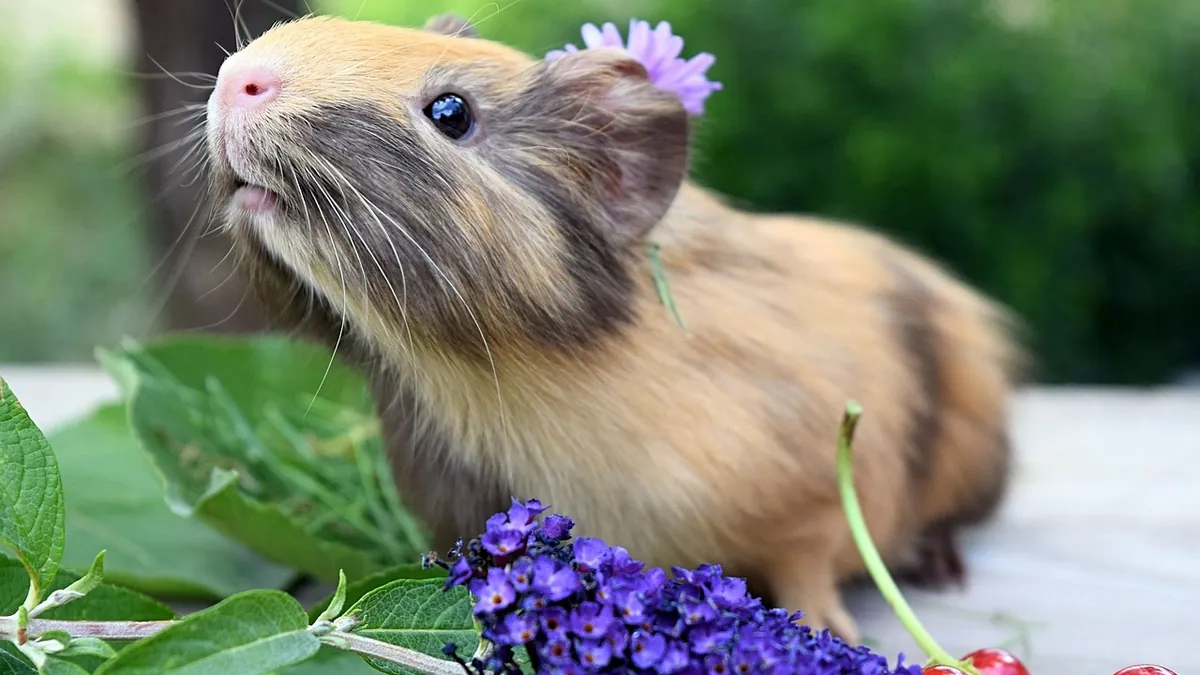
Guinea pig zoomies are sudden bursts of running, hopping, and twisting that most often mean your guinea pig is happy, excited, or burning off energy. They are normal and common, especially in young guinea pigs and during floor time. The same behavior can also show up when a guinea pig is in pain, itchy from mites, or stressed, so the context matters as much as the running itself.
This article is educational and is not a substitute for veterinary diagnosis or treatment.
Quick Answer
- Zoomies are normal. In a survey of 1,181 guinea pig caretakers, locomotor play (playful running and jumping) happened several times per day in about 20% of the animals [1].
- Happy zoomies come with relaxed body language, popcorning (jumping straight up), and calm behavior right after.
- Frantic running looks different. Watch for hunching, teeth grinding, hair loss, scratching, or running into walls.
- Give your guinea pig a large, safe floor area and a companion. Guinea pigs housed alone show more welfare problems than pair-housed guinea pigs [1].
- If running comes with pain signs, skin problems, or appetite loss, see a veterinarian. Do not wait to "see if it passes."
Why Is My Guinea Pig Doing Zoomies?
Normal Reasons for Guinea Pig Zoomies
Zoomies are a form of locomotor play. Your guinea pig sprints in laps, kicks out the back legs, and may twist in midair. This is sometimes called popcorning. It is most common in young guinea pigs, but adults do it too, especially after a cage clean, a fresh pile of hay, or a favorite treat.
In a large survey of guinea pig caretakers, eating and resting next to other guinea pigs happened several times per day in 87.6% and 48.1% of animals, and locomotor play happened several times per day in 19.9% [1]. That tells you two things. Zoomies are a normal part of guinea pig life, and they are more likely when a guinea pig feels safe, well fed, and housed with company.
Common triggers for happy zoomies include:
- Floor time or free roaming. A guinea pig that has been in a cage all day often explodes with energy when let out.
- A clean enclosure. Fresh bedding and rearranged hideouts invite exploration.
- Food arrival. The sound of a hay bag or veggie bag can set off a sprint.
- Play with a companion. Guinea pigs often chase each other in short, bouncy bursts.
- Cool, comfortable conditions. Guinea pigs are sensitive to heat, and a comfortable guinea pig is a more active one.
Hormones and the Estrous Cycle
Female guinea pigs have an estrous cycle, and behavior can shift with it. A study of twelve female guinea pigs found that cortisol concentrations were higher during estrus than during diestrus, though the cycle phase did not significantly change locomotion or anxiety-like behavior in a dark-light test [2]. In plain terms, your female guinea pig may seem more wired or restless on some days, and that can be normal. If the change is mild and she is eating, drinking, and behaving normally otherwise, it is usually not a concern.
Social and Emotional Reasons
Guinea pigs are herd animals. A guinea pig that lives alone may run more out of boredom or stress than out of joy. The same survey found that individual housing was linked to welfare problems and occurred for 7.5% of the animals studied [1]. If your guinea pig is alone, consider a companion. Our guide to Guinea Pig Social Needs: Pair Housing, Introductions, and Signs of Conflict walks through safe introductions.
Stress can also cause running. Guinea pigs that are startled, chased by a cat or dog, or kept in a small cage with no hiding spots may run in a panicked way. The difference is in the details. Happy zoomies are bouncy and stop when the guinea pig is tired. Stress running is tense, repetitive, and often aimed at escape.
Medical Causes to Rule Out
Sometimes frantic running is not joy. It is a sign that something hurts or itches. These are the main medical causes to consider.
Mites and Other Skin Parasites
Mites are one of the most common reasons a guinea pig runs and scratches intensely. The itching can be severe enough that guinea pigs throw themselves against cage walls, bite at their own skin, or run in circles. Look for hair loss, scabs, dandruff, and scratching that does not stop. Mites are treatable, but the treatment must come from a veterinarian. Over-the-counter flea products for cats and dogs can be toxic to guinea pigs.
Pain and Discomfort
A guinea pig in pain may run in short, frantic bursts, then hunch in a corner. Dental disease, bladder stones, arthritis, and gastrointestinal problems are common painful conditions in guinea pigs. Other signs include drooling, weight loss, grinding teeth, squeaking while urinating, and a hunched posture. Our article on Guinea Pig Health: Recognizing and Responding to Common Illnesses covers the warning signs in more detail.
Reproductive and Hormonal Conditions
Female guinea pigs can develop ovarian problems, including ovarian cysts and ovarian tumors. A study of 23 ovarian epithelial neoplasms in 15 guinea pigs described several tumor types, including surface papillomas, adenomas, and borderline tumors [3]. These conditions can cause hormonal behavior changes, including restlessness, mounting, and unusual running. They are diagnosed by a veterinarian, often with ultrasound.
Neurological and Balance Problems
A guinea pig that runs in circles, tilts its head, or loses balance may have an inner ear infection or a neurological problem. This is not zoomies. It needs same-day veterinary attention.
Stress and Fear
Early-life stress can change how guinea pigs respond to the world. A study in periadolescent guinea pigs found that early attachment disruption produced depressive-like behavior that worsened with repeated isolation [4]. While that study looked at brain changes, the takeaway for owners is simple. Guinea pigs are social animals, and isolation and frightening events can affect their behavior. If your guinea pig runs frantically after a move, a new pet in the house, or a loud event, stress is a likely cause.
When Do Guinea Pig Zoomies Become a Problem?
Zoomies are a problem when they come with any of these:
- Self-injury. Running into walls, biting the cage bars, or chewing at the skin.
- Constant repetition. Running nonstop for long periods with no rest.
- Skin changes. Hair loss, redness, scabs, or heavy dandruff.
- Pain signs. Hunched posture, teeth grinding, drooling, or squeaking when urinating or defecating.
- Appetite or weight changes. A guinea pig that stops eating is an emergency.
- Breathing trouble. Open-mouth breathing, wheezing, or a clicking sound.
- Behavior change in a pair. Sudden chasing, biting, or mounting that does not stop can mean conflict or a hormonal problem.
One useful comparison. A happy guinea pig does zoomies, then flops down, eats, and naps. A guinea pig in trouble does zoomies, then hides, hunches, and stays tense.
What to Do Step by Step
1. Watch the Whole Picture
Spend ten minutes observing your guinea pig without interacting. Note the body language, the timing, and what happens after the running stops. Video on your phone is helpful for your veterinarian.
2. Check the Environment
Guinea pigs need a large enclosure with room to run, solid flooring (not wire), and at least one hiding spot per guinea pig. The survey found that most caretakers used self-built enclosures (42.8%) or fenced floor areas (21.1%) with enrichment and furnishings [1]. Those setups support normal activity. If your cage is small, add supervised floor time every day.
3. Add Enrichment
Rotate tunnels, cardboard boxes, chew-safe toys, and paper bags. Move hideouts to new spots each week. Scatter vegetables instead of using one bowl so your guinea pig has to move around. Enrichment reduces boredom, and boredom can look like restless running.
4. Check the Diet
Guinea pigs need constant access to grass hay, plus fresh water and a measured amount of guinea pig pellets and vegetables. The same survey found that only 0.4% of animals lacked constant access to hay, which shows how widely this basic need is recognized [1]. Hay supports digestion and dental health, and both affect behavior.
5. Get a Companion If Your Guinea Pig Lives Alone
Guinea pigs are social. Pair housing is the norm for good welfare, and single housing was linked to welfare problems in the survey [1]. If you are adding a guinea pig, read Guinea Pig Companionship: How to Introduce and Bond Pairs before you put them together.
6. Rule Out Medical Causes
If the running seems frantic, if there is scratching or hair loss, or if anything else seems off, book a veterinary visit. A veterinarian can check for mites, dental problems, bladder issues, and reproductive conditions. Do not use home remedies or human medications. Many are toxic to guinea pigs.
7. Keep a Simple Log
Write down when the zoomies happen, how long they last, and what else you see. Patterns help your veterinarian decide whether this is play or a medical problem.
What Not to Do
- Do not punish your guinea pig. Yelling, spraying water, or tapping the cage will make fear worse. Punishment does not teach a guinea pig anything useful.
- Do not assume all running is happiness. Frantic running with scratching or hunching is a medical sign.
- Do not use dog or cat parasite products. They can be deadly to guinea pigs.
- Do not isolate a guinea pig as a fix. Isolation is linked to welfare problems [1]. If a pair is fighting, get guidance on safe separation and reintroduction instead of permanent solitary housing.
- Do not skip the vet because the guinea pig "seems fine." Guinea pigs hide illness well. By the time they look sick, they are often very sick.
- Do not confuse zoomies with a seizure. A seizure involves loss of control, paddling, drooling, and a period of confusion afterward. That is an emergency.
When to Involve a Veterinarian or Behavior Professional
Call a veterinarian if the running is new, intense, or paired with any physical sign. Call sooner if your guinea pig is not eating, is breathing hard, or is losing weight.
A certified behavior professional can help if the problem is social. Guinea pig pairs sometimes need help with introductions, and a professional can guide you through bonding and cage setup. Our article on Guinea Pig Behavior: Understanding Sounds and Actions explains the sounds and postures that go with each behavior.
Limitations and When to Contact a Veterinarian
This article cannot tell you what is happening with your individual guinea pig. Only a veterinarian who examines your pet can do that.
Contact a veterinarian the same day if you see:
- Scratching that does not stop, hair loss, or scabs
- Hunched posture, teeth grinding, or drooling
- A sudden drop in appetite or water intake
- Weight loss over a few days
- A change in droppings (fewer, smaller, or misshapen)
- Restlessness that lasts for hours
Go to an emergency clinic now if you see:
- Open-mouth breathing, gasping, or a clicking sound
- A guinea pig that cannot stand or is limp
- Seizure activity, paddling, or loss of consciousness
- Bleeding, a prolapsed organ, or a serious injury
- No droppings for 12 hours or more, with a bloated or painful belly
Schedule a routine visit if:
- The zoomies are new in an adult guinea pig with no other signs
- Your female guinea pig shows hormonal behavior such as mounting or crusty nipples
- You want a baseline checkup for a new guinea pig
Frequently Asked Questions
Do guinea pigs get zoomies?
Yes. Zoomies are a normal guinea pig behavior, and playful running and jumping occurred several times per day in about one in five guinea pigs in a large caretaker survey [1]. Young guinea pigs do it most, but adults join in too. A guinea pig that never moves at all is more concerning than one that runs in happy bursts.
Is it normal for guinea pigs to have zoomies every day?
Daily zoomies can be completely normal, especially if your guinea pig has floor time, a companion, and a stimulating enclosure. The key is what the rest of the day looks like. A guinea pig that runs happily, then eats, rests, and interacts normally is fine. A guinea pig that runs frantically and cannot settle needs a veterinary check.
Why does my guinea pig run in circles?
Circling can be playful, but it can also point to a medical problem. If your guinea pig circles in one direction, tilts its head, or seems off balance, see a veterinarian promptly. If it circles during play with a companion and stops to eat and rest, it is more likely normal activity.
Can mites cause guinea pig zoomies?
Yes. Mites cause intense itching, and guinea pigs with mites may run, scratch, and throw themselves around the cage. Look for hair loss, scabs, and dandruff. Mites need veterinary treatment, and all guinea pigs in the home usually need to be treated at the same time.
Should I stop my guinea pig from doing zoomies?
No. Do not stop normal zoomies. Instead, make sure the space is safe, with no wire floors, no gaps to fall through, and no other pets that can chase your guinea pig. If the running looks frantic or comes with pain signs, that is when you call your veterinarian instead of trying to calm the behavior at home.
Related Articles
- Guinea Pig Behavior: Understanding Sounds and Actions
- Guinea Pig Health: Recognizing and Responding to Common Illnesses
- Guinea Pig Social Needs: Pair Housing, Introductions, and Signs of Conflict
- Guinea Pig Squeaking Noise
- Guinea Pig Companionship: How to Introduce and Bond Pairs
References
- Guinea Pig (Cavia porcellus) Welfare: Associations Between Husbandry Practices, Human-Animal Interactions, and Animal Behaviour. Animals : an open access journal from MDPI, 2025.
- Physiological and behavioral traits in female guinea pigs: estrous cycle effects and repeatability. Physiology & behavior, 2026.
- Spontaneous ovarian epithelial neoplasms in guinea pigs (Cavia porcellus). Veterinary pathology, 2026.
- Early attachment disruption differentially enhances multiple signs of microglia activation in the prefrontal cortex, hippocampus, and preoptic area of periadolescent guinea pigs. Behavioural brain research, 2026.