Why Is My Guinea Pig Chirping Like a Bird?
By Dr. Zubair Khalid, DVM, MS, PhD ·
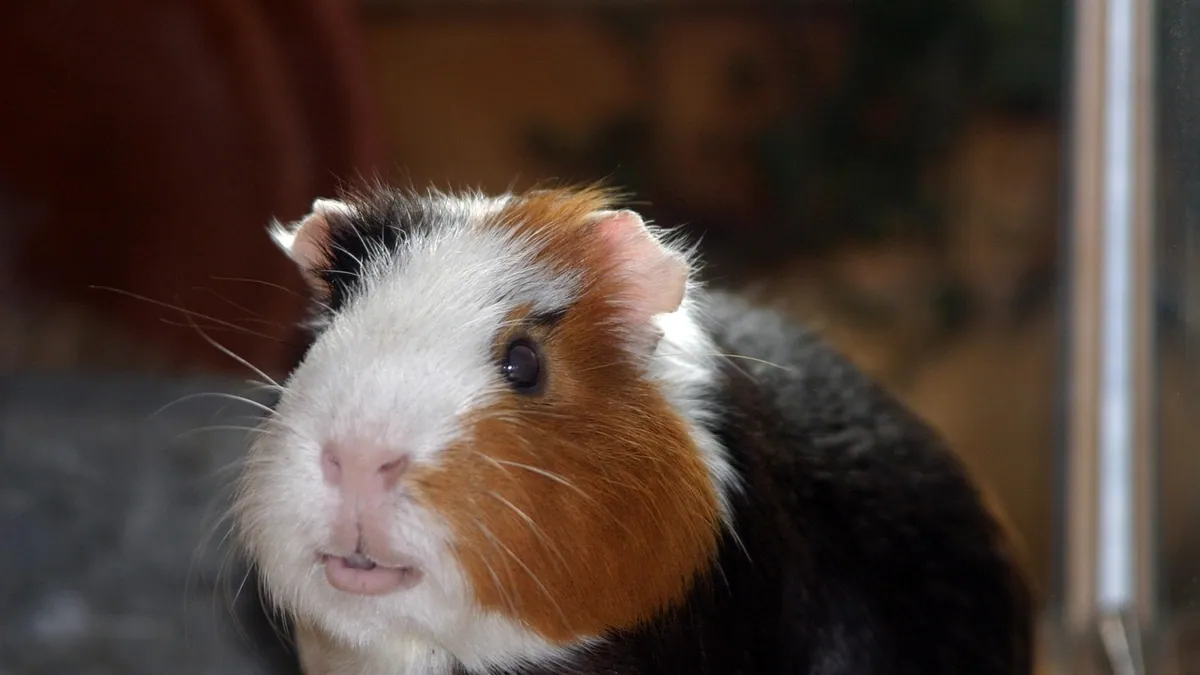
Why is my guinea pig chirping like a bird? That high, melodic, one-note chirp that sounds like a wild songbird is one of the rarest sounds in the guinea pig repertoire, and no one knows its exact meaning for sure. Most of the time it appears during quiet, still moments and stops on its own within a few minutes. This article is educational and is not a substitute for veterinary diagnosis or treatment.
Quick Answer
- Bird-like chirping is uncommon in guinea pigs and is not fully understood, so a single short episode in a calm, healthy pig is usually not an emergency.
- Most chirping happens when a guinea pig is alone, still, or seemingly startled, and it typically lasts seconds to a few minutes.
- Chirping that comes with hiding, not eating, labored breathing, or a hunched posture points to pain or illness and needs a vet.
- Check the basics first: fresh hay, clean water, a quiet space, and no recent scare from a predator or loud noise.
- Never punish or startle a chirping guinea pig. If episodes are frequent or your pig seems unwell, book a veterinary exam.
What Bird-Like Chirping Sounds Like in Guinea Pigs
Guinea pigs make many sounds. They wheek for food, rumble during dominance displays, purr when content, and squeak when annoyed. Chirping stands apart. It is a single high-pitched note repeated in a steady rhythm, almost like a small bird singing. It can go on for several seconds or a few minutes.
Owners often describe it as eerie or out of place, because it does not sound like anything else the pig normally does. Some guinea pigs chirp once in their lives. Others never chirp at all. Because it is so uncommon, even experienced owners may go years without hearing it.
If you are still learning your pig's sound vocabulary, our guide to Guinea Pig Behavior: Understanding Sounds and Actions can help you tell normal noises apart from unusual ones. A high squeak that repeats during handling or excitement is different from true chirping, and our article on Guinea Pig Squeaking Noise explains that sound in detail.
Why Is My Guinea Pig Chirping Like a Bird? The Likely Reasons
Normal Reasons
Alarm or startle response. Many chirping episodes happen right after a sudden event, such as a door slamming, a vacuum starting, or a predator walking past the cage. The pig freezes, chirps, then returns to normal.
A quiet, still environment. Chirping often occurs when the room is calm and the guinea pig is alone. Some owners hear it at night or when the house is empty.
Social context. Guinea pigs are herd animals, and vocalizations carry meaning within a group. Research on other domestic species shows that calls vary with the animal's emotional state and social situation [1]. A pig that chirps when separated from a companion may be expressing something about that separation.
Arousal or excitement. Some pigs chirp during or after vigorous activity, such as floor time or a chase around the cage. The sound may reflect a high state of arousal instead of fear.
Individual variation. Guinea pigs differ in how much they vocalize, just as other species do. In chickens, crowing varies between wild and domesticated birds and has a genetic component [2]. Guinea pig vocal behavior likely varies between individuals too, though the specific genetics have not been mapped.
Medical Causes to Rule Out
Pain. Guinea pigs hide pain well, and chirping during handling, urination, or defecation can be a pain signal. Pain assessment in guinea pigs is difficult because validated tools are limited, and many analgesic doses are extrapolated from other species [3]. That is one reason a veterinary exam matters when a new sound appears alongside other changes.
Respiratory disease. Guinea pigs are prone to upper respiratory infections. Labored breathing, a clicking sound, or discharge from the nose or eyes along with chirping is a reason to call your vet promptly.
Dental problems. Overgrown or misaligned molars cause pain when chewing. A pig that chirps while eating, drops food, or drools needs a dental exam.
Gastrointestinal issues. Bloat and gut stasis are serious in guinea pigs. A chirping pig with a hard, distended belly, no droppings, or reduced appetite needs same-day care.
Hearing or sensory changes. Guinea pigs are widely used in hearing research, and their responses to sound can be measured through pupil reactions to vocalizations [4]. A pig that suddenly reacts oddly to sound may have a sensory issue worth discussing with your vet.
Neurological or seizure activity. Some owners report chirping during episodes that look like staring spells or twitching. If you see this pattern, record a video and show it to your veterinarian.
When Chirping Becomes a Problem
Chirping itself is not harmful. The problem is what it might signal. Use these questions to decide how concerned to be.
- How often does it happen? A one-time episode in an otherwise healthy pig is low concern. Daily or hourly episodes deserve a vet visit.
- Does the pig return to normal afterward? If your pig eats, drinks, poops, and plays normally after chirping, the sound is likely behavioral.
- Are there other signs? Weight loss, hiding, squinting, teeth grinding, or a change in droppings all raise concern.
- Did something change? A new pet, a move, a new cage mate, or a loud appliance can trigger stress-related vocalizing.
- Is the pig in pain? Signs include a hunched posture, reluctance to move, and sensitivity to touch.
If you answer yes to several of these, treat the chirping as a symptom, not a quirk.
What to Do Step by Step
Step 1: Observe Without Interrupting
Stay still and quiet. Note the time of day, what happened just before, and how long the chirping lasts. A phone recording helps your vet hear the sound and see the pig's posture.
Step 2: Check the Basics
Weigh your guinea pig weekly. A kitchen scale works well. A drop of more than a few ounces over a week is a red flag. Check that hay is fresh, water bottles flow freely, and the cage is clean.
Step 3: Review the Environment
Guinea pigs need a quiet spot away from barking dogs, loud televisions, and heavy foot traffic. Provide a hide box so your pig can retreat. If you have a single guinea pig, consider a companion, since guinea pigs are social.
Step 4: Add Enrichment
Offer tunnels, chew-safe toys, and daily floor time. Enrichment reduces stress and gives your pig an outlet for normal behavior. Research in pigs shows that vocalizations track emotional states, with negative calls distinguishable from positive ones [1], and that maternal vocalization can improve welfare and resting behavior in sows and piglets [5]. The same principle applies broadly: a relaxed guinea pig vocalizes less from distress.
Step 5: Keep a Log
Write down each chirping episode with date, time, duration, and what was happening. Patterns emerge quickly, and your vet will appreciate the record.
Step 6: Book a Vet Visit if Needed
If chirping repeats, or if any other sign appears, schedule an exam. A veterinarian can check teeth, lungs, weight, and belly, and can assess pain using available methods [3].
What Not to Do
Do not punish your guinea pig. Yelling, tapping the cage, or squirting water will increase fear and may make vocalizing worse. Punishment does not teach a guinea pig anything useful.
Do not assume it is always a warning. The idea that chirping predicts death or disaster is a myth. There is no evidence for it. Most chirping episodes end with the pig acting completely normal.
Do not ignore other signs. Chirping plus not eating is not a behavior problem. It is a medical one.
Do not self-treat with medications. Never give a guinea pig pain relievers or antibiotics meant for humans or other pets. Dosing in guinea pigs is not straightforward, and many drugs are used at doses extrapolated from other species because validated guinea pig data are limited [3]. Your veterinarian calculates the dose from your pet's weight and health.
Do not compare your pig to a parrot. Bird mimicry and bird vocal learning are different processes from guinea pig vocalization. If you are curious about how birds produce and learn sounds, see Talking Parrots: How Parrots Learn to Mimic Speech. Guinea pigs do not mimic.
When a Veterinarian or Behavior Professional Should Be Involved
Call your veterinarian if chirping happens more than once a week, if it lasts longer than a few minutes, or if it appears alongside any change in eating, drinking, droppings, breathing, or activity. A certified behavior consultant can help if your vet rules out medical causes and the chirping seems tied to stress, a new cage mate, or a change in routine.
If you are weighing whether a guinea pig fits your household, our comparison of Guinea Pig vs Rabbit: Which Pet Is Right for You? covers space, social needs, and daily care.
Limitations and When to Contact a Veterinarian
Guinea pig vocalization is understudied. There is no validated test that tells you what a chirp means, and pain assessment tools for guinea pigs are still being developed [3]. That means your veterinarian will rely on the full picture: history, physical exam, weight trend, and sometimes imaging or bloodwork. Individual cases need a veterinarian, not a general article.
Contact your veterinarian the same day if you see:
- Labored breathing, open-mouth breathing, or a clicking chest sound
- No droppings for 12 hours or more, or a hard, bloated belly
- Drooling, dropping food, or weight loss
- Squinting, teeth grinding, or a hunched, still posture
- Chirping that repeats many times in one day
Go to an emergency clinic now if you see:
- Collapse, seizures, or unresponsiveness
- Severe difficulty breathing
- Bleeding or a suspected fall injury
- A guinea pig that cannot stand or move normally
Book a routine visit if you see:
- Occasional chirping with no other signs
- A new sound you want identified
- Mild changes in appetite or activity that last more than a day
Frequently Asked Questions
Is bird-like chirping in guinea pigs a sign of pain?
Sometimes. Chirping alone is not proof of pain, but when it comes with hiding, not eating, a hunched posture, or sensitivity to touch, pain is a real possibility. Guinea pigs hide discomfort well, and pain assessment in this species is limited, so a veterinary exam is the safest way to sort it out [3].
Can guinea pigs chirp when they are happy?
Possibly. Some episodes happen during calm, relaxed moments with no sign of distress. Because the behavior is rare and poorly studied, no one can say for certain that chirping means contentment. Watch your pig's body language and overall behavior for clues.
How long does guinea pig chirping usually last?
Most episodes last from a few seconds to a few minutes. A chirp that continues for an hour, or that repeats many times a day, is unusual and worth a veterinary phone call. Record the duration each time so you can describe the pattern.
Should I take my guinea pig to the vet for chirping?
Take your pig to the vet if chirping is frequent, lasts a long time, or comes with any other change in health or behavior. A single short episode in a pig that is eating, drinking, and pooping normally can be watched at home. When in doubt, call your vet's office and describe what you saw.
Do all guinea pigs chirp?
No. Chirping is one of the least common guinea pig sounds, and many pigs never do it. Some chirp once or twice in a lifetime, while a few chirp more often. Individual differences in vocal behavior are normal across species [2].
Can I stop my guinea pig from chirping?
You cannot train chirping away, and you should not try to punish it. Instead, reduce triggers by keeping the environment calm, providing a hide box, and sticking to a routine. If chirping continues, have your vet check for medical causes first, then consider a behavior consult.
Related Articles
- Guinea Pig Squeaking Noise
- Guinea Pig Behavior: Understanding Sounds and Actions
- Guinea Pig vs Rabbit: Which Pet Is Right for You?
- Why Is My Guinea Pig Purring? What the Sound Means
- Why Does My Guinea Pig Squeak and Vibrate When Petted?
- Why Is My Guinea Pig Not Squeaking Anymore?
References
- Framework for Classification of Fattening Pig Vocalizations in a Conventional Farm with High Relevance for Practical Application. Animals : an open access journal from MDPI, 2025.
- Domestication effects on crowing in chickens: variation between wild and captive red junglefowl and domestic white Leghorn and the genetic architecture of crowing vocalizations. Philosophical transactions of the Royal Society of London. Series B, Biological sciences, 2025.
- Pain management in pet guinea pigs (Cavia porcellus): a review of limitations of current knowledge and practice. Veterinary anaesthesia and analgesia, 2025.
- Pupillometry to Assess Auditory Sensation in Guinea Pigs. Journal of visualized experiments : JoVE, 2023.
- Effects of maternal artificial vocalization on hyperprolific lactating sows and piglets behavior. Anais da Academia Brasileira de Ciencias, 2018.