Guinea Pig Not Eating or Drinking: What to Do
By Dr. Zubair Khalid, DVM, MS, PhD ·
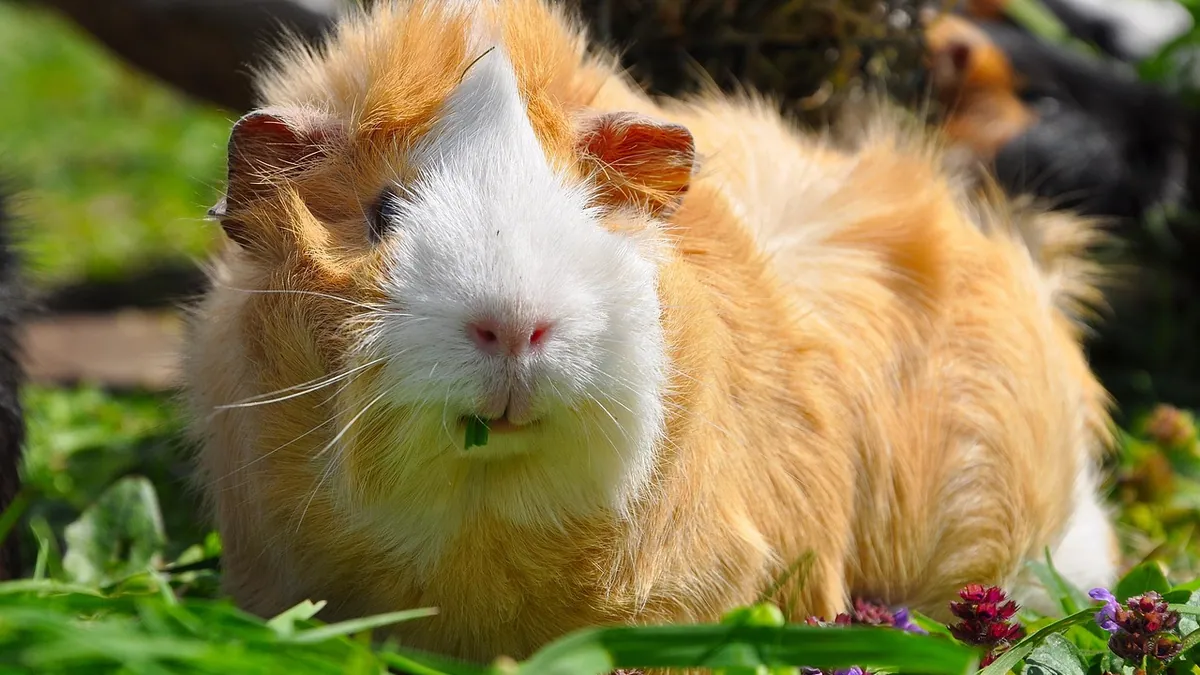
If your guinea pig is not eating or drinking, treat it as a medical emergency, not a wait-and-see problem. Guinea pigs have a digestive system that must keep moving, and they can become dangerously weak within 12 to 24 hours without food. Contact a veterinarian who treats exotic pets right away, and start supportive care at home only while you arrange that visit.
This article is educational and is not a substitute for veterinary diagnosis or treatment.
Quick Answer
- A guinea pig that has stopped eating is at risk of gut stasis, a slowdown of the intestines that becomes life threatening quickly. Call an exotic vet the same day.
- Offer the foods your guinea pig normally loves (hay, pellets, fresh greens, a small piece of bell pepper) to see if the refusal is total or partial.
- Never force food into the mouth of a guinea pig that cannot swallow, and never guess at a syringe-feeding amount. Ask your vet for the volume and product.
- Check for drooling, weight loss, a rough coat, or trouble breathing, because these point to specific problems that need treatment.
- If your guinea pig is limp, cold, breathing hard, or lying on its side, go to an emergency clinic now.
What "Not Eating or Drinking" Actually Looks Like
Owners often notice the food bowl still full at the end of the day. That is a strong signal, because guinea pigs graze constantly and rarely skip a meal. Other early signs include fewer droppings in the cage, smaller droppings, or no droppings at all.
Some guinea pigs keep nibbling a little but stop drinking. Others stop both at once. A guinea pig that is eating but not drinking may be getting water from wet vegetables, or it may be early in an illness that has not yet killed the appetite. Either way, the pattern matters more than a single meal.
Weigh your guinea pig on a small kitchen scale if you have one. A drop of even a few ounces over a few days is meaningful in an animal that usually weighs around 1 kg (about 2.2 pounds). Weight loss is one of the most reliable early warning signs in this species.
Why Is My Guinea Pig Not Eating or Drinking?
Many different problems cause appetite loss in guinea pigs. Some are painful, some are nutritional, and some are infectious. The table below groups the most common causes and how quickly each one needs attention.
| Cause | Typical clues | How urgent |
|---|---|---|
| Dental disease (malocclusion, overgrown molars, tooth root abscess) | Drooling, dropping food, weight loss, bleeding from the mouth, discharge from the nose or eyes | Same day. Molar problems often hide behind normal-looking front teeth [1] |
| Vitamin C deficiency (scurvy) | Rough coat, lameness, swollen joints, weight loss, diarrhea, sudden illness | Same day to urgent. Guinea pigs cannot make vitamin C and need it from food [2] |
| Gut stasis or intestinal blockage | No droppings, hunched posture, belly pain, no interest in food | Emergency now |
| Pain from injury or fracture | Reluctance to chew, facial swelling, jaw deviation | Same day |
| Infection (abscess, respiratory, lymph node) | Swelling in the neck, sneezing, eye or nose discharge, one-sided swelling | Same day [3] |
| Cancer, including lymphosarcoma | Weight loss, enlarged lymph nodes, weakness, older age | Same day to urgent [3] |
| Parasites or contagious disease in a group | Diarrhea, deaths in the herd, eye discharge, abortions | Same day, and isolate sick animals |
| Muscle or nerve disease of the jaw | Chronic poor appetite, repeated tooth overgrowth, loss of facial shape | Same day |
Dental disease deserves special attention because it is so common. Guinea pig teeth grow continuously, and when the upper and lower teeth do not line up, the molars can overgrow, develop sharp edges, and cause pain while chewing [1]. Your vet may need skull x-rays to see the back teeth, because the front teeth can look completely normal even when the molars are a mess [1]. Dental problems are also the most frequent reason a guinea pig gets a CT scan of the head, and in one review of those scans, mandibular tooth abnormalities appeared in 98% of the guinea pigs studied [4].
Vitamin C is another frequent culprit. Pellets lose vitamin C over time because it breaks down with heat, light, and moisture, so a bag that sat in a warm garage may no longer supply what your guinea pig needs [2]. A guinea pig needs at least 10 mg of vitamin C per kilogram of body weight per day, and a pregnant female needs 30 mg per kg per day [2]. Because most guinea pigs weigh around 1 kg, giving 10 mg per guinea pig per day is safe, and 30 mg is safe for a pregnant female [2].
Less common but serious causes include a twisted intestine, which can cause sudden severe pain and a complete stop in eating [5], and infections that spread through a group, including some that can pass to people [6]. If you keep several guinea pigs and more than one is sick, tell your veterinarian.
Red Flags That Mean Emergency Care Now
Some signs mean you should not wait for a regular appointment. Go to an emergency clinic that sees exotic pets, or call ahead so the team can prepare.
- Your guinea pig is limp, cold to the touch, or lying flat on its side.
- Breathing is fast, noisy, or labored.
- There are no droppings for 12 hours or more.
- The belly looks bloated or feels hard.
- There is blood from the mouth, nose, or rectum.
- Your guinea pig cannot close its mouth or is drooling heavily.
- Your guinea pig cries out or grinds its teeth in pain.
- The animal is having seizures or cannot stand.
A guinea pig in this state can decline within hours. Delaying care is the single biggest risk factor for a poor outcome.
What You Can Safely Do at Home While You Wait
Home care buys time. It does not replace a diagnosis. Do these things while you are calling your vet or driving to the clinic.
Keep the environment calm and warm
Move your guinea pig to a quiet, draft-free spot away from other pets. Keep the cage clean so you can count droppings accurately. Stress makes a sick guinea pig worse, so limit handling to what is necessary.
Offer favorite foods and fresh water
Try timothy hay, a few pellets, a small piece of bell pepper, or a leaf of romaine. A guinea pig that takes even a little food is in a better position than one that refuses everything. Refresh the water bottle and also offer water in a shallow bowl, since some sick guinea pigs drink more easily from a bowl.
Do not force-feed a guinea pig that cannot swallow
If your guinea pig is alert and swallowing normally, your veterinarian may ask you to syringe-feed a recovery diet. Ask your vet exactly which product to use and how much to give, because the amount depends on your pet's weight and condition. Never squirt food or water into the mouth of a guinea pig that is limp, unconscious, or struggling to breathe. That can cause choking or pneumonia.
Do not give human medications
Never give aspirin, ibuprofen, acetaminophen, or any other human pain reliever to a guinea pig. These drugs can be toxic or fatal in this species. Pain control is a job for your veterinarian.
Track what you see
Write down the time you last saw your guinea pig eat, drink, and pass droppings. Note the weight if you can. This information helps your vet decide how urgent the case is and what tests to run first.
If you also care for dogs, some of the same principles apply when a pet stops eating, though the timelines differ. You can read more about appetite loss in dogs in Dog Not Eating but Drinking Water: What to Do and Why Is My Dog Not Eating?.
What Your Veterinarian Will Check and Test
Your vet will start with a full physical exam, including a careful look inside the mouth. Many guinea pigs need sedation or anesthesia for a proper dental exam, because the molars sit far back and are hard to see [1].
Expect questions about diet, especially hay intake and vitamin C sources. A diet low in hay or low in vitamin C raises the odds of dental disease and scurvy [2][1]. If your guinea pig's diet needs a rebuild, see What Guinea Pigs Can and Cannot Eat and Guinea Pig Diet Food.
Common tests include:
- Skull x-rays or a CT scan to look at tooth roots and bone changes [1][4]
- Blood work to check organ function and look for signs of infection or cancer [3]
- Fecal testing if diarrhea is present, since parasites and some infections cause diarrhea and deaths in groups [6]
- Imaging of the abdomen if your vet suspects a blockage or torsion [5]
Treatment depends on the cause. Dental trimming may be needed, and chronic cases sometimes need repeated trimming every month [1]. Infections may need antibiotics, and severe lymph node infections may need surgery [3]. A jaw fracture may be managed with a chin sling and nutritional support through a feeding tube [7]. Autoimmune muscle disease of the jaw has been treated with corticosteroids and gabapentin alongside dental correction [8]. Your vet will calculate any drug dose from your pet's weight and health, so never use a dose from the internet.
Prevention and Daily Monitoring
The best protection is a diet built around unlimited grass hay, plain pellets, fresh water, and a daily vitamin C source [2]. Check the expiration date on pellets and store them in a cool, dark, dry place, because vitamin C degrades over time [2].
Weigh your guinea pig once a week and write the number down. A slow downward trend often shows up before you notice a full food bowl. Watch droppings daily, since a change in number or size is an early clue.
Keep the cage clean and avoid bedding or food that can scrape the skin, because wounds and mouth injuries can lead to abscesses [3]. If you have a group, isolate a sick guinea pig to reduce spread [3]. New guinea pigs should be kept separate until a veterinarian clears them, since outbreaks have followed the introduction of new animals into a herd [6].
Limitations and When to Contact a Veterinarian
No article can tell you what is wrong with your individual guinea pig. Only a veterinarian who examines your pet can do that, and individual cases always need professional care.
Call your veterinarian the same day if your guinea pig has stopped eating, has stopped drinking, is losing weight, is drooling, or has changed its droppings. Go to an emergency clinic immediately if your guinea pig is limp, cold, struggling to breathe, bloated, having seizures, or has passed no droppings for 12 hours or more. A routine visit is fine only for a guinea pig that is eating and drinking normally but has a mild change you want checked, such as slightly softer droppings or a small drop in weight.
Frequently Asked Questions
How long can a guinea pig go without eating?
Not long. Guinea pigs are built to eat almost constantly, and their gut function depends on a steady flow of food. A guinea pig that has eaten nothing for 12 to 24 hours is already in danger and needs veterinary care the same day.
Why is my guinea pig eating but not drinking?
This can happen when a guinea pig gets enough water from wet vegetables, or it can be an early sign of illness. Check for other changes like weight loss, drooling, or fewer droppings. If any of those appear, call your vet.
Can I syringe-feed my guinea pig at home?
Only if your veterinarian tells you to and gives you the exact product and amount. A guinea pig that is limp, unconscious, or having trouble breathing should never be fed by mouth, because food can enter the lungs. Ask your vet before you start.
What if my guinea pig is lethargic and not eating or drinking?
That combination is a serious emergency. Lethargy plus no food or water intake suggests the animal is already weak, and it may have gut stasis, severe pain, or an infection. Go to an emergency clinic now instead of waiting for a regular appointment.
Will my guinea pig recover after treatment?
Many do, especially when owners act early. Recovery depends on the cause, how long the guinea pig went without food, and how quickly treatment started. Dental disease, scurvy, and infections can all be managed, but some conditions, including certain cancers, carry a poor outlook [3].
Related Articles
- What Guinea Pigs Can and Cannot Eat
- Guinea Pig Diet Food
- Guinea Pig Not Drinking Water: Causes and When to Worry
- Why Is My Guinea Pig Not Pooping? Causes and What to Do
References
- Common Health Problems of Guinea Pigs - All Other Pets. Merck Veterinary Manual.
- Nutritional Problems of Guinea Pigs - All Other Pets. Merck Veterinary Manual.
- General Medical Conditions of Guinea Pigs - All Other Pets. Merck Veterinary Manual.
- Computed Tomographic Findings Secondary to Dental Pathologies: Comparison between Rabbits and Guinea Pigs. Veterinary sciences, 2023.
- Radiographic and Ultrasonographic Findings of a Segmental Mesenteric and Jejunal Torsion in a Guinea Pig. Veterinary radiology & ultrasound : the official journal of the American College of Veterinary Radiology and the International Veterinary Radiology Association, 2025.
- Zoonotic potential of guinea pigs: Outbreak of cryptosporidiosis combined with chlamydiosis in a breeding guinea pig herd. Schweizer Archiv fur Tierheilkunde, 2023.
- Use of chin sling for conservative treatment of mandibular fracture in a guinea pig (Cavia porcellus). Journal of the American Veterinary Medical Association, 2023.
- Masticatory Myositis in a Guinea Pig (Cavia porcellus): A Case Report. Journal of veterinary dentistry, 2024.