Why Is My Guinea Pig Laying on Its Side?
By Dr. Zubair Khalid, DVM, MS, PhD ·
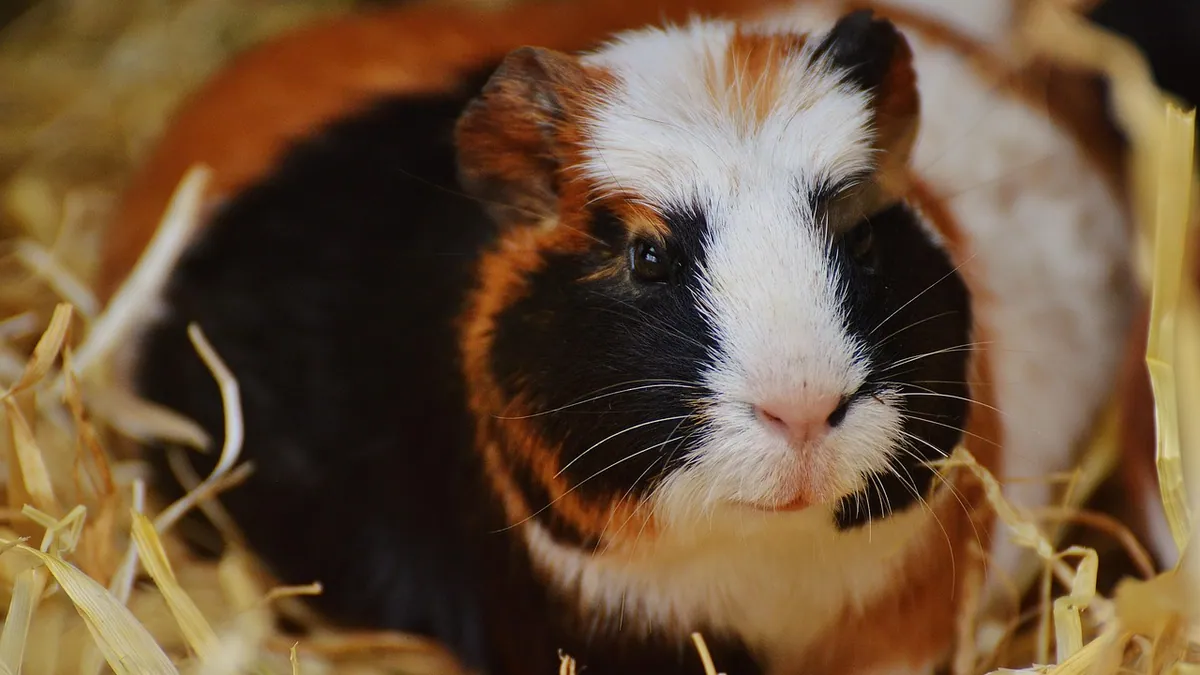
Why is my guinea pig laying on its side? In most cases, a guinea pig that stretches out on its side is simply relaxed and comfortable. Guinea pigs rest in many positions, and a floppy side-lying pose with a calm, alert animal is usually nothing to worry about. The picture changes when your guinea pig cannot right itself, is limp, breathing hard, or seems unaware of its surroundings. That is a medical emergency.
This article is educational and is not a substitute for veterinary diagnosis or treatment.
Quick Answer
- A relaxed guinea pig may lie on its side with its legs stretched out, especially in a warm, quiet spot. It should still lift its head, blink, and respond to you.
- A guinea pig that stays on its side and cannot get up is in lateral recumbency, which is a sign of serious illness or injury.
- Heat stroke, shock, severe pain, and neurologic problems are the most common dangerous causes.
- If your guinea pig is limp, unresponsive, gasping, or having seizures, treat it as an emergency and call a veterinarian right away.
- Never force food, water, or medication into the mouth of a guinea pig that cannot hold its head up.
What Side-Lying Looks Like and What Is Normal
Guinea pigs are prey animals, so they hide illness well. When they feel safe, they can look surprisingly flat and sprawled. A relaxed guinea pig on its side often has soft, relaxed muscles, normal breathing, and a quick response when you approach or offer food. Many guinea pigs flop onto one side after a meal or during a nap in a favorite hide.
Normal side-lying has these features:
- The guinea pig can roll back onto its feet within a second or two.
- Breathing is quiet and steady.
- The eyes are open or half-closed, and the animal reacts to sound or touch.
- The body feels warm but not hot, and the gums are a healthy pink.
A guinea pig that is truly unable to right itself looks different. The body may be stiff or completely limp. The head may tilt or press against the floor. Breathing may be fast, noisy, or labored. The animal may not respond when you call or touch it. This is the pattern that needs urgent help.
A calm guinea pig is generally easy to examine, and a hand on the rump or around the shoulders is often enough to keep it still [1]. If your guinea pig fights restraint, cries out, or seems painful when handled, stop and let a veterinarian examine it [1].
Why Is My Guinea Pig Laying on Its Side? Main Causes
The table below lists the most common reasons a guinea pig ends up on its side. Urgency is based on how fast the animal needs to be seen.
| Cause | Typical clues | How urgent |
|---|---|---|
| Relaxed resting | Calm, responsive, gets up easily, normal breathing | Not urgent |
| Heat stroke | Heavy panting, drooling, hot body, lying flat in a warm room | Emergency now |
| Shock | Pale gums, cold limbs, weak pulse, limp body, recent injury or illness | Emergency now |
| Severe pain | Grinding teeth, hunched or rigid posture, crying, not eating | Same day or emergency |
| Gut problems (bloat, torsion) | Sudden belly swelling, no droppings, acute pain, no walking | Emergency now |
| Neurologic disease | Head tilt, circling, rolling, seizures, one-sided weakness | Emergency now |
| Weakness from illness | Weight loss, poor appetite, dull coat, slowly worsening | Same day |
| Pregnancy or birth complications | Female with a large belly, straining, no progress | Emergency now |
Heat Stroke
Guinea pigs handle cold better than heat. A guinea pig that lies flat and pants in a warm room may be overheating. Signs include drooling, fast noisy breathing, a hot body, and a guinea pig that will not move even when nudged. Move the animal to a cool area and call a veterinarian immediately. Do not plunge it into cold water.
Shock
Shock means the body is not delivering enough blood to the organs. It can follow an injury, a severe infection, or a sudden illness. A guinea pig in shock may be limp, have pale or white gums, and feel cool to the touch. This is a life-threatening state and needs emergency care.
Severe Pain
Guinea pigs in pain often go quiet and still. Some lie on their side and grind their teeth. Pain assessment in guinea pigs is still limited, and grimace scales and in-clinic pain scales have not been developed for the species [2]. That means owners and veterinarians must rely on behavior, posture, and appetite. A guinea pig that stops eating and lies flat is telling you something is wrong.
Gut Problems
A guinea pig with acute abdominal pain may refuse to walk and lie on its side. In one reported case, a guinea pig with a mesenteric and jejunal torsion had acute abdominal pain, anorexia, and no ambulation for 12 hours [3]. Radiographs showed gastric dilation and dilated small intestine, and ultrasound found a twisted bowel loop [3]. This kind of problem is fatal without surgery, so sudden belly pain plus side-lying is an emergency.
Neurologic Disease
Head tilt, rolling, circling, and seizures point to a problem in the brain or inner ear. A guinea pig that rolls onto its side and cannot stop may have a neurologic or vestibular disorder. These animals need prompt veterinary care.
Weakness From Chronic Illness
Sometimes a guinea pig lies on its side because it is simply too weak to stand. Dental disease, heart disease, and long-term poor nutrition can all cause this. The decline is usually gradual, with weight loss and a poor appetite before the side-lying starts.
Red Flags That Make It an Emergency
Call an emergency veterinary hospital right away if your guinea pig shows any of these signs:
- Cannot or will not get up when nudged
- Breathing is fast, open-mouthed, noisy, or labored
- Gums are pale, white, blue, or gray
- Body feels cold, or the animal is limp
- Seizures, rolling, or a sudden head tilt
- A swollen, tight belly with no droppings
- Heavy panting in a warm environment
- Bleeding, a fall, or a known injury
- A pregnant female straining with no babies delivered
Guinea pigs are small and can decline fast. A guinea pig that was fine this morning can be critical by evening. When in doubt, call the vet.
Safe Things You Can Do at Home While You Wait
You cannot treat most of these causes at home, but you can keep your guinea pig stable until you reach the vet.
- Keep it quiet and warm. Place the guinea pig in a small carrier with soft bedding and a towel over the top to reduce stress.
- Do not force food or water. A guinea pig that cannot swallow can choke or inhale fluid into the lungs.
- Check the gums. Gently lift the lip to look at the color. Pink is normal. Pale, white, or blue is an emergency.
- Cool a hot guinea pig slowly. Move it to a shaded, air-conditioned room. Offer a cool (not cold) damp towel to lie on. Do not use ice water.
- Note the timeline. Write down when the side-lying started, what else you saw, and whether the guinea pig ate or passed droppings. This helps the veterinarian.
- Call ahead. Emergency clinics need to know a guinea pig is coming so they can prepare.
Do not give any medication unless a veterinarian prescribes it. Pain medication doses for guinea pigs are often extrapolated from other species because validated values are limited [2]. Your veterinarian will calculate the right drug and dose from your pet's weight and health.
What Your Veterinarian Will Check and Test
A veterinarian will start with a distant examination to watch your guinea pig's movement, mentation, breathing rate and effort, and overall demeanor [1]. Then comes a hands-on physical examination. Guinea pigs are usually docile and need only minimal restraint, so the exam is often quick and gentle [1].
Expect the vet to check:
- Gum color, hydration, and capillary refill time
- Heart rate, breathing rate, and body temperature
- Belly palpation for pain, gas, or a mass
- Teeth and mouth for dental disease
- Neurologic function, including head position and balance
- Weight and body condition
Depending on findings, the vet may recommend blood work, radiographs, or ultrasound. Imaging can reveal problems like gastric dilation, dilated bowel loops, or a twisted intestine [3]. If your guinea pig needs surgery, the vet will discuss anesthesia risk and pain control. Guinea pigs can safely have a small amount of blood drawn for testing, roughly 5 to 7 mL/kg total [1].
Treatment depends on the cause. Heat stroke needs cooling and fluids. Shock needs intravenous or intraosseous fluids and support. Pain needs appropriate analgesia. Gut torsion needs surgery. Your vet will explain the options and the likely outcome.
Prevention and Monitoring
Good husbandry lowers the risk of many emergencies. A large survey of guinea pig caretakers found that most kept their animals in self-built enclosures or fenced floor areas with enrichment and balanced nutrition [4]. The same survey found that individual housing and no constant access to hay were linked to poorer welfare [4]. Guinea pigs are social animals, and eating and resting next to a companion happened several times a day for most animals in that survey [4].
Practical steps:
- Keep the cage out of direct sun and away from heat sources.
- Provide constant access to fresh hay and clean water.
- House guinea pigs in compatible pairs or groups when possible.
- Offer a hide and safe enrichment so your guinea pig can rest without stress.
- Weigh your guinea pig weekly. A drop of 10 percent or more is a reason to call the vet.
- Watch for changes in appetite, droppings, and activity. These often show up before side-lying does.
- Schedule routine checkups, especially for older guinea pigs or those with dental history.
If you are thinking about adding another small pet to your home, our guide on guinea pig vs rabbit explains the differences in care. For housing and companionship details, see guinea pig companionship and housing needs. And if you keep other animals, our article on why your chickens stopped laying eggs covers a common poultry problem.
Limitations and When to Contact a Veterinarian
This article cannot tell you what is wrong with your specific guinea pig. Only a veterinarian who examines your pet can do that. Use the timing below as a guide.
Contact a veterinarian the same day if your guinea pig:
- Lies on its side but can still lift its head and respond
- Has a poor appetite or has stopped eating
- Has soft or fewer droppings than usual
- Seems weak or unsteady but is not in distress
Go to an emergency clinic now if your guinea pig:
- Cannot get up at all
- Is limp, cold, or unresponsive
- Breathes with an open mouth or makes noise with each breath
- Has pale, white, or blue gums
- Has a swollen belly, seizures, or heavy bleeding
- Is a pregnant female straining with no progress
Schedule a routine visit if your guinea pig:
- Has slowly lost weight over weeks
- Has occasional wobbling or a mild head tilt
- Has dental or appetite changes that come and go
Call your veterinarian whenever you are unsure. A phone call costs nothing and can save your guinea pig's life.
Frequently Asked Questions
Is it normal for guinea pigs to lay on their side?
Yes, it can be normal. A relaxed guinea pig often stretches out on one side with soft muscles and steady breathing. The key difference is that a healthy guinea pig can get up quickly and responds to you. If it cannot right itself, that is not normal.
My guinea pig is laying on its side and won't move. What should I do?
Treat this as an emergency. A guinea pig that will not move when nudged may be in shock, pain, or heat stroke. Keep it quiet and warm, check the gum color, and call an emergency veterinary clinic right away.
Why is my guinea pig falling on its side?
Falling or rolling onto one side points to a neurologic or balance problem. Inner ear disease, brain disease, and seizures can all cause this. A guinea pig that keeps falling needs to be seen by a veterinarian promptly.
Can heat stroke make a guinea pig lie on its side?
Yes. Heat stroke is a common and dangerous cause of side-lying in guinea pigs. Signs include heavy panting, drooling, a hot body, and refusal to move. Move the guinea pig to a cool area and seek emergency care at once.
How can I tell if my guinea pig is in pain?
Guinea pigs in pain often go quiet, stop eating, grind their teeth, or hold a hunched or rigid posture. Pain scales for guinea pigs are not well developed, so owners must watch behavior and appetite closely [2]. Any sudden change in posture or eating deserves a veterinary visit.
Related Articles
- Guinea Pig vs Rabbit: Which Pet Is Right for You?
- Guinea Pig Companionship and Housing Needs
- Guinea Pig Social Needs: Pair Housing, Introductions, and Signs of Conflict
- Guinea Pig Lying on Its Side and Twitching
- Why Is My Guinea Pig Always Laying Down?
- Why Is My Guinea Pig Dragging Its Back Legs?
References
- Restraint and Physical Examination of Guinea Pigs - Exotic and Laboratory Animals. Merck Veterinary Manual.
- Pain management in pet guinea pigs (Cavia porcellus): a review of limitations of current knowledge and practice. Veterinary anaesthesia and analgesia, 2025.
- Radiographic and Ultrasonographic Findings of a Segmental Mesenteric and Jejunal Torsion in a Guinea Pig. Veterinary radiology & ultrasound : the official journal of the American College of Veterinary Radiology and the International Veterinary Radiology Association, 2025.
- Guinea Pig (Cavia porcellus) Welfare: Associations Between Husbandry Practices, Human-Animal Interactions, and Animal Behaviour. Animals : an open access journal from MDPI, 2025.