Why Is My Guinea Pig Dragging Its Back Legs?
By Dr. Zubair Khalid, DVM, MS, PhD ·
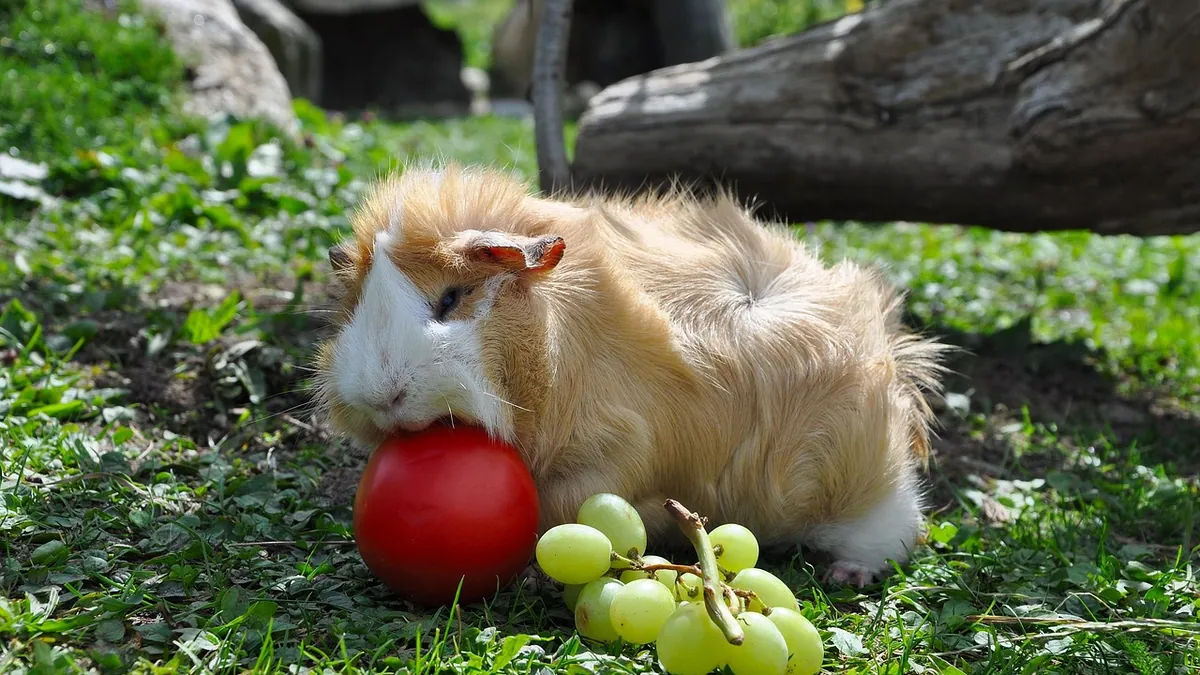
Guinea pigs drag their back legs when the nerves, muscles, joints, or bones that control the hind end stop working normally. The cause can be something as treatable as a vitamin C deficiency or as serious as a spinal injury or fracture. Because guinea pigs hide pain well, hind limb weakness is often a sign that something has been wrong for a while.
This article is educational and is not a substitute for veterinary diagnosis or treatment.
Quick Answer
- Dragging the back legs is never normal in a guinea pig. It always points to a problem with the spine, nerves, muscles, joints, or bones.
- A sudden onset after a fall, a dropped cage, or rough handling suggests injury or fracture, and that is an emergency.
- A slow, progressive weakness is more typical of vitamin C deficiency, spinal disease, or osteoarthritis.
- Guinea pigs are prone to osteoarthritis in their knees, which can cause pain and lameness over time [1].
- Do not wait to see if it improves on its own. Hind limb weakness rarely resolves without treatment, and delay can make some causes permanent.
What Dragging the Back Legs Looks Like
A healthy guinea pig moves with a low, shuffling gait. All four feet bear weight. When your guinea pig walks, the hind legs push off and stay under the body. When it runs or "popcorns," the back end lifts and lands normally.
Dragging looks different. You may see one or both back legs trailing behind the body. The feet may knuckle over or scuff along the floor. Your guinea pig may pull itself forward with the front legs while the back end stays flat. Some guinea pigs stop using the hind legs completely and sit with the rear end slumped to one side.
Watch for these related signs:
- Reluctance to move, or moving less than usual
- Squeaking or crying when picked up or when the hind end is touched
- Soiled fur around the rear end from urine or droppings
- Weight loss or a drop in appetite
- A change in the shape of the spine or a visible tilt
Any of these, combined with dragging, tells you the problem is affecting daily life.
Why Is My Guinea Pig Dragging His Back Legs? The Main Causes
Several conditions can cause hind limb weakness in guinea pigs. Some are painful, some are neurologic, and some are nutritional. The table below groups the most common causes and how quickly you should act.
| Cause | Typical clues | How urgent |
|---|---|---|
| Spinal injury or fracture | Sudden onset after a fall, drop, or struggle during handling. One or both legs affected. Pain when touched. | Emergency now |
| Vitamin C deficiency (scurvy) | Slow onset. Weakness in the hind end, poor coat, reluctance to move, joint swelling, bleeding gums. | Same day |
| Osteoarthritis | Older guinea pig. Stiff, slow, worse after rest. Knee joints commonly affected [1]. | Routine visit, sooner if pain is clear |
| Spinal disease (disc or nerve compression) | Progressive weakness, wobbling, loss of bladder or bowel control. | Same day |
| Infection or abscess near the spine or hind leg | Swelling, heat, discharge, fever, pain on touch. | Same day |
| Trauma from a cage mate or a predator | Wounds, bite marks, hiding, sudden lameness. | Emergency now |
| Metabolic or organ disease | Weight loss, poor appetite, changes in drinking or urination. | Same day |
Injury and Fracture
Guinea pigs have fragile spines and relatively light bones. A short fall from your hands, a drop from a table, or a struggle during nail trimming can injure the spine or fracture a hind leg. The onset is usually sudden. Your guinea pig may scream, then stop using the leg or legs.
Spinal injury is the most feared cause because damaged nerves may not recover. If your guinea pig was fine an hour ago and is now dragging its back legs, treat this as an emergency.
Vitamin C Deficiency
Guinea pigs cannot make their own vitamin C, so they depend on what you feed them. A diet low in fresh vegetables, or pellets that have lost their vitamin C over time, can lead to scurvy. Signs develop over weeks. Hind limb weakness, joint pain, and a rough coat are common.
Scurvy is treatable, but you should not guess the dose. Your veterinarian will calculate the right amount based on your guinea pig's weight and health.
Osteoarthritis and Joint Disease
Guinea pigs are recognized models for osteoarthritis research because they develop it naturally in their knees as they age [1]. That means older guinea pigs often have painful joints. The dragging may be mild at first, then worsen. You may notice stiffness when your guinea pig first wakes up, or a reluctance to climb ramps.
Joint injections used in research carry a risk of pain, lameness, or infection if the technique is poor [1]. This is a reminder that joints are delicate, and any joint problem deserves a proper exam.
Spinal Disease and Nerve Compression
The spine can develop disc disease, arthritis of the vertebrae, or nerve compression. The cerebellum, the part of the brain that coordinates movement, has been studied in guinea pigs as a model for neurologic disease [2]. This tells us that guinea pigs can develop neurologic problems that affect balance and coordination.
Signs of spinal disease include wobbling, crossing the back legs, and losing control of the bladder or bowels. These signs need same day care.
Infection and Abscess
An abscess or infection near the spine, hip, or hind leg can cause pain and lameness. In pigs, arthritis is the most common finding in animals culled for lameness, appearing in 45 percent of sows, 67 percent of finisher pigs, and 97 percent of suckling piglets in one study [3]. While that study looked at farm pigs, it shows how often joint infection causes lameness in this family of animals. Guinea pigs can develop similar joint infections after a bite, a scratch, or a fall.
Trauma From Cage Mates or Predators
A fight with a cage mate or a close call with a dog or cat can cause hidden injuries. Check the whole body for wounds, swelling, or tenderness. Even without a visible wound, internal damage can cause hind limb weakness.
Red Flags That Make It an Emergency
Call an emergency veterinary hospital right away if you see any of these:
- Sudden dragging after a fall, drop, or accident
- Crying out or screaming when touched
- One or both back legs completely limp
- Loss of bladder or bowel control
- Open wound, bleeding, or a leg that looks bent the wrong way
- Labored breathing, pale gums, or collapse
- Not eating or drinking for more than a few hours
These signs suggest a serious injury or a rapidly worsening condition. Time matters for the outcome.
Safe Things You Can Do at Home While Waiting
While you wait for your appointment, focus on comfort and safety. Do not try to treat the problem yourself.
- Move your guinea pig to a small, single level enclosure. Remove ramps, huts with steps, and anything it could fall from.
- Use soft bedding such as fleece or paper bedding. This reduces pressure on the hind end and keeps the skin dry.
- Keep food and water within easy reach. A guinea pig that cannot walk may not be able to get to a water bottle, so offer a shallow bowl.
- Check the rear end twice a day. Urine and droppings can burn the skin when a guinea pig cannot move away from them. Gently clean and dry the area.
- Keep the room warm and quiet. Stress makes pain worse.
- Do not give any medication unless your veterinarian prescribes it. Human pain relievers can be toxic to guinea pigs.
If your guinea pig is dragging its hind legs, the same principle applies to other pets with hind limb weakness. You can read more about how these signs are evaluated in dogs in this guide to Why Is My Dog dragging hind legs? Degenerative Myelopathy and Disc Herniation.
What Your Veterinarian Will Check and Test
Your veterinarian will start with a full physical exam. They will watch your guinea pig walk, check the spine for pain or misalignment, and feel the hind legs for swelling, heat, or instability. They will also check the gums, coat, and body condition for signs of vitamin C deficiency.
Depending on what they find, they may recommend:
- X-rays to look for fractures, spinal changes, or joint disease
- Blood work to check organ function and general health
- A neurologic exam to test reflexes, pain sensation, and proprioception (whether the feet know where they are)
- Urine testing if bladder control is affected
- A vitamin C level assessment if scurvy is suspected
Treatment depends on the cause. A fracture may need surgery or strict cage rest. Scurvy needs vitamin C supplementation at a dose your veterinarian calculates. Arthritis may need pain management and joint support. Spinal disease may need anti-inflammatory medication and rest.
Your veterinarian will also talk with you about prognosis. Some guinea pigs recover fully. Others need long term care or a cart for mobility. The earlier the diagnosis, the better the chance of a good outcome.
Prevention and Monitoring
You can lower the risk of some causes of hind limb weakness with daily care.
- Feed a diet rich in vitamin C. Offer fresh bell peppers, parsley, and leafy greens daily. Check pellet expiration dates, because vitamin C degrades over time.
- Handle your guinea pig with both hands supporting the chest and hind end. Never pick it up by the scruff or let it dangle.
- Keep the cage safe. Avoid high ramps, wire floors, and gaps where a leg could catch.
- Provide a large enough enclosure. Guinea pigs need room to move, and cramped housing increases the risk of fights and injuries.
- Watch for early signs. A slight stiffness or a slower walk is easier to treat than full dragging.
- Schedule routine checkups, especially for guinea pigs over three years old. Arthritis and spinal changes are more common with age.
If you notice your guinea pig limping on a front leg instead, that is a different problem with its own causes. This article on Why Is My Dog Limping On The Front Leg explains how front limb lameness is assessed in another species, and the same logic of early evaluation applies.
Limitations and When to Contact a Veterinarian
This article gives general information, not a diagnosis. Every guinea pig needs an individual exam, and only a veterinarian who sees your pet can determine the cause and treatment.
Contact a veterinarian the same day if your guinea pig is dragging its back legs, even if it seems comfortable. Go to an emergency hospital immediately if the dragging started suddenly, followed a fall, or comes with crying, wounds, or loss of bladder control. A routine visit is fine for a slow, mild stiffness in an older guinea pig, but do not wait weeks to book it.
Frequently Asked Questions
Can a guinea pig recover from dragging its back legs?
Yes, some guinea pigs recover, but it depends on the cause. A vitamin C deficiency or a mild soft tissue injury can improve with treatment. A severe spinal injury or fracture may leave permanent weakness. Early veterinary care gives the best chance of recovery.
Is dragging the back legs a sign of pain?
Often, yes. Arthritis, fractures, and infections are painful. Guinea pigs may not cry out, so dragging can be the main clue that something hurts. A veterinarian can assess pain and provide safe relief.
Should I give my guinea pig extra vitamin C right away?
Do not guess the dose. Too much vitamin C can cause digestive upset, and too little will not fix the problem. Ask your veterinarian for the correct amount based on your guinea pig's weight and condition.
Can I wait a few days to see if it gets better?
No. Hind limb weakness rarely improves on its own, and some causes get worse with delay. If the onset was sudden, go now. If it came on slowly, call your veterinarian today for advice.
Does dragging the back legs mean my guinea pig is dying?
Not necessarily. Many guinea pigs live for months or years with managed hind limb weakness. The key is finding the cause and treating what can be treated. A veterinarian can give you a realistic picture of your guinea pig's quality of life.
Related Articles
- Guinea Pig Not Using Back Legs: Causes and Urgency
- Guinea Pig Not Using One Leg: Limping Causes Explained
- Why Is My Guinea Pig Jumping and Running Around?
References
- Micro-Computed Tomography Analysis of the Knee in Aged Dunkin-Hartley Guinea Pigs after Intra Articular Injection. Journal of visualized experiments : JoVE, 2024.
- Design-based stereological study of the guinea-pig (Cavia porcellus) cerebellum. Journal of anatomy, 2021.
- Pathological and bacteriological findings in sows, finisher pigs, and piglets, being culled for lameness. Porcine health management, 2025.