How to Help a Guinea Pig Gain or Lose Weight
By Dr. Zubair Khalid, DVM, MS, PhD ·
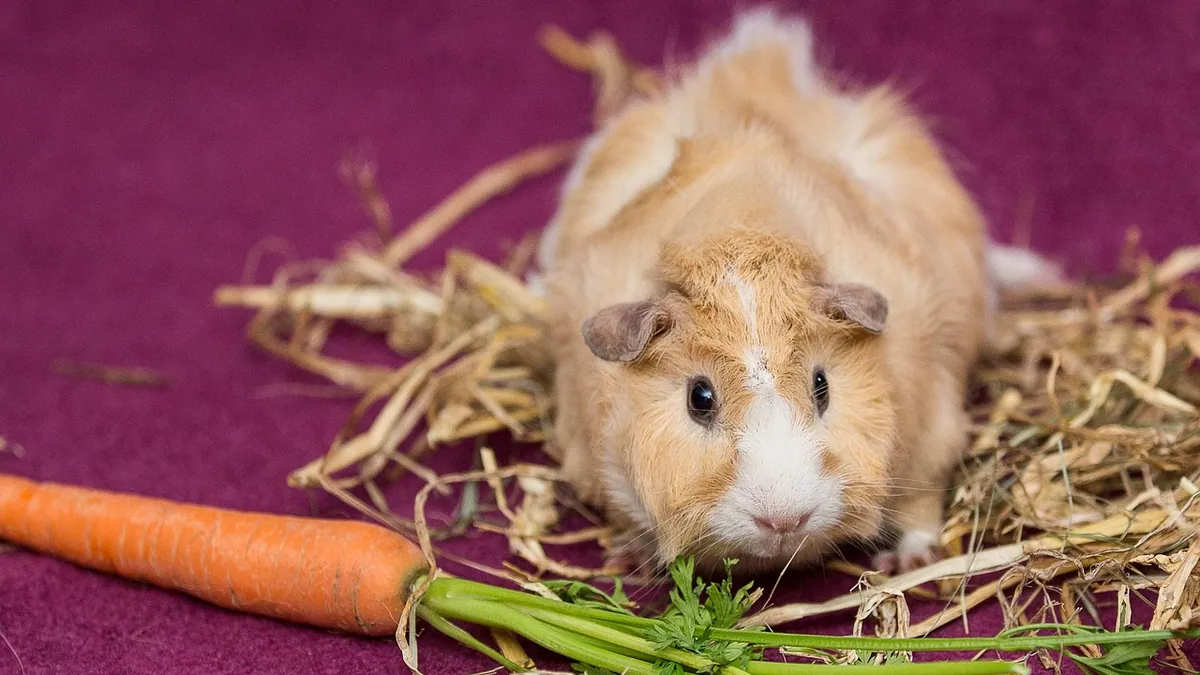
Guinea pigs gain weight when they eat more calories than they burn, and they lose weight when the opposite happens. To help a guinea pig gain weight, you first need to know whether the change is normal growth, a diet problem, or a sign of illness. This article is educational and is not a substitute for veterinary diagnosis or treatment.
Quick Answer
- Weigh your guinea pig weekly on a kitchen scale and write down the number. A steady trend matters more than a single reading.
- Hay should be the main food, with about 2 tablespoons (1/8 cup) of high-fiber, low-carb pellets daily and small amounts of vegetables [1].
- Guinea pigs cannot make their own vitamin C and need at least 10 mg per kg of body weight each day, so a deficiency can cause weight loss and appetite loss [2].
- Sudden weight loss, a rough coat, or a guinea pig that stops eating needs a veterinarian, often the same day.
- Obesity is common in pet guinea pigs, with 23% of guinea pigs in one clinic survey scoring as overweight, so weight gain is not always good news [3].
How to Tell If Your Guinea Pig's Weight Is Healthy
You cannot judge weight by looks alone. Guinea pigs are compact and covered in fur, so a heavy guinea pig and a bloated one can look similar.
Use two tools together. First, a digital kitchen scale that reads in grams. Second, a body condition score, which is a hands-on check of fat cover over the spine and ribs.
Weighing Your Guinea Pig at Home
Weigh at the same time of day, ideally before the first big meal. Use a bowl or a small box on the scale so your pet cannot jump off. Record the weight in grams every week.
A healthy adult guinea pig usually weighs somewhere around 700 to 1,200 grams, but size varies with breed, sex, and age. Your veterinarian can tell you what range is right for your individual pet.
Watch the trend, not one number. A drop of 50 grams or more, or any steady decline over two or three weeks, deserves a call to your vet.
Body Condition Scoring
Run your fingers along the spine and ribs. You should feel the bones under a thin layer of fat, like the back of your hand. If the bones feel sharp and prominent, your guinea pig is too thin. If you cannot feel them at all, your guinea pig is likely overweight.
One survey of pet guinea pigs found that 23% were overweight, and male guinea pigs were more likely to be underweight [3]. Both ends of the scale are a problem.
Step-by-Step: How to Help a Guinea Pig Gain Weight
If your guinea pig is thin but otherwise bright and eating, work through these steps with your veterinarian.
Step 1: Rule Out Disease First
Weight loss in guinea pigs is often a symptom, not a diet issue. Dental disease, vitamin C deficiency, and other illnesses all cause weight loss [2]. A guinea pig that is losing weight needs a veterinary exam before you change the diet.
Signs that point to illness include drooling, dropping food while chewing, diarrhea, rough coat, and lameness [2]. Any of these means a vet visit, not a feeding trial.
Step 2: Fix the Basics of the Diet
A healthy guinea pig diet is built on grass hay such as timothy or orchard grass, offered free choice in a rack to keep it clean and dry [1]. Hay wears down the teeth and provides the fiber your pet needs for digestion [1].
Add about 2 tablespoons (1/8 cup) of good-quality pellets daily [1]. Choose pellets high in fiber and low in carbohydrates. Alfalfa-based pellets suit young, growing, or pregnant guinea pigs, while adult guinea pigs do better on timothy-based pellets with less calcium [1].
Offer a variety of high-fiber pellets, small amounts of vegetables, and limited fruit [1]. If you are switching foods, do it slowly, because guinea pigs form food preferences early and may refuse new items [1].
Step 3: Cover Vitamin C
Guinea pigs cannot make vitamin C and must get it from food [2]. A deficiency can cause appetite loss, dental problems, weakness, and weight loss [2].
The daily need is at least 10 mg per kg of body weight, and pregnant females need 30 mg per kg per day [2]. Because most guinea pigs weigh around 1 kg, giving 10 mg per guinea pig daily is safe, and 30 mg is safe for a pregnant female [2].
Vitamin C in pellets breaks down with heat, light, and moisture, so a bag that has sat for months may not deliver what the label promises [2]. Ask your veterinarian how to supplement, and never guess at a dose.
Step 4: Support Eating Without Overfeeding
If your vet confirms your guinea pig is healthy but underweight, the goal is more calories from the right foods, not free access to sugary treats. Extra pellets and a small amount of safe vegetables can help. Fruit should stay limited [1].
Some medications can suppress appetite and cause weight loss in guinea pigs, and appetite stimulants exist for other species [4]. Whether any of these are appropriate for your pet is a decision your veterinarian makes based on the exam, the diagnosis, and your guinea pig's weight. Do not give any medication without veterinary direction.
For a broader look at what belongs on the plate, see What Guinea Pigs Can and Cannot Eat and Guinea Pig Diet Food.
How to Help a Guinea Pig Lose Weight
Overweight guinea pigs face real welfare problems, and excess fat makes grooming, movement, and breathing harder [3]. If your vet confirms your guinea pig is overweight, the fix is portion control plus activity.
Cut the Extras, Not the Hay
Hay stays unlimited. It is the foundation of the diet and the fiber source your guinea pig needs [1]. What you trim is pellets, fruit, and any sugary treats.
Measure pellets with an actual measuring spoon instead of pouring freehand. The target is about 2 tablespoons daily for a normal adult [1]. Your vet may suggest a slightly smaller amount for weight loss.
Increase Movement
Scatter vegetables around the enclosure so your guinea pig has to walk to find them. Move hideouts and water bottles to different corners. Offer supervised floor time in a safe, guinea pig proofed area.
Track the Change Slowly
Weigh weekly and aim for a gentle downward trend. Rapid weight loss is dangerous for guinea pigs, so if the number drops fast, call your vet.
If you want to understand how weight management works in another species, the principles in Dog Weight Management: How to Help Your Dog Lose Weight Safely and Why Is My Dog Gaining Weight? translate well to portion control and activity.
Weekly Weight and Care Checklist
| Task | How Often | What to Record |
|---|---|---|
| Weigh on a kitchen scale | Weekly, same time of day | Weight in grams |
| Body condition check | Weekly | Spine and rib feel, 1 to 5 scale |
| Fresh hay check | Daily | Hay rack full, hay dry and clean |
| Pellet measurement | Daily | About 2 tablespoons (1/8 cup) [1] |
| Vitamin C source | Daily | At least 10 mg per kg [2] |
| Vegetable serving | Daily | Small amount, varied [1] |
| Teeth and drool check | Weekly | Drooling, dropping food, trouble chewing [2] |
| Nail and coat check | Monthly | Rough coat, lameness, skin problems [2] |
How to Help a Senior Guinea Pig Gain Weight
Older guinea pigs lose weight for many of the same reasons younger ones do, plus a few extra ones. Dental wear, arthritis that makes reaching food painful, and slower digestion all play a role.
Weigh senior guinea pigs more often, ideally twice a week. A senior guinea pig that is losing weight needs a veterinary exam to check the teeth, joints, and overall health before you assume it is just age.
Keep hay available at all times, and consider placing it in more than one spot so your pet does not have to travel far [1]. Soft, easy-to-chew vegetables can help a guinea pig with dental discomfort keep eating. Ask your vet about vitamin C dosing for a senior pet, since the daily requirement is at least 10 mg per kg [2].
For a full care routine across life stages, see the Complete Guinea Pig Care Guide.
Signs That Something Is Wrong
Weight change is a signal. These signs tell you what kind of signal it is.
Signs of Illness
- Weight loss with a rough coat, lameness, or diarrhea points to vitamin C deficiency [2].
- Drooling, dropping food, or chewing on one side suggests dental pain.
- Sudden illness with weakness or bleeding under the skin is an emergency [2].
- A guinea pig that stops eating entirely can decline quickly and needs same-day care.
Signs of a Diet Problem
- Weight gain with a soft, round belly and no felt ribs suggests overfeeding of pellets or treats.
- Weight loss with normal behavior and a good appetite may mean the diet is too low in calories or the pellets are stale.
- Refusing new foods is common because guinea pigs form preferences early [1]. Introduce changes slowly.
Signs of Normal Growth
Young guinea pigs gain weight steadily as they grow. Pregnant females gain weight too, and their vitamin C needs rise to 30 mg per kg per day [2]. Your veterinarian can confirm pregnancy and set a feeding plan.
Common Mistakes Owners Make
Changing the diet before seeing a vet. Weight loss is often a symptom of disease, including vitamin C deficiency [2]. Diet changes alone will not fix an infection or a bad tooth.
Free-feeding pellets. Pellets are a measured part of the diet, about 2 tablespoons daily, not an unlimited buffet [1]. Unlimited pellets plus hay plus treats adds up fast.
Skipping hay because pellets seem more nutritious. Hay is the main food and the fiber source for proper digestion, and chewing it wears down the teeth [1]. Pellets do not replace hay.
Relying on pellets for vitamin C. The vitamin C in pellets degrades with heat, light, and moisture and can drop sharply within a few months [2]. A fresh supplement or fresh food source matters.
Guessing at supplement doses. Vitamin C needs are measured per kilogram of body weight, and the safe daily amount is at least 10 mg per kg [2]. Your veterinarian calculates what your individual pet needs.
Ignoring slow weight gain in an adult. A guinea pig that keeps gaining may be heading toward obesity, which harms welfare [3]. Measure portions and keep activity up.
Weighing by hand or by eye. You cannot feel a 30 gram change by holding your pet. A kitchen scale and a written log catch problems early.
Supplies and Setup That Support a Healthy Weight
Your enclosure and feeding setup do a lot of the work. Get these basics right.
A digital kitchen scale. It should read in grams and handle at least 2 kg. This is the single most useful tool for tracking weight.
A hay rack. Offering hay in a rack keeps it clean and dry, which matters because damp hay gets refused [1]. Refused hay means less fiber and fewer calories.
Measuring spoons. Use a real tablespoon or 1/8 cup measure for pellets so the portion stays consistent [1].
A pellet storage plan. Buy smaller bags and store them sealed, away from heat and light, because vitamin C degrades with heat, light, and moisture [2].
A water source that stays clean. Fresh water supports digestion and overall health. Check bottles and bowls daily.
Safe vegetables and limited fruit. Variety keeps the diet interesting and covers nutrients, but fruit stays a small part of the total [1].
A quiet, draft-free enclosure. Stress can suppress appetite in guinea pigs, and stress-related appetite loss and weight loss are recognized problems in the species [4]. A calm space supports normal eating.
A written log. Track weight, appetite, droppings, and any new symptoms. This record helps your veterinarian spot patterns quickly.
Limitations and When to Contact a Veterinarian
No article can tell you what is happening inside your individual guinea pig. Weight change has many causes, and only a veterinarian who examines your pet can sort them out.
Contact a veterinarian the same day if your guinea pig:
- Has lost 50 grams or more, or has been losing weight for two or more weeks
- Has stopped eating or is eating far less than usual
- Has diarrhea, drooling, or trouble chewing
- Has a rough coat, swollen joints, or lameness, which can signal vitamin C deficiency [2]
Seek emergency care immediately if your guinea pig:
- Is weak, collapsed, or unable to stand
- Is bleeding under the skin or from any body opening [2]
- Has sudden severe illness with no appetite and no droppings
Schedule a routine visit if your guinea pig:
- Is gaining weight and you cannot feel the ribs or spine
- Is a senior and losing weight slowly
- Needs a diet plan, a vitamin C plan, or a pregnancy check
Bring your weight log to the appointment. It gives your veterinarian a timeline that a single exam cannot provide.
Frequently Asked Questions
Why is my guinea pig not gaining weight even though it eats well?
A guinea pig that eats but stays thin may have dental pain, a vitamin C deficiency, or another underlying illness that prevents proper digestion or absorption. Pellets that have lost their vitamin C content over months of storage can also leave a guinea pig undernourished despite a full bowl. Your veterinarian can examine the teeth and run basic tests to find the cause.
How fast should a guinea pig gain weight?
There is no single safe rate, because it depends on age, current weight, and the reason for the weight change. Young guinea pigs gain steadily as they grow, while adults should hold fairly steady. Weigh weekly and let your veterinarian judge whether the pace is appropriate for your pet.
Can I just feed more pellets to help my guinea pig gain weight?
Pellets are a measured part of the diet, not an unlimited food source, and overfeeding them can lead to obesity. Hay should remain the main food, with pellets limited to about 2 tablespoons daily for a typical adult. If your guinea pig needs more calories, your veterinarian can design a plan that adds nutrition without tipping your pet into obesity.
Does a senior guinea pig need a different diet to gain weight?
Senior guinea pigs often need the same balanced diet, with extra attention to dental health and easy access to food. Weight loss in an older guinea pig is more often a sign of a medical problem than a simple calorie shortage. A veterinary exam should come before any diet change.
How do I know if my guinea pig is overweight or just big?
Body condition scoring tells you more than the scale number alone. If you can feel the spine and ribs under a thin fat layer, the weight is likely fine. If the bones are buried and you cannot feel them, your guinea pig is probably overweight and needs a portion and activity plan from your veterinarian.
Related Articles
- Guinea Pig Diet Food
- What Guinea Pigs Can and Cannot Eat
- Complete Guinea Pig Care Guide
- Guinea Pig Breeds Guide
- Why Is My Guinea Pig Losing Weight?
- Guinea Pig Not Eating or Drinking: What to Do
- Why Is My Guinea Pig Not Eating? When to Worry
References
- Diet for a Guinea Pig - All Other Pets. Merck Veterinary Manual.
- Nutritional Problems of Guinea Pigs - All Other Pets. Merck Veterinary Manual.
- Prevalence and awareness of obesity and related husbandry practices in Estonian rabbits, guinea pigs, and rats. Animal welfare (South Mimms, England), 2025.
- The Effect of Capromorelin and Extended-Release Buprenorphine on Body Weight in Guinea Pigs (Cavia porcellus). Journal of the American Association for Laboratory Animal Science : JAALAS, 2026.