Chinchilla Healthy Weight: Body Condition and Weight Charts
By Dr. Zubair Khalid, DVM, MS, PhD ·
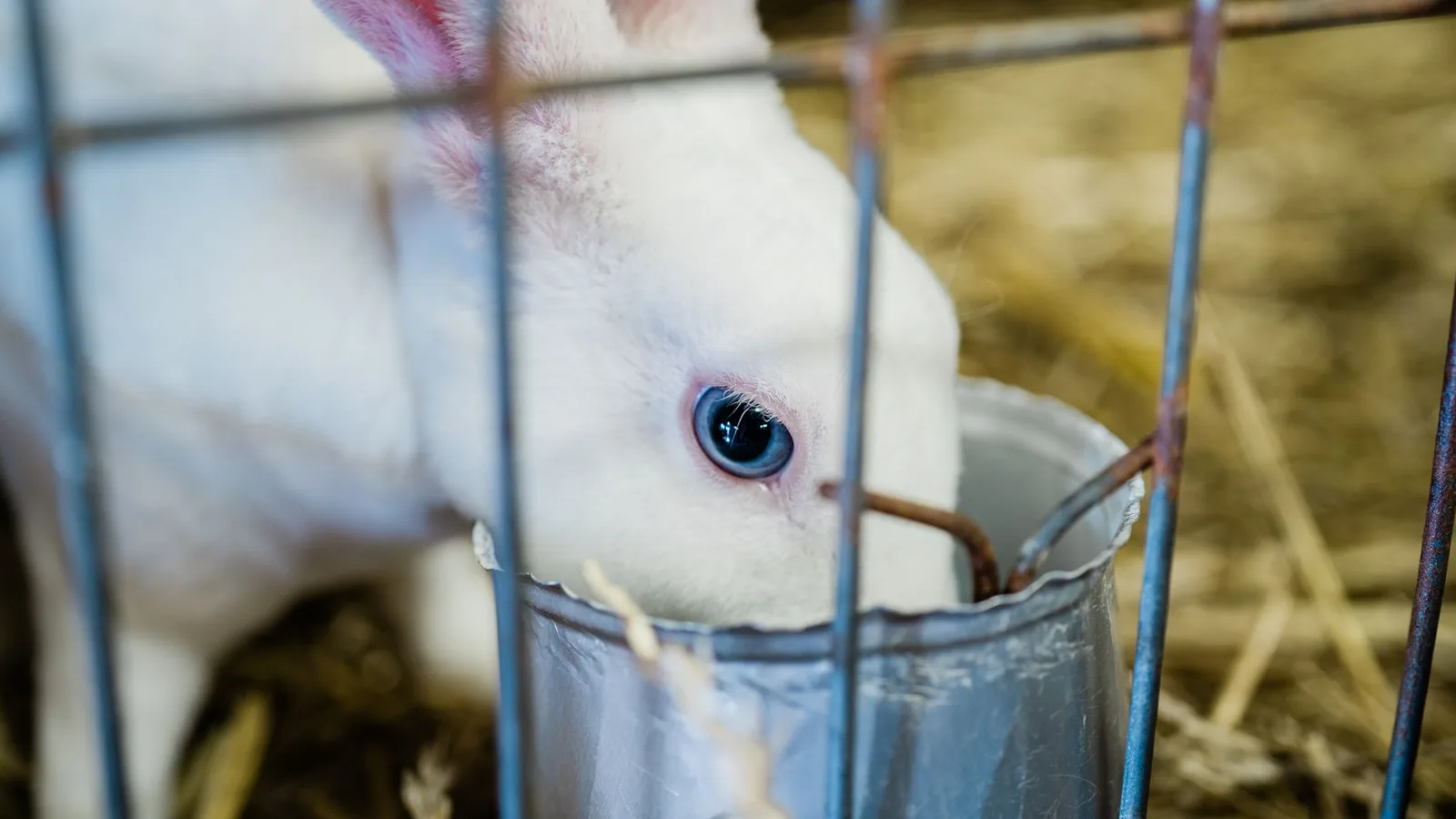
A chinchilla healthy weight is not a single number you can copy from a chart. It is the weight at which one individual animal carries moderate fat cover over the spine and hips, eats and drinks normally, moves well, and holds steady on a trend line you have recorded over months. The chart is a tool for seeing that trend. On its own, it cannot tell you what your chinchilla should weigh.
That distinction matters because chinchillas vary widely in frame size, and a thick coat hides the body underneath. A figure borrowed from another owner's animal can push you to restrict food in a large, healthy chinchilla or to miss slow weight gain in a small one. The approach that works uses three things together: a gram scale, a hands-on body condition assessment, and a written record.
This article is educational and is not a substitute for veterinary diagnosis or treatment.
At a Glance
| Task | What to do | How often |
|---|---|---|
| Weigh the animal | Use a digital scale that reads in grams. Same scale, same time of day, chinchilla inside a container on the platform | On a schedule your veterinarian sets. Weekly or monthly suits many adult chinchillas |
| Score body condition | Feel the spine, ribs, and hips, then look at the outline from above | At every weighing |
| Log the result | Date, weight, condition note, appetite, water intake, activity | Every time you weigh |
| Audit the diet | Measured staple ration. Review extras and treats with your veterinarian | Every few months, and after any weight change |
| Check water delivery | Bottle or bowl working, water fresh, intake roughly stable | Daily |
| Review housing | Enough space and complexity to move, climb, and chew | Continuously |
| Book a recheck | Weight trend and body condition reviewed by a veterinarian | At the interval your veterinarian recommends |
Chinchilla Healthy Weight: The Three Things That Define It
Weight charts are popular because a number feels objective. In practice, a single reading on a kitchen scale carries a lot of noise. It reflects gut contents, how much the animal drank before stepping on the platform, and which scale you used. Over weeks and months, that noise averages out and a real trend appears. That trend is the first of the three things that define a healthy weight.
The second is body condition. This is a hands-on rating of how much fat cover sits over the bony landmarks you can feel through the coat, mainly the spine, the ribs, and the pelvis. Most veterinarians score body condition on a numbered scale, and different clinics use different scales. The number is shorthand. What matters is that the same trained hands score the same animal the same way over time.
The third is function. A chinchilla at a healthy weight eats steadily, drinks steadily, moves around the enclosure, grooms, reacts to its environment, and behaves like itself. A chinchilla carrying too much weight often slows down and rests more. A chinchilla that is losing weight or underweight may eat less, drink differently, or become quiet and withdrawn. None of these observations diagnoses anything on its own, but together they tell you when to call a veterinarian.
Husbandry reviews of chinchillas describe the species as vulnerable to disease when the diet is wrong, which is one reason weight and feeding are worth tracking together rather than separately [1]. A chinchilla that gains weight on a diet of energy-dense extras is a chinchilla whose diet needs a conversation, not just a smaller scoop of the same food.
Why the Scale Alone Can Mislead
Chinchillas are built for cold, dry, high-altitude environments, and their coat is correspondingly dense. You can look at a chinchilla every day and not notice that its outline has changed, because the fur keeps its shape. Owners who rely on visual impressions alone commonly miss both gain and loss until the change is significant.
Daily weight also swings for ordinary reasons. A large meal, a long drink, a warm room, or a different scale can each move the number enough to look alarming. That is why a chart built from one reading is worse than no chart at all. A chart built from consistent readings taken the same way each time is one of the most useful records you can keep for a small mammal.
A third factor is growth. Young chinchillas gain steadily as they mature, so an upward line in a juvenile is expected and a flat line is the concern. Adults should hold roughly steady. Older animals may lose some muscle and padding as they age. The same chart shape means different things at different life stages, and your veterinarian is the person who interprets it in context.
How Much Should a Chinchilla Weigh?
There is no universal answer. Adult chinchillas differ in frame size, and published descriptions of the species cover multiple breeds and coat colors, with animals varying in size and build [1]. A weight that is ideal for one chinchilla may be thin for a second and heavy for a third.
The most useful reference is your own animal's healthy adult weight. That figure is established by weighing a chinchilla that your veterinarian has examined and scored as being in good condition. Once you have that baseline, the chart becomes a drift detector. You stop asking "is this number right" and start asking "is this number moving."
For a chinchilla you have just acquired, the first step is a wellness examination with body condition scoring. Ask your veterinarian to record the weight, the score, and a target band for that specific animal. Write all three into your chart. That single appointment gives every future weighing a context.
Building a Weight Chart That Actually Works
A useful chart has more columns than most owners expect. Weight alone tells you what happened. Appetite, water, and activity help explain why.
| Date | Weight (g) | Body condition note | Appetite | Water intake | Activity | Notes |
|---|---|---|---|---|---|---|
| Example | 512 | Spine easy to feel, hips rounded | Normal | Normal | Normal | New bag of hay opened |
Rules that make the chart trustworthy:
- Use one scale. Switching between scales, including between the kitchen scale and the clinic scale, introduces differences that are not real.
- Weigh at the same time of day, ideally before the main feed rather than after it.
- Record the raw number in grams, not a rounded estimate.
- Write the date every time. A row of weights with no dates is nearly useless.
- Note anything unusual that day, including a new food, a move to a new enclosure, a heat wave, or a veterinary visit.
- Bring the chart to appointments. A veterinarian can read six months of trend in about ten seconds, and it changes the conversation.
A paper notebook works. A spreadsheet works. A notes app works. The format does not matter. The consistency does.
How to Weigh a Chinchilla at Home
- Choose a digital kitchen scale with a flat platform and a display that reads in grams, ideally to the nearest gram.
- Set the scale on a hard, level surface, not on carpet.
- Place a shallow plastic container or a sturdy bowl on the platform and press the tare button so the display reads zero.
- Put the chinchilla in the container. Most animals settle in a few seconds. Do not chase or scruff the animal to get it there.
- Wait for the reading to hold steady. If the chinchilla is bouncing, wait and read again.
- Record the weight immediately, before you put the animal back.
- Repeat once if the reading looked unstable. If the two readings differ a lot, note both and average them.
- Return the chinchilla to its enclosure calmly and let it settle.
Chinchillas are fast and can jump. A container with a low rim is usually easier and safer than holding an animal in your hands on the platform, because a struggling chinchilla is hard to weigh accurately and can be dropped. If your chinchilla will not tolerate a container, ask your veterinarian or technician to show you a handling method that suits the animal. Husbandry reviews of chinchillas cover handling technique for the species [1], and a short demonstration is worth more than trial and error.
Chinchilla Body Condition Score: What Your Hands Are Checking
A chinchilla body condition score is a rating of fat cover, and it is assigned by feel, not by sight. Most veterinarians use a numbered scale, often a 1 to 5 or a 1 to 9, where the middle numbers represent ideal condition. The exact scale matters less than the consistency, because the score is compared against itself over time.
Your hands are checking three areas:
- The spine. Run your fingertips along the back. In ideal condition the vertebrae are detectable under a smooth layer of tissue, like fingers over a padded surface. If the individual bones feel sharp and prominent, the animal has little fat cover. If you cannot find the spine at all, the cover is heavy.
- The ribs. Rest your hands on the sides of the chest. In ideal condition the ribs are felt with light pressure but are not visible or sharply defined. Heavy cover means you need firm pressure to find them.
- The hips and pelvis. With your hands over the hindquarters, the bony points should feel rounded rather than angular. Deep hollows beside the spine at the hips suggest undercondition. Filling and padding over the pelvis and the base of the tail suggests overcondition.
Then look from above. A chinchilla in good condition has a gentle taper from the shoulders toward the hindquarters, with a slight waist. A heavy chinchilla spreads outward at the middle. A thin chinchilla looks narrow.
| Zone | What your hands notice | What it means |
|---|---|---|
| Below ideal | Spine and ribs feel sharp, hips feel angular, waist is pronounced | Needs veterinary assessment. Weight loss has many causes and not all are dietary |
| Ideal | Spine and ribs felt easily under smooth cover, hips rounded, gentle taper from above | Continue routine weighing |
| Above ideal | Spine and ribs hard to find, padding over hips and tail base, body spreads at the middle | Discuss a weight plan with your veterinarian |
This table organizes what you feel. It does not replace your veterinarian's score. The best use of it is to bring specific observations to an appointment. If you are unsure where your chinchilla sits, ask your veterinarian to score the animal in front of you, then put your hands where theirs were. That one lesson is worth more than any chart printed on a webpage, including this one.
Is My Chinchilla Overweight?
The honest answer for most owners is that you cannot tell from across the room. Chinchilla fur hides ribs and hips, and a round silhouette is normal for the species. The question is answered by palpation, a recorded weight trend, and a veterinarian's assessment.
Some observations are worth logging and reporting:
- The chinchilla spends less time moving around the enclosure than it used to.
- It pauses or hesitates when climbing to a favorite ledge.
- It seems to struggle to reach around its body when grooming.
- It tires quickly during out-of-cage time.
- It gains weight steadily over several months while eating the same routine.
- It has become less interested in activity and more interested in food.
A word of caution on the first item. Chinchillas rest for most of the day by nature. A study of farmed female chinchillas found the animals spent about 68 percent of the day resting and 23 percent in locomotion [2]. A chinchilla lying stretched out for hours is behaving like a chinchilla. The signal you are looking for is a change from that animal's own normal, not a low activity level compared with a dog.
Two other situations deserve a veterinary visit rather than a diet. A sudden weight gain in a female chinchilla housed with a male may reflect pregnancy, and chinchillas have reproductive physiology and reproductive diseases that differ from those of more familiar pets [1]. And a chinchilla that gains weight while eating less, or that develops a swollen abdomen, needs an examination rather than a calorie cut.
How to Help a Chinchilla Lose Weight
Weight loss in a small mammal is a veterinary project, not a home experiment. Chinchillas have limited reserves and can decline quickly when food intake drops, so the plan should be built with a veterinarian who has examined the animal.
1. Get a baseline and a target
Book an examination first. Your veterinarian will score body condition, record the weight, check the teeth and general health, and set a target weight and a rate of loss. Teeth problems and other medical issues can look like weight problems, and they need to be ruled out before any feeding change.
2. Audit the diet, starting with the extras
Feeding errors are a recognized cause of disease in chinchillas [1]. Ask your veterinarian to review everything the animal eats in a week, including treats, table food, and anything shared with other pets. Energy-dense extras are usually the first thing to remove. Keep the staple ration measured and consistent so you know exactly what the animal receives each day.
3. Never withhold food
A chinchilla that stops eating is an emergency, not a diet plan. Do not cut the ration to nothing, do not skip feeding days, and do not use fasting as a weight-loss tool. Any reduction in the amount fed should come from your veterinarian, in writing, with a recheck date.
4. Change the environment before you change the ration further
Activity in a chinchilla is largely a function of how much room and complexity its enclosure provides. In the study of farmed chinchillas, animals housed in larger cages with deep litter floors showed significantly less timid reactions to people than animals in standard cages [2]. That finding is about fear and behavior, and it reinforces a practical point. Housing shapes what a chinchilla does all day.
Practical changes to discuss with your veterinarian:
- More floor space and more vertical layering so the animal climbs rather than steps.
- More complexity: platforms, tunnels, and safe items to chew.
- Feeding methods that make the animal work for part of its ration, such as spreading a portion of the hay or pellets in several locations.
- Supervised time outside the enclosure in a safe, chinchilla-proofed area.
5. Keep the water flowing and watch intake
Water and feed intake are linked, and the ratio between them is a meaningful measurement in small mammal practice [3]. Chinchillas are among the species where individual water intake varies widely, and adequate water supply matters for urinary health [3]. Check the bottle or bowl every day, confirm the mechanism is working, and note any change in how much the animal drinks. A chinchilla that suddenly drinks much more or much less needs veterinary attention.
6. Weigh on a fixed schedule and log it
Weekly weighing is enough for most adult animals, and more frequent weighing may be advised during an active weight program. Use the same scale and the same routine each time. Weight loss should be gradual. If your chinchilla is losing faster than your veterinarian intended, or losing weight without a change in feeding, call the clinic rather than adjusting the plan yourself.
7. Attend the recheck
A weight program without a recheck is guesswork. Your veterinarian will compare the new weight and score against the baseline, decide whether the plan needs adjustment, and confirm that the animal remains healthy while losing weight.
What About the Chinchilla That Is Underweight?
Underweight chinchillas need a different plan. Weight loss can reflect dental disease, digestive disease, pain, stress, social problems in group housing, or a simple shortage of food. A chinchilla that has lost weight should be examined rather than fed more and monitored. Do not assume a thin chinchilla is simply a small one until a veterinarian has scored it.
Equipment and Supplies
| Item | Selection criteria | Why it matters |
|---|---|---|
| Digital scale | Flat platform, gram display, stable reading, tare function | Consistency. A scale that rounds to the nearest 10 g hides real change |
| Weighing container | Shallow, stable, easy to clean, big enough for the animal to stand | Safer and more accurate than holding the animal |
| Record | Notebook, spreadsheet, or app with date, weight, and notes | Turns single readings into a trend |
| Enclosure | Adequate space and complexity, with climbing and chewing opportunities | Housing is the main driver of daily activity [4][2] |
| Water bottle or bowl | Working, clean, checked daily | Water intake is part of the picture [3] |
| Food scale or measuring scoop | Consistent portion size | Allows a measured ration rather than an estimate |
Common Mistakes
Judging weight by appearance. Dense fur hides the outline of the spine and hips. Hands and a scale do the job that eyes cannot.
Weighing at random times. A reading taken after a large meal is not comparable with one taken before breakfast. Pick a routine and keep it.
Changing scales. A different scale can differ by enough to look like a trend. Use one scale at home.
Treating one reading as a trend. Two readings a week apart are noise. Six readings over six weeks are data.
Restricting food without veterinary input. This is the most dangerous mistake on the list. Chinchillas can become seriously ill when intake drops.
Assuming a big chinchilla is obese. Frame size varies. A large animal in good condition is not a patient.
Assuming a small chinchilla is fine. Some small animals are thin. Body condition, not the number, separates the two.
Ignoring slow gain. A few grams a month adds up. The chart exists to catch exactly this pattern.
Skipping the wellness exam. A score from a veterinarian at the start gives every later number a reference point.
Troubleshooting
The weight is dropping and the chinchilla is eating normally. Book a veterinary appointment. Weight loss with normal appetite has medical causes and should not be managed by increasing food at home.
The weight is stable but the body feels different. Fat and muscle can change while the scale stays flat. Report what your hands notice at the next appointment.
The weight jumps between weighings. Check your routine first: same scale, same surface, same time of day, same container. If the readings still swing widely, bring the log to your veterinarian.
The chinchilla refuses food. This is urgent. A chinchilla that stops eating can deteriorate quickly and needs same-day veterinary attention.
The chinchilla is drinking much more than usual. Note the change and call the clinic. Water intake varies between individual chinchillas, but a marked change from that animal's own baseline is worth investigating [3].
The chinchilla is quieter and less interactive. Behavior is one of the main ways owners judge health and welfare at home [4]. A sustained behavior change belongs in a veterinary conversation, especially alongside a weight change.
The chinchilla lives in a group and one animal is gaining. Group feeding makes portion control difficult. Ask your veterinarian about feeding strategy, and watch the group for competition and bullying around food.
Welfare and Safety Points
Weight management sits inside a larger welfare picture. A survey of 723 small mammal owners, including chinchillas, found that the availability of suitable enclosures was the main barrier to good housing, while most owners were willing and able to provide good welfare [4]. In other words, the limiting factor is usually the setup, not the owner's intent. If your chinchilla needs to move more, the enclosure is the first place to look.
That same work examined how owners assess health and welfare at home and found that behavioral indicators were the most commonly used signals [4]. This is worth building on deliberately. Log behavior alongside weight, because the two together are more informative than either alone.
Safety points for anyone handling a chinchilla for weighing or scoring:
- Work at floor level or over a padded surface, since a chinchilla can jump and slip from a table.
- Never pick up a chinchilla by the tail or the scruff at home. Ask your veterinarian to demonstrate a safe hold.
- Keep sessions short. A thirty-second weighing is better tolerated than a five-minute examination.
- Do not chase an unwilling animal around the enclosure. Wait, try again later, or weigh during a quiet period.
- Keep the room cool and quiet. Chinchillas do not tolerate heat well, and a warm room is a stressor as well as a health risk.
Limitations and When to Contact a Veterinarian
Charts and condition scores are tools for monitoring. They do not diagnose disease, and individual animals need a veterinarian's assessment. Contact a veterinarian promptly if you notice any of the following:
- Weight loss of any noticeable amount, especially over weeks rather than months.
- Weight loss accompanied by a reduced appetite or a refusal to eat.
- A chinchilla that has stopped producing droppings or is straining.
- Drooling, difficulty chewing, or dropping food while eating.
- A swollen or hard abdomen.
- A sudden change in water intake, up or down.
- Labored breathing, a nasal discharge, or a change in breathing noise.
- A marked and sustained change in behavior, including hiding, aggression, or loss of interest in surroundings.
- A female chinchilla with sudden weight gain that could be pregnant.
- A weight program that is not producing the expected result at the agreed recheck.
For general reference, the Merck Veterinary Manual's exotic and laboratory animal section and the VCA Animal Hospitals small mammal guides are reasonable starting points when you want background reading between appointments. They do not replace an examination.
Frequently Asked Questions
How much should a chinchilla weigh?
There is no single correct number, because adult chinchillas vary in frame size and build [1]. Your veterinarian should establish a target band for your individual animal after a physical examination and body condition score.
Is my chinchilla overweight if it looks round?
Not necessarily. Chinchillas are naturally rounded, and the dense coat hides the underlying shape. Overweight is determined by hands-on body condition scoring and a recorded weight trend, not by appearance alone.
What is a chinchilla body condition score?
It is a hands-on rating of fat cover over the spine, ribs, and hips, usually recorded on a numbered scale. Your veterinarian assigns the number, and the value of the score comes from comparing the same animal over time.
How often should I weigh my chinchilla?
Follow the schedule your veterinarian sets. Many owners weigh adult chinchillas weekly or monthly and more often during an active weight program. Consistency in timing and equipment matters more than frequency.
Can I put my chinchilla on a diet at home?
Only with veterinary supervision. Chinchillas can decline quickly when food intake drops, so the plan should come from a veterinarian who has examined the animal and set a target weight and recheck date.
Why did my chinchilla lose weight suddenly?
Sudden weight loss has many possible causes, including dental disease, digestive disease, pain, and stress. A chinchilla that loses weight needs an examination rather than a change in feeding.
Do chinchillas need exercise to stay lean?
Chinchillas are active animals that rest for much of the day. Their daily movement depends heavily on how much space and complexity their enclosure provides, so housing is the first thing to review when activity is low [4][2].
Does a healthy chinchilla sleep a lot?
Yes. Resting through much of the day is normal chinchilla behavior [2]. The signal to watch for is a change from your animal's own normal pattern, especially when it happens alongside a weight change.
Sources
- Guinea pig and chinchilla care and husbandry.
- The effects of age, size, and cage complexity on the behaviour of farmed female chinchillas (Chinchilla lanigera).
- Water consumption in small mammals (dwarf rabbits, Guinea pigs and chinchillas): New data about possible influencing factors.
- Small mammal owners' experiences of housing challenges and animal welfare: A COM-B and word frequency analysis.