Do Gerbils Fight or Eat Each Other? Social Behavior Explained
By Dr. Zubair Khalid, DVM, MS, PhD ·
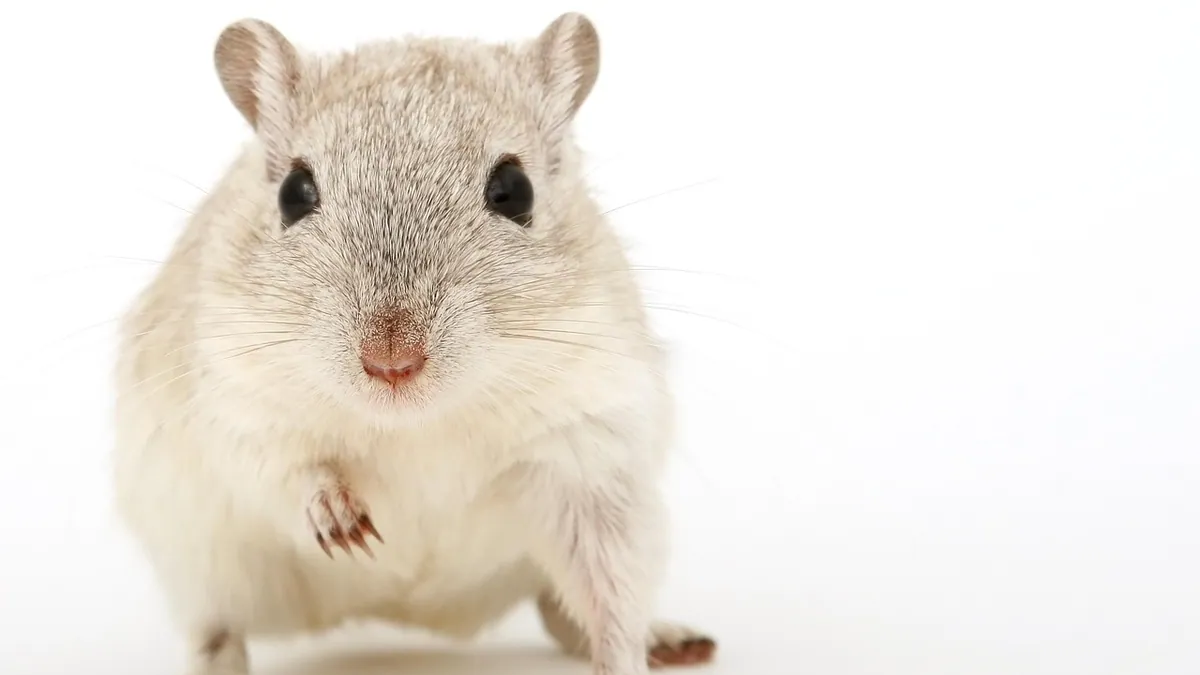
Do gerbils eat each other? In most cases, no. Gerbils are social rodents that usually live together peacefully, and biting or chasing is often normal communication instead of a fight to the death [1]. True cannibalism does happen, but it is almost always limited to parents eating their own pups, not adults eating their cage mates.
This article is educational and is not a substitute for veterinary diagnosis or treatment.
Quick Answer
- Gerbils are highly social and generally do best with a companion, so a single gerbil is usually the exception, not the rule [1].
- Most "fighting" you see is wrestling, chasing, or squeaking that ends quickly and leaves both gerbils eating and sleeping normally.
- Adult gerbils rarely eat each other. When gerbils eat other gerbils, it is almost always a parent consuming a pup.
- Real fights involve blood, torn ears or tails, weight loss, or one gerbil hiding and refusing to eat. Separate the pair the same day you see these signs.
- Never punish a gerbil for fighting. Punishment adds stress and makes aggression worse.
Normal Gerbil Social Behavior
Gerbils are not solitary animals by nature. Domesticated Mongolian gerbils (Meriones unguiculatus) are known for a curious, mild temperament, and they do best in the company of other gerbils [1]. That social drive is why owners often see a lot of activity between a pair.
Do gerbils fight each other?
Yes, but most of what looks like fighting is not a real fight. Gerbils use chasing, mounting, scent marking, and short scuffles to sort out who is dominant. In male pairs housed together before sexual maturity, the higher-ranking male scent-marks more often, and that rank stays fairly stable over time [2]. A quick chase or a brief tussle is often just a rank check, not a death match.
Gerbils are also vocal, and their sounds carry meaning. In one study of same-sex encounters, high-frequency calls (above 24.6 kHz) were linked to non-agonistic interactions in 96.2% of cases, while low-frequency calls (below 24.6 kHz) showed up during agonistic interactions about 45% of the time [3]. In plain terms, the squeaks you hear during play or mild squabbles are usually not distress calls.
Do gerbils talk to each other?
Yes. Gerbils communicate with scent, body posture, and sound. Their ventral gland, a bare patch on the belly, releases scent that other gerbils read like a message board. Marking frequency rises with social rank, and dominant gerbils mark more than their cage mates [4]. Early exposure to that gland odor may also make gerbils more responsive to each other later in life, which supports social interaction between gerbils that have not met before [5].
Do gerbils play with each other?
They do interact in ways that look like play. Young gerbils wrestle, chase, and tumble, then stop to groom or eat. Opposite-sex pairs exposed to gland odor early in life showed more social behavior than pairs without that exposure, though fighting frequency did not differ [5]. This is one reason a bonded pair often seems busier and more relaxed than a single gerbil.
Why Gerbils Sometimes Eat Their Pups
Cannibalism in gerbils is real, but it is a pup behavior, not an adult-versus-adult behavior. A mother may eat a litter when she feels unsafe, when the nest is disturbed, when she lacks food or water, or when a pup is stillborn or sick. First-time mothers and very young mothers are more likely to do this.
The fix is environmental, not punishment. Give the pair a quiet tank, a deep bed of bedding, and a covered nest box. Keep handling to a minimum for the first week after birth. Provide fresh food and water daily so the mother is not competing for resources. If a mother eats one litter, she may raise the next one normally once the setup is calmer.
Adult gerbils do not normally eat a dead cage mate, but they may nibble at a body. This is not the same as a fight. Remove the body right away and check the surviving gerbil for wounds.
Medical Causes to Rule Out Before You Blame Behavior
Sudden aggression in a gerbil that was previously calm can have a medical trigger. Pain, skin parasites, dental disease, and respiratory infection all make a gerbil irritable and defensive. A gerbil with matted fur, a hunched posture, or dullness is likely sick, not mean [6].
Check for these before you assume the pair has fallen out:
- Weight loss or a sharp drop in appetite
- Discharge from the eyes or nose
- Diarrhea in the tank
- Limping, hair loss, or a broken tail
- Labored breathing or a clicking sound
Any of these signs means a veterinary visit, not a behavior plan. Treat the medical problem first, then reassess the pair.
When Gerbil Behavior Becomes a Problem
A pair is in trouble when the interactions stop being brief and start causing damage. Watch for these signs:
- Blood on either gerbil, or a visible wound
- A torn ear, a bitten tail, or missing fur patches
- One gerbil cornered, hiding, or refusing to come out for food
- Weight loss in the lower-ranking gerbil
- Constant chasing that lasts for hours with no rest
- A gerbil that sleeps alone when it used to share a nest
Aggression in gerbils is not random. Both males and females show aggressive responses toward intruders, and females that have had litters can be the most aggressive of all [3]. A new gerbil added to an established pair is the most common trigger. Gerbils are territorial, and unfamiliar adults often fight.
What to Do Step by Step
1. Confirm the pair is actually bonded
A bonded pair sleeps together, grooms each other, and eats side by side. If your gerbils do these things, leave them together. Do not separate a happy pair, because gerbils can become depressed and stressed when isolated from a companion [1].
2. Separate only when there is real damage
If you see blood or a gerbil that cannot eat or rest, split the tank the same day. Use a solid divider so they can still smell and see each other. This keeps social contact without injury.
3. Reintroduce slowly if the split was temporary
Clean the tank completely to remove scent. Put both gerbils in a neutral space with no food hoards or favorite hides. Watch for 15 to 20 minutes. If chasing starts and does not stop, end the session and try again another day.
4. Fix the environment
Gerbils need space, deep bedding for burrowing, and more than one hide. Wild Mongolian gerbils dig burrows 2 to 3 feet long in soft soil, so a tank with 6 to 8 inches of bedding lets them express that natural behavior [7]. Add a second water bottle, a second food dish, and a second wheel so no gerbil has to guard a resource.
5. Add enrichment
Chew toys, cardboard tubes, and a running wheel reduce boredom. Bored gerbils pick fights. Rotate toys weekly so the tank stays interesting.
6. Keep the group stable
Gerbils do best when the group does not change. Avoid adding a third gerbil to a bonded pair. If you want a new gerbil, plan a careful introduction with a young gerbil of the same sex, and expect some scuffling while rank is set [2].
If you are managing a multi-pet home, the same principles of resource guarding and slow introductions apply to other species. See Resource Guarding in Multi-Dog Homes: Managing Food and Toy Aggression for a comparison, and Guinea Pig Social Needs: Pair Housing, Introductions, and Signs of Conflict for another small-mammal example.
What Not to Do
Do not punish a gerbil for fighting. Spraying water, yelling, or tapping the tank adds stress and can make aggression worse. Do not pick up a gerbil mid-fight with bare hands, because you will get bitten. Use a cup or a thick towel.
Do not assume a single gerbil is happier. Gerbils are social, and isolation is stressful for most of them [1]. Do not assume two males can never live together either. Male pairs raised together often form stable ranks with little real fighting [2].
Do not believe the myth that gerbils always eat their cage mates. That is not normal adult behavior. If you see an adult gerbil eating another adult, something is seriously wrong, and you should call a veterinarian.
Do not use scent-masking sprays or perfumes to "fix" aggression. Gerbils rely on scent to recognize each other, and covering that scent can make them treat a cage mate like a stranger [5].
When to Involve a Veterinarian or Behavior Professional
Call a veterinarian the same day if a gerbil has a bite wound, is bleeding, or is not eating. Wounds from gerbil bites can abscess, and small rodents decline fast. Call immediately if a gerbil is gasping, limp, or unresponsive.
Schedule a routine visit if you see weight loss, hair loss, or a change in behavior without an obvious fight. A veterinarian can check for dental disease, parasites, and infection, which are common causes of sudden irritability [6].
Ask for a referral to a veterinarian who treats exotic pets if your pair keeps fighting after you have separated, reintroduced, and enriched the tank. Behavior problems in gerbils are often solvable, but they need a hands-on exam and a plan tailored to your animals.
Limitations and When to Contact a Veterinarian
This article covers general gerbil social behavior. It cannot tell you whether your specific pair should stay together. That decision needs a veterinarian who can examine both gerbils, check for wounds and illness, and review your setup.
Contact a veterinarian right away (emergency) if you see:
- Heavy bleeding or a deep wound
- A gerbil that is limp, cold, or struggling to breathe
- A gerbil that has not eaten in 24 hours
- A mother gerbil that is eating pups and appears sick or thin
Contact a veterinarian the same day if you see:
- A bite wound, torn ear, or bitten tail
- One gerbil hiding and refusing food
- Weight loss in either gerbil
- Diarrhea or eye or nose discharge
Schedule a routine visit if the fighting is mild but ongoing, or if you are unsure whether the behavior is normal. Early help is easier than treating a serious wound.
Frequently Asked Questions
Do gerbils eat each other in the wild?
No, adult gerbils do not normally eat each other in the wild. Wild Mongolian gerbils live in burrows and are territorial, but they do not hunt their own kind for food [7]. Cannibalism is mainly a captive pup behavior tied to stress or an unsafe nest.
Can two male gerbils live together?
Yes, two male gerbils can live together, especially if they were raised as a pair. Males housed together before maturity form a stable social rank, and the dominant male scent-marks more often [2]. Real fights between bonded males are uncommon, but introductions of unfamiliar adult males often fail.
Why did my gerbil kill its cage mate?
A sudden killing usually points to a new introduction, a medical problem, or a resource shortage. Gerbils are aggressive toward intruders, and females with litters can be especially aggressive [3]. Check both gerbils for illness and review the tank setup before you try another pairing.
Do gerbils get lonely alone?
Yes, most gerbils are social and do better with a companion [1]. A single gerbil can become stressed, inactive, or destructive. If you must keep one gerbil alone, give it extra handling, enrichment, and a large tank with deep bedding.
How do I know if my gerbils are playing or fighting?
Play and mild rank disputes end quickly, with both gerbils returning to normal eating and sleeping. Real fights cause wounds, weight loss, or one gerbil hiding constantly. If you see blood or a gerbil that will not eat, separate them the same day and call a veterinarian.
Related Articles
- Stereotypic Behaviors in Small Mammals
- Why Are My Gerbils Fighting? Normal or Serious?
- Do Gerbils Need a Friend? Social Needs Explained
References
- Introduction to Gerbils - All Other Pets. Merck Veterinary Manual.
- Scent-marking and sexual activity may reflect social hierarchy among group-living male Mongolian gerbils (Meriones unguiculatus). Physiology & behavior, 2006.
- Vocalization during agonistic encounter in Mongolian gerbils: Impact of sexual experience. PloS one, 2022.
- Social stress decreases marking behavior independently of testosterone in Mongolian gerbils. Hormones and behavior, 2005.
- Effects of early exposure to ventral gland odor on physical and behavioral development and adult social behavior in Mongolian gerbils. Journal of comparative and physiological psychology, 1975.
- Selecting a Gerbil - All Other Pets. Merck Veterinary Manual.
- Gerbils - Exotic and Laboratory Animals. Merck Veterinary Manual.