Can Guinea Pigs Eat Carrots and Other Root Vegetables?
By Dr. Zubair Khalid, DVM, MS, PhD ·
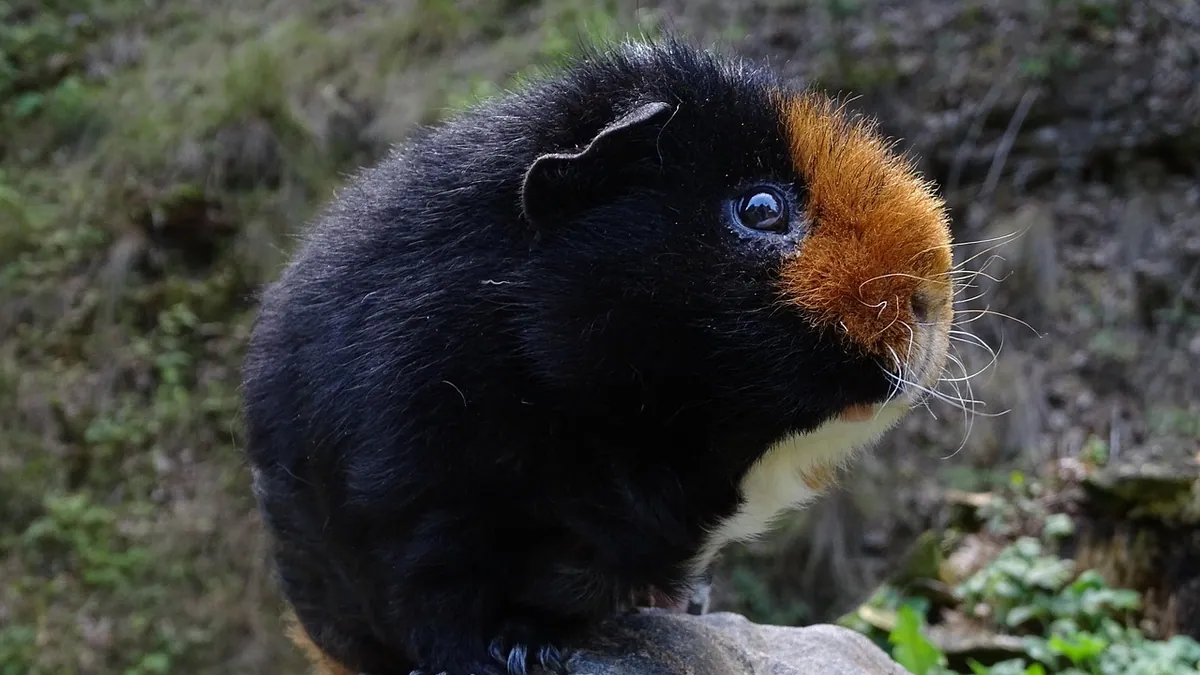
Yes, guinea pigs can eat carrots, but only in small amounts and only as an occasional treat. Carrots are high in sugar, so they should never replace the grass hay and leafy greens that make up the bulk of a healthy diet. This article is educational and is not a substitute for veterinary diagnosis or treatment.
Quick Answer
- Carrots are safe for guinea pigs, but offer only small pieces as treats, not as a daily staple [1].
- Grass hay (timothy or orchard grass) should be the main food and available at all times [1].
- Leafy greens like carrot tops, romaine, and green or red leaf lettuce are good daily vegetables [1].
- Skip iceberg lettuce because it is mostly water and offers little nutrition [1].
- Guinea pigs need at least 10 mg of vitamin C per kilogram of body weight every day, and pellets alone may not cover that need [2].
Can Guinea Pigs Eat Carrots? The Short Answer
Carrots are not toxic to guinea pigs. A small piece of raw carrot is a safe treat for a healthy adult guinea pig. The catch is sugar. Carrots are sweet root vegetables, and the Merck Veterinary Manual lists carrot as a treat to offer only in small amounts because sugary foods can cause digestive upset when overfed [1].
Think of a carrot the way you think of a piece of candy. It is fine now and then. It is not a meal.
The same logic applies to other root vegetables. Parsnips, radishes, and celery are not dangerous in tiny amounts, but none of them should crowd out hay and greens. If you want a broader list of safe and unsafe foods, see What Guinea Pigs Can and Cannot Eat.
What Is in a Carrot?
A raw carrot is mostly water and carbohydrate, with some fiber and a small amount of vitamin C. The fiber is useful, and carrot pomace (the pulp left after juicing) has been studied for its effects on gut bacteria in young pigs, where it increased Bifidobacterium abundance and shifted short-chain fatty acid profiles in a favorable direction [3]. That is a piglet study, not a guinea pig study, so treat it as background information about carrot fiber, not a reason to feed more carrot.
Carrot extract has also shown protective effects on intestinal epithelial cells in laboratory work, largely because of polyphenols such as epicatechin and catechin [4]. Again, this is cell-level research. It does not mean a carrot slice will heal your guinea pig's gut.
The practical benefit of carrot for a pet guinea pig is simple. It is a low-calorie, crunchy treat that many guinea pigs enjoy, and it gives them something to chew. Chewing matters because guinea pig teeth grow continuously, and hay does most of the work of wearing them down [1].
Can Guinea Pigs Eat Tomatoes and Carrots?
Yes, both are safe in small amounts, but they play different roles. Carrot is a sugary root and belongs in the treat category [1]. Tomato is a fruit, and the ripe flesh is fine for most guinea pigs in small pieces. Skip the leaves and stem, which are not food.
Because both are higher in sugar or water than leafy greens, keep the total treat portion tiny. A balanced plate should be mostly hay, then leafy greens, then a small amount of pellets, then treats at the edge.
Can Guinea Pigs Eat Lettuce and Carrots?
Yes, with one important exception. Romaine, green leaf, and red leaf lettuce are good daily greens, and carrot tops (the leafy green part) are also on the recommended list [1]. Carrot itself stays a treat.
Avoid iceberg lettuce. It is mostly water and adds little nutrition [1]. Also limit high-calcium greens such as parsley, kale, and spinach, because excess calcium may contribute to bladder stones [1].
So a good daily bowl might be a couple of lettuce leaves plus a few carrot tops, with one thin carrot coin as the treat on top.
Can Guinea Pigs Eat Radishes and Carrots?
Yes, radishes are safe in very small amounts, and carrots are safe as treats. Radish is a root vegetable with a peppery bite. Some guinea pigs ignore it, and some nibble a slice. Either reaction is normal.
The rule for roots is the same across the board. Small piece, low frequency. A single thin slice of radish or carrot once or twice a week is plenty for most adult guinea pigs. If your guinea pig has never had radish, offer one small piece and watch for soft stool or gas over the next day.
Can Guinea Pigs Eat Celery and Carrots?
Yes, celery and carrots are both safe, but celery needs a little prep. Cut celery into short pieces and consider removing the stringy outer ribs, because long strings can be hard to chew and have been linked to choking risk in small pets. Carrot stays a treat [1].
Celery is mostly water and fiber, so it adds crunch without much sugar. That makes it a reasonable occasional vegetable. It still should not replace leafy greens or hay.
Can Guinea Pigs Eat Parsnips and Carrots?
Yes, parsnips are safe in small amounts, and carrots are safe as treats. Parsnip is a starchy root, so it behaves more like carrot than like lettuce. Offer a thin slice, not a whole parsnip.
If you are building a plate, group parsnip, carrot, radish, and other roots together as the treat corner. They are not the foundation.
Form and Safety Table
| Form | Safe? | Notes |
|---|---|---|
| Raw carrot, small piece | Yes | Treat only, high in sugar [1] |
| Carrot tops (greens) | Yes | Good daily leafy green [1] |
| Cooked carrot | No | Cooking is unnecessary and can add oil or salt |
| Carrot with dressing or sauce | No | Added fat, salt, garlic, or onion can be harmful |
| Carrot juice | No | Concentrated sugar with no chewing benefit |
| Carrot cake or baked goods | No | Sugar, fat, and often xylitol or raisins |
| Radish, thin slice | Yes | Occasional treat |
| Parsnip, thin slice | Yes | Occasional treat, starchy |
| Celery, short piece | Yes | Trim strings to reduce choking risk |
| Tomato, ripe flesh | Yes | Small pieces, no leaves or stem |
| Iceberg lettuce | No | Mostly water, poor nutrition [1] |
Risks of Feeding Carrots and Other Roots
Sugar and digestive upset
The biggest risk with carrot is overfeeding. Sugary foods can cause digestive upset when given too often [1]. Soft stool, gas, and a picky appetite are early signs. A guinea pig that fills up on carrot may eat less hay, and less hay means less tooth wear and less fiber for normal digestion [1].
Choking and blockages
Hard chunks and long celery strings can be a choking hazard. Cut everything into small, thin pieces. Never give a whole carrot. A guinea pig's throat is small, and a piece that is too big can lodge.
Toxic additives
Plain raw vegetables are safe. Prepared foods are not. Watch for xylitol, which is toxic to many small animals, plus salt, garlic, onion, oil, and seasoning. Onion and garlic can damage red blood cells. If a carrot has been cooked in a sauce or mixed into a baked good, do not feed it.
Vitamin C is a separate concern
Carrot is not a good vitamin C source. Guinea pigs cannot make their own vitamin C and need at least 10 mg per kilogram of body weight per day, with pregnant females needing 30 mg per kg per day [2]. Vitamin C in pellets degrades with heat, light, and moisture, so pellets may lose much of it within a few months [2]. Because most guinea pigs weigh around 1 kg, giving 10 mg per guinea pig daily is safe, and 30 mg is safe for a pregnant female [2]. Ask your veterinarian how to supply it in your guinea pig's case.
Signs of vitamin C deficiency include a rough coat, lameness, weight loss, diarrhea, dental problems, swollen joints, bleeding under the skin, and sudden illness [2]. This is a medical problem, not something to fix with extra carrot.
How to Offer Carrots Safely
Start with one thin coin or a short stick, about the size of a thumbnail. Offer it once or twice a week. If your guinea pig tolerates it well, you can keep that amount steady. Do not increase the portion just because your guinea pig begs.
Wash all produce well. Cut pieces small enough to chew easily. Remove uneaten fresh food after a few hours so it does not spoil [1]. Keep hay available at all times [1].
Use a small, heavy ceramic dish for vegetables so it cannot be tipped [1]. Fresh water should always be available.
If you also have a dog at home, do not assume the same rules apply. Carrots are a common treat for dogs, but portions and prep differ. See Can Dogs Eat Carrots and Can Dogs Eat Carrots? Dental Benefits & Raw vs Cooked for the canine side.
Building a Balanced Guinea Pig Veggie Plate
Think in layers.
Layer one is grass hay. Timothy or orchard grass should be the main food and available at all times [1]. This is not optional. Hay drives digestion and wears down teeth.
Layer two is leafy greens. Carrot tops, romaine, and green or red leaf lettuce are good choices [1]. Rotate them so your guinea pig gets variety.
Layer three is a measured amount of guinea pig pellets. Pellets support nutrition but should not replace hay.
Layer four is the treat corner. This is where carrot, radish, parsnip, celery, tomato, and small amounts of high-fiber fruit like apple or pear go [1]. Fruits are high in sugar and can cause digestive upset if overfed [1].
For more on daily feeding, see Guinea Pig Diet Food.
What to Do If Your Guinea Pig Ate Too Much Carrot
If your guinea pig ate a larger piece of plain raw carrot than planned, do not panic. Remove the rest, make sure fresh hay and water are available, and watch the stool for the next 24 hours. Soft stool or gas usually settles with a return to hay and greens.
If your guinea pig ate carrot cake, a seasoned cooked carrot, or anything containing xylitol, garlic, onion, or a lot of fat, call your veterinarian or a pet poison hotline right away. Bring the packaging or a photo of the ingredient list.
If your guinea pig stops eating, drools, paws at the mouth, or seems to be choking, treat it as an emergency.
Safer Alternatives to Carrots
If you want a crunchy treat with less sugar, try a small piece of celery with the strings trimmed, a bite of bell pepper for vitamin C, or a few extra carrot tops. Leafy greens are the best everyday choice [1].
For vitamin C, ask your veterinarian about a plain supplement or a food source that fits your guinea pig's diet. Do not rely on carrot.
Limitations and When to Contact a Veterinarian
This article covers general feeding guidance. Your guinea pig's age, weight, pregnancy status, dental health, and history of bladder stones or digestive problems all change what is safe. Individual cases need a veterinarian who can examine your pet.
Contact your veterinarian the same day if your guinea pig has soft or watery stool, stops eating, seems bloated, or shows a rough coat, lameness, or weight loss [2]. These can signal digestive upset or vitamin C deficiency.
Go to an emergency clinic now if your guinea pig is choking, gasping, drooling heavily, collapsed, or having seizures. Also treat any suspected poisoning as an emergency.
For routine care, schedule a visit if you are unsure how much carrot is too much, if your guinea pig keeps begging for treats, or if you need help planning a balanced diet.
Frequently Asked Questions
Can guinea pigs eat carrots every day?
No. Carrots are a treat food because of their sugar content, so they should be offered only occasionally and in small pieces [1]. Daily vegetables should come from leafy greens like romaine, green leaf lettuce, and carrot tops [1]. If you want to give a daily treat, keep it to one thin slice and adjust based on your guinea pig's weight and stool quality.
Are carrot tops better than the carrot itself?
Yes, for daily feeding. Carrot tops are listed as a leafy green that guinea pigs can eat regularly, while the orange root is a treat [1]. The greens are lower in sugar and fit the daily vegetable portion. Wash them well and remove any wilted or slimy leaves before serving.
Can carrots cause bladder stones in guinea pigs?
Carrots are not the main concern for bladder stones. High-calcium greens such as parsley, kale, and spinach are the ones to limit because excess calcium may contribute to stone formation [1]. If your guinea pig has a history of stones, ask your veterinarian before adding any new vegetable, including carrot.
Do guinea pigs need vitamin C from vegetables?
Yes, guinea pigs cannot make vitamin C and must get it from food or supplements [2]. They need at least 10 mg per kilogram of body weight per day, and pregnant females need 30 mg per kg per day [2]. Carrot is a poor source, so plan vitamin C separately with your veterinarian.
What if my guinea pig refuses hay but loves carrots?
That is a warning sign, not a preference to indulge. Hay should be the main food and available at all times, and a guinea pig that avoids it may be filling up on treats or may have dental pain [1]. Cut back on carrots, offer fresh hay, and call your veterinarian if the refusal continues.
Related Articles
- What Guinea Pigs Can and Cannot Eat
- Guinea Pig Diet Food
- Can Guinea Pigs Eat Zucchini and Squash?
- Can Guinea Pigs Eat Cabbage?
- Can Guinea Pigs Eat Bananas and Other Fruits?
References
- Diet for a Guinea Pig - All Other Pets. Merck Veterinary Manual.
- Nutritional Problems of Guinea Pigs - All Other Pets. Merck Veterinary Manual.
- Effects of Fibrous By-Products on Growth Performance, Ileal Nutrient Digestibility, Intestinal Morphology, and Microbiota Composition in Weaned Piglets. Microorganisms, 2025.
- Assessing the In Vitro Effects of Carrot Pomace Extract on Intestinal Epithelium Integrity and Functions. Antioxidants (Basel, Switzerland), 2026.