Do Rabbits Hibernate? Winter Activity Explained
By Dr. Zubair Khalid, DVM, MS, PhD ·
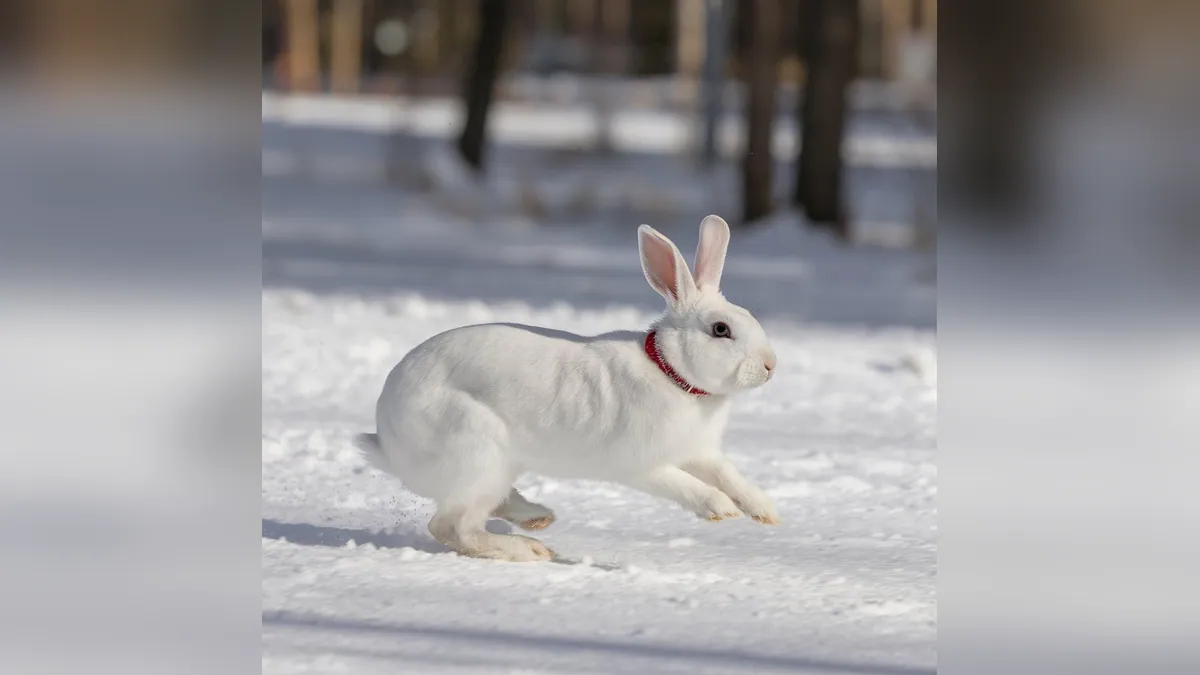
Do rabbits hibernate? No. Rabbits do not hibernate, and they do not enter true torpor at any time of year. Instead, they stay active through winter and rely on thick coats, sheltered burrows or hutches, huddling, and a steady food supply to get through the cold months. This article is educational and is not a substitute for veterinary diagnosis or treatment.
Quick Answer
- Rabbits do not hibernate. They remain awake, eating, and moving all winter, both in the wild and in captivity.
- Wild rabbits use burrows, warrens, and dense brush for shelter, and they grow a heavier winter coat.
- Pet rabbits kept outdoors need a dry, draft-free, predator-proof hutch with bedding and unfrozen water.
- Indoor housing is the safest option in most U.S. climates, and house rabbits now far outnumber hutch rabbits [1].
- Any rabbit that feels cold to the touch, stops eating, or sits hunched and unresponsive needs veterinary care right away.
Do Rabbits Hibernate in the Wild?
No, wild rabbits do not hibernate. They stay active year round. In North America, the wild rabbits and hares you see in winter (cottontails, snowshoe hares, jackrabbits) are out feeding on bark, twigs, buds, and dried grass even in deep snow.
So how do rabbits hibernate, if they do not? They do not. True hibernation means a controlled drop in body temperature, heart rate, and metabolism that lasts for days or weeks. Hibernators like ground squirrels and dormice drop their body temperature dramatically and sleep through the worst of winter [2]. Rabbits never do this. Their body temperature stays stable, and they must keep eating to fuel it.
Some small mammals can be pushed into a torpor-like state. In one experiment, gut bacteria from hibernating marmots transferred into mice triggered a drop in rectal temperature of about 3.7 to 4.6 degrees Celsius, along with slower breathing and lower activity [3]. Another study induced daily torpor in mice through calorie restriction [4]. These are laboratory findings in rodents, not rabbits. They show how hibernation-like states work in other species, and they underline how different rabbits are.
How long do rabbits hibernate? Zero days. There is no hibernation period to measure. A rabbit that becomes cold, still, and hard to rouse is not hibernating. It is hypothermic or critically ill, and that is an emergency.
How Rabbits Actually Cope With Cold
Rabbits are built for cold better than most people expect. A few things work in their favor.
A dense winter coat. Rabbits grow a thicker, longer coat in response to shorter daylight and colder temperatures. Wild rabbits molt into this coat in fall.
Shelter and body heat sharing. Wild rabbits retreat to burrows and warrens, which stay warmer than the surface air. Rabbit pups huddle in the nest, and the pups in the center of the huddle stay warmer than those pushed to the edge [5]. That same huddling instinct shows up in adult rabbits that pile together in cold weather.
Behavioral changes. Rabbits become more crepuscular in winter, feeding at dawn and dusk and resting during the coldest hours. They also eat more to meet the energy cost of staying warm.
A note on reproduction. Cold and short days do affect rabbit biology. In a study of rabbit bucks, environmental factors including photoperiod and the temperature-humidity index influenced semen characteristics and reproductive measures [6]. So winter can suppress breeding drive, but it does not shut the animal down.
What rabbits cannot do is tolerate getting wet and then cold, or sit in a drafty hutch with no bedding. That combination is what actually kills pet rabbits in winter, not the temperature alone.
Winter Housing for Pet Rabbits: A Step-by-Step Setup
If your rabbit lives outdoors, the hutch matters more in winter than at any other time of year. A hutch at the back of the yard that is hard to reach is a real risk, because neglect-related disease is common in rabbits left in distant hutches [1]. Put the hutch where you walk past it every day.
Here is a practical setup sequence.
- Decide indoor versus outdoor. Indoor housing is the safer default in most of the United States. House rabbits now significantly outnumber hutch rabbits, and the indoor setup is the one most often recommended [1]. If you keep your rabbit outside, plan to check on it at least twice a day.
- Move the hutch out of the wind. Place it against a building wall, inside a shed, or in a garage that stays above freezing. Avoid spots that collect rain or snowmelt.
- Insulate and block drafts. Cover the hutch with a breathable cover or blanket, leaving ventilation gaps. Never seal a hutch airtight.
- Add deep bedding. Pack the sleeping area with straw or hay. Rabbits burrow into it and trap their own body heat.
- Keep water liquid. Check the water bottle or bowl several times a day. A frozen bottle means no water, and a rabbit that stops drinking stops eating within hours.
- Feed more, not less. Offer unlimited grass hay and slightly more pellets in cold weather. Hay provides both nutrition and warmth when used as bedding.
- Protect against predators. Raccoons, foxes, hawks, and neighborhood dogs are more desperate in winter. Use hardware cloth, not chicken wire, and secure every latch.
- Give a warm retreat. A nesting box packed with straw gives your rabbit a place to curl up. If you use a heated pad, use a rabbit-safe low-voltage pad and leave room for the rabbit to move off it.
For a deeper look at weatherproofing, predation protection, and thermal pads, see Insulated & Heated Outdoor Rabbit Hutches: Weatherproofing, Predation Protection, and Thermal Pads.
Winter Rabbit Care Checklist
| Task | How often | Why it matters |
|---|---|---|
| Check water is not frozen | 2 to 3 times daily | Rabbits dehydrate fast and stop eating without water |
| Refill hay | Daily, unlimited | Fuels body heat and keeps the gut moving |
| Spot-clean bedding | Daily | Wet bedding loses insulation and causes skin problems |
| Full hutch clean | Weekly | Reduces ammonia and respiratory irritation |
| Weigh or body-check your rabbit | Weekly | Early weight loss is the first sign of a cold-related problem |
| Inspect ears, feet, and coat | Weekly | Frostbite and mats show up here first |
| Confirm predator-proofing | Monthly | Winter predators are bolder and hungrier |
Signs Something Is Wrong in Cold Weather
Rabbits hide illness well, and cold stress makes that worse. Watch for these signs.
- Not eating or no droppings for 12 hours. This is a gastrointestinal emergency in rabbits. Call your vet the same day.
- Cold ears and cold body. A rabbit's ears are a major heat-exchange surface, and anesthetized rabbits lose body heat quickly without active warming [7]. A pet rabbit with icy ears and a cool body is in trouble.
- Hunched posture, squinted eyes, grinding teeth. These are pain or discomfort signals.
- Shivering that does not stop. Brief shivering is normal. Constant shivering means the rabbit cannot stay warm.
- Labored breathing, drooling, or a runny nose. Respiratory disease is more common in damp, poorly ventilated hutches.
- Lethargy or a rabbit that will not respond to you. This is an emergency.
Common Mistakes Owners Make
Mistake 1: Assuming a rabbit will hibernate and "sleep through" winter. There is no hibernation to wait out. A still, cold rabbit is sick.
Mistake 2: Leaving water out to freeze. This is the single most common winter failure. Check water more often than you think you need to.
Mistake 3: Sealing the hutch completely. Rabbits need airflow. A sealed hutch traps ammonia and moisture, which damages the respiratory tract.
Mistake 4: Using a heat lamp. Heat lamps cause burns and fires, and rabbits cannot escape them in a small hutch. Use insulation and bedding instead.
Mistake 5: Skipping daily contact. A hutch at the far end of the yard gets checked less. Bring the hutch close to the house or bring the rabbit inside [1].
Mistake 6: Assuming knowledge equals good care. In a survey of 529 rabbit owners, 85.6 percent rated their own knowledge as high, but that self-rated knowledge did not consistently match the husbandry practices they actually used [8]. Check your setup against a real checklist, not your confidence.
Mistake 7: Forgetting that older rabbits struggle more in cold. Senior rabbits have less fat, less muscle, and more joint stiffness. If your rabbit is getting older, review Rabbit Lifespan and Aging: Caring for Senior Rabbits and How Long Do Rabbits Live as Pets? before winter arrives.
Supplies and Setup Details That Matter for Health
A few items do most of the work in winter.
Grass hay, unlimited. Hay is food, bedding, and insulation at once. A rabbit on a hay-based diet with the right pellet and vegetable balance handles cold far better. For the full picture, see Diet Of A Rabbit.
Straw for bedding. Straw insulates better than hay and does not get eaten as quickly. Use a thick layer in the sleeping area.
A wide, heavy water bowl or a bottle checked often. Bowls freeze slower than bottles in some setups, but bottles stay cleaner. Whichever you use, check it constantly.
A nesting box. A wooden or plastic box packed with straw gives your rabbit a warm microclimate.
Hardware cloth and secure latches. Predator protection is a winter health issue, not just a security one.
A rabbit-safe thermometer or hutch monitor. Knowing the actual temperature inside the hutch helps you decide when to move the rabbit indoors.
A carrier ready to go. If your rabbit needs to come inside fast or go to the vet, you do not want to be hunting for a carrier in the snow.
One more point on heat loss. Rabbits lose body heat through their ears and respiratory tract, and warming inspired air during anesthesia measurably helps maintain their body temperature [7]. In a cold hutch, the same principle applies in reverse. A rabbit breathing cold, damp air loses heat with every breath. Dry air and insulation matter.
Limitations and When to Contact a Veterinarian
This article covers general winter care. Your rabbit's individual situation, age, health status, and climate need a veterinarian's assessment.
Contact a veterinarian the same day if your rabbit:
- Has not eaten or produced droppings for 12 hours
- Feels cold to the touch and is not warming up
- Is shivering constantly or sitting hunched and unresponsive
- Has a runny nose, watery eyes, or labored breathing
- Has pale, blue-tinged, or very red gums
Go to an emergency clinic now if your rabbit:
- Is limp, unresponsive, or cannot stand
- Has a body temperature that feels markedly low and is not improving with warming
- Is gasping or breathing with an open mouth
- Has a suspected injury from a predator
Schedule a routine visit if:
- Your rabbit has lost weight over the winter
- You are planning to keep a rabbit outdoors for the first time
- Your rabbit is a senior or has a chronic condition
- You need help choosing safe bedding, housing, or a winter diet
Never give any medication without veterinary direction. Your veterinarian calculates any dose from your rabbit's weight and health status.
Frequently Asked Questions
Do rabbits hibernate in winter?
No, rabbits never hibernate. They stay awake and active, eating and moving through the coldest months. A rabbit that appears to be sleeping deeply and will not wake is likely hypothermic or ill.
How long do rabbits hibernate?
They do not hibernate at all, so there is no hibernation period. Wild rabbits remain active all winter and rely on shelter, a heavy coat, and constant food intake. Pet rabbits need the same things plus daily care from you.
How do rabbits hibernate if they live outside?
They do not hibernate. Outdoor rabbits survive cold by growing a thicker coat, curling up in insulated bedding, and eating more to generate body heat. They still need unfrozen water, dry shelter, and daily checks.
Can a pet rabbit survive winter in an outdoor hutch?
Some can, in mild climates with a well-built, dry, predator-proof hutch and daily care. In most U.S. climates, indoor housing is safer and is the setup most often recommended. If your rabbit stays outside, check it at least twice a day.
What temperature is too cold for a rabbit?
There is no single cutoff, because coat condition, age, health, and wind and dampness all matter. Watch your rabbit instead of the thermometer. Cold ears, shivering, hunching, or reduced eating mean it is too cold, and you should move the rabbit indoors and call your vet.
Related Articles
- Insulated & Heated Outdoor Rabbit Hutches: Weatherproofing, Predation Protection, and Thermal Pads
- Rabbit Lifespan and Aging: Caring for Senior Rabbits
- How Long Do Rabbits Live as Pets?
- Anesthesia and Analgesia in Rabbits and Rodents
- Diet Of A Rabbit
- Anesthesia for Laboratory Rabbits: Protocols and Monitoring
- How to Care for Rabbits in Winter: Outdoor and Indoor Tips
- Rabbit Temperature Control: Keeping Rabbits Comfortable in Heat and Cold
References
- Housing of Rabbits - Exotic and Laboratory Animals. Merck Veterinary Manual.
- Huddling and food availability shape seasonal torpor and energetics of juvenile garden dormice. iScience, 2026.
- Intestinal bacteria trigger a hibernation-like state in homotherms via the gut-brain axis. NPJ biofilms and microbiomes, 2025.
- Hippocampal neuroimmune response in mice undergoing serial daily torpor induced by calorie restriction. Frontiers in neuroanatomy, 2024.
- Thermal niches within the nest contribute to the long-term development of individual differences in metabolic rate in an altricial mammal. Physiology & behavior, 2026.
- Comparative Evaluation of Sexual Behavior, Semen Characteristics and Environmental Modulation in Local Algerian and New Zealand White Rabbit Bucks. Veterinary sciences, 2026.
- Efficacy of Warmed Inspired Air for Prevention of Perianesthetic Hypothermia in New Zealand White Rabbits (Oryctolagus cuniculus). Journal of the American Association for Laboratory Animal Science : JAALAS, 2025.
- Perceived Rabbit Care Knowledge Does Not Consistently Align with Owner-Reported Husbandry Practices: A Survey of Pet Rabbit Owners in Croatia. Animals : an open access journal from MDPI, 2026.