Do Gerbils Sleep? Sleep Patterns Explained
By Dr. Zubair Khalid, DVM, MS, PhD ·
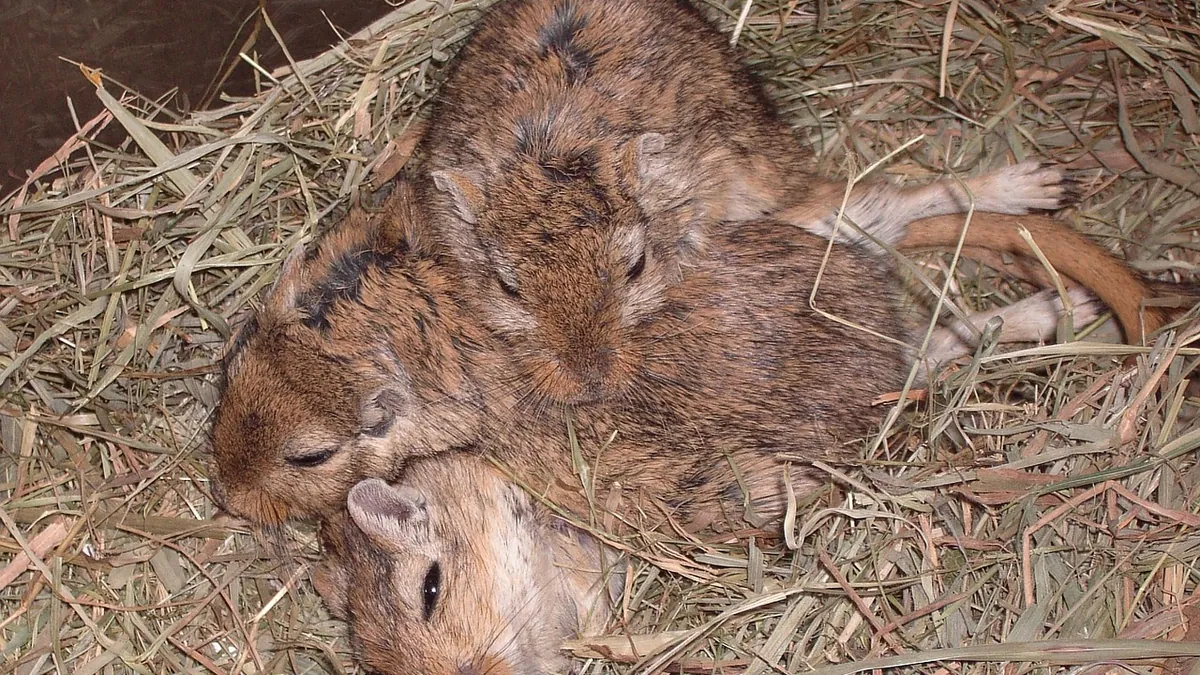
Yes, gerbils sleep, and they do it in short bursts spread across the day and night. Unlike pets that sleep in one long overnight stretch, gerbils nap often and wake up ready to dig, chew, and explore. Understanding normal gerbil sleep patterns helps you tell a healthy rest cycle from a sign of illness.
This article is educational and is not a substitute for veterinary diagnosis or treatment.
Quick Answer
- Gerbils are active in short bursts around the clock, so you will see them nap many times in 24 hours instead of sleeping straight through the night.
- Gerbils are often described as diurnal (day-active) rodents, and they also show activity at dawn and dusk [1].
- Their internal body temperature rhythm runs on a cycle close to 24 hours, which helps set when they rest and when they move [2].
- Sleeping more, sleeping less, or sleeping at odd times can be normal for a day or two, but a lasting change deserves a veterinary check.
- Never wake a sleeping gerbil to play. Let it wake on its own, then offer enrichment when it is active.
Do Gerbils Sleep During the Day?
Yes, gerbils commonly sleep during the day, but not in one long block. Owners often worry when a gerbil is quiet at midday, then busy at 6 a.m. or 9 p.m. That pattern is normal for this species.
Gerbils are frequently grouped with diurnal rodents, meaning they are more active during daylight hours than mice and rats [1]. They still take many naps within those hours. A gerbil may be up for 20 minutes, nap, wake, groom, dig, nap again, and repeat. This burst pattern is one of the most distinctive gerbil sleeping habits.
Because gerbils are social, they often rest in a pile with their cagemates. A gerbil sleeping alone, pressed into a corner, or hidden away more than usual can be normal on a hot day or after a busy play session. If it continues, treat it as a possible health signal.
Gerbil Sleep Patterns: How Much Do Gerbils Sleep?
There is no single number that fits every gerbil. Sleep time varies with age, activity level, temperature, light cycle, and whether the gerbil lives alone or with companions.
What research does show is that gerbil sleep is structured differently from rat sleep. In a study that measured brain activity, gerbils and rats slept a similar total amount during a 6-hour light period, but gerbils had fewer paradoxical sleep (dreaming-type) episodes and longer stretches of synchronized sleep followed by waking [3]. In plain terms, gerbils tend to sleep in longer quiet blocks and wake more completely between them.
Gerbils also have a clear internal clock. Their body temperature follows a circadian rhythm with a period of about 23.8 hours, and that rhythm shifts when their light schedule changes [2]. Light is one of the strongest signals for when a gerbil rests and when it is active. A room that is bright all night, or a cage near a TV that stays on, can scramble that rhythm.
If you want a rough sense of how much a small mammal can sleep in a day, compare with dogs, which sleep far more than most owners expect. You can read more in Why Do Dogs Sleep So Much? Understanding Canine Sleep Patterns and How Many Hours A Day Do Dogs Sleep. The numbers differ by species, but the lesson is the same: sleep needs are species-specific, and normal can look lazy to a human.
Why Gerbils Are Active in Bursts
Natural history
Domesticated gerbils descend from Meriones unguiculatus, rodents native to the deserts of North Africa and central Asia [4]. Desert life rewards animals that move in short, efficient bursts: forage, dig, retreat, rest, repeat. That inherited rhythm still shows up in pet gerbils.
Light and temperature
Gerbils respond to light cycles and to temperature. Their body temperature rhythm is tied to the light-dark schedule, and it shifts when the schedule changes [2]. A cage in a dim, cool room may produce more napping. A warm, bright room may produce more activity.
Social contact
Gerbils are very social and do best with other gerbils [4]. A lone gerbil may sleep more, pace more, or show less interest in toys. Companionship itself shapes daily activity.
Food and hoarding
Gerbils hoard food, and hoarding behavior is tied to season and breeding status in wild-caught animals [5]. In your home, a gerbil that has just stuffed its cheeks and buried a stash may settle in for a long nap. That is normal.
Medical Causes to Rule Out
A change in sleep is sometimes the first thing you notice when a gerbil is sick. Small mammals hide illness well, so subtle shifts matter.
Respiratory disease. Gerbils are prone to respiratory problems. Labored breathing, clicking sounds, or a gerbil that sits hunched and sleepy instead of exploring can point to lung or airway disease.
Dental disease. Overgrown incisors and molar problems cause pain and reduced eating. A gerbil in pain often sleeps more and eats less.
Skin and parasite problems. Hair loss, scabbing, or constant scratching can disrupt rest. Gerbils with irritated skin may nap in short, restless cycles.
Tail slip and injury. Gerbils can lose the skin of their tail if handled roughly or grabbed by the tail. Pain and stress after an injury can change sleep.
Hypothermia or overheating. Gerbils are small and lose heat quickly. A cold gerbil may be sluggish and sleepy. A hot gerbil may sprawl and breathe fast. Both need immediate attention.
Pain from any source. Arthritis, tumors, bladder stones, and abdominal pain all reduce normal activity. A gerbil that stops its usual digging and chewing and just sleeps is telling you something.
Circadian disruption from environment. Constant light at night shifts the body temperature rhythm in gerbils [2]. If the room never gets dark, the gerbil's rest cycle can look wrong even when the animal is healthy.
When Gerbil Daytime Sleep Becomes a Problem
Normal daytime sleep is not a problem. A problem looks different from the gerbil's own baseline.
Watch for these changes:
- Sleeping through times when your gerbil is usually active
- Not waking for favorite treats or fresh food
- Sleeping in the open instead of a nest or hide
- Sleeping alone when it usually piles with cagemates
- Breathing that looks fast, shallow, or labored while resting
- Weight loss, a dull coat, or a hunched posture
- Squinting, drooling, or grinding teeth
- A sudden drop in digging, chewing, or wheel use
One quiet day after a cage change or a vet visit is not alarming. Two or three days of unusual sleep, especially with any other sign, is a reason to call your veterinarian.
What to Do: Step by Step
1. Track the pattern for a few days
Write down when your gerbil is awake, when it sleeps, what it eats, and whether it uses the wheel or digs. A simple log helps your veterinarian see whether the change is real.
2. Fix the light cycle
Give your gerbil a predictable light-dark schedule. Keep the cage out of direct sun and away from lights that stay on all night. A steady cycle supports the natural body temperature rhythm [2].
3. Check the temperature
Keep the cage in a comfortable range away from drafts, radiators, and windows. Small rodents cannot manage extreme heat or cold well.
4. Offer enrichment when the gerbil is awake
Provide deep bedding for tunneling, cardboard tubes, safe chew blocks, and a solid-surface wheel. Gerbils are burrowers, so deep bedding is one of the best enrichments you can give. For a full setup, see the Gerbil Care Guide.
5. Keep companions together when possible
Gerbils do best in the company of other gerbils [4]. If you have a lone gerbil, talk with your veterinarian about safe bonding. Never introduce a new gerbil without a proper introduction plan.
6. Feed a consistent diet
Offer a quality gerbil or small-herbivore pellet plus small amounts of safe vegetables and hay. Sudden diet changes can cause digestive upset, which shows up as lethargy.
7. Handle gently and briefly
Scoop your gerbil with both hands. Never pick it up by the tail. Keep handling sessions short when the gerbil is sleepy.
8. Weigh your gerbil weekly
A kitchen scale that reads in grams works well. Weight loss is one of the earliest signs of illness in small rodents.
9. Call your veterinarian if the change lasts
Do not wait weeks. Early exams are easier on the gerbil and often cheaper than treating advanced disease.
What Not to Do
Do not punish a sleeping gerbil. Waking a gerbil to scold it or to force play does not change sleep behavior. It only causes stress.
Do not assume a gerbil is lazy. Gerbils are not lazy. They are burst-active animals with a different rhythm from yours.
Do not grab the tail. Tail slip is a real and painful injury in gerbils.
Do not use a wire wheel or wire floor. These can trap toes and cause foot injuries. Use a solid-surface wheel and solid flooring.
Do not keep the cage in constant light. Light at night shifts the body temperature rhythm in gerbils [2]. Give a real dark period.
Do not skip the vet because the gerbil is "just sleeping more." In small mammals, lethargy is a common first sign of serious illness.
Do not compare your gerbil to a dog or cat. Different species, different sleep needs. If you are curious how other species compare, see How Long Do Dogs Sleep and Are Frogs Nocturnal? Activity Patterns and Enclosure Lighting.
When to Involve a Veterinarian or Behavior Professional
Call a veterinarian who treats small mammals (exotic or pocket pet practice) if your gerbil's sleep pattern changes and does not return to normal within a day or two. Call sooner if you see breathing trouble, a wound, weight loss, or a gerbil that will not eat.
A certified behavior professional can help if the issue is social, such as fighting between cagemates, bar chewing, or a gerbil that cannot settle. Behavior problems and medical problems can look alike, so start with a veterinary exam to rule out disease.
Limitations and When to Contact a Veterinarian
This article gives general information. Individual cases need a veterinarian who can examine your gerbil, ask about its history, and run tests if needed.
Contact a veterinarian the same day if you see:
- Labored breathing, open-mouth breathing, or clicking sounds
- A gerbil that will not eat or drink
- Weight loss or a visibly thin body
- A hunched posture with squinted eyes
- Diarrhea or no droppings
- A wound, bleeding, or a tail injury
- A gerbil that is cold to the touch and unresponsive
Go to an emergency clinic now if:
- Your gerbil is limp, gasping, or having seizures
- There is heavy bleeding
- Your gerbil was attacked by another animal
- Your gerbil cannot stand or right itself
Schedule a routine visit if:
- Sleep changes last more than two or three days
- Your gerbil is quieter but still eating and drinking
- You notice hair loss, scratching, or a dull coat
- You are unsure whether the behavior is normal
If you suspect poisoning from a plant, household product, or human medication, call the ASPCA Animal Poison Control Center at (888) 426-4435 or the Pet Poison Helpline at (855) 764-7661. These lines may charge a consultation fee.
Frequently Asked Questions
Are gerbils nocturnal?
Gerbils are usually described as diurnal, meaning they are more active during the day, though they also move around at dawn and dusk [1]. They are not strictly nocturnal like many other small rodents. You may still see activity at night, especially in a quiet room.
Why is my gerbil sleeping more than usual?
More sleep can be normal after a cage change, a cold snap, or a busy night of digging. It can also be the first sign of illness, pain, or a disrupted light cycle. If the increase lasts more than a couple of days or comes with weight loss or breathing changes, see a veterinarian.
Should I wake my gerbil to play?
No. Let your gerbil wake on its own, then offer enrichment when it is naturally active. Waking a sleeping gerbil causes stress and does not build trust. Short, gentle handling when the gerbil is already awake works much better.
Do gerbils sleep with their eyes open?
Gerbils usually sleep with their eyes closed, but a resting gerbil may sit with eyes partly open while it is still alert. If your gerbil seems asleep but does not respond to noise or touch, that is a reason to check with a veterinarian. A truly unresponsive gerbil needs urgent care.
Can two gerbils sleep in the same nest?
Yes, gerbils are social and often sleep piled together [4]. Shared sleeping is a good sign of a bonded pair. If one gerbil suddenly sleeps apart from its cagemate, watch for fighting, injury, or illness in the isolated animal.
Related Articles
- Gerbil Care Guide
- Do Gerbils Hibernate? Torpor vs Hibernation Explained
- Do Gerbils Bite? Why It Happens and How to Stop It
- Do Gerbils Have Tails? Shedding, Wagging, and Facts
References
- Light therapy improved depression-like behavior induced by chronic unpredictable mild stress in Mongolian gerbils. Neuroscience letters, 2021.
- Effects of prolonged night-time light exposure and traffic noise on the behavior and body temperature rhythmicity of the wild desert rodent, Gerbillus tarabuli. Chronobiology international, 2021.
- Sleep-wake variables and EEG power spectra in Mongolian gerbils and Wistar rats. Physiology & behavior, 1994.
- Introduction to Gerbils - All Other Pets. Merck Veterinary Manual.
- GnRH expression and cell proliferation are associated with seasonal breeding and food hoarding in Mongolian gerbils (Meriones unguiculatus). Hormones and behavior, 2019.