Do Ferrets Overheat Easily? Heat Safety for Ferrets
By Dr. Zubair Khalid, DVM, MS, PhD ·
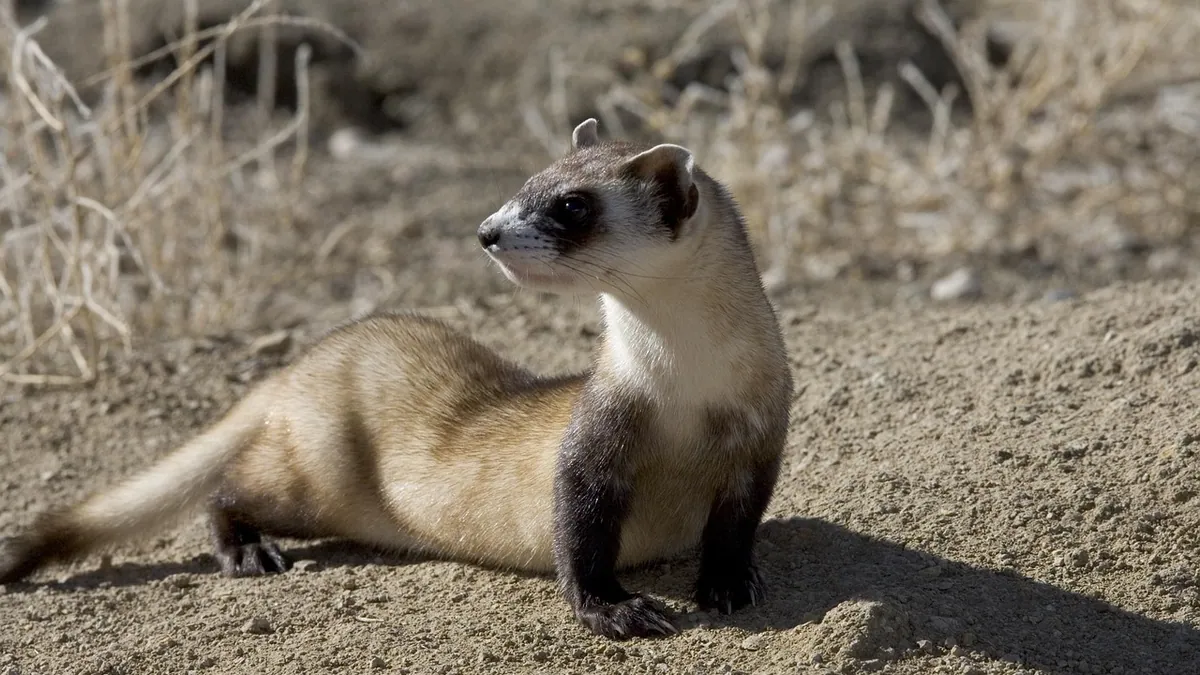
Do ferrets overheat easily? Yes. Ferrets have a narrow comfort zone, and once the temperature climbs past the mid-80s Fahrenheit, they can slide from uncomfortable to dangerously overheated in a short time. Because they hide illness until it is advanced, you may not notice a problem until your ferret is in real trouble [1].
This article is educational and is not a substitute for veterinary diagnosis or treatment.
Quick Answer
- Ferrets do best in cool, shaded spaces and struggle when indoor temperatures rise above roughly 80°F, especially with high humidity.
- A body temperature above 105°F (40.5°C) is a medical emergency that needs immediate veterinary care [1].
- Warning signs include heavy panting, lying stretched out and flat, drooling, red gums, wobbliness, and unresponsiveness.
- Never leave a ferret in a car, a sunlit room, a garage, or an unventilated cage, even briefly.
- Cool your ferret with room-temperature (not ice-cold) water, a fan on low, and shade, then call a veterinarian right away.
What Normal Looks Like and What Overheating Looks Like
A healthy ferret is curious, active in bursts, and sleeps a lot between those bursts. Normal body temperature for a ferret runs higher than a person's, generally in the range of 100°F to 104°F. That is one reason heat builds up quickly in their bodies.
Ferrets do not sweat the way people do, and they have a thick coat plus a long, low body. They rely mostly on panting and on finding a cool surface to dump heat. When the air around them is warm and humid, panting stops working well and their temperature can climb.
Early signs of heat stress
- Panting or open-mouth breathing when it is not playtime
- Flattening out on a cool floor, tile, or cage pan
- Seeking corners, under beds, or other dark cool spots
- Less interest in food or play
- Warm ears, warm paws, and a warm belly to the touch
Signs that mean heat stroke
- Heavy, continuous panting that does not stop when resting
- Drooling or thick saliva
- Bright red gums and tongue
- Staggering, weakness, or a wobbly walk
- Vomiting or diarrhea
- Tremors, a blank stare, collapse, or seizures
Any of these later signs are an emergency. A ferret with a body temperature above 105°F (40.5°C) needs a veterinarian now [1].
Why Ferrets Are Heat-Sensitive
Ferrets are small predators built for burrows and cool ground. Their natural instinct is to hide discomfort, and a sick ferret can become critically ill very quickly [1]. That combination makes heat a serious risk.
Small body, fast temperature swings
A ferret's small body mass means it heats up and cools down faster than a larger animal. Research on the ferret's fever response shows their body temperature can shift by more than 1.5°C (about 3°F) in response to a trigger [2]. A pet ferret with a fever from illness can also run hot, which stacks on top of a hot room.
A fever can look like heat stress
Some ferret diseases cause a high body temperature on their own. One reported case described a ferret with a temperature of 40.3°C (about 104.5°F) along with weakness, fast breathing, and eye and nose discharge [3]. Another case noted a ferret that was moderately hypothermic (too cold) with chronic illness [4]. This matters because a warm ferret is not always a ferret that just got too hot. A veterinarian needs to sort out the cause.
Housing and boredom play a role
Ferrets that live in small, bare cages with little to do are more likely to show stress behaviors like scratching at enclosure walls and excessive sleeping [5]. A stressed, under-stimulated ferret may also be less likely to move to a cooler spot. Giving your ferret a varied environment helps, and you can find ideas in our guides to DIY ferret enrichment and ferret enrichment toys.
Causes of Overheating in Ferrets
| Cause | Typical clues | How urgent |
|---|---|---|
| Hot room or no air conditioning | Panting, flattening out, warm ears, happens on hot days | Urgent if panting continues at rest |
| Direct sun or a closed car | Rapid heavy panting, drooling, red gums, collapse | Emergency now |
| High humidity | Panting that does not improve with a fan | Urgent, call your vet |
| Fever from illness | Warm body, weakness, poor appetite, discharge from eyes or nose [3] | Same-day vet visit |
| Being trapped in a hot cage or carrier | Scratching at walls, distress, heavy breathing | Emergency now |
| Overexertion during play in warm weather | Sudden stop, wobbling, open-mouth breathing | Urgent, cool and call |
Red Flags That Make It an Emergency
Call an emergency veterinary clinic right away if your ferret has any of these:
- A body temperature above 105°F (40.5°C) [1]
- Continuous panting that does not ease within a few minutes of cooling
- Collapse, seizures, tremors, or a blank stare
- Bright red or purple gums
- Vomiting or diarrhea that lasts more than 24 hours, since ferrets dehydrate and weaken fast [1]
- Bloody or dark, tarry droppings, which need care right away [1]
- Sudden lethargy or any sudden behavior change, which always warrants a vet visit [1]
Heat stroke can cause organ damage, so do not wait to see if your ferret "snaps out of it."
What You Can Do at Home While You Wait
Cooling should start immediately, but it does not replace veterinary care. Move your ferret to a cool, shaded, well-ventilated spot first.
Safe cooling steps
- Move your ferret out of the sun and heat right away.
- Wet a towel or cloth with room-temperature or slightly cool water. Wipe the paws, belly, ears, and groin area.
- Place your ferret on a cool, damp towel or a tile floor.
- Point a fan at the area on low, not directly blasting your ferret.
- Offer small amounts of cool water to drink if your ferret is alert and able to swallow.
- Keep handling calm and gentle. Stress raises body temperature.
What not to do
- Do not use ice, ice packs, or ice-cold water. Rapid cooling can cause shivering, which raises body temperature again.
- Do not submerge your ferret in water.
- Do not force water into the mouth of a weak, wobbly, or unresponsive ferret.
- Do not give any medication, including human fever reducers, without veterinary direction. A veterinarian calculates any dose from your pet's weight and health.
If your ferret is alert, you can keep the environment calm and cool while you call the clinic. A quiet, enriched space also lowers stress, and our ferret care guide for beginners covers the basics of setting one up.
What Your Veterinarian Will Check and Test
Your veterinarian will start with a full physical exam, including a rectal temperature. That number guides everything else.
Common tests and checks
- Body temperature reading to confirm how high it is and track the response to cooling
- Heart and breathing rate, gum color, and hydration status
- Blood work to check organ function, blood sugar, and electrolyte levels. In one ferret case, blood work showed abnormal glucose, bilirubin, protein, calcium, and sodium levels [3].
- A stool check if there is diarrhea, since ferrets dehydrate quickly [1]
- Imaging such as X-rays or ultrasound if the vet suspects an underlying illness. One ferret with chronic weight loss, cough, and hair loss had chest X-rays and an abdominal ultrasound that revealed disease in the lungs and lymph nodes [4].
Treatment depends on the findings. It may include active cooling, fluids, oxygen, and medications for the underlying cause. Your vet will decide what is safe for your ferret.
How to Keep Your Ferret Cool and Safe
Prevention is the whole game with ferrets. A few simple habits protect them.
Set up a cool home base
- Keep the room between about 65°F and 75°F. If you are comfortable in a light shirt, your ferret probably is too.
- Use air conditioning or a fan plus open windows to keep air moving.
- Close blinds or curtains during the hottest part of the day.
- Offer a cool tile, a chilled ceramic tile, or a shallow pan of cool water for your ferret to lie on.
- Never leave a ferret in a car, garage, sunroom, or closed carrier in warm weather.
Watch the weather and your ferret
- Check on your ferret more often during heat waves and humid days.
- Watch for panting at rest, which is the earliest clear sign.
- Keep play sessions short and in the coolest part of the day.
- Provide enrichment so your ferret stays active and mentally engaged without overdoing it. Scratching at cage walls and excessive sleeping can signal boredom and stress [5], and our ferret-proofing guide helps you build a safe space to explore.
Know your ferret's baseline
Because ferrets hide illness, learn what normal looks like for your pet. A sudden change in behavior, appetite, or energy always deserves a vet call [1]. If your ferret has a chronic condition or a history of fever, ask your vet for a specific temperature threshold to watch for.
Limitations and When to Contact a Veterinarian
This article gives general guidance, but every ferret is an individual. Only a veterinarian who examines your pet can diagnose heat stroke or rule out other causes of a high body temperature.
Emergency now: body temperature above 105°F (40.5°C) [1], collapse, seizures, tremors, red or purple gums, continuous panting at rest, or a ferret that will not wake up.
Same day: panting that comes and goes, drooling, vomiting, diarrhea lasting more than 24 hours [1], bloody or tarry droppings [1], or a sudden drop in energy or appetite.
Routine visit: you are unsure how heat-sensitive your ferret is, you want help planning summer housing, or your ferret has a chronic illness that affects temperature control.
Frequently Asked Questions
What temperature is too hot for a ferret?
Most ferrets are comfortable below about 80°F, and risk climbs as the room gets hotter and more humid. A body temperature above 105°F (40.5°C) is an emergency [1]. Keep the room in the 65°F to 75°F range when you can.
Can a ferret recover from heat stroke on its own?
No, heat stroke can damage organs and a ferret can become critically ill fast [1]. Start gentle cooling at home and contact a veterinarian right away. Do not wait to see if your ferret improves without help.
Is panting always a sign of overheating?
Not always, but panting at rest in a warm room is a strong warning sign. Ferrets normally breathe quietly when calm. If your ferret pants while resting or pants and does not settle, treat it as heat stress until a vet says otherwise.
Should I use ice or cold water to cool my ferret?
No. Use room-temperature or slightly cool water on the paws, belly, ears, and groin, plus a fan on low. Ice and ice-cold water can trigger shivering, which raises body temperature again.
Can illness cause a high temperature in ferrets?
Yes. Fevers from infection and other diseases can push a ferret's temperature up, and one reported case involved a ferret with a temperature of 40.3°C (about 104.5°F) along with weakness and discharge [3]. A vet visit is the only way to tell heat stress from a fever.
Related Articles
- Ferret-Proofing Your Home
- DIY Ferret Enrichment: Safe and Affordable Ideas for Your Furry Friend
- Ferret Enrichment: DIY Ideas and Toys for a Happy, Healthy Pet
- Ferret Care Guide for Beginners
- Ferret Care: Pyramiding & Shell Health Management
- How to Tell If Your Ferret Is Sick: Early Warning Signs
- Why Is My Ferret Drooling? Causes and When to Worry
- Signs Your Ferret Is Dying: What to Expect and Do
References
- Emergencies of Ferrets - All Other Pets. Merck Veterinary Manual.
- The fever reaction of the polecat Mustela putorius x Mustela putorius furo to a bacterial pyrogen: the hypo- and hyperthermic phases. Zhurnal evoliutsionnoi biokhimii i fiziologii, 1992.
- The first report of a disseminated idiopathic myofasciitis in a ferret (Mustela putorius furo) from Germany. Berliner und Munchener tierarztliche Wochenschrift, 2015.
- Identification of Mycobacterium genavense natural infection in a domestic ferret. Journal of veterinary diagnostic investigation : official publication of the American Association of Veterinary Laboratory Diagnosticians, Inc, 2019.
- Pet Owner Perception of Ferret Boredom and Consequences for Housing, Husbandry, and Environmental Enrichment. Animals : an open access journal from MDPI, 2022.