Ferret Care Guide for Beginners
By Dr. Zubair Khalid, DVM, MS, PhD ·
Key Takeaways
- Ferrets are obligate carnivores requiring a diet of 30-40% animal protein and 15-20% fat, with minimal fibre (<3%), necessitating high-quality ferret kibble or a carefully balanced raw diet to prevent obesity and insulinoma.
- Housing should be spacious (minimum 60x60x120 cm) with solid flooring to prevent pododermatitis, and maintained at 15-21°C (59-70°F) to avoid heat stress, with at least 2-4 hours of supervised out-of-cage enrichment daily.
- Core vaccinations against Canine Distemper Virus (CDV) and Rabies are crucial, with CDV vaccination typically administered at 8-9 weeks, 11-12 weeks, and annually, while rabies vaccination is legally required in many North American regions but not typically in rabies-free areas like Australia.
- Adrenal gland disease, a common endocrine disorder, is characterized by symmetrical alopecia and pruritus, and is often managed medically with GnRH agonists like deslorelin implants or surgically via adrenalectomy.
- Insulinoma, another prevalent endocrine disease, presents with episodic weakness and hypoglycaemic signs, diagnosed by fasting blood glucose below 3.3 mmol/L with inappropriately high insulin, and treated medically with prednisolone and diazoxide or surgically with partial pancreatectomy.
- Routine veterinary care, including annual wellness exams with body condition scoring, dental assessment, and blood glucose checks, is essential for early detection of common morbidities such as adrenal disease, insulinoma, lymphoma, and foreign body obstructions.
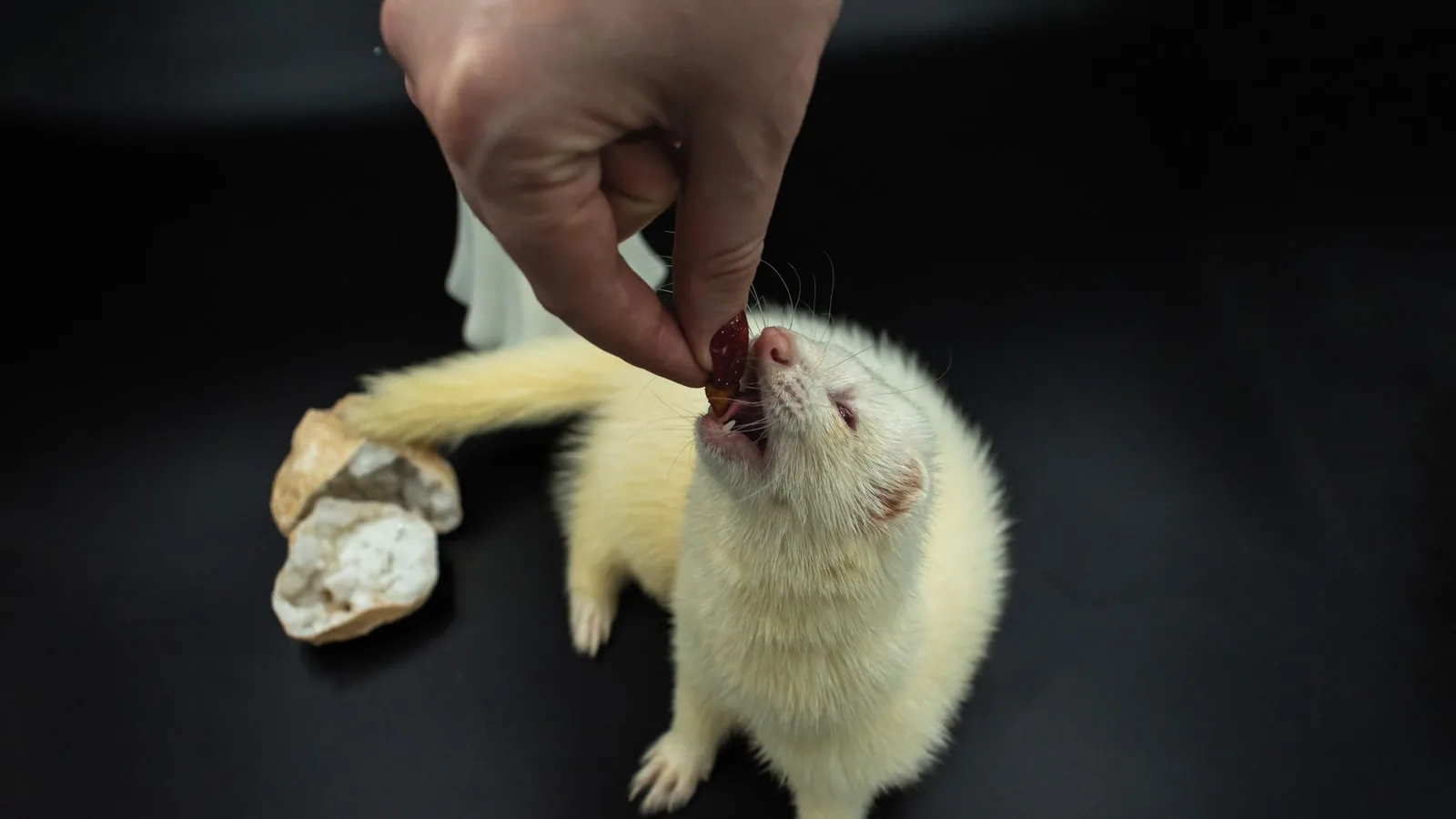
Ferrets (Mustela putorius furo) are intelligent, inquisitive, and highly social companion animals that require a level of specialised care far beyond that of a typical cat or dog. As obligate carnivores with a unique physiology, they are predisposed to several serious health conditions, including adrenal gland disease and insulinoma. This pillar article provides a comprehensive, evidence-based overview for beginners, covering housing, nutrition, preventive medicine, and common diseases. Whether you are in North America, Europe, or Australia, the principles of ferret care remain consistent, though regional variations in vaccination protocols and parasite control exist.
Quick Q&A
Question: What is the most important aspect of diet for a pet ferret? Answer: Ferrets are obligate carnivores, meaning their diet must consist almost exclusively of animal-based protein and fat. High-quality commercial ferret kibble or a balanced raw diet is essential; carbohydrates and plant-based proteins should be minimised to prevent obesity and insulinoma.
Housing and Environmental Enrichment
Ferrets are crepuscular and spend up to 18 hours a day sleeping, but when awake they require significant space and stimulation. Inadequate housing is a common cause of behavioural problems and obesity.
Cage Requirements
The minimum cage size for one or two ferrets should be approximately 60 x 60 x 120 cm (2 x 2 x 4 feet), with multiple levels, ramps, and solid flooring. Wire flooring should be avoided to prevent pododermatitis (sore hocks). According to the Merck Veterinary Manual, ferrets are prone to foot injuries on wire mesh, so solid platforms or covered ramps are recommended [Merck Vet Manual, Exotic and Laboratory Animals]. The cage should be escape-proof, as ferrets can squeeze through gaps as small as 2.5 cm (1 inch).
Bedding and Temperature
Ferrets prefer soft, washable bedding such as fleece or old towels. They are sensitive to heat stress; the ideal ambient temperature is 15-21°C (59-70°F). Temperatures above 26°C (79°F) can cause hyperthermia, and ferrets have limited ability to pant or sweat. In Australia and southern Europe, owners must provide air-conditioned spaces during summer.
Litter Training and Hygiene
Ferrets can be litter-trained using a shallow pan with paper-based or wood-pellet litter. Clumping clay litter should be avoided due to the risk of ingestion and gastrointestinal obstruction. Daily spot cleaning and weekly full cage disinfection are necessary to control ammonia from urine, which can cause respiratory disease.
Environmental Enrichment
Ferrets require at least 2-4 hours of supervised out-of-cage time daily. They are natural burrowers and explorers. Provide tunnels, PVC pipes, dig boxes filled with rice or shredded paper, and interactive toys. Rotation of toys prevents habituation. The VCA Animal Hospitals emphasise that ferrets that lack enrichment may develop stereotypic behaviours such as bar biting or pacing [VCA Hospitals, Ferret Behavior].
Obligate Carnivore Diet: Nutritional Essentials
Ferrets have a short gastrointestinal transit time (approximately 3-4 hours) and lack the enzymes to digest complex carbohydrates efficiently. Their diet must be high in animal protein (30-40% crude protein) and fat (15-20%), with very low fibre (under 3%).
Commercial Diets
High-quality ferret-specific kibble (e.g., from brands such as Oxbow, Wysong, or Marshall) is the most convenient option. Avoid cat or dog foods, as they contain too much carbohydrate and plant protein. According to the AVMA, ferrets should not be fed grain-based treats or fruits AVMA, [Ferret Care Guidelines]. In Europe, the EFSA has noted that some commercial ferret foods may contain excessive starch, which can predispose to obesity and pancreatic beta-cell hyperplasia.
Raw and Whole Prey Diets
A balanced raw diet can be excellent but requires careful formulation. It should consist of whole prey (mice, chicks), muscle meat, organs, and bone. A common recipe is the “Frankenprey” model: 80% muscle meat, 10% bone, 5% liver, and 5% other secreting organs. Raw diets carry a risk of bacterial contamination (Salmonella, Campylobacter) and must be handled with strict hygiene. The Canadian Veterinary Medical Association (CVMA) advises that raw diets should only be fed under veterinary supervision, especially in households with immunocompromised individuals CVMA, Raw [Pet Food Position Statement].
Feeding Schedule
Ferrets should have access to food at all times (ad libitum) due to their high metabolic rate and risk of hypoglycaemia. However, portion control may be necessary for less active ferrets. Water must be available via a heavy bowl or sipper bottle; ferrets are prone to dehydration if water is not easily accessible.
Foods to Avoid
Never feed dairy products (lactose intolerance), chocolate, caffeine, onions, garlic, grapes, raisins, or xylitol-sweetened treats. These can cause gastrointestinal upset, haemolytic anaemia, or acute renal failure.
Vaccination and Preventive Medicine
Vaccination protocols for ferrets vary by region, but core vaccines are recommended in most areas.
Core Vaccines
- Canine Distemper Virus (CDV): Ferrets are highly susceptible to CDV, which is almost always fatal. Vaccination is considered core in the United States, Canada, and Europe. A modified-live or recombinant CDV vaccine (e.g., PureVax Ferret, Merial) is given at 8-9 weeks, repeated at 11-12 weeks, then annually. According to the AAHA Canine Vaccination Guidelines, ferrets should receive a CDV vaccine labelled for ferrets [AAHA, 2022].
- Rabies: In the US and Canada, rabies vaccination is legally required in many states/provinces. A killed rabies vaccine (e.g., Imrab 3, Merial) is approved for ferrets. In Europe, rabies vaccination is recommended but not mandatory in all countries; in rabies-free regions such as the UK, Australia, and New Zealand, rabies vaccination is generally not required unless for travel. The AVA notes that Australian ferrets are considered rabies-free and do not require rabies vaccination [AVA, Ferret Health].
Non-Core and Optional Vaccines
No other vaccines are routinely recommended. In some regions, ferrets may be vaccinated against Clostridium or Bordetella, but evidence of efficacy is limited.
Parasite Control
Ferrets can be affected by fleas, ear mites (Otodectes cynotis), and intestinal parasites (coccidia, Giardia). Topical selamectin (Revolution) is safe and effective for flea and mite control in ferrets. Heartworm disease is rare but has been reported in the southern US; prevention with ivermectin or milbemycin may be considered in endemic areas. In Australia, tick paralysis from Ixodes holocyclus can affect ferrets, and owners should consult a veterinarian for appropriate prevention.
Routine Health Examinations
Annual or semi-annual veterinary visits are essential. The VCA Hospitals recommend a wellness exam that includes body condition scoring, dental assessment, auscultation of the heart and lungs, abdominal palpation, and a blood glucose check to screen for insulinoma [VCA Hospitals, Ferret Wellness].
Adrenal Gland Disease and Insulinoma
These two endocrine disorders are the most common medical problems in domestic ferrets over 2 years of age. Understanding their signs and management is critical for every owner.
Adrenal Gland Disease (Hyperadrenocorticism)
Adrenal disease is caused by hyperplasia or neoplasia (usually adenoma or adenocarcinoma) of the adrenal cortex, leading to excessive secretion of sex hormones (androstenedione, 17-hydroxyprogesterone, oestradiol). The aetiology is multifactorial; early neutering (spay/neuter at 4-6 weeks in many commercial facilities) is a major risk factor, as it removes negative feedback on the pituitary gland.
Clinical Signs:
- Symmetrical alopecia (hair loss) starting at the tail and progressing cranially.
- Pruritus (itching) without primary skin lesions.
- Vulvar swelling in neutered females (return to oestrus-like state).
- Aggression or increased mounting behaviour in males.
- Muscle atrophy, lethargy, and polydipsia/polyuria (less common).
Diagnosis: Measurement of adrenal sex hormones (oestradiol, androstenedione, 17-hydroxyprogesterone) via a validated ferret panel (e.g., University of Tennessee Endocrinology Service). Ultrasound can identify adrenal gland enlargement.
Treatment:
- Medical: GnRH agonists such as deslorelin (Suprelorin implant) are the first-line treatment in Europe and Australia. They suppress pituitary gonadotropin release, reducing hormone secretion. The implant lasts 6-12 months.
- Surgical: Adrenalectomy (unilateral or bilateral) is curative for adenomas but carries higher risk in ferrets with concurrent disease.
- Supportive: Melatonin supplementation can help reduce pruritus but does not address the underlying hormone excess.
The Merck Veterinary Manual states that deslorelin implants have become the standard of care for adrenal disease in ferrets, with success rates exceeding 80% for clinical improvement [Merck Vet Manual, Adrenal Disease].
Insulinoma (Pancreatic Beta-Cell Tumour)
Insulinoma is a neoplasm of the pancreatic beta cells that secretes excessive insulin, causing hypoglycaemia. It is the most common pancreatic tumour in ferrets, typically seen in ferrets over 3 years old.
Clinical Signs:
- Episodic weakness, ataxia, hind limb paresis.
- Staring into space, drooling, pawing at the mouth.
- Seizures or collapse (severe hypoglycaemia).
- Weight loss despite normal appetite.
Diagnosis: Fasting blood glucose below 3.3 mmol/L (60 mg/dL) is highly suggestive. Confirm with a simultaneous insulin level: inappropriately high insulin for the glucose concentration. Ultrasound or CT may identify pancreatic masses.
Treatment:
- Medical: Prednisolone (0.5-1 mg/kg orally every 12-24 hours) and diazoxide (5-10 mg/kg orally every 12 hours) to raise blood glucose.
- Surgical: Partial pancreatectomy is the only curative option, but many ferrets have multiple or metastatic tumours, making surgery palliative rather than curative.
- Dietary: Frequent small meals of high-protein, low-carbohydrate food. Avoid simple sugars, which cause rebound hypoglycaemia.
Prognosis: With medical management, median survival is 12-18 months. Surgical resection can extend survival to 2-3 years in some cases. The VCA Animal Hospitals recommend monitoring blood glucose at home with a portable glucometer (using a drop from the ear tip or lip) [VCA Hospitals, Insulinoma in Ferrets].
Lifespan and End-of-Life Care
The average lifespan of a domestic ferret is 5-8 years, with some living up to 10 years. Factors influencing longevity include genetics (Marshall Farms ferrets often have shorter lifespans due to early neutering and inbreeding), diet, and preventive care.
Common Causes of Morbidity and Mortality
- Adrenal disease and insulinoma (as above).
- Lymphoma: a common neoplasia, often multicentric.
- Cardiomyopathy: dilated or hypertrophic, seen in older ferrets.
- Dental disease: tartar, gingivitis, and tooth root abscesses.
- Gastric ulcers: often secondary to Helicobacter mustelae infection.
- Foreign body obstruction: ferrets ingest rubber, foam, or fabric.
End-of-Life Considerations
Quality of life should be assessed using a validated scale (e.g., HHHHHMM scale for pets). Euthanasia is often the kindest option when a ferret is in chronic pain, unable to eat, or suffering from intractable seizures. Owners should discuss hospice care options with their veterinarian. In Europe, the FVE supports the use of euthanasia by intravenous injection of barbiturates under sedation.
Conclusion
Ferrets are rewarding but demanding companions that require a dedicated owner willing to provide species-appropriate housing, a strict obligate carnivore diet, and consistent veterinary care. Understanding the high prevalence of adrenal disease and insulinoma allows for early detection and improved outcomes. By following evidence-based guidelines from organisations such as the AVMA, AAHA, CVMA, and Merck Veterinary Manual, beginners can offer their ferrets a long, healthy, and enriched life. Always consult a veterinarian experienced in exotic mammals for individualised advice.
Related Clinical & Scientific Guides
- Hamster Medicine: Safe Use and Common Treatments
- Ferret Aleutian Disease: Testing, Clinical Assessment, and Household Management
- Ferret Dilated Cardiomyopathy: Diagnosis, Staging, and Long-Term Monitoring
References
Merck Veterinary Manual. Exotic and Laboratory Animals: Ferrets. Available at: merckvetmanual.com. Accessed March 2025. VCA Animal Hospitals. Ferret Behavior and Enrichment. Available at: vcahospitals.com. Accessed March 2025. AVMA (American Veterinary Medical Association). Ferret Care Guidelines. Available at: avma.org. Accessed March 2025. CVMA (Canadian Veterinary Medical Association). Position Statement on Raw Pet Food. Available at: canadianveterinarians.net. Accessed March 2025. AAHA (American Animal Hospital Association). Canine Vaccination Guidelines (applicable to ferrets via off-label use). Available at: aaha.org. Accessed March 2025. AVA (Australian Veterinary Association). Ferret Health and Vaccination. Available at: ava.com.au. Accessed March 2025. FVE (Federation of Veterinarians of Europe). Euthanasia Guidelines for Companion Animals. Available at: fve.org. Accessed March 2025. VCA Animal Hospitals. Insulinoma in Ferrets. Available at: vcahospitals.com. Accessed March 2025. VCA Animal Hospitals. Ferret Wellness Examinations. Available at: vcahospitals.com. Accessed March 2025. EFSA (European Food Safety Authority). Nutritional Composition of Commercial Ferret Diets. EFSA Journal 2023;21(Suppl 1). Accessed March 2025.