How to Tell If Your Ferret Is Sick: Early Warning Signs
By Dr. Zubair Khalid, DVM, MS, PhD ·
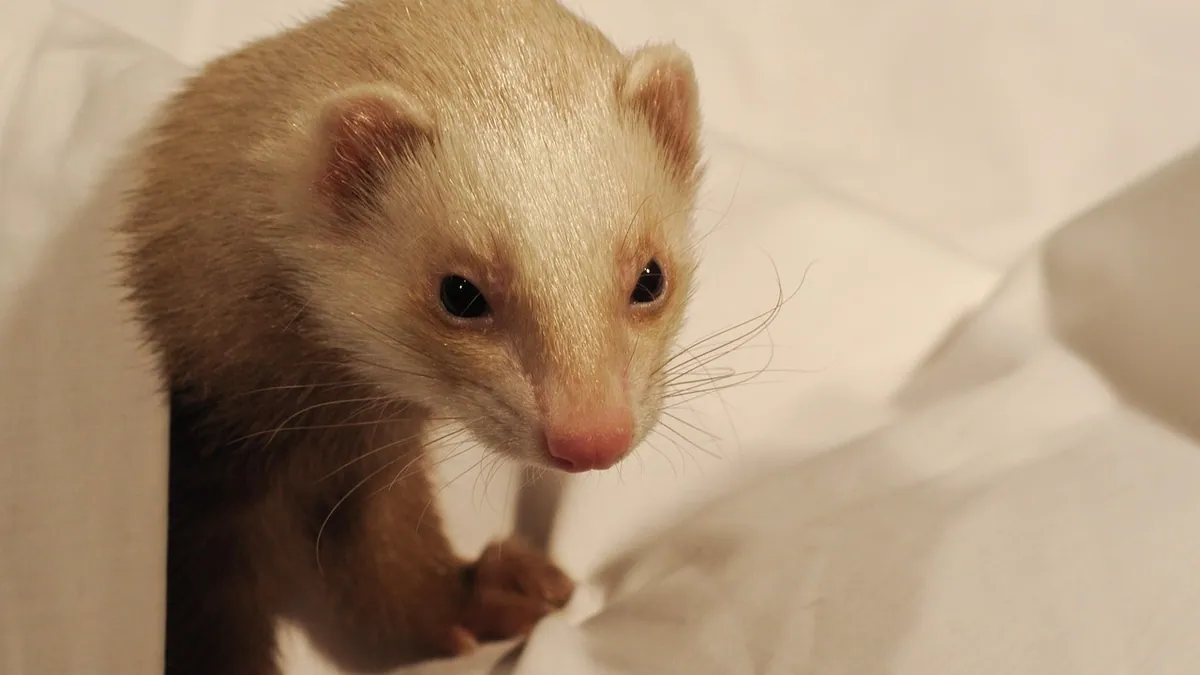
Ferrets are masters at hiding illness, so subtle changes in eating, energy, or bathroom habits are often the first clue that something is wrong. Knowing how to tell if my ferret is sick means watching for small shifts and acting on them quickly, because a ferret can go from "a little off" to critically ill in a short time [1]. This article is educational and is not a substitute for veterinary diagnosis or treatment.
Quick Answer
- Any sudden change in behavior or unusual lethargy means a vet visit is recommended, because ferrets hide illness until it is advanced [1].
- Vomiting or diarrhea lasting more than 24 hours needs veterinary evaluation, since ferrets dehydrate and weaken quickly [1].
- Bloody or dark, tarry droppings are an emergency, regardless of your ferret's age [1].
- Weakness, weight loss, or dragging the hind legs can point to an insulinoma and needs same-day care [1].
- Set up a ferret-experienced veterinarian and an after-hours emergency clinic before your ferret gets sick, not during a crisis [2].
What a Sick Ferret Looks Like and What Is Normal
Normal Ferret Behavior
A healthy ferret is curious, playful, and food-motivated. It sleeps a lot, often 14 to 18 hours a day, but wakes up ready to explore, dig, and investigate anything new. Normal droppings are well-formed and brownish. An occasional soft or irregular stool is not usually a problem [1].
Normal body temperature in a healthy ferret over four months old runs from about 100.6 °F to 103.9 °F when taken with a digital rectal thermometer [3]. If you ever need to check this at home, ask your vet to show you how first.
Early Signs That Something Is Off
The earliest clues are usually behavioral. Your ferret may:
- Sleep more and play less
- Ignore a favorite toy or treat
- Hide in a corner or burrow instead of coming out
- Eat less or stop eating entirely
- Lose weight even if it still eats
- Have changes in stool consistency or color
- Seem unsteady or drag the hind legs
Lethargy and appetite loss are the two signs owners notice most often, and both are reasons to call your veterinarian [1][4]. Gastrointestinal problems in ferrets often show up as vague signs like lethargy, anorexia, vomiting, diarrhea, and dark tarry stool, which is why a detailed history and full exam matter so much [4].
Common Causes of a Sick Ferret
| Cause | Typical clues | How urgent |
|---|---|---|
| Gastrointestinal disease (infectious or noninfectious) | Lethargy, not eating, vomiting, diarrhea, dark tarry stool | Same-day vet visit, emergency if bloody stool or vomiting over 24 hours [1] |
| Intestinal blockage | Stops eating and defecating, may cough, choke, or vomit as it progresses | Emergency [1] |
| Insulinoma (insulin-producing pancreatic tumor) | Weight loss, weakness, hind leg dragging, possible seizures | Emergency or same-day [1] |
| Liver disease (including chronic hepatitis and cholangitis) | Anorexia, weight loss, elevated liver enzymes, later neurologic signs | Same-day vet visit |
| Cancer (various tumor types) | Weight loss, masses, appetite changes, vague decline | Prompt vet visit for imaging and testing [5] |
| Toxin exposure (for example, cannabinoid ingestion) | Abnormal mentation, vocalizing, slow heart rate, slow breathing, low body temperature | Emergency |
Gastrointestinal disease is one of the most common reasons ferrets see a veterinarian, and the signs are often nonspecific [4]. That vagueness is exactly why you should not wait for obvious symptoms. A ferret that simply "isn't itself" deserves a call.
Liver disease can also start quietly. In one reported case, a young ferret showed anorexia and weight loss first, with neurologic signs appearing much later [6]. Early bloodwork is often the only way to catch problems like this before they become severe.
Cancer is another real concern in ferrets. Tumors are common in this species, and accurate diagnosis depends on imaging, cytology, and histopathology [5]. If your ferret has a lump, unexplained weight loss, or a slow decline, ask your vet about a workup.
Toxins are a preventable cause of sudden severe illness. A ferret that ingested cannabinoid-containing candy was admitted with abnormal mentation, severe slow heart rate, slow breathing, low body temperature, and stupor to coma [7]. If you suspect any toxin exposure, treat it as an emergency.
If your ferret's signs point toward hormonal or pancreatic disease, our guides on Ferret Adrenal Disease Signs and Ferret Insulinoma Signs can help you recognize patterns to discuss with your vet.
Red Flags That Mean an Emergency
Some signs cannot wait. Go to an emergency clinic now if your ferret has:
- Vomiting or diarrhea for more than 24 hours [1]
- Bloody or dark, tarry droppings [1]
- Stopped eating and stopped defecating [1]
- Coughing, choking, or repeated vomiting that suggests a blockage [1]
- Weakness, collapse, or dragging of the hind legs [1]
- A seizure or any episode of abnormal mentation [1][7]
- Known or suspected exposure to a toxin, including cannabis edibles [7]
- Severe lethargy where your ferret will not respond normally [1]
Ferrets with an intestinal blockage will stop eating and defecating and may cough, choke, or begin vomiting as the disease advances [1]. This is a surgical emergency in most cases.
Insulinomas drive blood sugar down and can cause weight loss, weakness, hind leg dragging, and seizures [1]. If you see any of these, have your ferret examined right away.
What You Can Safely Do at Home While You Wait
You cannot treat a sick ferret at home, but you can keep it stable and comfortable until you reach the vet.
- Keep your ferret warm and quiet. Use a small carrier with soft bedding.
- Offer water in a shallow dish. Do not force fluids by mouth.
- Do not give human medications, including pain relievers. Many are toxic to ferrets.
- Do not try to feed a ferret that is vomiting or unresponsive.
- Save a stool sample in a clean bag or container if your ferret has diarrhea.
- Write down when the signs started, what your ferret ate, and any possible toxin exposure.
- Call ahead so the clinic knows a ferret is coming. A plastic cat carrier works well for transport [2].
If your ferret is having a seizure, keep your hands away from its mouth, clear the area of hard objects, and go to the emergency clinic immediately.
What Your Veterinarian Will Check and Test
Your vet will start with a detailed history and a full physical exam, which is the foundation of a correct diagnosis in ferrets with gastrointestinal signs [4].
Expect some of the following:
- Weight and body condition scoring
- Digital rectal temperature (normal range is roughly 100.6 °F to 103.9 °F) [3]
- Abdominal palpation to feel for masses, gas, or a possible blockage
- Bloodwork, including a glucose check if insulinoma is suspected [1]
- Liver enzymes and bile acids if liver disease is a concern [6]
- Fecal testing for parasites and bacteria
- Imaging such as radiographs or ultrasound, which are important for diagnosing tumors and other internal problems [5]
- Cytology or biopsy if a mass is found [5]
If your ferret has never seen this vet before, our guide on Ferret Veterinary Care: What to Expect and How to Prepare walks through the visit step by step.
Prevention and Daily Monitoring
Find the Right Vet Before You Need One
It can be hard to find a veterinarian with ferret experience. Check with ferret clubs, local phone directories, and your state veterinary medical association for a recommendation, and do this before you buy a ferret or before an illness happens [2]. A yearly exam and vaccinations are also a good chance to build that relationship [2].
If your primary vet does not offer 24-hour service, locate an after-hours emergency clinic that treats ferrets now, so you are not searching at midnight [2].
Vaccination Basics
Ask your veterinarian which distemper vaccine is best for your ferret. Vaccines made with mink or ferret tissue culture, sometimes used in dog vaccines, should not be given to ferrets because they may cause the disease [2]. Ferret kits and adults with no vaccine history need a series of boosters against canine distemper virus, so follow your vet's schedule [2].
Daily and Weekly Checks
- Weigh your ferret weekly on a kitchen scale and track the number.
- Watch how much food and water your ferret actually consumes.
- Check droppings daily for color, consistency, and blood.
- Note energy level during playtime, not just at nap time.
- Feel for new lumps or bumps during cuddle sessions.
- Keep a simple log of any changes so you can give your vet real data.
If your ferret shows respiratory signs like sneezing, nasal discharge, or noisy breathing, see our article on Ferret Care: Respiratory Infection Symptoms & Antibiotic Protocol. New owners can also start with our Ferret Care Guide for Beginners.
Limitations and When to Contact a Veterinarian
This article cannot diagnose your ferret. Every case is different, and only a veterinarian who examines your ferret can determine what is wrong and how to treat it.
Use these timing guidelines:
- Emergency now: vomiting or diarrhea over 24 hours, bloody or tarry stool, seizure, collapse, hind leg dragging, suspected toxin exposure, or a ferret that has stopped eating and defecating [1][7].
- Same day: lethargy, appetite loss with no other signs, weight loss, or any sudden behavior change [1].
- Routine visit: mild one-time soft stool, a new small lump, or a gradual change in habits with no other signs.
When in doubt, call. Ferrets hide illness until it is advanced, and a sick ferret can become critically ill quickly [1].
Frequently Asked Questions
Why is my ferret being sick and hiding it?
Ferrets instinctively mask signs of illness or discomfort until the disease is advanced, which is a survival behavior left over from their wild ancestors [1]. That means by the time you notice something, your ferret may already be quite ill. Trust your instincts and call your vet.
Is my ferret sick if it is just sleeping more?
Maybe. Ferrets normally sleep many hours a day, so compare against your ferret's own baseline. If your ferret sleeps more than usual, skips playtime, or is hard to wake, that counts as lethargy and warrants a vet visit [1].
Can I wait a day to see if my ferret feels better?
For vomiting or diarrhea, no. Anything lasting more than 24 hours needs veterinary evaluation because ferrets dehydrate and weaken fast [1]. For lethargy or appetite loss, call your vet the same day instead of waiting.
What does dark tarry stool mean in a ferret?
Dark, tarry droppings usually mean digested blood is passing through the gut, and this can happen in ferrets of any age for different reasons [1]. Whatever the cause, seek veterinary care right away when you see it [1].
How do I find a vet who treats ferrets?
Check with ferret clubs, local phone directories, and your state veterinary medical association for a recommendation, and do this before an illness occurs [2]. Also identify an after-hours emergency clinic that treats ferrets in case your pet gets sick late at night [2].
Related Articles
- Ferret Adrenal Disease Signs
- Ferret Insulinoma Signs
- Ferret Veterinary Care: What to Expect and How to Prepare
- Ferret Care: Respiratory Infection Symptoms & Antibiotic Protocol
- Ferret Care Guide for Beginners
- Why Is My Ferret Lethargic? Causes and Red Flags
- Signs Your Ferret Is Dying: What to Expect and Do
- How to Tell If Your Ferret Has a Blockage
- Ferret Influenza Virus
- Ferret Coronavirus
References
- Emergencies of Ferrets - All Other Pets. Merck Veterinary Manual.
- Routine Health Care for Ferrets - All Other Pets. Merck Veterinary Manual.
- Reference Interval Determination for Digital Rectal Temperature in Healthy Ferrets (Mustela putorius furo). Animals : an open access journal from MDPI, 2026.
- Ferret Gastroenterology. The veterinary clinics of North America. Exotic animal practice, 2025.
- Recent Updates in Ferret and Rodent Oncology. The veterinary clinics of North America. Exotic animal practice, 2026.
- Lobular dissecting hepatitis-like chronic hepatitis with bacterial chronic cholangitis in a ferret (Mustela putorius furo). The Journal of veterinary medical science, 2026.
- Severe Cannabinoid Intoxication in a Ferret (Mustela putorius furo) Treated With Intravenous Lipid Emulsion. Journal of veterinary emergency and critical care (San Antonio, Tex. : 2001), 2025.