Do Gerbils Die Easily? Lifespan and Common Risks
By Dr. Zubair Khalid, DVM, MS, PhD ·
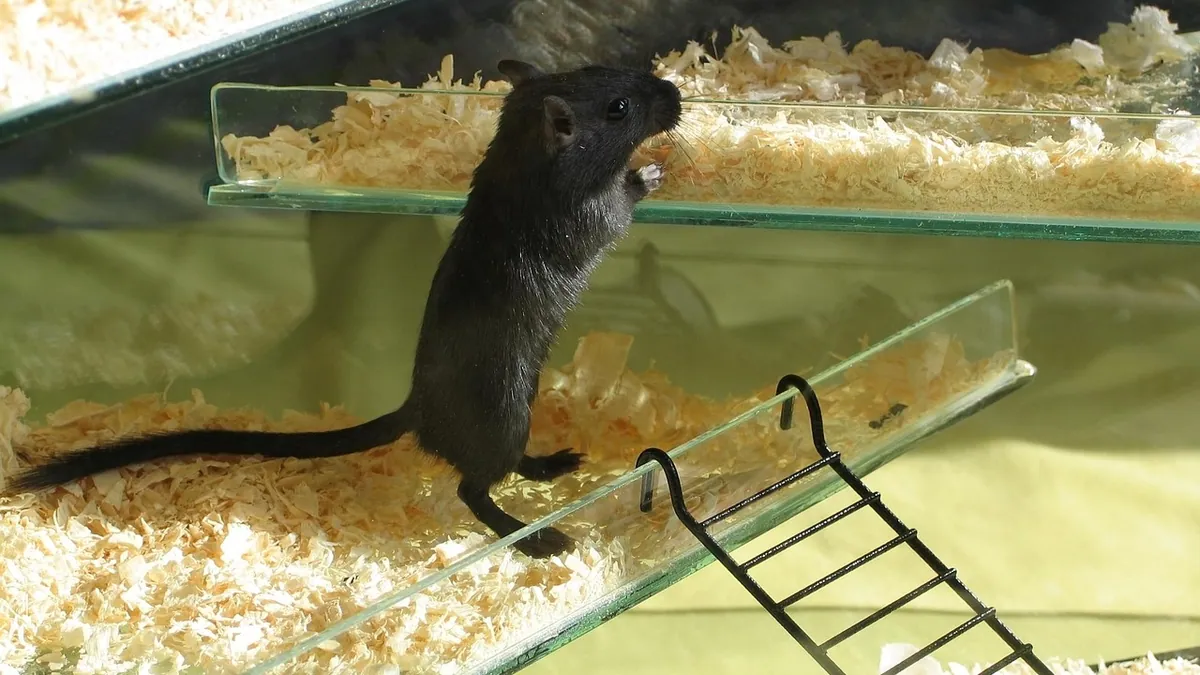
Do gerbils die easily? Not in the way worried owners often fear. A well-cared-for gerbil usually lives two to four years, and most deaths owners see are tied to preventable problems like rough handling, stress, diarrhea, and poor cage setup. Gerbils are small and fragile, so mistakes that would barely affect a cat or dog can be serious for them.
This article is educational and is not a substitute for veterinary diagnosis or treatment.
Quick Answer
- Gerbils are hardy pets when housed and handled correctly, but their small size means rough handling can cause injury [1].
- Never lift a gerbil by its tail. Scoop it under the belly with both hands and hold it low, over the cage or your lap [1].
- Tyzzer disease is the most common infectious disease in gerbils, and it hits young or stressed animals hardest [2].
- Diarrhea is a common sign of many gastrointestinal diseases in gerbils, and it needs prompt attention [2].
- Gerbils are not recommended as pets for very young children because they cannot withstand rough handling [1].
What "Die Easily" Really Means for Gerbils
The phrase "do gerbils die easily" usually comes from a specific fear. You had a gerbil as a kid, it died suddenly, and nobody explained why. Or you just brought one home and it seems so small and breakable.
Here is the honest picture. Gerbils are desert-adapted rodents with real resilience. They handle dry environments well and they are generally less prone to some respiratory problems than certain other small pets. But they have two weaknesses that matter.
First, they are prey animals. A gerbil that feels sick will often act normal until it cannot hide the problem anymore. By the time you notice something is wrong, the illness may be advanced.
Second, their bodies are tiny. A fall from a table, a squeeze from a child's hand, or a tail injury is a big deal at that size [1]. This is why the Merck Veterinary Manual specifically warns against lifting a gerbil by the tail and recommends holding it close to the ground until it is used to being handled [1].
So the real answer is this. Gerbils do not die easily from ordinary life. They die easily from handling accidents, untreated diarrhea, stress, and husbandry gaps that owners did not know to fix.
If you are comparing small pets, lifespan varies a lot across species. Guinea pigs and rats live longer than gerbils, while hamsters are in a similar range. You can read more in How Long Do Guinea Pigs Live? Lifespan and Care, Understanding Pet Rat Lifespan and Aging, and Hamster Lifespan: What to Expect and How to Maximize It.
Step-by-Step: How to Handle a Gerbil Safely
Handling is where most preventable injuries happen. Follow this order every time.
- Let the gerbil settle. Give a new gerbil a few days in its cage before you start picking it up. Stress lowers its defenses, and stressed gerbils are more likely to get sick [2].
- Wash your hands first. Clean hands protect you and the gerbil. Hand washing between handling different gerbils also matters because some gerbil diseases spread through contaminated feces [2].
- Scoop, do not grab. Slide both hands under the belly and lift the whole body. Do not squeeze [1].
- Keep it low. Until the gerbil is accustomed to handling, hold it close to the ground so a fall will not be far [1].
- Hold over the cage or your lap. If it wriggles free, it cannot run away or drop to the floor [1].
- Never use the tail as a handle. Gerbil tails are delicate and injure easily [1].
- Put it back gently. Lower it into the cage and let it step off your hands.
If you have children, supervise every interaction. The Merck Veterinary Manual states plainly that gerbils are not recommended as pets for very young children because of their small size and inability to withstand rough handling [1].
Gerbil Health Checklist and Schedule
Use this as a simple routine. It covers the husbandry items that most often decide whether a gerbil thrives or declines.
| Frequency | Task | Why it matters |
|---|---|---|
| Daily | Fresh water and food | Sick gerbils stop eating and dehydrate fast [2] |
| Daily | Quick visual check | Look for hunched posture, rough coat, or depression [2] |
| Daily | Remove wet or soiled bedding | Feces spread bacteria between gerbils [2] |
| Every few days | Spot clean the cage | Reduces bacterial load in the environment [2] |
| Weekly | Full cage clean and disinfect | Required after any diarrheal illness [2] |
| Weekly | Weigh or body-check by feel | Weight loss is an early warning sign |
| As needed | Separate a sick gerbil | Tyzzer disease is contagious [2] |
| Ongoing | Handle gently and briefly | Prevents falls and tail injuries [1] |
A few notes on the table. The separation step is not optional if you see diarrhea. Tyzzer disease is contagious, so a sick gerbil should be moved away from its cagemates, and the cage must be thoroughly cleaned and disinfected [2]. Handle the sick gerbil last, after the healthy ones, and wash your hands thoroughly between gerbils [2].
Signs That Something Is Wrong
Gerbils hide illness, so you have to look for subtle changes. The signs below come from the recognized clinical picture of Tyzzer disease, which is the most common infectious disease in gerbils [2]. Many of these signs also appear in other gerbil illnesses.
Watch for:
- Depression or unusual quietness [2]
- A rough, unkempt haircoat [2]
- Hunched posture [2]
- Loss of appetite [2]
- Dehydration [2]
- Watery diarrhea [2]
Diarrhea on its own is a red flag because it is a common sign of many gastrointestinal diseases in gerbils, and most of those are caused by bacteria or internal parasites [2].
Why Young and Stressed Gerbils Are at Higher Risk
Tyzzer disease is caused by Clostridium piliforme bacteria, and these bacteria are more likely to infect young or stressed gerbils [2]. That single sentence explains a lot of owner experiences. A newly purchased baby gerbil, a gerbil that just moved homes, or a gerbil in a crowded or dirty cage is more vulnerable.
This is why the first two weeks after you bring a gerbil home matter so much. Keep the environment calm. Keep the cage clean. Do not overhandle. Let the animal adjust.
When Diarrhea Becomes an Emergency
Weak, dehydrated gerbils with persistent diarrhea that are not eating should be examined by a veterinarian [2]. That is the threshold. A veterinarian may give injectable fluids under the skin, oral antibiotics, and syringe feeding [2]. Those treatments are not things you can replicate at home, and the dose depends on your gerbil's weight and condition, so a veterinarian calculates it.
Common Mistakes That Shorten a Gerbil's Life
These are the errors that show up again and again. Each one has a fix.
Lifting by the tail
This is the single most avoidable injury. Gerbil tails are delicate and easily injured, and the tail should never be used as a handle [1]. Fix: scoop under the belly with both hands [1].
Letting a gerbil fall
A gerbil that is not used to handling can wriggle loose. Fix: hold it close to the ground and over the cage or your lap until it is calm with handling [1].
Squeezing or gripping too hard
Gerbils cannot withstand rough handling [1]. Fix: support the whole body, never squeeze, and keep sessions short.
Ignoring diarrhea for a day or two
Owners often wait to see if it passes. With a gerbil, waiting is risky. Diarrhea is a common sign of serious gastrointestinal disease, and dehydration can set in quickly [2]. Fix: separate the sick gerbil, clean and disinfect the cage, and call a veterinarian [2].
Skipping hand washing between gerbils
Some gerbil diseases spread through contaminated feces [2]. Fix: wash thoroughly between handling each gerbil, and handle sick animals last [2].
Housing a sick gerbil with healthy ones
Tyzzer disease is contagious [2]. Fix: separate immediately and disinfect the cage thoroughly [2].
Buying a gerbil for a very young child
Gerbils are not recommended as pets for very young children because of their size and sensitivity to rough handling [1]. Fix: make the adult the primary handler, or choose a different pet until the child is older.
Assuming a quiet gerbil is just tired
Depression and hunched posture are clinical signs of illness, not personality [2]. Fix: treat any behavior change as a reason to look closer.
Setup Details That Actually Affect Health
Good husbandry is not about buying the most expensive cage. It is about a few things done consistently.
Bedding and cleaning. Because bacteria can spread through contaminated feces, cage hygiene is a health intervention, not just housekeeping [2]. Plan on spot cleaning often and a full clean weekly. After any diarrheal illness, do a thorough clean and disinfect [2].
Handling station. Set up a low, safe area for handling, like a table with a towel, or handle directly over the cage. This matches the recommendation to hold gerbils low and over the cage or lap [1].
Quarantine space. Keep a spare cage or carrier available. If one gerbil gets sick, you need to separate it the same day, and you cannot wait to order supplies [2].
Hand hygiene supplies. Keep soap at the sink nearest the cage. Washing between gerbils is part of routine care when illness is a risk [2].
A kitchen scale. Small weight changes are one of the earliest signs of a problem. Weighing weekly gives you data instead of guesswork.
A veterinarian before you need one. Find an exotics or small mammal veterinarian now, not during an emergency. Ask what they recommend for a new gerbil exam.
If you are still building your setup, the Gerbil Care Guide walks through housing and daily care in more detail.
Limitations and When to Contact a Veterinarian
No article can tell you what is happening with your specific gerbil. Individual cases need a veterinarian who can examine the animal, check hydration, and run tests if needed.
Contact a veterinarian the same day if you see:
- Watery diarrhea, especially with a rough coat or hunched posture [2]
- A gerbil that has stopped eating [2]
- Signs of dehydration, such as skin that stays tented when gently pinched
- Depression or a sudden drop in activity [2]
- Any tail injury, since tails are delicate and injure easily [1]
Treat it as an emergency now if:
- The gerbil is weak, collapsed, or unresponsive
- Diarrhea is persistent and the gerbil is not eating [2]
- The gerbil fell from a height or was squeezed
- Breathing looks labored or the gerbil is gasping
Schedule a routine visit if:
- You just brought a new gerbil home
- You see gradual weight loss over weeks
- You are unsure whether your setup meets the animal's needs
A veterinarian may give injectable fluids under the skin, oral antibiotics, and syringe feeding for a weak, dehydrated gerbil with persistent diarrhea that is not eating [2]. Do not attempt to treat this at home with leftover medications. Doses for small mammals are calculated from body weight and health status, and the wrong amount can be fatal.
Frequently Asked Questions
Do gerbils die easily compared with hamsters?
Gerbils are not especially fragile compared with other small rodents, but they share the same basic vulnerabilities. Their small size makes falls and rough handling dangerous, and they hide illness until it is advanced. Good husbandry and gentle handling remove most of the risk.
What is the most common cause of death in gerbils?
Infectious disease is a major concern, and Tyzzer disease is the most common infectious disease in gerbils. It is caused by Clostridium piliforme bacteria and is more likely to strike young or stressed animals. Because it is contagious, quick separation and cage disinfection matter.
Can a gerbil die from diarrhea?
Yes, diarrhea can become life threatening, mainly through dehydration. Diarrhea is a common sign of many gastrointestinal diseases in gerbils, and a weak, dehydrated gerbil with persistent diarrhea that is not eating needs veterinary care. Do not wait to see if it improves on its own.
Is it safe to pick up a gerbil by the tail?
No. Gerbil tails are delicate and can be injured easily, so the tail should never be used as a handle. Scoop the gerbil under the belly with both hands instead. Until it is used to handling, hold it low and over the cage or your lap.
Are gerbils good pets for young children?
Gerbils are not recommended as pets for very young children. Their small size means they cannot withstand rough handling, and a squeeze or fall can cause real injury. If you have young kids, plan for an adult to be the primary handler and supervise all contact.
Related Articles
- Gerbil Care Guide
- Do Gerbils Carry Diseases? Risks to Owners
- Do Gerbil Tails Fall Off? Tail Loss and Injury Explained
- Do Gerbils Make Good Pets? Honest Pros and Cons
References
- Special Considerations for Gerbils - All Other Pets. Merck Veterinary Manual.
- Disorders and Diseases of Gerbils - All Other Pets. Merck Veterinary Manual.