Do Ferrets Need Baths? Bathing and Dust Bath Guide
By Dr. Zubair Khalid, DVM, MS, PhD ·
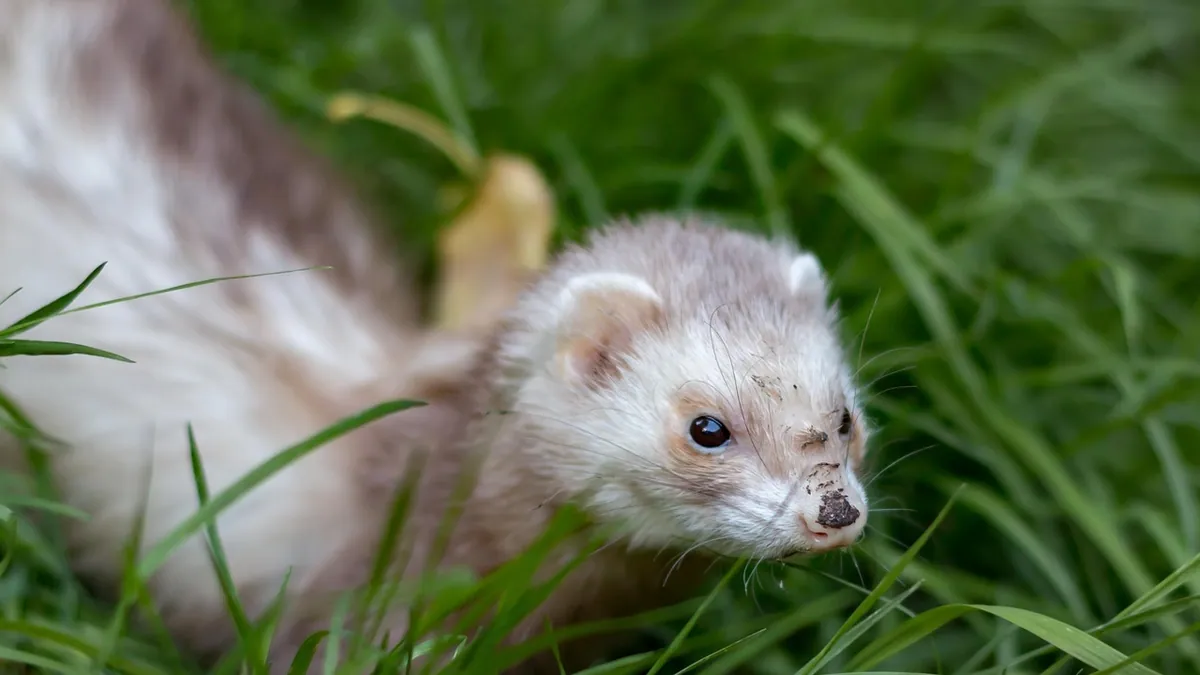
Do ferrets need baths? Not often. A healthy ferret with clean bedding and a balanced diet usually needs a bath only a few times a year, and some ferrets can go much longer. Bathing too often strips the natural oils from a ferret's coat and skin, which can make a ferret smell worse over time, not better.
This article is educational and is not a substitute for veterinary diagnosis or treatment.
Quick Answer
- Bathe a healthy adult ferret roughly every 3 to 6 months, or only when it is genuinely dirty or has rolled in something smelly.
- Do not bathe weekly or even monthly. Frequent bathing dries the skin and triggers more oil production, which increases odor.
- Ferrets do not take dust baths or sand baths. Those are chinchilla behaviors, and dust or sand can irritate a ferret's eyes, nose, and respiratory tract.
- Use a ferret-safe or kitten-safe shampoo and warm (not hot) water. Rinse thoroughly and dry the ferret well.
- If your ferret smells strongly or has skin problems despite good care, that is a reason to see a veterinarian, not to bathe more.
Do Ferrets Take Baths? What Is Normal for the Species
Ferrets are not water-loving animals by nature, and most do not enjoy being submerged. They are strong swimmers if they must be, but a bath is a stress event for many ferrets, not a treat. Some ferrets tolerate baths calmly. Others squirm, scratch, and try to climb out. That is normal.
Ferrets have compound hair follicles, with one primary hair and a cluster of secondary hairs emerging from the same opening. Each primary follicle has a sebaceous gland and a coiled sweat gland [1]. Those sebaceous glands produce the oily, musky coating that gives ferrets their characteristic scent. That oil is supposed to be there. It waterproofs the coat and protects the skin.
When you bathe a ferret, you wash away that oil. The skin responds by producing more oil to replace it. This is why an over-bathed ferret often smells stronger a day or two after the bath than it did before. The cycle repeats every time you bathe.
Ferrets also groom themselves. They spend a good part of their waking hours licking and cleaning their coats. A ferret that lives in a clean cage, gets daily time out, and eats well stays reasonably clean on its own.
Do Ferrets Take Dust Baths or Sand Baths?
No. Ferrets do not take dust baths, and they do not take sand baths. Dust bathing is a chinchilla behavior. Chinchillas roll in fine volcanic dust to absorb oil from a dense coat that cannot get wet. Ferrets have a completely different coat structure and skin biology.
Offering a ferret a dust or sand bath is not helpful and can be harmful. Fine particles can get into the eyes and nose, and inhaling dust can irritate the airways. Ferrets are used in respiratory research precisely because their lungs and airways respond in ways similar to humans, which makes airborne irritants a real concern [2].
If you have read that ferrets need dust baths, that information is incorrect. Skip the dust and the sand. If your ferret seems itchy or has a dull, greasy coat, the answer is a veterinary exam, not a dust box.
How Often Should You Bathe a Ferret?
For most healthy pet ferrets, a bath every 3 to 6 months is plenty. Many owners bathe even less. Some ferrets go a year or more between baths and stay clean and comfortable.
Bathe sooner if your ferret:
- Rolls in urine, feces, or something spoiled
- Gets into grease, oil, or a household chemical (rinse first, then call your veterinarian or a poison control service)
- Has been treated for fleas or another parasite and your veterinarian told you to bathe
- Has soiled its coat because of illness or diarrhea
Do not bathe a ferret just because it has a normal musky smell. That smell comes from skin oils and scent glands, and it is part of being a ferret. If the odor bothers you, focus on bedding changes, litter box cleaning, and neutering status instead. You can read more about that in Why Does My Ferret Smell, and How to Reduce It.
Step-by-Step: How to Bathe a Ferret Safely
Before you start
- Gather everything first. You need a ferret-safe or kitten-safe shampoo, several towels, a cup for rinsing, and a shallow tub or sink.
- Fill the tub with 2 to 3 inches of warm water. Test it on your wrist. It should feel comfortably warm, not hot.
- Close the bathroom door and block any gaps. A wet ferret is fast and slippery.
- Brush out loose fur first if your ferret tolerates it.
During the bath
- Lower your ferret into the water gently. Support the chest and hind end.
- Wet the coat with the cup instead of running water. Running water and spray nozzles scare most ferrets.
- Apply a small amount of shampoo and work it into a lather. Avoid the eyes, ears, and nose.
- Rinse until the water runs clear. Shampoo residue causes itching and skin irritation.
- Lift your ferret out and wrap it in a towel immediately.
After the bath
- Blot and rub dry with towels. Change to a dry towel when the first one is soaked.
- Keep your ferret in a warm room until fully dry. Ferrets chill easily when wet.
- A hair dryer on the lowest, coolest setting held far away is an option for ferrets that tolerate the noise. Many do not, so towels are usually enough.
- Clean the tub and any surfaces your ferret touched.
A note on water play
Some ferrets enjoy shallow water play, such as splashing in a pan of water or chasing toys in a few inches of water. That is different from a full bath with shampoo. Water play without soap does not strip the coat the way shampoo does. Rinse and dry your ferret afterward.
Bathing Schedule and Care Checklist
| Task | How often | Notes |
|---|---|---|
| Full bath with shampoo | Every 3 to 6 months, or as needed | Less is better for skin health |
| Spot clean with a damp cloth | As needed | Good for paws, tail, and face |
| Water play (no shampoo) | Optional, a few times a week | Rinse and dry after |
| Bedding change | At least weekly, more if soiled | Clean bedding reduces odor more than baths |
| Litter box cleaning | Daily | Removes the main source of urine smell |
| Coat and skin check | Weekly | Look for hair loss, scabs, lumps, or redness |
| Nail trim | Every 2 to 4 weeks | Long nails catch on fabric and can split |
| Ear check | Weekly | Clean only what you can see, never probe deep |
| Veterinary exam | Yearly at minimum | Establishes a relationship before illness [3] |
A yearly exam is the standard of care for pet ferrets, and it is the best time to ask your veterinarian about skin, coat, and odor concerns [3]. If your ferret has never seen a vet, start with the Ferret Care Guide for Beginners.
Signs Something Is Wrong With Your Ferret's Skin or Coat
Bathing will not fix a medical problem. Skin disease is common in pet ferrets, and the most frequent causes are tumors, endocrine (hormone) disease, and parasites [4]. Watch for:
- Hair loss, especially on the tail, flanks, or back
- A thin or patchy coat that does not grow back
- Red, crusty, or scabby skin
- Constant scratching, biting, or rubbing
- Greasy, dull, or unusually dry coat that does not improve
- Black or brown debris in the ears
- A new lump or bump
- Strong odor that returns within a day of bathing
- Itching that keeps your ferret awake
Any of these warrant a veterinary visit. A veterinarian can examine the skin, check for parasites, and run tests if needed. Do not try to treat skin problems at home with human shampoos, flea products made for dogs or cats, or home remedies. Many of those products are toxic to ferrets.
Common Mistakes Owners Make
Bathing too often. This is the number one mistake. Weekly or monthly baths dry the skin, trigger extra oil production, and make odor worse.
Using the wrong shampoo. Human shampoo, dog shampoo, and dish soap are too harsh. Use a shampoo labeled for ferrets or kittens.
Using flea products made for other species. Many flea shampoos, spot-ons, and dips are toxic to ferrets. Only use parasite products your veterinarian recommends.
Trying dust or sand baths. Ferrets do not need them, and the particles can irritate eyes and airways.
Bathing instead of cleaning the cage. Odor comes mostly from urine, feces, and bedding. A clean cage does more for smell than any bath.
Bathing a sick ferret. A ferret that is weak, not eating, or having trouble breathing should see a veterinarian, not get a bath. Bathing adds stress and can lower body temperature.
Letting a ferret stay wet. Wet ferrets chill quickly. Dry thoroughly every time.
Ignoring boredom. Ferrets that are bored may scratch at cage walls, sleep excessively, or pace [5]. Boredom is not a bathing problem, but it can lead to messy coats and stress-related behaviors. Daily playtime, tunnels, and rotating toys help. See Ferret-Proofing Your Home for safe ways to give your ferret more out-of-cage time.
Supplies and Setup That Matter for Coat Health
The products you use and the environment your ferret lives in affect coat and skin health more than any bath.
Shampoo. Choose a ferret-safe or kitten-safe shampoo with mild ingredients. Avoid fragrances, tea tree oil, and medicated shampoos unless your veterinarian prescribes one.
Towels. Keep at least three on hand. Ferrets soak through a towel fast.
Bedding. Wash bedding weekly in a fragrance-free detergent. Avoid cedar and pine shavings, which can irritate airways.
Litter. Use paper-based or wood pellet litter. Avoid clumping cat litter, which can stick to a ferret's bottom and cause problems.
Diet. A ferret's coat reflects its nutrition. Ferrets are carnivores and need a diet high in animal protein and fat. Poor diets lead to dull coats and skin problems. The Ferret Diet and Nutrition Guide covers this in detail.
Humidity and temperature. Ferrets do poorly in hot, dry rooms. Keep the room comfortable and out of direct sun.
Grooming tools. A soft brush and nail clippers are enough. Do not use human hair products, conditioners, or perfumes on a ferret.
Limitations and When to Contact a Veterinarian
This article gives general guidance. Individual ferrets differ, and a veterinarian who examines your ferret can give advice specific to its skin, coat, and health history.
Contact your veterinarian the same day if your ferret:
- Has skin that is red, raw, oozing, or bleeding
- Has sudden hair loss or a bald patch that appeared quickly
- Is scratching constantly or seems uncomfortable
- Has a bad smell that returns right after a bath
- Got into a household chemical, even if you rinsed it off
Go to an emergency clinic now if your ferret:
- Is having trouble breathing, wheezing, or breathing with an open mouth
- Is weak, collapsed, or unresponsive
- Has a body temperature that feels very low or very high
- Is having seizures
- Ate or absorbed a flea product made for dogs or cats
Schedule a routine visit if your ferret:
- Has not had a yearly exam [3]
- Has a slow-changing coat problem, mild itching, or a small lump
- Has never been vaccinated. Ferrets should be vaccinated against rabies and canine distemper, with rabies first given at 16 weeks of age or older and repeated yearly [3]
If you do not already have a veterinarian who treats ferrets, find one before you need one. Ferret-experienced vets can be hard to locate, so check with ferret clubs, local directories, and your state veterinary medical association [3]. It also helps to know where the nearest 24-hour emergency clinic that treats ferrets is located [3].
Frequently Asked Questions
Do ferrets like baths?
Most ferrets do not enjoy full baths and find them stressful. A few tolerate them calmly, and some enjoy shallow water play without shampoo. Watch your ferret's body language and keep bath time short and calm.
Can I use baby shampoo on my ferret?
Baby shampoo is gentler than adult shampoo but is still formulated for human hair and skin. A shampoo labeled for ferrets or kittens is a better choice. Ask your veterinarian if you are unsure.
How do I get rid of ferret smell without bathing?
Clean the litter box daily, wash bedding weekly, and keep the cage dry. Neutering also reduces odor in many ferrets. If the smell is sudden or much stronger than usual, see your veterinarian.
Can I bathe my ferret if it has fleas?
Only with a product your veterinarian approves for ferrets. Many flea shampoos and spot-on products made for dogs and cats are toxic to ferrets. Call your veterinarian before using anything.
Do ferrets need dust baths like chinchillas?
No. Ferrets do not take dust or sand baths, and those materials can irritate their eyes, nose, and lungs. If your ferret has a greasy or dull coat, have a veterinarian check it instead.
Related Articles
- Ferret Care Guide for Beginners
- Ferret-Proofing Your Home
- Ferret Diet and Nutrition Guide
- Ferret Care: Pyramiding & Shell Health Management
- Why Does My Ferret Smell, and How to Reduce It
- Ferret Enrichment: A Practical Guide to Toys, Activities, and Environmental Enrichment
- Why Is My Ferret Itching, Sneezing, or Shedding So Much?
- My Ferret Has Fleas: Signs and Safe Treatment
- Why Is My Ferret So Itchy? Causes and Relief
References
- Histology of ferret skin: preweaning to adulthood. Veterinary dermatology, 2007.
- Ferrets as Models for Viral Respiratory Disease. Comparative medicine, 2023.
- Routine Health Care for Ferrets - All Other Pets. Merck Veterinary Manual.
- Ferret Dermatology. The veterinary clinics of North America. Exotic animal practice, 2023.
- Pet Owner Perception of Ferret Boredom and Consequences for Housing, Husbandry, and Environmental Enrichment. Animals : an open access journal from MDPI, 2022.