Do Guinea Pigs Need Baths? Washing and Dust Baths
By Dr. Zubair Khalid, DVM, MS, PhD ·
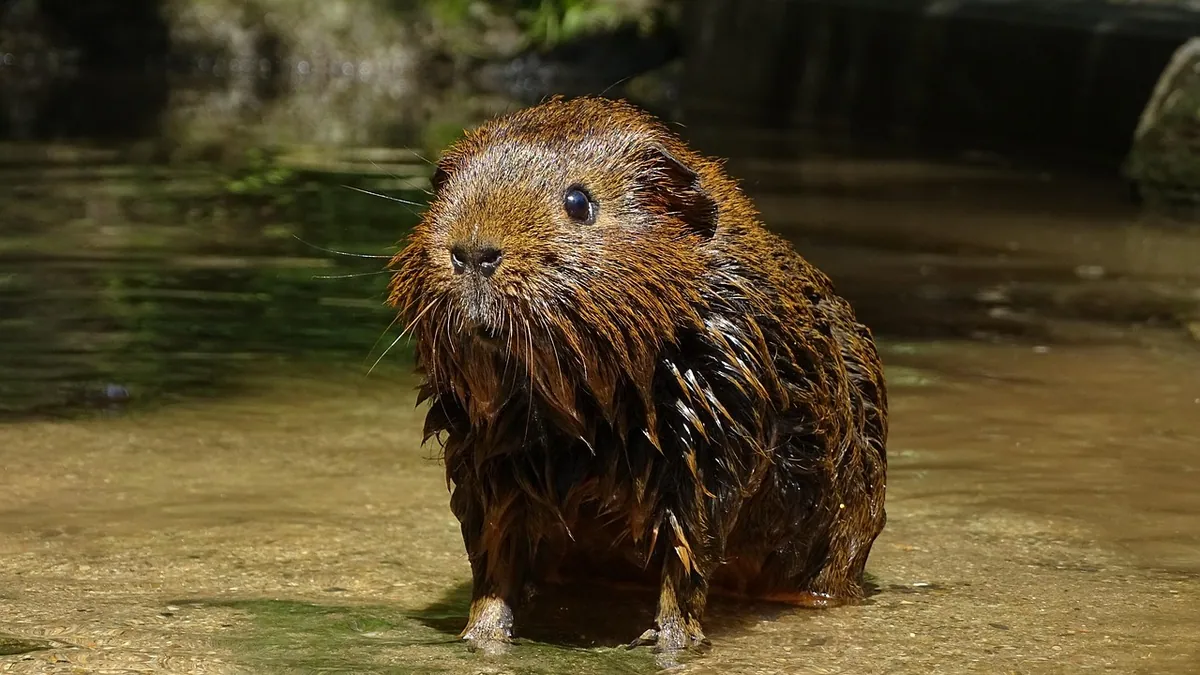
Guinea pigs rarely need baths. Healthy guinea pigs keep themselves clean, and most owners never need to wash them at all. When a guinea pig does need a bath, it should be a gentle, occasional event with a shampoo made for small animals, never a dust bath. This article is educational and is not a substitute for veterinary diagnosis or treatment.
Quick Answer
- Most guinea pigs never need a bath. They groom themselves and stay clean if their cage is kept dry and tidy [1].
- Bath only when your guinea pig is soiled, for example with urine, feces, or a sticky substance it cannot clean off [1].
- Use a shampoo made for small animals. Human shampoo can dry out guinea pig skin [1].
- Never use dust baths. Chinchillas need dust baths, guinea pigs do not, and dust can irritate their eyes and airways.
- Dry your guinea pig completely after any bath, because damp fur and skin can lead to problems.
Do Guinea Pigs Take Baths on Their Own?
No. Guinea pigs do not seek out water to bathe in. They are not swimmers by nature, and most dislike being wet. They clean themselves through grooming, which includes licking their fur and using their front paws to wipe their face.
A guinea pig's coat stays in good shape when the environment is right. Fresh hay, clean bedding, and a dry floor do most of the work. Long-haired breeds need regular brushing to prevent matting, and brushing is the main grooming task for these guinea pigs [1]. If you keep the coat brushed and the cage clean, you may never need to wash your pet.
Some guinea pigs tolerate a bath calmly. Others panic, try to jump out, or chatter their teeth. There is no way to predict which your guinea pig will be. That is one reason bathing should stay rare and purposeful.
How Often Do Guinea Pigs Need Baths?
For most guinea pigs, the answer is never or almost never. A healthy short-haired guinea pig with a clean cage may go its whole life without a bath. The Merck Veterinary Manual states plainly that guinea pigs rarely need baths unless they are soiled [1].
Long-haired guinea pigs may need more help, but brushing handles most of it. If the hair around the rear gets dirty or matted, a spot clean with a damp cloth may be enough. Full baths are still the exception.
If you find yourself bathing your guinea pig often, something else is likely wrong. Frequent soiling can point to diarrhea, dental problems that make eating messy, or a cage that is not being cleaned often enough. Talk with your veterinarian about the cause instead of reaching for shampoo.
Step-by-Step: How to Bathe a Guinea Pig Safely
Gather your supplies first
Have everything within reach before you start. You will need a small tub or sink, shallow warm water, a small-animal shampoo, several soft towels, and a cup for rinsing. Keep the room warm and free of drafts.
Keep the water shallow and give traction
Place a towel in the bottom of the tub and add only shallow water. The towel gives your guinea pig something to grip so it does not slip [1]. Slipping and scrambling is what turns a bath into a frightening event.
Wash only what needs washing
Wet the coat with the cup, not a running faucet. Apply a small amount of small-animal shampoo and work it gently into the soiled areas. Avoid the face entirely. Keep water out of the ears and eyes [1].
Rinse thoroughly
Shampoo left in the coat can irritate skin. Rinse with clean warm water until the water runs clear and no suds remain. This step matters more than the washing itself [1].
Dry completely
Wrap your guinea pig in a soft towel and blot, do not rub. Change to a dry towel when the first one is soaked. Keep your guinea pig in a warm spot until the coat is fully dry. A damp guinea pig can chill quickly.
Watch for stress
If your guinea pig struggles hard, pants, or goes limp, stop and dry it off. A partial bath is better than a traumatic one. You can finish cleaning with a damp cloth later.
Bathing Schedule and Checklist
| Situation | What to do | How often |
|---|---|---|
| Healthy short-haired guinea pig, clean cage | No bath needed, routine brushing only | Never, unless soiled [1] |
| Long-haired breed | Brush regularly to prevent matting, spot clean as needed | Brushing several times a week, bath rarely [1] |
| Soiled rear end from soft stool | Gentle spot clean or shallow bath with small-animal shampoo | As needed, and call your vet if it repeats |
| Guinea pig with skin condition under treatment | Follow your veterinarian's instructions exactly | Per your vet's plan |
| After a bath | Rinse well, dry fully, keep warm | Every bath [1] |
Do Guinea Pigs Take Dust Baths?
No. Dust baths are for chinchillas, not guinea pigs. A guinea pig's respiratory tract is not built for clouds of fine dust, and the particles can irritate the eyes, nose, and lungs. There is no health benefit that justifies the risk.
Some owners offer a dust bath because they have read that it cleans the coat. It does not work that way for guinea pigs. Their coats are cleaned by grooming and brushing. If your guinea pig has greasy or dull fur, that is a reason to check the diet, the cage, and your guinea pig's skin, not a reason to add dust.
Do Guinea Pigs Like Baths?
Most do not. Guinea pigs are prey animals, and being held in water removes their sense of control. Some will sit still and endure it. Others will fight to get out.
There is research on how rodents respond to water, and it shows that wet fur triggers grooming, shaking, and scratching as drying behaviors [2]. That is a stress response, not enjoyment. A guinea pig that shivers, chatters, or tries to climb out is telling you it wants the bath to end.
If your guinea pig truly needs a bath, keep it short and calm. Do not turn bathing into a routine hobby. For most pets, brushing and a clean cage are kinder and just as effective.
Signs Something Is Wrong
Bathing is sometimes the moment an owner notices a problem. Look closely at the skin and coat while you work.
- Bald patches, crusts, or scaly skin. Ringworm and other skin infections can look like this. A study of shelter guinea pigs found dermatophyte DNA in 54 of 85 animals tested, though most had no visible lesions [3]. Skin disease can be present even when the coat looks normal.
- Constant scratching or biting at the skin. This can point to mites, fleas, or a skin infection.
- A dirty rear end that keeps coming back. Soft stool or diarrhea is a medical issue, not a grooming issue.
- Greasy, dull, or smelly coat. This can signal poor diet, dental disease, or an underlying illness.
- Matted hair that pulls on the skin. Mats can hide wounds or sores underneath.
If you see any of these, do not try to treat them with shampoo. See a veterinarian who works with guinea pigs. For general prevention and common conditions, see Guinea Pig Health: Common Conditions and Prevention.
Common Bathing Mistakes
Using human shampoo. Shampoos made for people can dry out a guinea pig's skin [1]. Use a product labeled for small animals.
Bathing too often. Frequent baths strip the coat and stress the animal. Guinea pigs rarely need baths at all [1].
Deep water. Guinea pigs are not built for swimming. Shallow water with a towel for traction is the safe setup [1].
Water in the ears or eyes. This can lead to infection and discomfort. Keep the head dry and wash the body only [1].
Skipping the rinse. Leftover shampoo causes itching and skin irritation. Rinse until the water is clear [1].
Letting your guinea pig stay damp. A wet guinea pig loses heat fast. Dry thoroughly and keep it warm.
Using a dust bath instead. Dust baths are not appropriate for guinea pigs and can harm the eyes and airways.
Bathing a sick guinea pig. If your guinea pig is unwell, bathing adds stress and can make things worse. Call your veterinarian first.
Supplies and Setup That Matter
You do not need much, but the right items make a bath safer.
- A small-animal shampoo, not a human product [1].
- A shallow tub or sink with a towel on the bottom for grip [1].
- Several soft towels for drying.
- A cup for pouring rinse water.
- A warm, draft-free room.
- A soft brush for routine coat care, especially for long-haired breeds [1].
Nail trimming belongs in the same grooming routine. Use small-animal or human nail clippers, start when your guinea pig is young so it gets used to handling, and avoid cutting the quick, the blood vessel inside the nail. Hold a bright light to the nail so you can see the quick in dark nails, and cut about 1/8 inch (0.3 cm) beyond it. If bleeding happens, styptic powder or a styptic pencil stops it [1].
Housing and companionship affect coat health too. Guinea pigs do best with a companion and enough space, and welfare research links good husbandry to better behavior and wellbeing [4]. For more on this, see Guinea Pig Companionship and Housing Needs and the Complete Guinea Pig Care Guide.
A yearly checkup with a veterinarian experienced with guinea pigs is part of routine care. Guinea pigs do not need vaccinations [1]. Because they can decline quickly when sick, early treatment matters [1].
Limitations and When to Contact a Veterinarian
No article can judge your individual guinea pig. Bathing decisions depend on the coat, the skin, the animal's temperament, and any health conditions. Your veterinarian can look at your pet and give advice that fits.
Contact a veterinarian the same day if you notice:
- Diarrhea or soft stool that soils the rear end
- Bald patches, crusts, or scaly skin
- Constant scratching, biting, or hair loss
- A guinea pig that stops eating or drinking
- Labored breathing, wheezing, or a runny nose
- A wet or dirty rear end that keeps returning
Seek emergency care right away if your guinea pig:
- Is struggling to breathe or breathing with its mouth open
- Collapses, goes limp, or cannot stand
- Has a seizure
- Stops eating completely and becomes weak
- Shows signs of heat stress after a warm bath or warm room
Schedule a routine visit if your guinea pig has never had a checkup, if you are unsure how to groom a long-haired breed, or if you want help trimming nails for the first time [1]. A veterinarian can also show you safe handling and bathing technique in person.
Frequently Asked Questions
Can I use baby shampoo on my guinea pig?
No. Baby shampoo is still a human product and can dry out guinea pig skin. Use a shampoo made for small animals instead [1].
What if my guinea pig hates water?
Then do not force a full bath. Spot clean with a damp cloth and keep the coat brushed. If soiling is heavy or keeps coming back, have your veterinarian check for a medical cause.
Can I bathe a pregnant guinea pig?
Avoid bathing a pregnant guinea pig unless a veterinarian tells you to. Handling and stress carry risks, so let your vet guide any grooming during pregnancy.
Is it safe to bathe a baby guinea pig?
Young guinea pigs chill quickly and stress easily. Keep baths to a minimum and use only warm water, full drying, and a warm room. Ask your veterinarian if you are unsure.
What temperature should the water be?
Use lukewarm water, about the temperature you would use for a human baby bath. Water that feels hot to your hand is too hot for your guinea pig.
Related Articles
- Complete Guinea Pig Care Guide
- Guinea Pig Companionship and Housing Needs
- Guinea Pig Care: Pyramiding & Shell Health Management
- Husbandry and Welfare of Laboratory Guinea Pigs
- Guinea Pig Health: Common Conditions and Prevention
- Cages for Guinea Pigs: The Complete Housing Guide
- What Can You Bathe a Guinea Pig In? Safe Options
- Do Guinea Pigs Use a Litter Box? Potty Training Tips
- Do Guinea Pigs Need to Go to the Vet? Visit Schedule
References
- Routine Care of Guinea Pigs - All Other Pets. Merck Veterinary Manual.
- Sensory cues, behavior and fur-based drying in the rat wetness response. Scientific reports, 2024.
- Prevalence of Lesional and Nonlesional Dermatophytosis in Shelter/Rescue Guinea Pigs (Cavia porcellus) in Southern California, USA. Veterinary dermatology, 2026.
- Guinea Pig (Cavia porcellus) Welfare: Associations Between Husbandry Practices, Human-Animal Interactions, and Animal Behaviour. Animals : an open access journal from MDPI, 2025.